
Waikiki Boat Tour: What Happens When Vessels Cross Paths
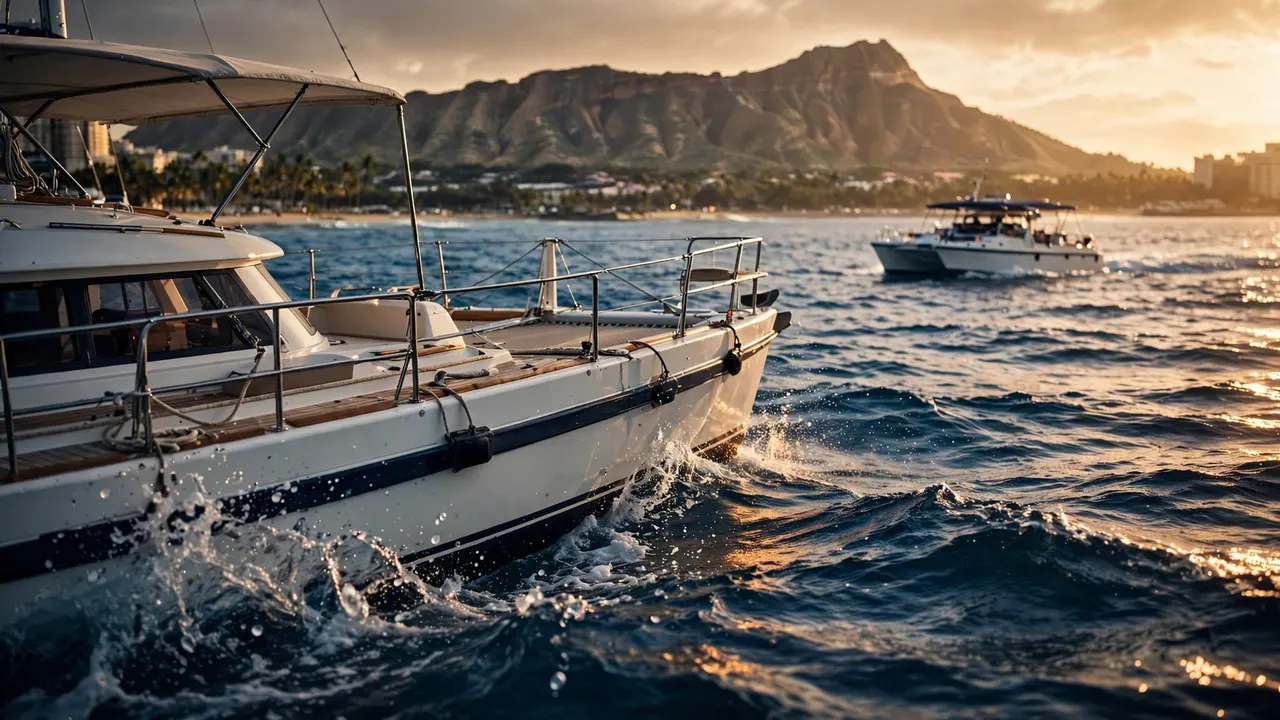
Another boat can seem to appear out of nowhere when you’re watching the Waikiki shoreline. On a Waikiki boat tour, that moment is usually routine, but it can feel surprising if you don’t know what the crew is watching.
Living Ocean Tours departs from Kewalo Basin Boat Harbor, where tour boats and other water users may share nearby space. Understanding a few basics about traffic, course changes, and your role as a passenger lets you enjoy the view without mistaking every turn for trouble.
Why a Waikiki boat tour meets other traffic
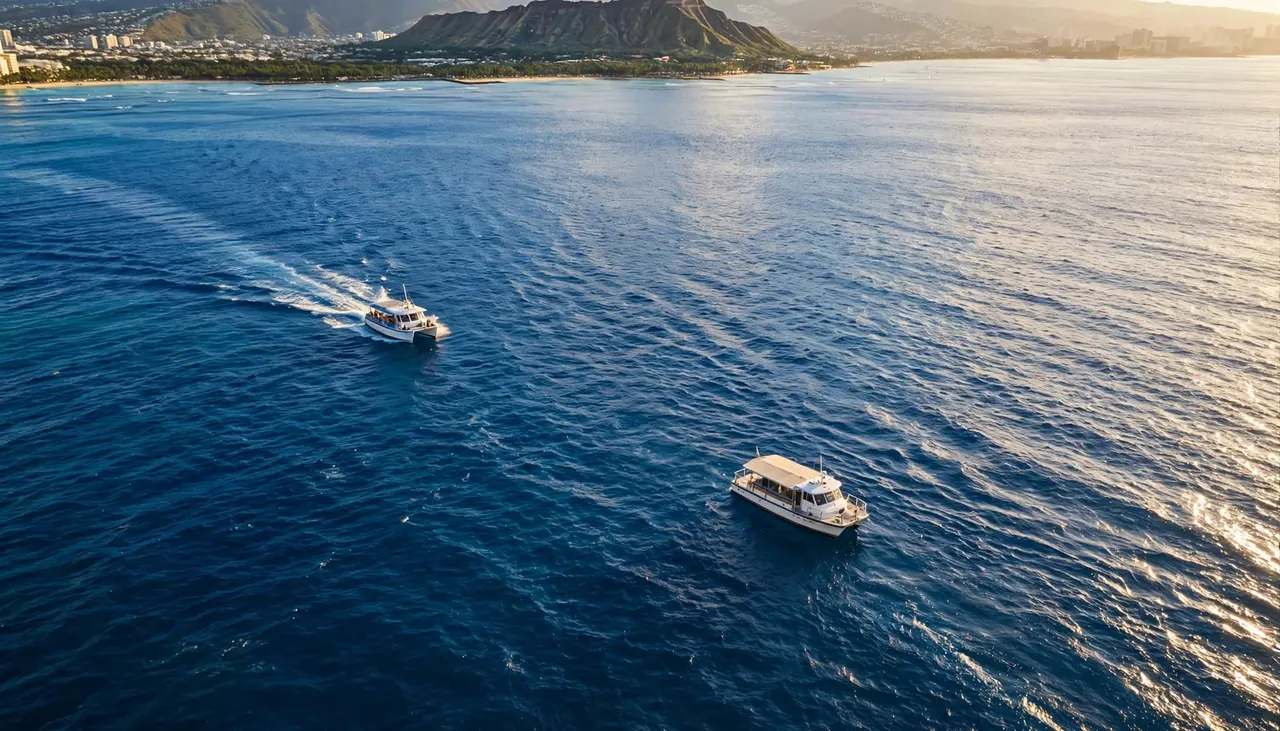
Kewalo Basin is a working harbor, not a private departure lane. Depending on the day, you may see fishing vessels, sailboats, other tour boats, and paddlers near the harbor or along the coast. They may be headed toward different destinations even when their tracks look close together from your seat.
Distance is difficult to judge over open water. A small boat against the Waikiki skyline can look nearer than it is, while a vessel approaching at an angle may seem almost stationary. Your captain watches how its position changes over time rather than relying on one glance.
Traffic also changes with location. Inside and near the harbor, there is less room to maneuver, so departures may feel deliberate. Farther offshore, the captain has more space to adjust the route while still accounting for reefs, conditions, and other people on the water. A slight turn can be part of an ordinary crossing, not a detour from your outing.
The harbor sets a careful pace
Your trip begins before the boat leaves its slip. Boarding, the safety briefing, passenger checks, and dockside work all need time. Once underway, the captain must account for nearby activity before heading toward the Waikiki coast.
Leaving the dock takes patience
Keep children close and wait for the crew’s signal before boarding. Dock lines, a shifting gap between the boat and dock, and people moving through the boarding area all call for your attention. Wear shoes with secure soles and leave yourself a free hand for the railing.
Before the boat moves, put away your phone, secure your hat, and close your bag. A loose water bottle is inconvenient on a quiet dock and a greater distraction when the vessel turns. If you miss an instruction while taking photos, ask a crew member to repeat it.
A pause near the entrance can be normal
The captain may wait or change speed as another vessel enters or leaves the basin. You might also hear a horn used for vessel communication. Neither observation, by itself, means your trip is in trouble.
A clear view from Waikiki Beach doesn’t tell you everything about conditions beyond the harbor. Captains consider forecasts alongside the wind, swell, visibility, and traffic they encounter on the route. That can affect the timing of departure or the course you take.
How crews assess vessels crossing ahead
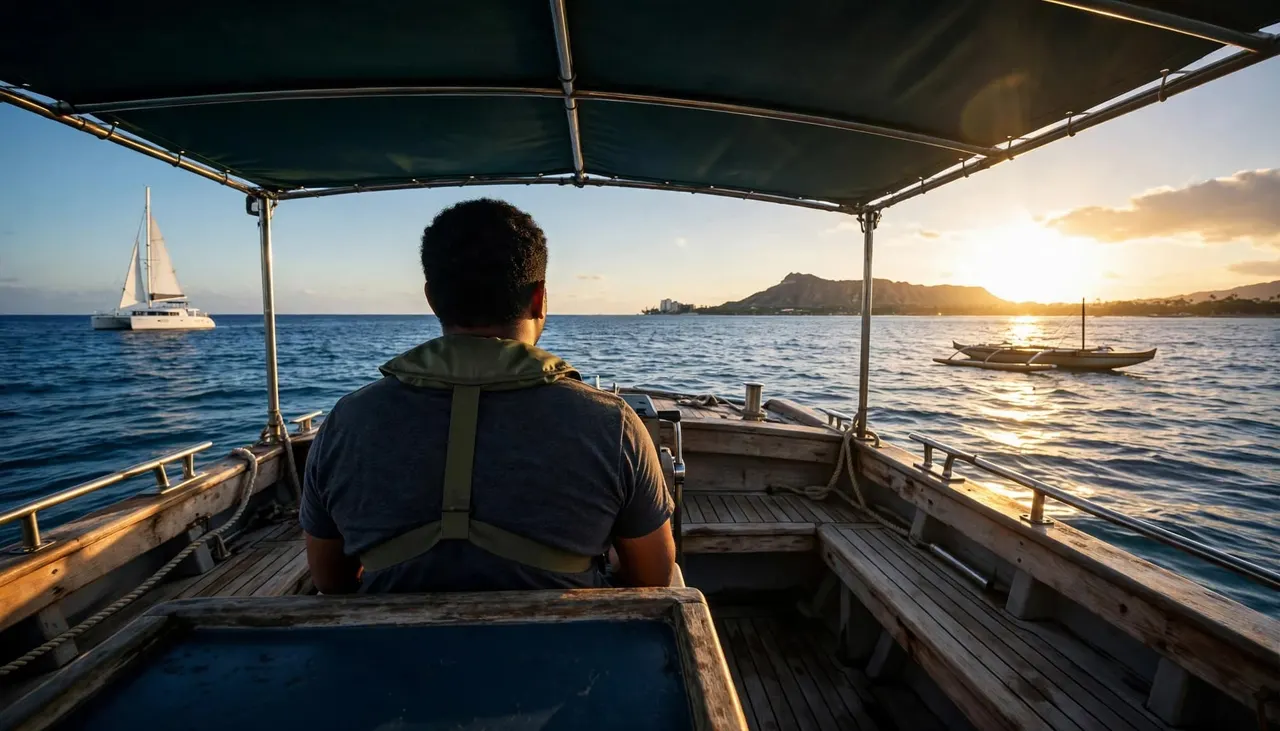
When you notice another boat, your captain is considering more than whether its bow points toward yours. Both vessels are moving. Their speeds, courses, and available room matter, as do nearby swimmers, paddlers, and reef areas.
Crossing is different from meeting or overtaking
Two vessels may approach from intersecting directions, head toward each other, or travel the same direction at different speeds. Each situation calls for its own response under the U.S. Coast Guard navigation rules. The rules give boat operators a shared framework for avoiding collisions.
As a passenger, you don’t need to decide which boat should move first. You also can’t judge the full situation from one side of the deck. The safest contribution is to leave navigation to the operators and follow your crew’s directions.
A course change should be judged in context
A turn or reduction in speed can create more separation, make a crossing clearer, or respond to conditions you can’t see from your seat. GPS can help a crew track position and planned course, but it doesn’t replace watching the water around the vessel.
Other boats can change course, too. That is why a captain keeps assessing the situation rather than treating an early decision as final. Even if Waikiki and Diamond Head look unchanged in the background, the space between moving vessels is changing throughout the encounter.
What a crossing can feel like on deck
You may notice a shift in engine sound, a gentle turn, or a brief wait before continuing along the coast. The boat’s movement can feel more pronounced if you’re standing high on deck or looking through a camera instead of watching the horizon.
Give yourself a steady place to watch
Stay seated during a maneuver if the crew asks you to. If you’re already moving, use a railing and give yourself time to regain your balance. Keep stairs, walkways, and access to the crew clear, especially when families are moving between shaded and open areas.
Don’t rush toward the rail to photograph an approaching vessel. You can usually enjoy the view better once traffic has passed and the boat settles into its course. A secure spot for your phone makes that easier.
Watch wakes as well as boats
A passing vessel can leave a wake that reaches you after the boats have separated. Its effect depends on the conditions and your boat’s position, so a gentle crossing can still bring a short period of extra movement.
If you tend to get seasick, look toward the horizon and let a crew member know how you’re feeling. Don’t wait until you need help getting to a seat. No boat can remove all ocean movement, but an early conversation gives the crew a chance to help you get comfortable.
Your role when another vessel approaches
A Waikiki boat tour asks very little of you as a passenger during a crossing. You don’t need to interpret horn signals or direct the captain. You do need to remain aware of your footing and listen when the crew speaks.
Keep directions easy to hear
Pause conversations when the crew makes an announcement. Help children stay close, and keep bags out of paths to stairs and seating. If the captain asks everyone to remain seated, wait for the all-clear before moving for a photo or a better view.
Avoid shouting navigation advice from the deck. The operator may have a clear view of the other vessel and information you don’t have. If you spot a swimmer, paddler, or floating object that you believe the crew hasn’t seen, tell a crew member calmly and point out its location.
Prepare before you need both hands
Store sunglasses, cameras, and water bottles where they won’t slide. A small bag that closes securely is easier to manage than loose items spread across a seat. For an evening departure, bring a light layer so you don’t have to search through your belongings while the boat is moving.
These habits matter at any point in the trip, not only near other boats. You’ll have an easier time enjoying the coast when your attention can stay on the water instead of your gear.
Snorkeling areas call for wider awareness
A trip toward a reef adds swimmers and marine life to the captain’s surroundings. Boats may slow or position themselves with the intended activity in mind. Meanwhile, guests need to wait for the crew’s instructions before approaching a ladder or entering the water.
If snorkeling is part of your outing, listen for the entry and return procedure. Ask for help with your mask or fins before you leave the deck, and tell a guide if you’re uncertain about conditions. After your swim, return to the boat as directed rather than heading toward another vessel or group of snorkelers.
The same care applies below the surface. Observe turtles and other wildlife without touching, chasing, or crowding them. Leave coral undisturbed, even when you’re adjusting your position in the water. Sharing Waikiki’s coast responsibly means paying attention to wildlife as well as vessel traffic.
Choose an outing that suits your comfort
Your best view of the coast depends partly on choosing an activity you want to do. If you’re eager to swim, ask about the guidance and water-entry arrangements before booking. If you’d rather stay dry, choose an outing centered on time aboard. Either way, the captain may adjust the route as conditions change.
Living Ocean Tours offers guided Waikiki ocean tours from Kewalo Basin, including family-friendly snorkeling options. The company describes itself as the only tour company with professional snorkel guides. For a first-time snorkeler, the useful question is what help you’ll receive before entering the water and while you’re swimming.
Check your booking confirmation for the meeting point, arrival time, and any tour-specific instructions. Kewalo Basin is close to Waikiki, but finding the right boarding area and hearing the briefing are worth a little extra time. You can review departures and book the outing that fits your plans.
Key takeaways before you board
- Kewalo Basin is a working harbor, so a careful departure and occasional pause around other traffic are normal.
- Crossing, meeting, and overtaking are different situations. Your captain handles navigation while you follow crew directions.
- A turn, speed change, or passing wake may be noticeable on deck. Stay seated when asked, use railings, and secure loose belongings.
- Near snorkeling areas, give swimmers, ladders, coral, and wildlife the space they need.
FAQ about boats crossing near Waikiki
Does slowing down mean there’s a problem?
Not necessarily. Your captain may slow while assessing traffic, leaving the harbor, or choosing a comfortable course. Listen for crew instructions rather than treating a change in speed as an emergency.
Should you warn the captain about every boat you see?
The crew is already watching for traffic. If you spot a swimmer, paddler, or object that appears easy to miss, tell a crew member calmly. Otherwise, keep pathways clear and let the operators work.
Will every trip follow the same route?
No. Wind, swell, visibility, and other vessels can affect the course. Your confirmation sets out the booking details, while the captain makes decisions based on conditions during the trip.
Enjoy the crossing, not just the destination
Seeing another vessel from your Waikiki boat tour can interrupt the view for a moment. More often, it gives you a glimpse of how much attention goes into sharing the water.
Your part is simple: secure your belongings, keep your balance, and listen to the crew. Then you can get back to watching Waikiki from offshore.


