
What a Deckhand Does on a Waikiki Boat Tour
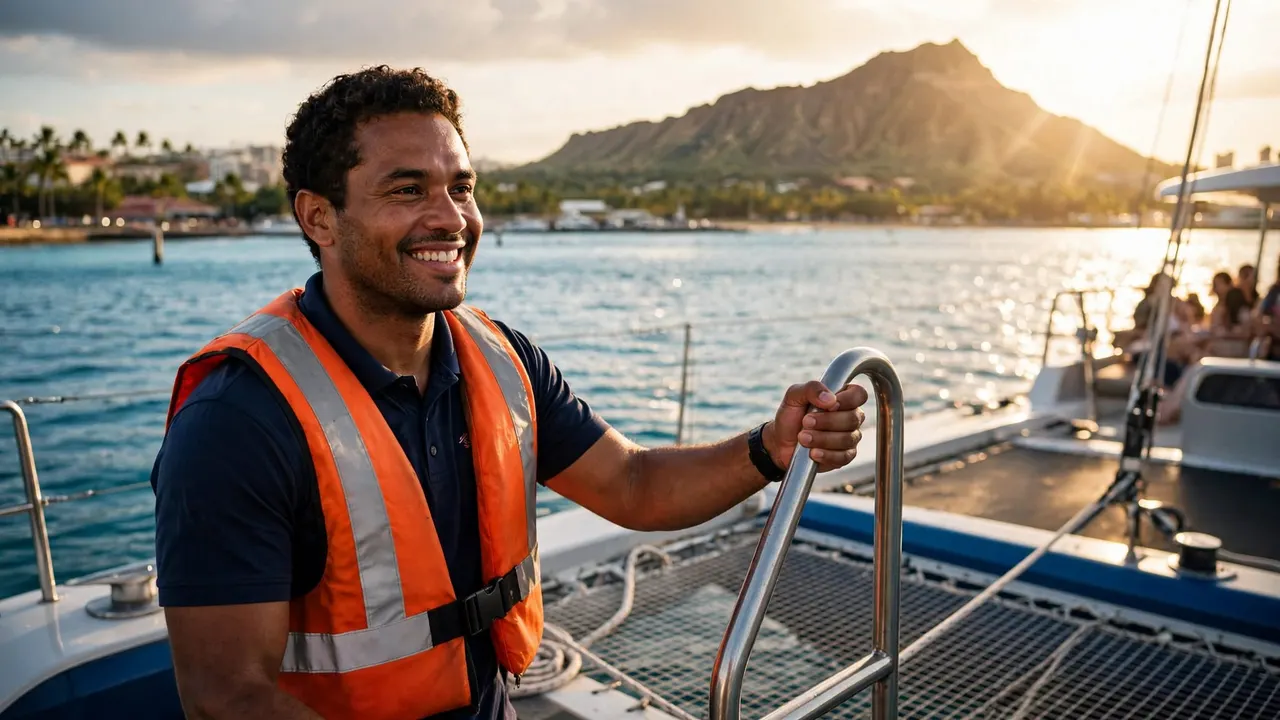
A great boat trip feels easy because someone is working behind the scenes from the moment you step aboard. On a Waikiki boat tour, that person is often the deckhand, the crew member who helps turn ocean time into a safe, relaxed, memorable part of your vacation.
You may see a deckhand greeting guests, checking gear, pointing out wildlife, or helping someone down the ladder. Their work reaches far beyond those quick moments.
The Deckhand Is Your Main Connection to the Boat
A deckhand works alongside the captain to keep the boat, guests, and ocean activities running smoothly. While the captain handles navigation, weather decisions, and vessel operations, the deckhand focuses on the details you feel directly.
That includes a warm welcome at the dock, help finding a seat, safety support, and practical answers when you need them. On a busy Waikiki boat tour, a capable deckhand notices small issues before they become stressful.
Living Ocean Tours departs from Kewalo Basin Boat Harbor, minutes from Waikiki. Its Coast Guard-inspected double-decker boats, the Coral Kai and Lokahi, give you shaded seating, restrooms, dry storage, and easy-access ladders. Living Ocean Tours is also the only tour company with professional snorkel guides.
Before Departure, a Deckhand Helps You Get Settled
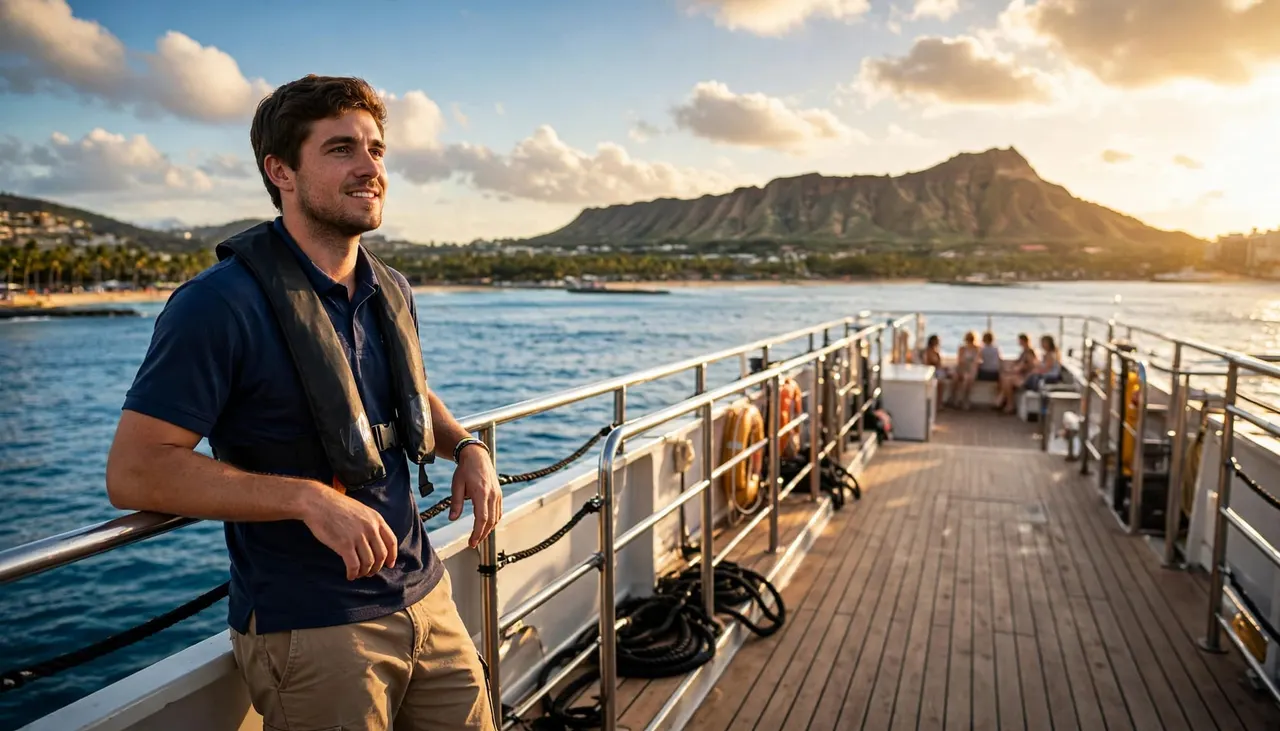
Your experience starts at the harbor, not when the boat reaches open water. A deckhand helps create an orderly boarding process, especially when children, older guests, and first-time boaters are part of the group.
They may direct you to secure footing, point out where to stow bags, and explain where you can find life jackets and restrooms. Those simple details help you settle in before the boat leaves the dock.
They Help You Board With Confidence
Boat decks can move under your feet, even in calm water. A deckhand watches boarding closely and gives clear instructions as you step from the dock to the vessel.
If you are traveling with young children, this attention matters. You can focus on your family while a crew member helps everyone move safely onto the boat.
They Set Expectations for the Trip
Before departure, the crew often covers the route, conditions, onboard rules, and timing. You will know where to sit, what areas to avoid while underway, and when you can move around the vessel.
A good briefing also sets a respectful tone. The ocean is beautiful, but it is not a theme park. You enjoy it more when you understand the boat’s boundaries and the crew’s instructions.
Safety Starts Before You Reach the Water
A deckhand supports the captain’s safety plan throughout the trip. That begins with an orientation, then continues each time the boat changes speed, turns, anchors, or prepares for swimming.
You may hear reminders to hold rails, keep walkways clear, and wait for instructions before entering the water. These are not empty announcements. Conditions can shift quickly around Oahu’s coast.
They Watch the Deck While You Enjoy the View
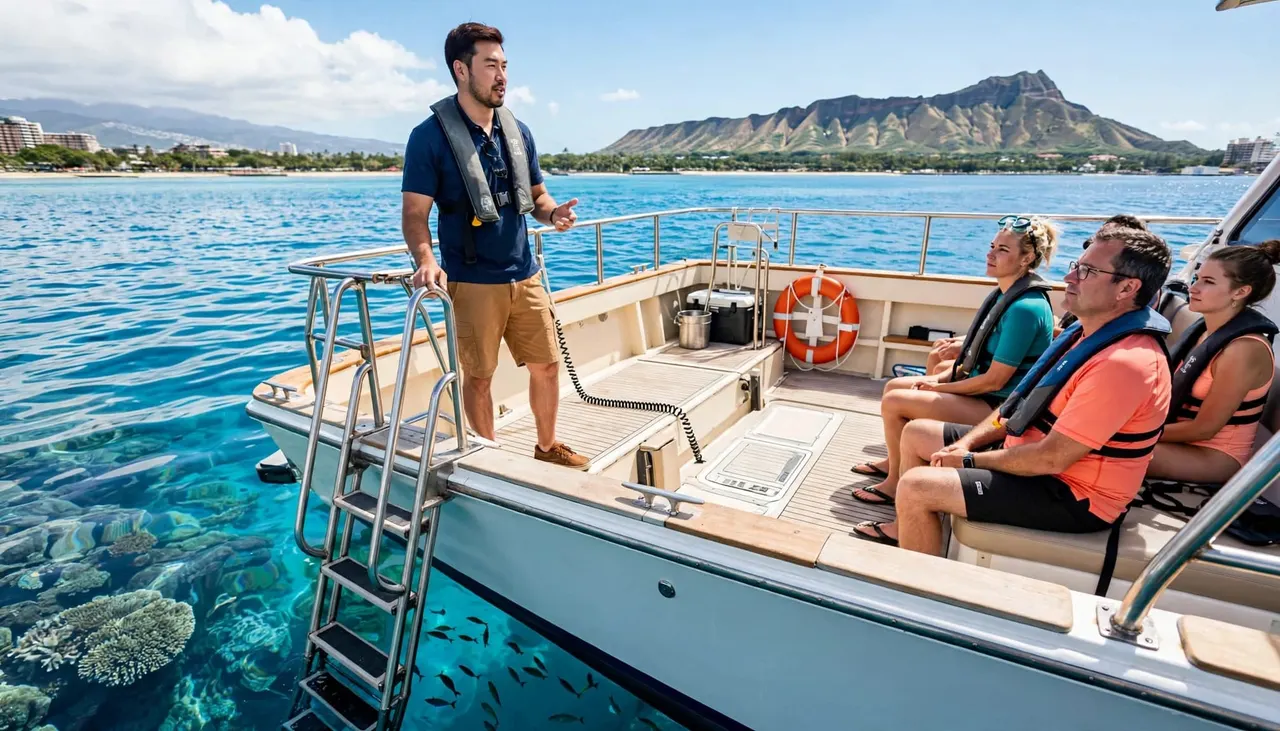
Deckhands keep an eye on loose gear, wet steps, open gates, and guests who may need help. They also check that pathways remain open if someone needs to move quickly.
On a double-decker vessel, they may guide you toward the safest route between decks. If waves pick up, they can suggest a more comfortable seat or remind you to remain seated.
They Support Water Entry and Exit
For snorkeling trips, the swim step and ladder deserve special attention. A deckhand checks the entry area, gives you space to move, and helps maintain a steady flow of swimmers.
When you return, tired legs can make climbing harder than expected. Heavy-duty ladders and an attentive crew make getting back aboard much less intimidating.
Deckhands Fit and Check Your Snorkel Gear
A snorkel mask that leaks can ruin your first few minutes in the water. Fins that fit poorly can cause blisters or leave you working too hard. Deckhands help prevent those avoidable problems before you enter the ocean.
They sort equipment, explain fit, and check whether your mask sits comfortably against your face. If something feels wrong, speak up while the boat is still nearby.
A Proper Mask Fit Makes a Difference
Your deckhand can show you how to position the strap and clear a little water from the mask. They may also explain why facial hair, hair under the skirt, or sunscreen on the seal can cause leaking.
Don’t tighten the strap until it hurts. A mask needs a clean seal, not excessive pressure.
They Help Beginners Feel Ready
If you have never snorkeled in open water, a deckhand can help you practice breathing through the snorkel before you go in. That first calm explanation can replace nervousness with a clear plan.
Professional snorkel guides take the support further in the water. Still, deckhands provide the practical groundwork: equipment, entry order, flotation reminders, and a watchful presence at the swim platform.
During Snorkeling, Deckhands Keep the Operation Moving
Once swimmers enter the water, a deckhand’s job becomes more active, not less. They help monitor the boat’s swim area, keep the ladder clear, and support the guide’s plan for the group.
You might see them scan the water, count returning guests, or offer a hand near the platform. Their position gives them a useful view of both the deck and the ocean.
They Make the Water Feel More Manageable
The Pacific can feel big when you first look down from the boat. A crew member who calmly repeats the entry plan can make that moment easier, especially if you are snorkeling with kids or haven’t been in deep water before.
If you need a break, return to the boat early. You don’t need to prove anything by staying in longer than feels comfortable.
They Keep Gear Organized Between Swims
Fins, masks, flotation devices, towels, and personal items can clutter a deck fast. Deckhands reset the space so the next group can move safely.
That organization also protects the mood of the trip. Instead of stepping around scattered gear, you can dry off, find your belongings, and enjoy the coastline.
Deckhands Help Protect Waikiki’s Marine Life
A Waikiki boat tour can bring you close to Hawaiian green sea turtles, reef fish, dolphins, and seasonal humpback whales. A deckhand helps you enjoy those sightings without pressuring wildlife or damaging the reef.
The most rewarding encounters happen when animals choose their own path. You should never chase, corner, touch, or feed a wild animal, even when it swims near you.
They Reinforce Respectful Turtle Viewing
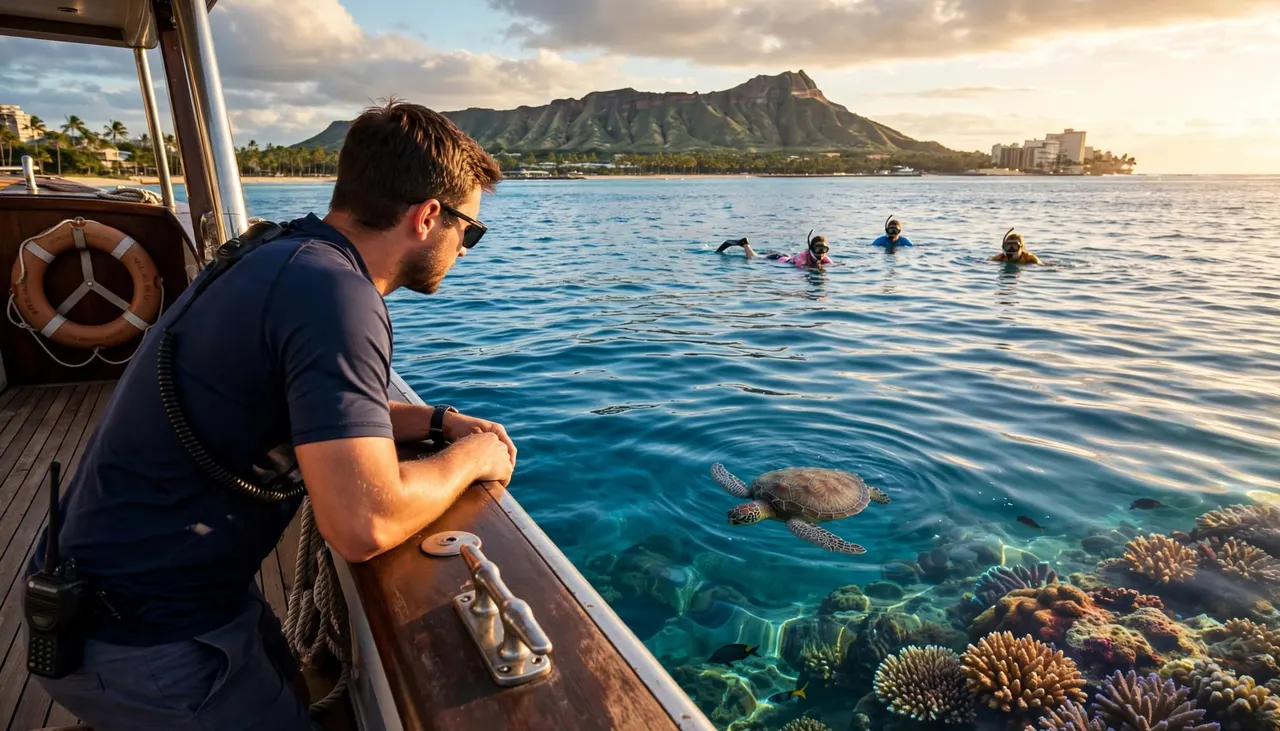
A deckhand may point out a turtle and remind you to let it pass without blocking its route. Hawaiian green sea turtles, known locally as honu, are protected wildlife.
NOAA’s Hawaii wildlife viewing guidance warns against touching, chasing, or feeding sea turtles and other marine animals. The agency also advises visitors to avoid disturbing resting animals on shore.
NOAA recommends giving sea turtles at least 50 yards of space whenever possible, even when a close encounter feels tempting.
The NOAA marine life viewing guidelines explain why distance protects both the animal and the person watching it.
They Help You Avoid Reef Damage
Coral reefs are living communities, not underwater handrails. Deckhands and snorkel guides remind guests to float horizontally, avoid standing on coral, and keep fins clear of the reef.
A gentle kick and good buoyancy let you watch fish without stirring sand or scraping the bottom. Your small choices help keep Turtle Canyons healthy for the next group of swimmers.
A Deckhand Reads Conditions You May Not Notice
You may notice sunshine and blue water. A deckhand also watches wind direction, swell, boat traffic, shifting clouds, and how guests are handling the motion.
That awareness helps the crew decide when to adjust seating, slow the pace, or change the order of activities. You may not see every decision, but you benefit from them.
They Help Reduce Discomfort on the Water
If you are prone to motion sickness, tell the crew before departure. A deckhand can suggest fresh-air seating, a spot near the center of the boat, or a time to rest before the ocean feels rougher.
The Lokahi’s SeaKeeper stabilization system also reduces side-to-side roll. It cannot erase every ocean movement, yet a steadier ride helps many guests relax and enjoy their time outside.
They Keep an Eye on Changing Weather
Oahu’s weather can vary across a short distance. Clouds may build offshore while Waikiki stays bright, and wind can change the comfort of an upper deck.
The captain makes final navigation decisions. Meanwhile, the deckhand helps communicate what guests should do, whether that means holding a rail, moving to a covered area, or staying seated.
Deckhand Duties Change With Each Type of Tour
The rhythm of a deckhand’s shift depends on the kind of trip you choose. Snorkel outings need gear support and swimmer counts, while sightseeing cruises place more attention on guest comfort and safe movement around the deck.
That flexibility matters because a family with first-time snorkelers needs different help than a couple watching the sunset over Diamond Head.
On Turtle-Canyon Snorkel Trips
A deckhand prepares snorkel gear, explains the swim platform, and helps keep the boat orderly while guides support guests in the water. You can expect reminders about floating calmly and giving honu room to move.
If sea turtles are high on your Hawaii wish list, CHECK AVAILABILITY for a Turtle Canyons outing with professional guidance.
On Family Wildlife Cruises
Family-focused cruises may include extra deck activity, such as a waterslide, trampoline, or floating lily pad. Here, deckhands manage timing and movement so guests aren’t crowding the same area.
They can also help parents understand when children should wait, where towels and shoes belong, and how to return to the boat after water play. A clear routine gives everyone more room to enjoy themselves.
On Sunset, Fireworks, and Whale Watches
Sunset cruises shift the focus toward seating, photo opportunities, and comfortable service as daylight fades. Fireworks nights add low-light deck awareness, so following crew directions becomes even more important.
During whale season, deckhands scan the horizon and help guests move safely to viewing areas. NOAA’s Hawaiian Islands humpback whale recreation guidance reminds visitors that marine wildlife must never be touched, handled, or ridden.
How You Can Work Well With Your Deckhand
You do not need boating experience to be a great guest. Clear communication and a few simple habits help the crew give you better support.
Tell your deckhand if you are anxious in the water, get motion sickness, have a child who needs extra help, or want to return from snorkeling early. That information helps the crew respond before a small concern grows.
A few habits make a difference:
- Listen to the safety briefing, even if you have snorkeled before.
- Keep bags and loose items in the designated storage area.
- Hold rails when walking while the boat is moving.
- Ask for a different mask or fin size before entering the water.
- Let wildlife approach on its own terms, then watch from a respectful distance.
A deckhand appreciates awareness from guests, too. When you follow directions, you help create a safer, calmer outing for everyone aboard.
Choose a Waikiki Boat Tour With a Strong Crew
The boat’s photo-worthy views matter, but the people operating the trip shape your day. Look for a company that provides clear safety information, quality equipment, clean amenities, and a crew that treats wildlife with respect.
Ask whether beginners receive instruction and whether trained guides join swimmers in the water. If you are traveling with children, confirm the age guidance and ask how the crew handles water entry and exits.
A knowledgeable deckhand gives you more than help with gear. You gain confidence, practical local insight, and a crew member who cares about the small details that make an ocean outing feel welcoming.
Your Time on the Water Starts With the Crew
A deckhand is part safety guide, part host, part problem-solver, and part guardian of the boat’s rhythm. Their work helps you enjoy a Waikiki boat tour with more comfort and less uncertainty.
When you listen to the crew, use your gear correctly, and observe wildlife with care, you leave with more than photos. You carry home a stronger connection to Oahu’s ocean and the living creatures that depend on it.


