
Waikiki boat tour deck access: questions to ask before booking
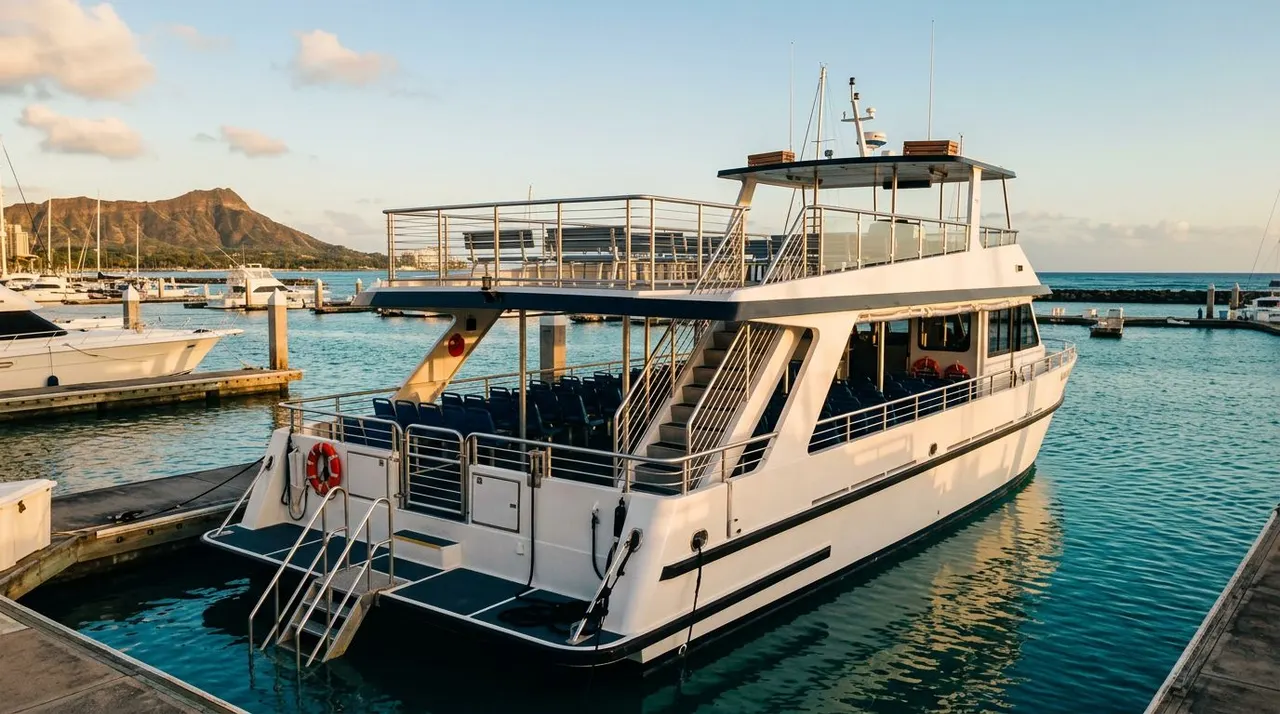
A Waikiki boat tour can look perfect online, but photos rarely show how easily you can move around once you board. If you need shade, want a clear view, plan to snorkel, or travel with children, deck access can shape your entire day.
Before booking, ask where you can sit, how you reach the upper deck, whether a water-entry platform is available, and how the crew helps guests. Living Ocean Tours operates minutes from Waikiki at Kewalo Basin Boat Harbor, with double-decker vessels designed for sightseeing, snorkeling, and relaxing on the water. Start with the deck details, then choose the experience that fits your group.
Why deck access matters on a Waikiki boat tour
A boat’s deck layout affects far more than your view. It influences your comfort, your route to the restroom, your access to shade, and how easily you enter the water.
When you know what to ask, you can avoid booking a boat that looks spacious but feels difficult to use. You can also choose the right area for your plans, whether you want ocean views, a protected seat, or quick access to the snorkeling ladder.
Upper, lower, and water-entry decks serve different purposes
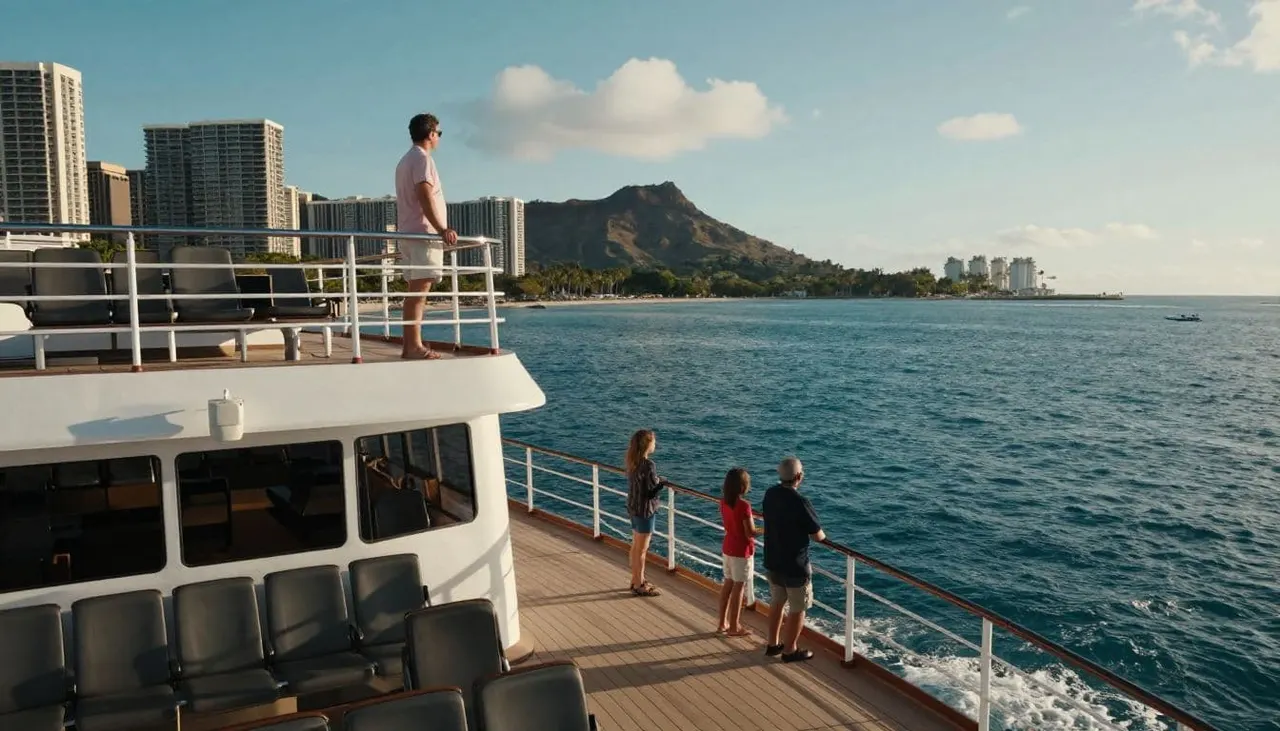
The upper deck usually offers the widest views and the strongest breeze. It is often the best place to watch Diamond Head, photograph the coastline, or enjoy the changing colors during a sunset cruise.
A lower deck normally provides shade and easier access to seating. It may also keep you closer to the restroom, dry storage, and crew members. On snorkeling trips, the swim platform is a separate area with ladders that lead into the water.
Ask whether access stays open during the trip
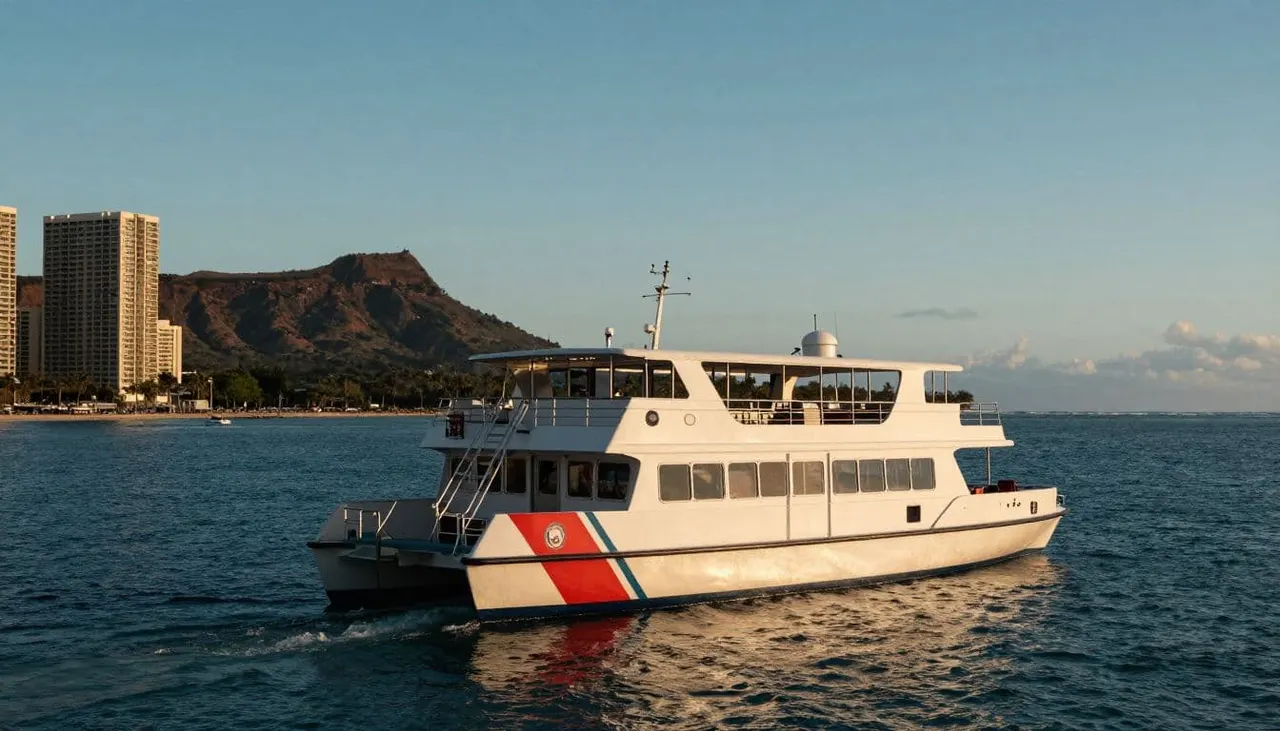
Some operators limit movement between decks while the boat travels. Others allow you to move around when conditions permit. That difference matters if you want to change your view, find shade, or sit with family members in different areas.
Ask whether passengers can use the stairs throughout the trip, whether crew members guide movement during rougher water, and whether the upper deck closes during certain activities. A clear answer helps you plan instead of making assumptions after departure.
The Federal Register’s boarding guidance notes that passengers should not need to jump a significant distance when boarding a survival craft. For a recreational tour, you should still ask how boarding, water entry, and exits work before you reserve a seat.
Questions to ask before booking a Waikiki boat tour
A short call or message can answer the details that booking pages often leave out. Use direct questions, especially if someone in your group has limited mobility, gets seasick, or needs regular access to shade.
Can every passenger use the upper deck?
Ask if the upper deck is open to all passengers or restricted during certain portions of the trip. Find out whether access requires stairs, a ladder, or a narrow passage.
You should also ask about railings and available seating. A wide, open deck with secure rails feels different from a small viewing area where guests must stand. If you travel with children, confirm that adults can remain close while the boat is underway.
How do you move between decks?
A good question is, “Can I move between the upper and lower decks during the cruise?” Follow it with, “When is movement restricted?”
Crew instructions may change during departure, snorkeling, docking, or rough conditions. You need to know when you can retrieve a towel, move into shade, or join a family member on another level.
Where are the shade, restrooms, and dry storage?
Ask where shaded seating is located and whether it has a clear view of the water. Then ask where the restroom sits relative to the main seating areas.
Dry storage also matters. A secure place for wallets, room keys, and small personal items lets you enjoy the trip without keeping everything on your lap. You should still bring only what you need, because open decks have limited personal space.
Can you choose your seating?
Some trips use open seating, while others may have assigned areas or a recommended boarding order. Ask when you should arrive if you want a particular deck.
Arriving early can help you settle in, but it doesn’t always guarantee an upper-deck seat. The operator should explain how seating works so you can make a realistic plan.
Open views or shade: choose the deck that fits your day
Your ideal deck depends on the activity, weather, and people in your group. Couples may prefer the upper deck for a sunset, while families may appreciate quick access to shade and restrooms.
The upper deck suits sightseeing and sunset views
An open upper deck gives you a broader view of the Waikiki shoreline. You can watch surfers, see Diamond Head from the water, and follow the sun as it drops toward the horizon.
Bring sun protection even when the air feels cool. A hat with a secure fit, reef-safe sunscreen, sunglasses, and a light cover-up can make the upper deck more comfortable. Ask whether the railings provide a clear seated view or if standing is necessary.
The lower deck helps you manage sun and wind
Shade becomes useful when you spend several hours outdoors. It also gives young children a place to cool down between activities.
A shaded lower deck doesn’t need to feel separate from the experience. Look for boats with open sides, clear sightlines, and seating near the water. That arrangement lets you stay comfortable without losing the view.
Deck access matters most on snorkeling trips
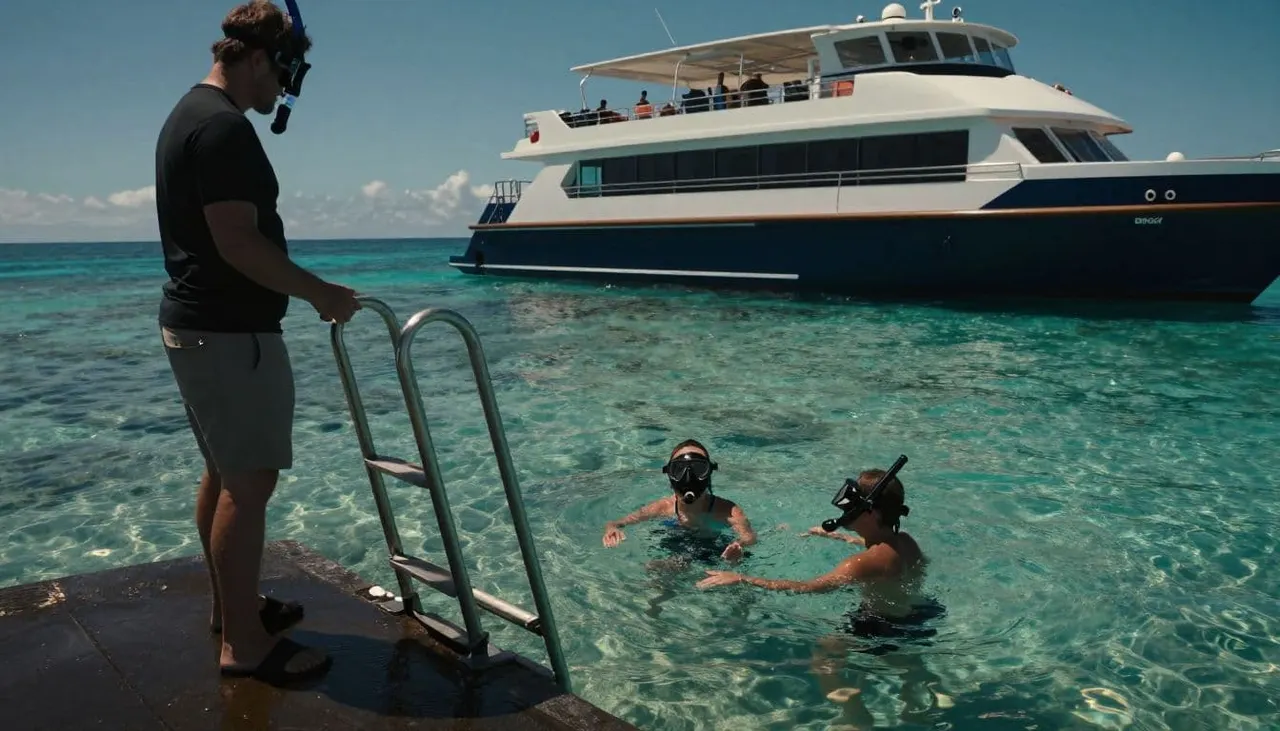
Snorkeling adds another access point to your checklist. You need to board the vessel, reach the swim platform, enter the water, and climb back aboard without rushing.
Ask how the boat supports beginners. A professional crew should explain the ladder, water depth, flotation equipment, and return process before guests enter the water.
Look for a dedicated swim platform
A swim platform gives you a clear place to enter and exit the ocean. It should have enough room for guests to wait without crowding the ladder.
Ask whether the platform remains available throughout the snorkeling stop. Also confirm whether you can sit on the platform before entering the water, especially if you need a moment to adjust your mask or fins.
Ask about ladders, handrails, and crew support
A heavy-duty ladder with comfortable steps can make returning to the boat much easier. You should ask if it has handrails on both sides and whether the crew assists guests who need help.
You shouldn’t have to make a large jump into the ocean. The crew should explain water entry clearly and tell you how to signal for assistance. The U.S. Coast Guard’s boating safety information is a useful reference when you compare an operator’s safety practices.
Deck questions for families and guests with mobility concerns
You don’t need to be an experienced swimmer to enjoy a boat trip, but you do need accurate information about movement and support. Ask questions before you arrive, not after the boat leaves the harbor.
Families should ask about children and supervision
Living Ocean Tours welcomes guests ages 3 and older on its family-friendly experiences. If you bring children, ask where they can sit during transit and how close adults can remain while they move around the vessel.
For snorkeling, ask about flotation devices, crew instruction, and the easiest route to the water-entry area. Children may want the excitement of the upper deck, but shade and a stable seat can matter more after time in the sun.
Set a simple rule before boarding: walking only on deck, hands away from railings, and listening to crew instructions. That keeps movement predictable for everyone.
Guests with limited mobility should ask for specific details
“Is the boat accessible?” can produce a vague answer. Ask instead whether you can board without climbing steep steps, reach a restroom easily, and sit near your preferred area.
You should also describe your needs clearly. Tell the operator if you use a cane, have difficulty with stairs, need extra time, or cannot climb a vertical ladder. The crew can then explain what is practical for that vessel and activity.
The answer may differ between a sightseeing cruise and a snorkeling trip. A guest who can board comfortably may still need support reaching the swim platform.
Motion, stabilization, and the best place to sit
Deck position can affect how much motion you feel. The upper deck may catch more wind, while the bow can rise and fall more noticeably in certain conditions. Seats closer to the middle of the boat often feel steadier.
Ask the operator which areas they recommend for guests who are sensitive to motion. Also ask whether the vessel has stabilization technology and how the crew responds if conditions change.
Choose comfort before the most dramatic view
A beautiful view matters, but you won’t enjoy it if you spend the trip feeling unwell. If motion concerns you, select a shaded seat near the center of the vessel and keep your eyes on the horizon.
Eat a light meal before departure and carry water. Avoid arriving dehydrated or overly full. If you use motion-sickness medication, follow your medical provider’s advice about timing.
Ask which vessel operates your departure
A company may use different boats for different schedules. Ask which vessel is planned for your date and what deck features it has.
Living Ocean Tours operates the Coral Kai and the Lokahi, both Coast Guard-inspected, custom-built double-decker vessels. The Coral Kai has expansive open-deck space. The Lokahi includes a cash bar, an upper-deck waterslide, and a SeaKeeper stabilization system that reduces rolling motion.
Both vessels include shaded seating, onboard restrooms, dry storage, and heavy-duty ladders for water entry. You can review the available Waikiki boat tours from Living Ocean Tours before deciding which deck setup suits your group.
How Living Ocean Tours handles deck access
Living Ocean Tours departs from Kewalo Basin Boat Harbor, a short drive from Waikiki Beach. The location gives you access to the Waikiki coastline without a long transfer to a distant harbor.
The company’s professional snorkel guides help first-time swimmers, families, and experienced ocean guests understand the vessel and the water conditions. Living Ocean Tours is the only tour company with professional snorkel guides, so you receive guidance that covers more than basic boat procedures.
You get more than an upper-deck view
The Coral Kai offers plenty of open-deck space for guests who want sun and broad ocean views. The Lokahi focuses on comfort with stabilization, a cash bar, and water-play features on select cruises.
Both boats give you practical amenities that matter during a longer outing. You can move between sightseeing and relaxation without giving up access to shade, restrooms, storage, or the swim platform.
The crew keeps wildlife encounters respectful
During snorkeling and wildlife trips, the crew explains how to observe animals without touching or chasing them. That approach protects Hawaiian Green Sea Turtles, reef fish, coral, and the wider marine environment.
You should follow the simple rule of observing, not touching. Keep a respectful distance, listen to your guide, and avoid standing on coral. These choices protect the places you came to enjoy.
Reviews can help you compare the guest experience, especially when you want friendly guidance and a comfortable boat layout.
When you’re ready to compare dates and vessel options, check current availability before your preferred day fills.
Match the deck to your Living Ocean Tours experience
The right questions change slightly depending on your planned activity. Snorkeling requires water-entry details, while sunset and fireworks cruises place more focus on seating and sightlines.
Turtle Canyon snorkeling needs easy water access
The Turtle Canyon Snorkel Excursion takes you to a natural underwater cleaning station known for Hawaiian Green Sea Turtle sightings. Living Ocean Tours reports a 95% success rate for spotting turtles on this excursion.
Ask how quickly you can reach the swim platform from the main seating area. You should also ask about ladder steps, flotation equipment, and how the professional snorkel guides support beginners.
You can review the Turtle Canyon snorkel experience and compare departure details before booking. If the deck and water-entry setup fit your group, CHECK AVAILABILITY.
The deluxe cruise adds space for water play
The Deluxe Waikiki Snorkeling and Wildlife Cruise visits a less-crowded reef and adds a waterslide, water trampoline, and floating lily pad. Those features make the route between decks and the swim platform especially important.
Ask where children wait before using the water features and how the crew controls access. You should also confirm which areas remain available for guests who prefer to snorkel, sit in the shade, or skip the activities.
The Deluxe Waikiki snorkeling cruise gives families more ways to use the boat. When the deck layout matches your plans, CHECK AVAILABILITY.
Cruise decks for sunsets, fireworks, and whales
Sightseeing cruises use the boat differently than snorkeling trips. You may stay aboard the entire time, so seating, shade, railings, and sightlines become your main concerns.
Sunset cruises reward flexible seating
A Waikiki Sunset Cruise can include BYOB or cash-bar options, depending on the departure. Ask which deck offers the best sunset view and whether you can move after the boat leaves the harbor.
Couples often prefer an open upper deck for the coastline and evening light. If you want a calmer, shaded ride, ask about lower-deck seating with an unobstructed view.
You can CHECK AVAILABILITY for a Waikiki sunset cruise that fits your schedule.
Fireworks cruises need a clear viewing area
For a Friday Night Waikiki Fireworks Cruise, ask where you can watch the display without a mast, roof, or another deck blocking your view. Confirm whether guests may stand or move during the show.
Railings matter after dark. Choose a position where you can see the fireworks while keeping both feet on a stable deck. Crew instructions may limit movement when the boat turns or returns to the harbor.
You can CHECK AVAILABILITY for the Friday night fireworks departure.
Whale watching depends on open sightlines
Humpback whale watching tours run seasonally from January through March. Because whales can surface in different directions, an open deck gives you more chances to follow activity around the boat.
Ask whether guests can move between viewing areas and where the crew recommends sitting. You should also ask if the captain or guide announces sightings so everyone can turn toward the same area.
A professional guide can help you identify whale behavior while keeping the group respectful of the animals. The best viewing position is one that offers a clear sightline without crowding the rail.
If whale season fits your trip, CHECK AVAILABILITY before planning the rest of your day.
A simple deck-access checklist before you book
Save these questions in your phone or send them to the operator:
- Can all passengers use the upper deck, and does access require stairs?
- Can you move between decks while the boat is underway?
- Where are the shaded seats, restrooms, and dry-storage areas?
- Does the vessel have a dedicated swim platform?
- How many steps does the water-entry ladder have?
- Do both sides of the ladder have handrails?
- Will crew members help children, beginners, or guests who need extra time?
- Which vessel operates your departure, and does it have stabilization technology?
- Can you choose your seat, or should you arrive early for a preferred deck?
- What happens if wind, waves, or another condition changes the deck plan?
Clear answers show that the operator understands how guests use the boat. They also help you choose a tour that feels comfortable before the first wave reaches the hull.
Conclusion
Deck access can shape your Waikiki boat tour as much as the destination itself. Ask about stairs, shade, seating, railings, restrooms, water-entry ladders, and movement between levels before you book.
Living Ocean Tours combines open viewing areas, shaded seating, onboard amenities, professional snorkel guides, and stabilized vessel options near Waikiki. When you match the deck layout to your group’s needs, you can spend less time worrying about access and more time enjoying the Pacific.


