
Waikiki Boat Smoking Rules Before You Sail
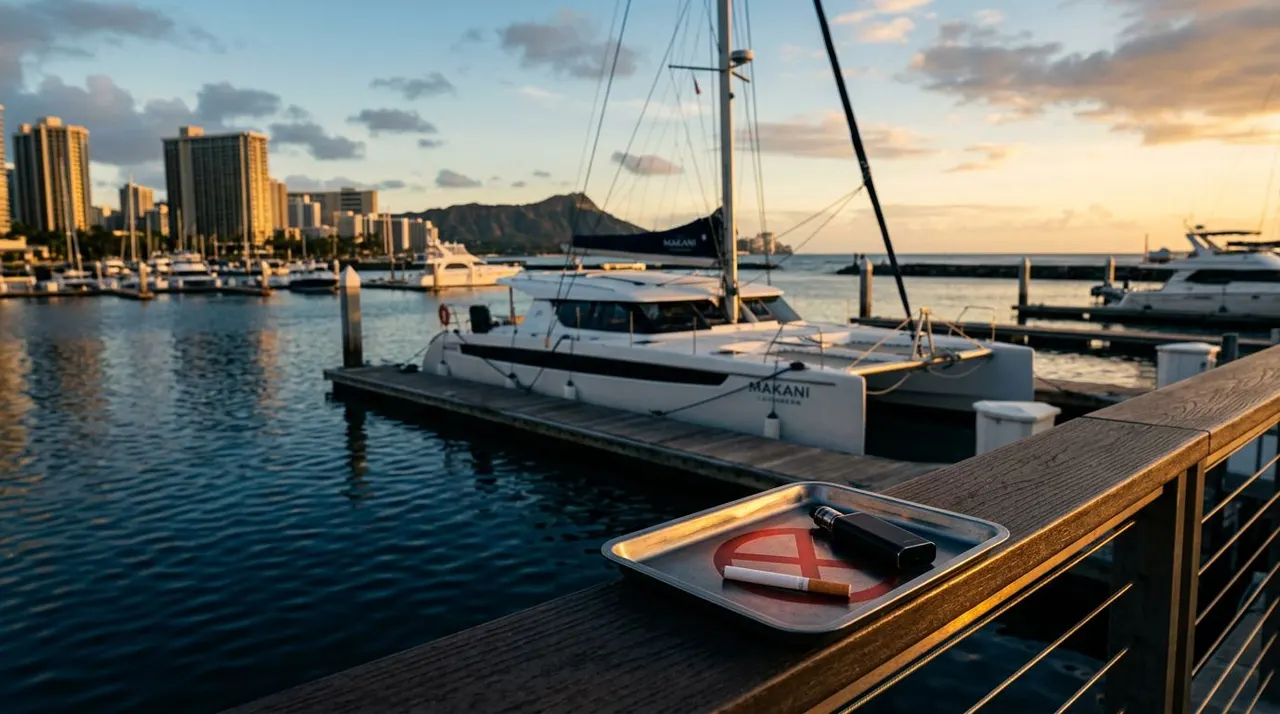
A cigarette or vape can turn into a boarding problem if you don’t understand the Waikiki boat smoking rules before your tour begins. Most passenger excursions expect a completely smoke-free experience, even when guests spend time on an open-air deck.
The same caution applies to vaping. Hawaii treats electronic smoking devices as smoking wherever state law prohibits smoking, and each captain can set stricter rules for the entire vessel. You should know what is allowed at the dock, during fueling, and onboard before you arrive at Kewalo Basin Boat Harbor.
Waikiki boat smoking rules: the short answer
You should plan to avoid smoking and vaping throughout your boat tour unless your tour operator clearly identifies a designated area. On many Waikiki excursions, no designated smoking area exists because the boat has shared seating, enclosed spaces, fuel systems, children, snorkeling equipment, and guests who are sensitive to smoke or vapor.
Hawaii’s Clean Indoor Air law prohibits smoking in enclosed or partially enclosed public places, workplaces, and public transportation facilities and vehicles. The state’s electronic smoking device guidance extends those restrictions to vapes and e-cigarettes. You can review the background in this summary of Hawaii smoking bans.
An open upper deck doesn’t automatically mean you can light a cigarette. A boat operator may prohibit smoking and vaping on every deck, including outdoor seating, swim platforms, boarding areas, and the dock. The captain’s instructions apply during the excursion, even if a particular spot seems well ventilated.
| Situation | What you should expect |
|---|---|
| Inside the cabin or restroom | Smoking and vaping aren’t allowed |
| Shared outdoor deck | Assume smoking and vaping are prohibited unless crew says otherwise |
| Boarding and dock area | Follow posted harbor and operator rules |
| Near fuel operations | Smoking and open flames are prohibited within 50 feet |
| Snorkeling platform or swim ladder | Keep cigarettes, vapes, lighters, and matches put away |
| Children or guests under 21 | Hawaii prohibits tobacco and electronic smoking device use by people under 21 |
The safest approach is simple: don’t use tobacco or vape products on the boat. If you need nicotine during the trip, ask about the policy before check-in and plan for the full time away from shore.
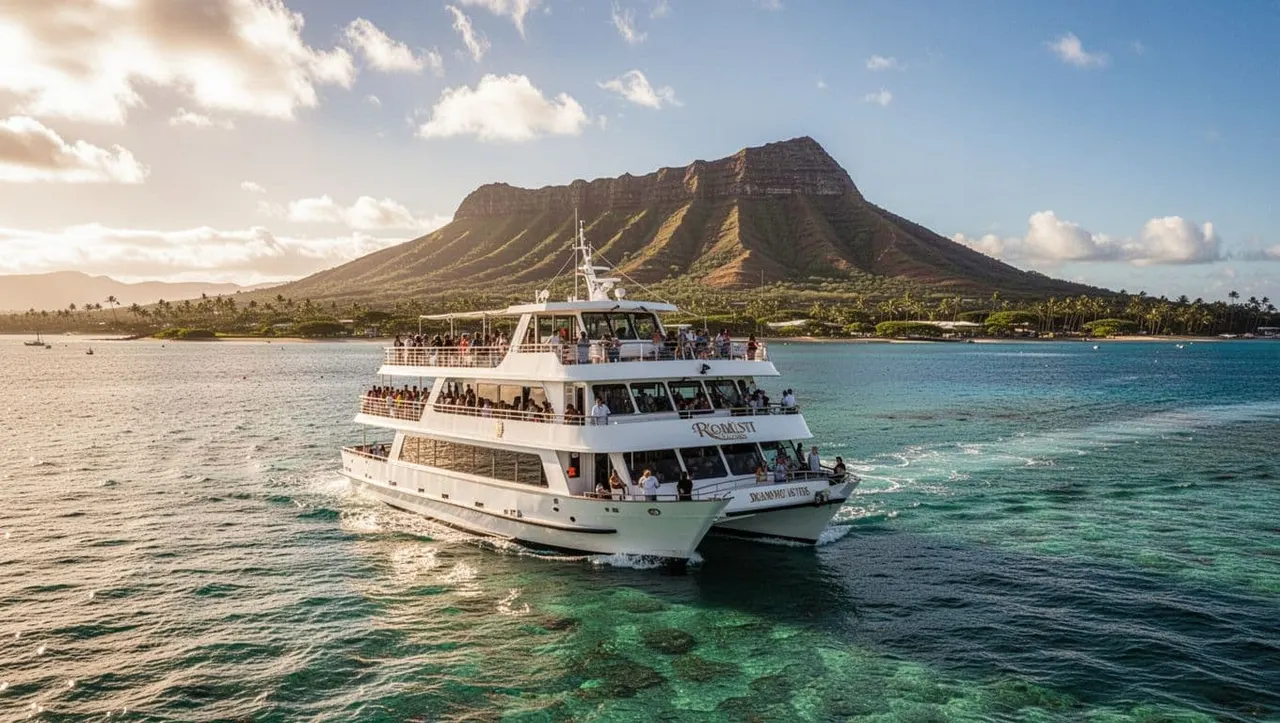
A double-decker boat heads along the Waikiki coastline, where vessel and harbor rules apply before departure and during the cruise.
Why vaping follows the same restrictions
Many travelers assume vaping is different because it doesn’t produce cigarette smoke. On a passenger boat, that distinction usually doesn’t change the rule. Hawaii’s Department of Health says electronic smoking devices are prohibited anywhere smoking is prohibited under state law.
That category includes common products such as:
- Rechargeable vape pens
- Disposable electronic cigarettes
- Pod systems
- E-liquids used with electronic smoking devices
- Other devices that create an inhaled aerosol
Vapor also affects shared spaces. Wind can carry the aerosol across nearby seats, toward children, or into a partially enclosed cabin. The scent can remain around a seating area, especially when several people share the same deck.
A crew member may ask you to stop vaping even if you aren’t near an indoor area. That request protects the comfort of everyone onboard and follows the vessel’s operating policy. Arguing that a vape is not a cigarette won’t change the captain’s authority to regulate its use.
The Hawaii rules also matter before and after the boat ride. State guidance prohibits smoking in state or county facilities and restricts smoking within 20 feet of entrances, exits, operable windows, and ventilation intakes at covered public places or workplaces. A hotel sidewalk, marina building, or terminal may have its own posted restrictions.
Hawaii’s minimum age for tobacco products and electronic smoking devices is 21. If you’re traveling with a younger guest, don’t share a vape or tobacco product, and don’t leave a device where a child could pick it up.
A public report on vaping restrictions also describes the connection between vaping bans and places where smoking is already prohibited. The practical takeaway remains the same: treat a Hawaii boat tour as smoke-free unless the operator tells you otherwise.
What the rule means on a tour boat
A Waikiki excursion boat has more moving parts than a beach chair or hotel balcony. Guests walk between decks, crew members handle lines and safety equipment, and the vessel may pause for snorkeling, wildlife viewing, or boarding passengers. Smoke and vapor can affect all of those activities.
The boat’s interior is the clearest case. Cabins, restrooms, enclosed stair areas, and partially enclosed seating areas are shared public spaces. Smoking or vaping in these areas is not appropriate and may violate state restrictions.
Outdoor spaces still require care. A breeze doesn’t remove the risk from a dropped cigarette, hot ash, or a lighter. Dry storage, life jackets, ropes, cushions, and fuel-related equipment are all nearby. A cigarette can also blow overboard, where the filter becomes marine debris.
The crew may also restrict use near:
- Fuel docks and fueling hoses
- Boarding ramps and gangways
- Swim platforms
- Snorkel entry points
- Lower-deck seating
- Food and beverage service
- Children and family seating areas
You shouldn’t try to step aside and vape behind a rail. The crew needs to know where guests are, especially while the boat is underway or preparing to enter the water. Moving to an unapproved corner can create a safety issue and make it harder for staff to give instructions.
A tour boat is also a close social space. Even when you’re outside, other passengers sit within a few feet of you. Some may have asthma, allergies, pregnancy-related concerns, or a strong sensitivity to nicotine odors. A smoke-free policy gives everyone a more comfortable ride.
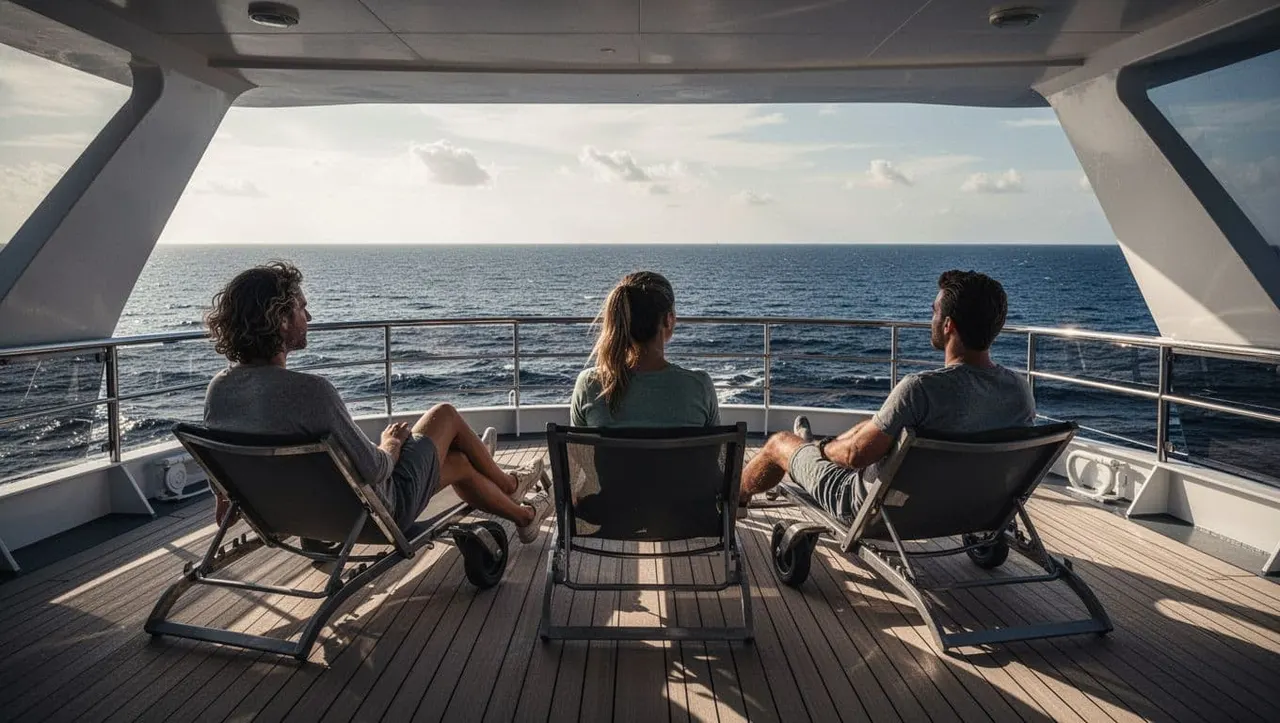
Shared upper-deck seating gives every passenger a clear view, but it also means smoke and vapor quickly affect nearby guests.
Dockside smoking and fueling restrictions
Your responsibilities begin before the vessel leaves the harbor. Kewalo Basin Boat Harbor is an active marine facility, so you need to follow posted signs, crew instructions, and harbor safety rules while you wait.
Hawaii small boat harbor rules prohibit smoking where signs say it is prohibited. Separate harbor restrictions prohibit smoking, matches, and other fire-producing devices within 50 feet of fueling operations, whether or not a sign appears nearby.
That 50-foot rule matters because a tour boat may be preparing for departure while another vessel fuels nearby. You might see crew members handling hoses, checking equipment, or moving passengers at the same time. Never assume that a quick cigarette near the slip is harmless.
You should also avoid vaping near fueling operations. Although a vape doesn’t create the same visible flame as a lighter, it is still an electronic smoking device, and the operator may prohibit it in the same safety zone. Follow the broader rule instead of trying to interpret the difference yourself.
Look for designated areas only if the harbor or operator provides one. A smoking area must be plainly identified. Do not create your own spot beside a parking lot, dock gate, ramp, or neighboring boat.
If you’re meeting your group at the harbor, arrive with your vape or tobacco products stored securely. Keep them away from direct sun, water, children, and loose gear. Never place a hot item in a dry bag, life jacket pocket, or trash container.
The dock is also where late arrivals can create pressure. If you need to smoke before boarding, leave enough time to locate an approved area and return for check-in. Once the crew begins boarding, you may not have another opportunity.
How to prepare for a smoke-free cruise
Planning takes only a few minutes, but it can prevent an uncomfortable conversation at the dock. Check your confirmation email first. Tour operators often list their smoking and vaping policy with arrival instructions, age requirements, alcohol rules, and safety information.
If the policy isn’t clear, contact the operator before your tour. Ask direct questions:
- Is smoking prohibited on the full vessel or only indoors?
- Does the rule include vaping and heated tobacco devices?
- Does the policy apply during boarding and at the dock?
- Is there a designated area, or must you wait until returning to shore?
- Where should you store a vape, lighter, or tobacco product?
- What happens if you need nicotine during a longer cruise?
The answer may be a full no-smoking policy. That is common for snorkeling trips and sightseeing cruises with shared decks. You should plan around that answer rather than expecting an exception.
For a two-hour excursion, many guests simply leave tobacco products in their hotel room or vehicle. If you bring a vape, switch it off and store it safely. Don’t leave a device loose in a pocket where it can fall into the water during snorkeling.
Nicotine gum, lozenges, or patches may help you manage the time away from shore, but you should ask your medical professional which option fits your needs. Don’t assume that every nicotine product is allowed in every area. The operator can still control what guests use onboard, especially during meals, safety briefings, or activities.
You should also tell your travel companions about the policy. A group member who expects to smoke during a sunset cruise may need a different plan than someone who can wait until the boat returns.
How smoking rules affect different Waikiki cruises
The reason for a smoke-free policy can feel different depending on your itinerary, but the practical rule stays consistent.
Snorkeling trips
Snorkel tours combine shared seating, moving equipment, swim ladders, and time in the water. A cigarette or vape can become a distraction during safety instructions or while guests prepare to enter the ocean.
You also need both hands free when using a ladder. Store all devices before you move toward the swim platform. Never carry a lighter, cigarette, or vape into the water, even inside a pocket.
Guided tours add another consideration. Professional snorkel guides need to watch guests, explain reef etiquette, and respond to changing ocean conditions. A smoke-free deck helps keep attention on the group and the marine environment.
Sunset cruises
Sunset cruises often include open-deck seating and may offer BYOB or cash-bar options. Drinks don’t change the smoking policy. If you want to enjoy the sunset with a beverage, you still need to keep tobacco and vaping products stored unless the crew gives different instructions.
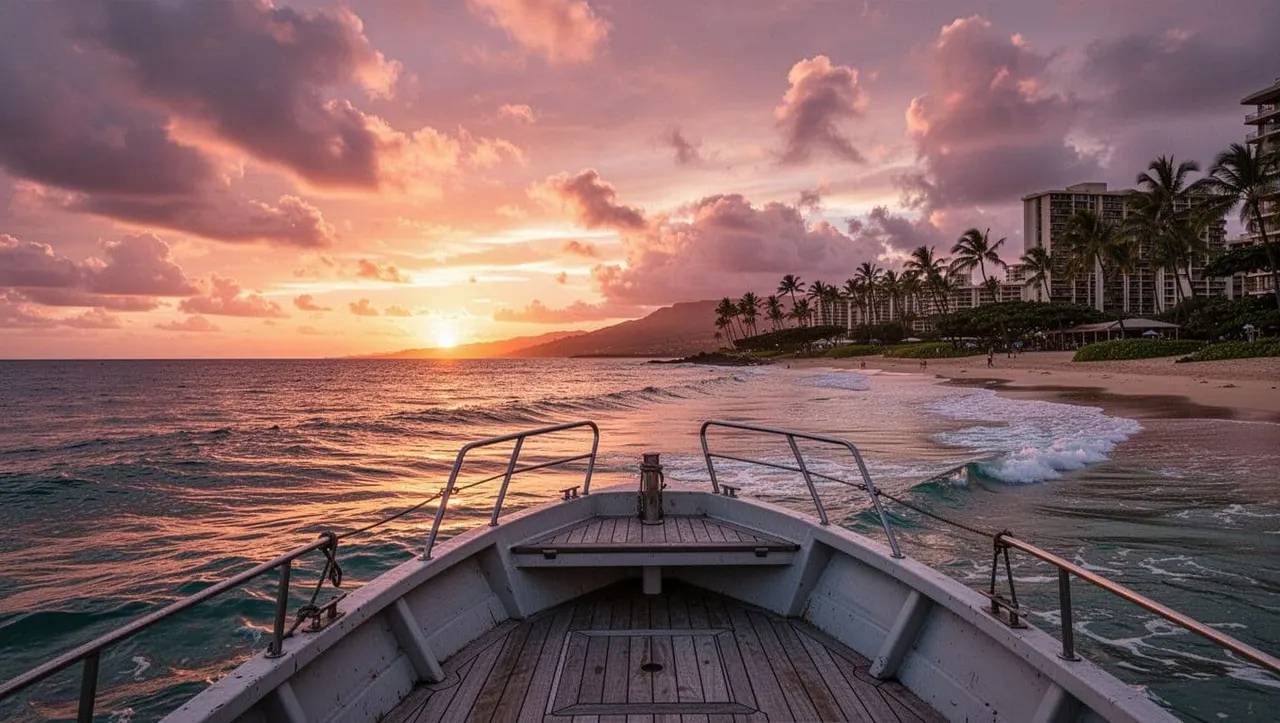
Sunset cruises offer open ocean views without requiring guests to smoke or vape on deck.
Whale-watching trips
Seasonal whale-watching tours operate during Hawaii’s humpback season, generally from January through March. Guests often spend long periods scanning the horizon, so smoke can affect nearby passengers who are trying to enjoy a quiet viewing experience.
Wildlife tours also call for respectful behavior. Keep all waste onboard, including cigarette filters and vape cartridges. Never throw anything into the ocean.
Friday night fireworks cruises
Fireworks cruises gather passengers on the deck at a set viewing time. Smoke can block views, irritate nearby guests, and create an added hazard while people move around to see the display.
During the show, follow crew directions about where to stand and when to remain seated. A vape light or cigarette ember can also distract people in a darkened area, so keep devices stored for the entire cruise.
What to expect from Living Ocean Tours
Living Ocean Tours operates from Kewalo Basin Boat Harbor, just minutes from Waikiki Beach. Its double-decker vessels, the Coral Kai and the Lokahi, offer shaded seating, restrooms, dry storage, and sturdy ladders for water entry.
The Lokahi includes a SeaKeeper stabilization system that reduces rolling in the water. That added stability can make the ride more comfortable for families, first-time snorkelers, and guests who worry about seasickness. Still, vessel comfort doesn’t change the need to follow smoking, vaping, and safety instructions.
Living Ocean Tours offers Turtle Canyons snorkeling, a deluxe snorkeling and wildlife cruise, sunset cruises, Friday fireworks cruises, seasonal whale watching, and private charters. The company is the only tour company with professional snorkel guides, giving you in-water guidance during marine excursions.
Its guides also ask guests to observe wildlife without touching it. That standard matters when you visit Hawaiian green sea turtles, tropical fish, and coral reef habitat. Keeping smoke, vape waste, and other litter off the boat and out of the ocean supports the same respect for Hawaii’s marine environment.
You can browse the complete lineup of Waikiki boat excursions before choosing an itinerary. When you book, read the current confirmation details and ask the crew about the exact smoking and vaping policy if you have any uncertainty.
The best preparation is to expect a smoke-free vessel. That lets you focus on the coastline, reef life, sunset, or whales instead of searching for a place to smoke.
What happens if you break the rule?
The crew will usually tell you to stop using the cigarette or vape and put it away. You need to follow that instruction immediately. A continued violation can affect the comfort and safety of everyone onboard.
Depending on the operator’s terms, you could be asked to leave the vessel when it returns to the dock. You may also lose access to the excursion without a refund. The exact consequence depends on the company policy, the captain, and the circumstances.
Smoking near fuel operations creates a more serious safety concern. A lighter, match, or burning cigarette within the restricted area can put crew, passengers, and nearby boats at risk. Staff may stop boarding or move guests away from the area while the hazard is addressed.
You should also avoid hiding a device from the crew. A vape in a restroom or enclosed stairwell can trigger complaints and force staff to interrupt normal operations. Clear communication is easier for everyone.
If you have a medical or nicotine-related concern, speak with the operator before the tour date. The crew may explain how long you’ll be away from shore and what storage options are available. That conversation is far better than trying to solve the issue while the boat is underway.
Conclusion
The Waikiki boat smoking rules are easier to follow when you plan for a smoke-free trip. Hawaii restricts smoking in covered public spaces, vaping follows many of the same restrictions, and harbor rules prohibit smoking near fueling operations.
For your cruise, keep cigarettes, vapes, lighters, and cartridges stored unless the crew identifies an approved area. On a snorkeling trip, sunset sail, whale watch, or fireworks cruise, that simple choice protects your fellow passengers, the crew, and the ocean you came to enjoy.


