
What vessel substitution means for your boat tour
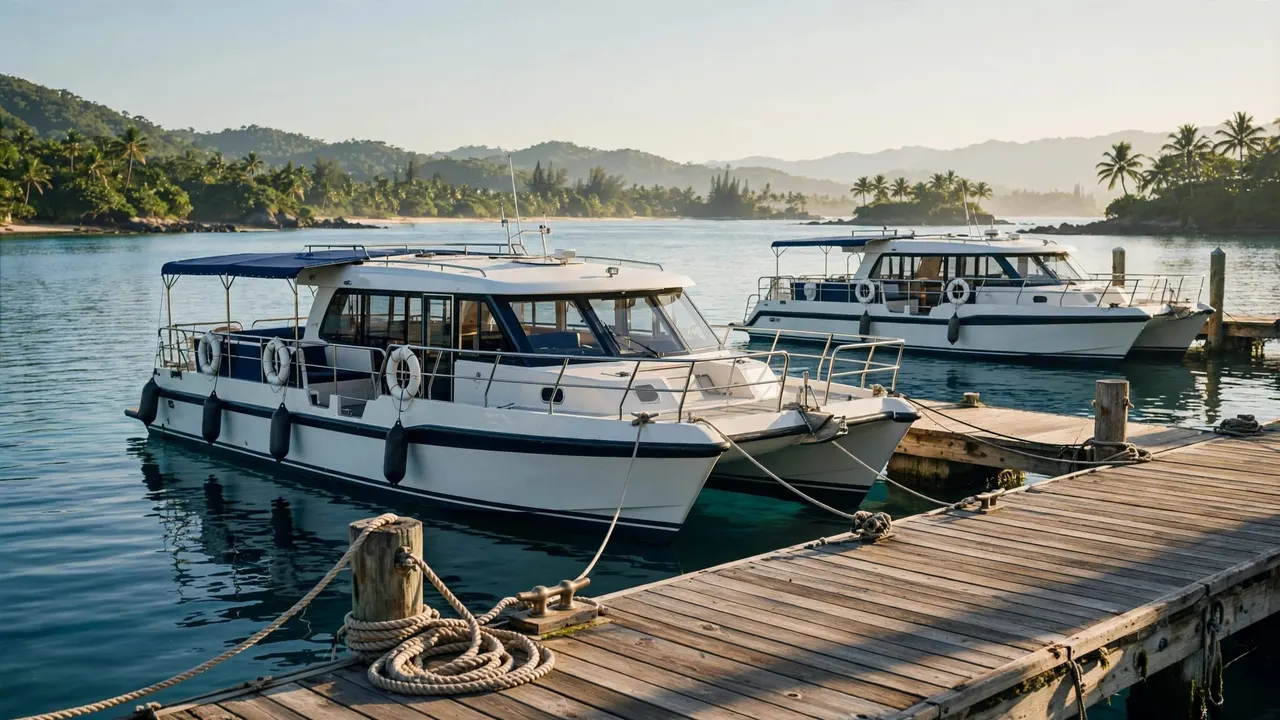
You arrive expecting the boat in your booking photos, but another vessel is waiting at the dock. If you’re booking with Living Ocean Tours, understanding vessel substitution helps you separate a routine boat change from a change that affects your plans.
Your priority is whether the replacement supports the experience you booked, especially if swimming access or family comfort matters. Start by confirming what changes, rather than assuming a different boat means a canceled tour.
What vessel substitution changes in your booking
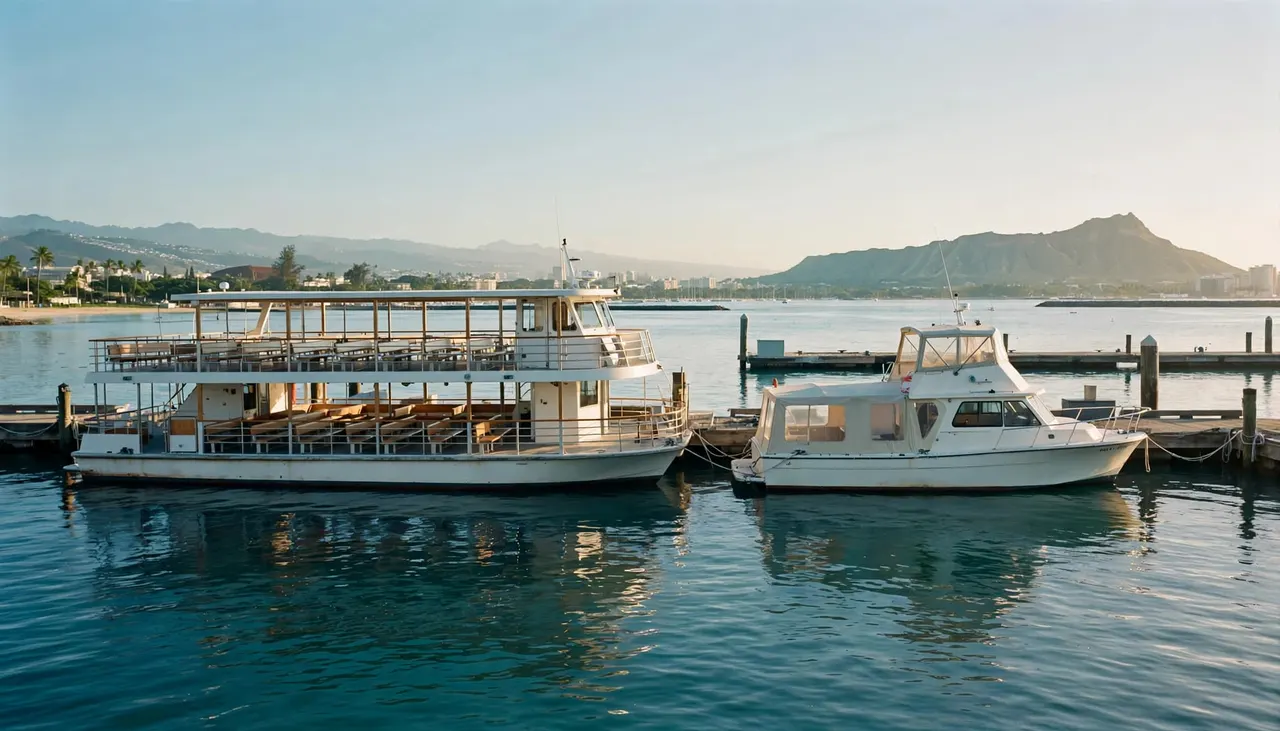
Vessel substitution means the operator uses a different boat for your scheduled outing. The replacement could be another vessel in its fleet or a boat arranged through another operator.
The term alone doesn’t tell you whether amenities, staffing, or departure details remain unchanged.
Your reservation may remain active
A boat change can leave your reservation in place. However, you still need confirmation of the departure time, meeting point, duration, and activities.
Ask whether your confirmation remains valid and whether you need updated boarding instructions. Don’t purchase another departure until you understand what happens to your original booking.
The replacement deserves its own questions
A different boat may have another seating layout, boarding step, or water-entry ladder. Those details matter even when the destination remains the same.
Compare the replacement with what your group needs, rather than judging it only by size. A larger vessel doesn’t automatically offer easier access, more shade, or a more comfortable ride.
Why an operator might change boats
Maintenance, equipment issues, or scheduling needs can lead to vessel substitution. A replacement may allow an outing to proceed while the originally scheduled boat stays at the dock.
However, a substitution doesn’t establish that every boat is suitable for every departure. Ask who operates the replacement and whether it is authorized for the planned passenger service.
The Coast Guard’s passenger-vessel inspection checklist covers safety issues beyond a boat’s appearance. Inspection status matters, but it doesn’t answer your questions about personal comfort or accessibility.
You don’t need to inspect the vessel yourself. Get clear answers from the operator, then follow the captain’s directions for the boat you’re boarding.
Compare comfort and access before accepting a change
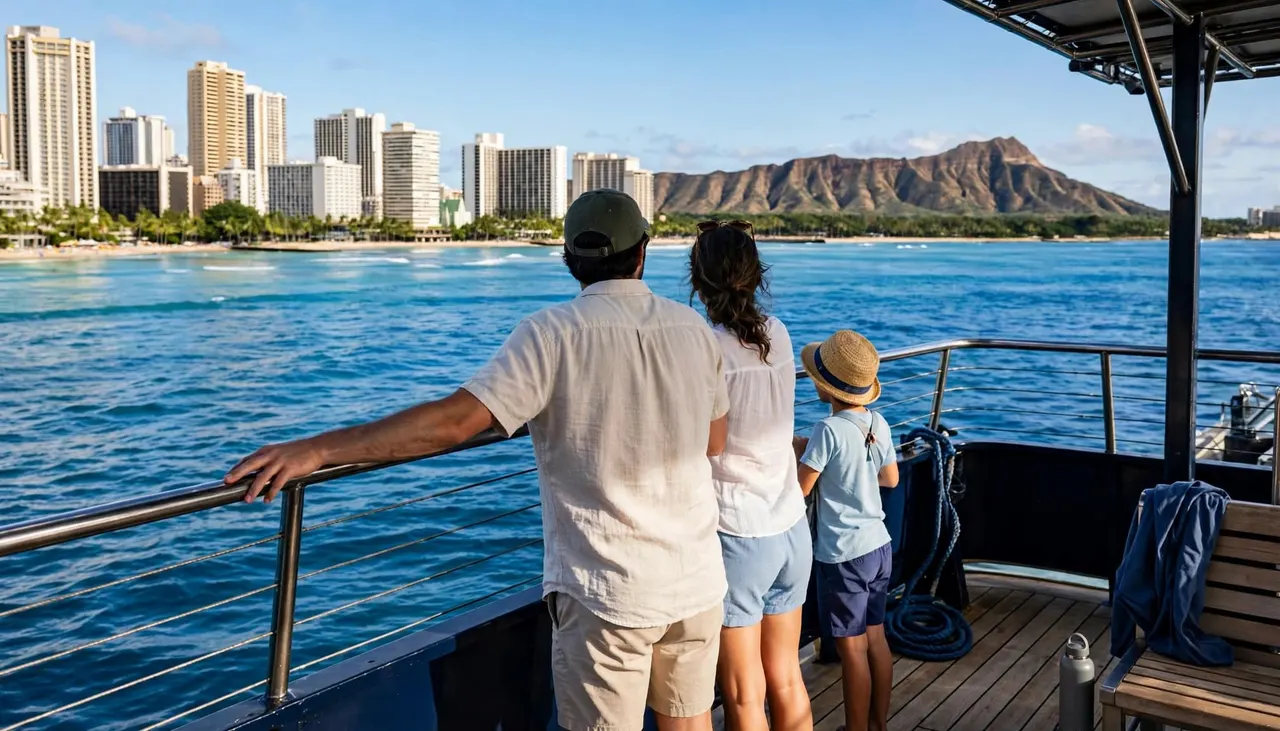
The details that affect your family may differ from those that matter to another passenger. Explain your needs before the departure, especially when a replacement has a different layout.
Seating, shade, and motion
Ask how many guests the operator expects, not only the boat’s authorized capacity. Those numbers aren’t necessarily identical, and permitted capacity doesn’t describe available shade or personal space.
Also confirm restroom access and whether your group can sit together. If stabilization influenced your booking, ask whether the replacement has that equipment.
Stabilization can reduce rolling, but it doesn’t eliminate all boat motion or guarantee freedom from seasickness. Discuss prevention with a healthcare professional before departure if motion sickness concerns you.
Boarding and returning from the water
Explain mobility concerns directly. Ask about the dock-to-boat transfer, stairs, railings, and the route to the restroom.
For snorkeling, consider the return as well as the entry. Climbing a ladder can feel harder after swimming.
Families should confirm correctly sized life jackets and activity participation rules. An age allowance doesn’t establish whether every child can use every feature. Likewise, tell the operator if someone is a beginner or non-swimmer.
How to plan with Living Ocean Tours
Living Ocean Tours departs from Kewalo Basin Boat Harbor near Waikiki. Its double-decker fleet includes Coral Kai and Lokahi, with fleet information describing shaded seating, restrooms, dry storage, and water-entry ladders.
Lokahi has a SeaKeeper stabilization system designed to reduce rolling. If that feature matters to your group, confirm the scheduled boat and ask what happens if it changes.
You can compare Living Ocean Tours’ ocean experiences before choosing your departure. Then ask which listed features apply to your reservation rather than treating fleet descriptions as a guarantee about a substitute.
Living Ocean Tours identifies itself as the only tour company with professional snorkel guides. For your planning, confirm what that guidance includes on the actual departure, including gear instruction and in-water supervision.
The most useful question is personal: tell the team what your group needs to enjoy the outing comfortably.
Before reserving, review the current departure details and the terms shown at checkout.
Check whether the activity changes with the boat
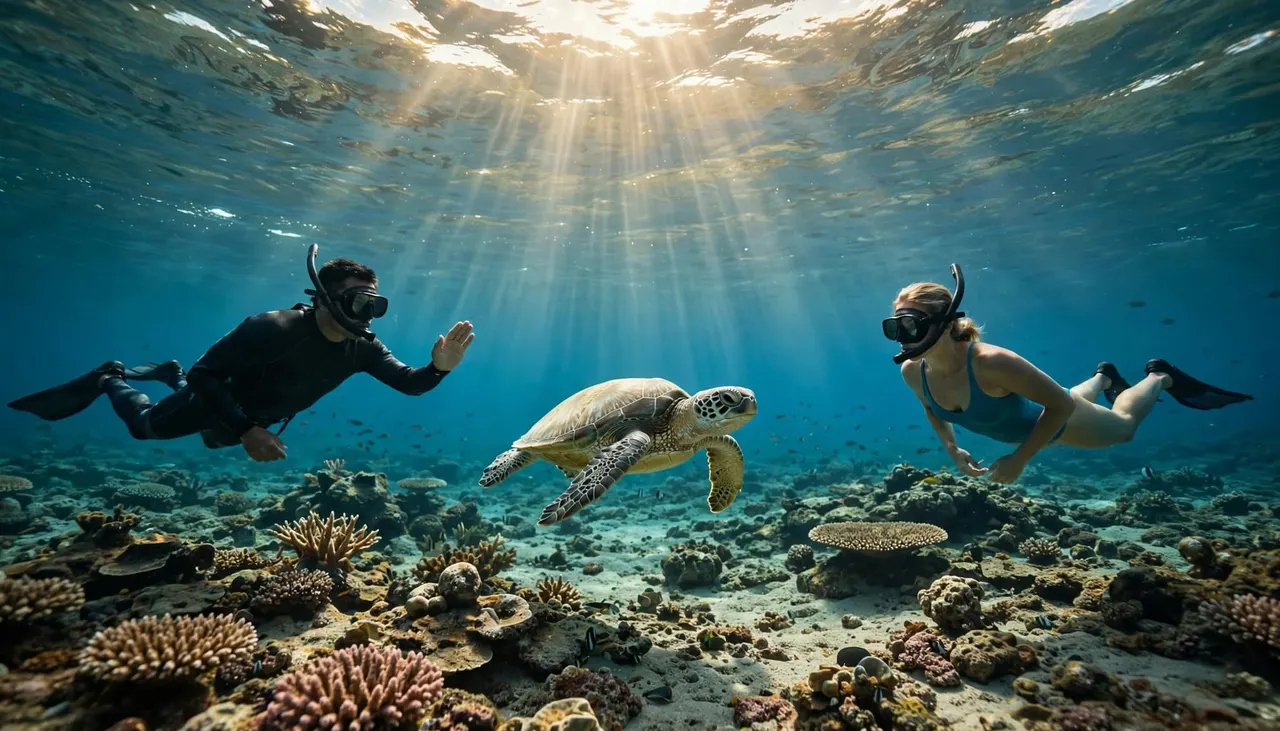
A replacement boat may still support your planned snorkeling experience. However, confirm the swimming stop, time in the water, equipment, and supervision.
Boat-mounted features require separate attention. If a waterslide influenced your choice, ask whether it is available on the replacement. Don’t assume a photograph establishes what every vessel carries.
Also distinguish a boat swap from a route adjustment. Wind, swell, visibility, and safe water entry can affect activities regardless of the vessel.
Wildlife-viewing rules remain important throughout your outing. Hawaii DLNR’s sea-turtle guidance recommends respectful viewing at least 10 feet away. Observe without touching, chasing, or blocking a turtle’s path.
For beginners, confirm flotation options and whether you can stay aboard during a swimming stop. Guidance helps you understand the activity, but you still need an honest conversation about your swimming ability.
Read the terms before requesting a refund or change
Vessel substitution doesn’t tell you what remedy your booking provides. Read the terms attached to your purchase and ask how they address the replacement.
Separate a boat change from a cancellation
An operator may change boats while continuing the outing. That situation differs from canceling the departure, shortening the trip, or removing an activity.
Describe what affects your group. A missing water-entry arrangement may prevent participation, while a different deck layout may be acceptable.
Ask whether a boat was guaranteed or only shown as the scheduled vessel. Save the listing, confirmation, and any written reply.
A promise about an activity doesn’t automatically guarantee every feature of the boat pictured beside it.
If you need a particular feature, get that requirement acknowledged before paying.
Keep the seller and remedy clear
Check who collected your payment. For a reseller booking, you may need to request changes through that platform rather than directly through the operator.
Then distinguish the options offered. A refund returns money through the applicable payment process. A credit keeps value for future use, while rescheduling moves your reservation to another available departure.
Ask about fees, expiration dates, and availability. Don’t assume an alternative will be approved or available during your remaining vacation days.
Keep your original receipt and wait for written confirmation before rearranging other activities.
Confirm the boarding plan for the actual vessel
Before heading to the harbor, confirm the meeting point and required check-in time. A vessel substitution doesn’t automatically give you extra time to arrive.
For an inspected passenger boat, ask about its applicable safety documentation. The Coast Guard’s legal-charter guidance encourages passengers on larger charter boats or boats carrying more than six passengers to ask about a Certificate of Inspection. Requirements depend on the operation, so direct your questions to the operator.
Once aboard, learn the layout before moving around. Locate the restrooms, stairs, life jackets, and approved storage areas.
If wind or engine noise makes instructions hard to hear, request a repeat or demonstration. Explain hearing or communication needs beforehand and confirm what support is available.
Follow the briefing for this vessel, even if you’ve taken a similar tour before.
Key takeaways for a smoother boat change
A short conversation before departure can prevent a dockside surprise.
- Confirm the actual vessel, operator, meeting point, and departure time.
- Explain mobility needs, swimming ability, and motion-sickness concerns before boarding.
- Check whether the activities and amenities that influenced your purchase remain available.
- Save your booking terms and request written confirmation of any approved change.
Your best preparation is booking-specific information, rather than assumptions based on a fleet photograph or another passenger’s experience.
Choose the experience with clear expectations
Vessel substitution is easier to assess when you know which details matter to your group. Confirm those needs, compare the replacement, and keep the booking terms accessible.
A different boat can still support a memorable ocean outing. Clear answers help you decide whether it fits your plans before you reach the dock.
Frequently asked questions
Does vessel substitution mean my tour is canceled?
A replacement boat may operate your scheduled departure. Confirm whether your reservation remains active and whether the time, location, or activities change.
Don’t treat a boat swap as a cancellation unless the operator confirms that the outing will not run.
Can I refuse the replacement and receive a refund?
Don’t assume declining the replacement qualifies for a refund. Your booking terms, any promised vessel features, and the seller’s process determine the options you should ask about.
Explain the specific issue and request written clarification before canceling your place.
Will the replacement have the same safety and comfort features?
Confirm both separately. Safety authorization doesn’t establish identical seating, shade, stabilization, or accessibility.
Ask about the actual vessel’s equipment and layout, then explain any needs that affect your ability to board or participate.


