
Turtles Oahu: Where Honu Gather and How Research Works
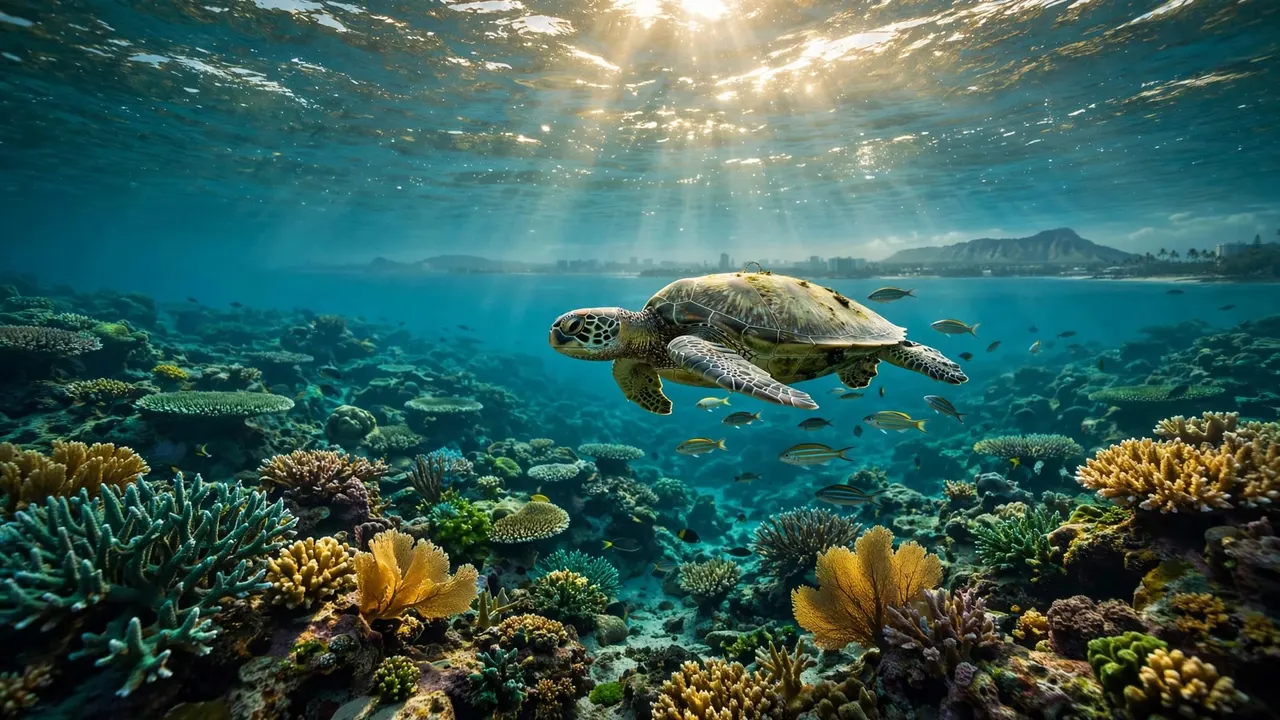
If you search for turtles Oahu before a Waikiki trip, you want more than a lucky glimpse from shore. You want a respectful, memorable encounter with Hawaiian green sea turtles, known locally as honu.
Oahu offers excellent chances to spot turtles near reefs and on select beaches. However, every sighting is also part of a larger conservation story that stretches across the Hawaiian Islands.
Your best experience starts with knowing where turtles feed, rest, and receive cleaning from reef fish.
Where turtles Oahu sightings are most reliable
Hawaiian green sea turtles spend much of their time in shallow coastal areas. They often return to productive reefs where algae, shelter, and cleaner fish are available.
You can’t schedule wildlife, yet choosing the right habitat improves your chances. Calm water, good visibility, and a crew that knows local conditions also matter.
Turtle Canyons off Waikiki
Turtle Canyons is one of the best-known places to see honu near Honolulu. This offshore reef area is known as a cleaning station, where small fish remove algae and other material from a turtle’s shell and skin.
Because the turtles return to favorable reef habitat, snorkelers often have more consistent encounters here than they would on a random beach swim. Still, the reef is their home, not an aquarium.
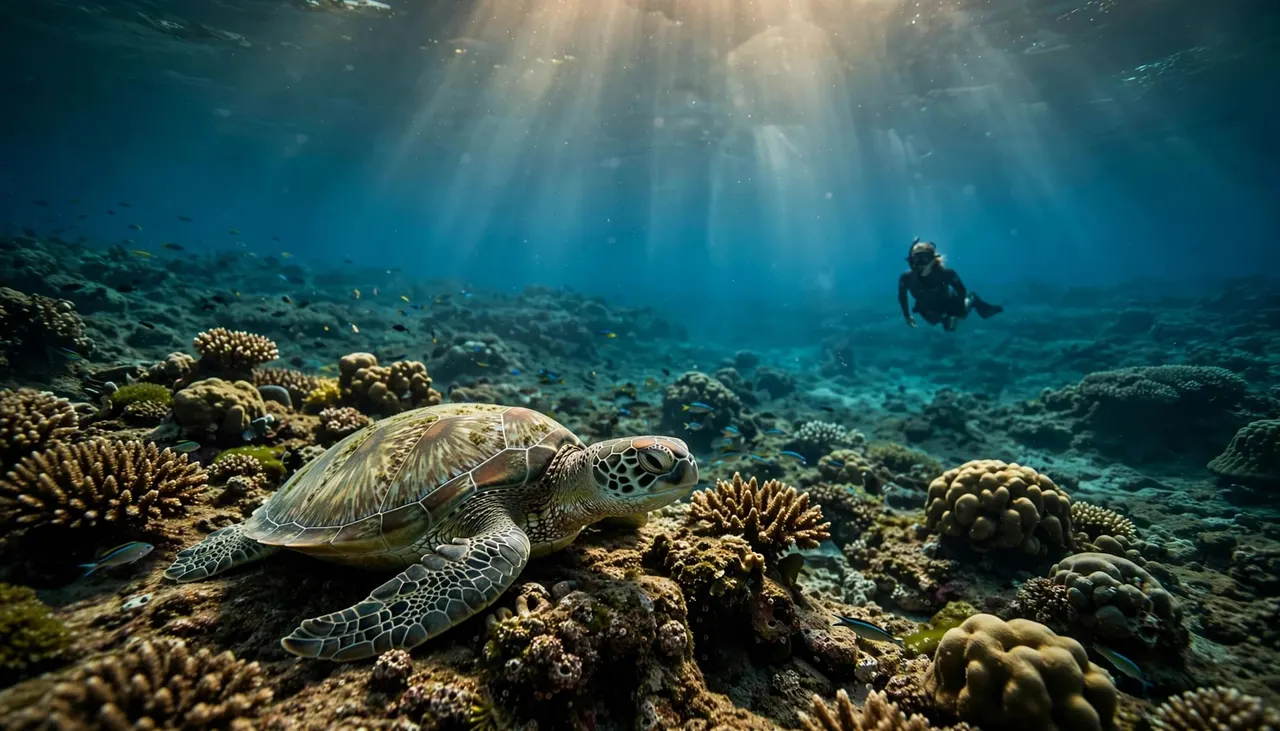
For a guided outing from Kewalo Basin, Living Ocean Tours offers Turtle Canyon snorkeling tours. You travel a short distance from Waikiki, receive gear and instruction, and snorkel with professional guides in the water.
Laniakea Beach on the North Shore
Laniakea Beach is a popular land-based location for watching turtles that come ashore to rest. Conditions can vary by day, and crowding can create problems for wildlife.
If you see a turtle on sand, stay well back. A resting honu may look relaxed, but people moving close for photos can block its route to the water or force it back into the surf too soon.
Why a turtle sighting is not a population count
A snorkel sighting tells you that a turtle used a reef at a particular time. It doesn’t tell you its age, sex, breeding status, health, or how often it returns.
Researchers need more than memorable encounters. They need repeat observations collected over time and across different habitats.
Photos can identify individual turtles
Shell markings, facial scales, scars, flipper injuries, and other visible traits can help distinguish one turtle from another. A clear photo taken from a respectful distance can sometimes support photo-identification work.
NOAA’s Honu Count program shows how public sightings can add useful records when people report marked turtles and include accurate location details.
For visitors, the lesson is simple: take the photo you can get without approaching. You don’t need a close-up to make a meaningful observation.
Reef reports reveal patterns over time
Repeated sightings at Turtle Canyons or another reef can show which areas turtles use regularly. Researchers can compare those reports with water conditions, habitat quality, injuries, strandings, and other records.
A single honu might use several reefs during the year. Therefore, a popular viewing site may be an important feeding or cleaning area without being the place where that turtle nests.
A turtle you see near Waikiki may spend its breeding life far from Oahu. Reef sightings and nesting records answer different questions.
Nesting surveys add the missing half of the story
Nesting surveys focus on reproductive activity. Field teams look for turtle tracks, nesting attempts, confirmed nests, and females that return to the same beach during a breeding season.
Those details help biologists estimate reproductive output and track change over decades. They also guide beach protection decisions, including coastal lighting and dog restrictions near known nesting beaches.
Most Hawaiian green turtles nest far from Oahu
Oahu is an important place to observe and study honu, but it is not the center of Hawaiian green turtle nesting. NOAA reports that about 96 percent of Hawaiian green turtles nest at Lalo, also called French Frigate Shoals, in Papahanaumokuakea Marine National Monument.
That geographic split explains why turtles Oahu visitors see can’t be understood through local sightings alone. A turtle may feed around the main Hawaiian Islands, then migrate to remote nesting habitat.
The Hawaii Department of Land and Natural Resources reports long-term growth in the Hawaiian green turtle nesting population. Its sea turtle conservation guidance also shows why protecting both beaches and nearshore habitat matters.
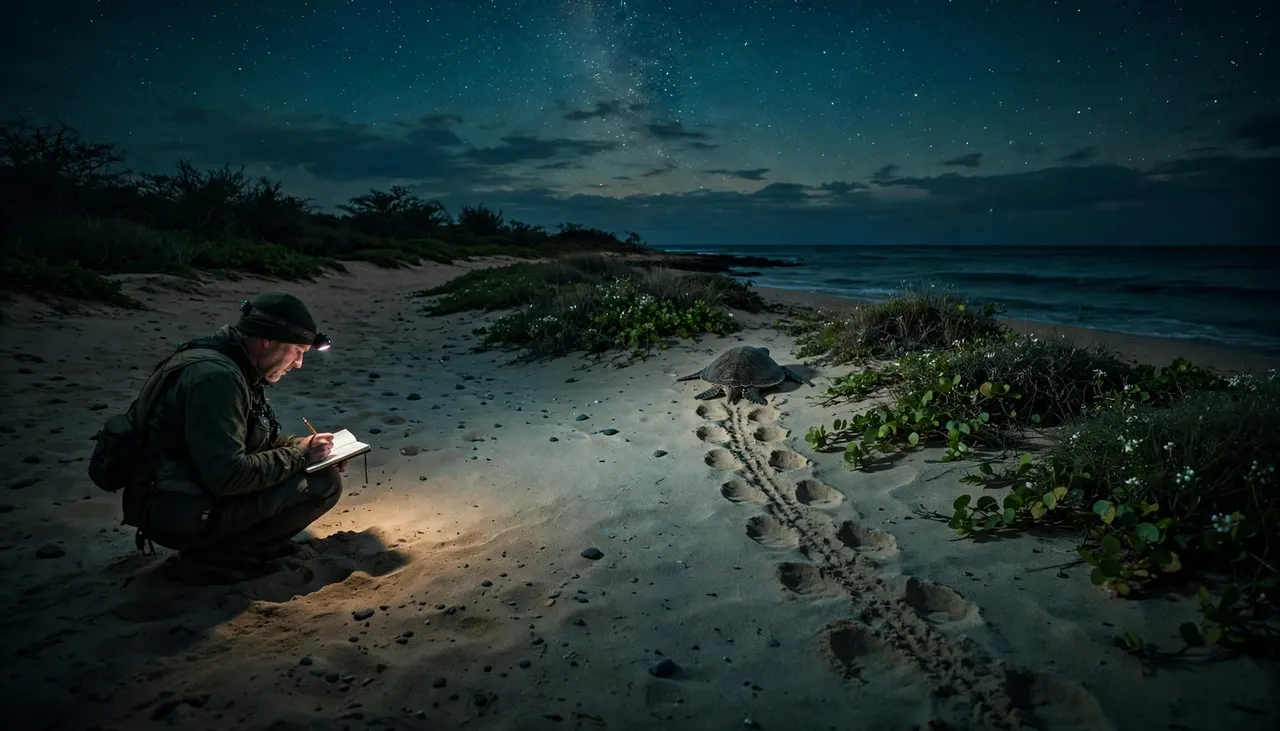
Surveys protect vulnerable beaches
Nesting turtles need darkness, open access to the beach, and room to move between the water and suitable sand. Bright lights, pets, beach furniture, and crowds can disrupt that process.
Survey work also documents threats that a reef-based count might miss. A healthy-looking turtle on a Waikiki reef doesn’t reveal whether nesting beaches are safe or whether hatchlings can reach the ocean.
How researchers connect reef sightings and nests
Scientists combine multiple forms of evidence because each one fills a gap left by the others. Sightings show where turtles appear. Nesting surveys measure reproduction. Health assessments can reveal injury or disease.
Satellite tracking adds another layer. Trained researchers can attach a transmitter after handling and assessing a turtle under approved protocols. The transmitter sends location signals when the turtle surfaces and its antenna clears the water.
Travel routes link feeding grounds to breeding areas
A single satellite point can be imprecise, so researchers filter and compare many locations. Over weeks or months, the record can reveal travel routes, repeated reef use, and long-distance movement.
This work can connect the feeding grounds you visit with nesting beaches you will never see. NOAA’s green turtle research includes work on the species’ biology, behavior, and ecology throughout Hawaii and the Pacific.
Stronger data leads to better protection
When researchers compare nesting success with sightings and movement data, they can spot changes that one dataset would hide. Fewer turtles at a reef might reflect shifting habitat use. It could also point to injury, disturbance, or lower survey effort.
Likewise, nesting totals may rise while a particular reef faces local stress. Conservation works best when managers protect the whole life cycle, including feeding habitat, migration routes, resting areas, and nesting beaches.
Give every honu room to choose its own path
Your behavior affects the quality of a turtle encounter. The best encounters happen when the turtle continues feeding, resting, or swimming as if you weren’t there.
NOAA recommends staying at least 10 feet, or 3 meters, away from sea turtles in the water and on land. Its Hawaii marine wildlife viewing guidelines also say never to touch, chase, or feed them.
Keep a relaxed float, move slowly, and let the turtle pass first. Avoid surrounding it with your group or positioning yourself between a turtle and the open ocean.
If you see one resting on shore, enjoy the moment from a distance. A long lens is better than one more step forward.
See Turtle Canyons with a professional guide
Living Ocean Tours operates from Kewalo Basin Boat Harbor, minutes from Waikiki. Its two-hour Turtle Canyons excursion gives you an easy route to the reef with snorkeling equipment, beginner-friendly support, shaded seating, onboard restrooms, and a crew focused on safe wildlife viewing.
Living Ocean Tours is the only tour company with professional snorkel guides. That guidance helps first-time snorkelers feel comfortable while helping experienced swimmers keep a respectful distance from the turtles.
The encounter is strongest when you treat it as wildlife observation, not a chase for a selfie. You may see turtles, tropical fish, and a wide slice of Waikiki’s reef life, while the crew helps you enter and exit the water safely.
You can CHECK AVAILABILITY for a Turtle Canyons snorkel trip before your preferred date fills.
Let the encounter stay wild
The best turtles Oahu memories don’t come from getting closest. They come from seeing a honu move naturally through clear water, rest on shore undisturbed, or return to a reef on its own terms.
When you keep your distance and choose a responsible guided trip, you support the same long view that researchers need: healthy turtles, safe nesting beaches, and thriving reefs for years ahead.


