
Where to See Turtles in Oahu: Nesting Closure Guide
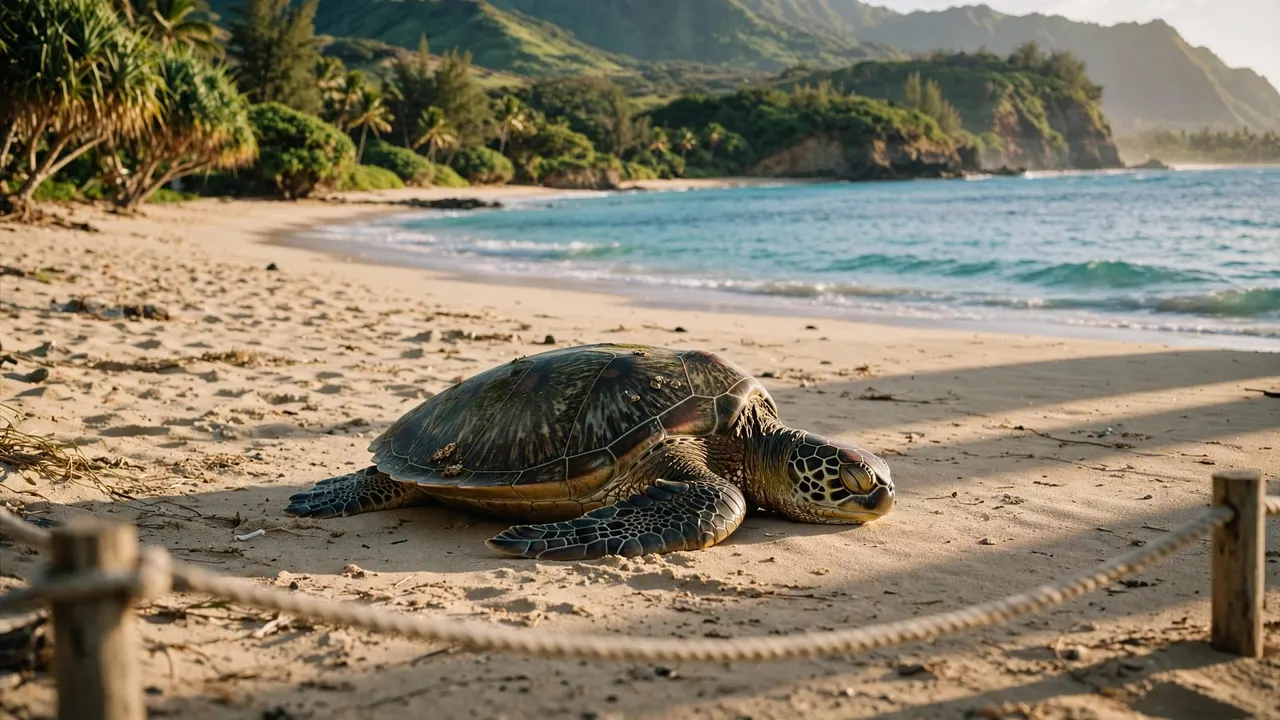
Your search for turtles in Oahu can lead to a sunny beach or an offshore reef, but posted wildlife boundaries may change your plans. Living Ocean Tours offers guided snorkeling near Waikiki, while shore visits require you to check local access instructions.
The posted boundary determines where you may go, not the nesting season or a beach’s popularity. Start with a suitable viewing spot, then check the signs before settling in.
Key Takeaways Before You Go
- You can look for turtles in Oahu from shore at Laniakea Beach or underwater at Turtle Canyons, but sightings aren’t guaranteed.
- Nesting season doesn’t automatically close every beach. Follow the specific notice, marked boundary, and instructions at your destination.
- NOAA recommends staying at least 10 feet (3 meters) from turtles on land and in water. A posted restriction may require you to stay farther away.
Where to Look for Turtles in Oahu
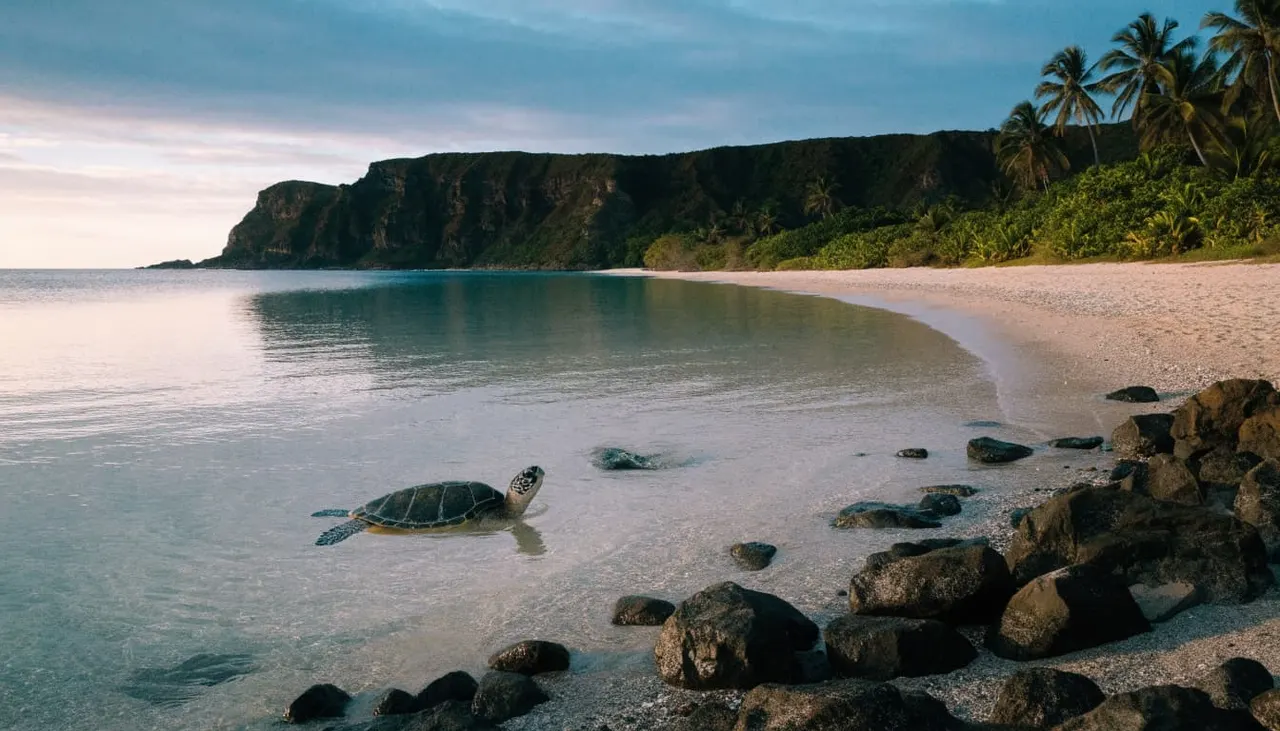
Laniakea Beach for Shore-Based Viewing
Laniakea Beach, along Kamehameha Highway on Oahu’s North Shore, is a well-known place to watch Hawaiian green sea turtles, or honu. You may see them resting on sand or moving through nearby water.
For families and non-swimmers, staying ashore removes the need for snorkel equipment or an ocean entry. However, wildlife doesn’t follow a visitor schedule. Plan to enjoy the coastline even if no turtle appears.
Use designated public access, park legally, and avoid crowding the roadside. Once on the sand, look for wildlife boundaries before choosing your viewing position.
Turtle Canyons for an Underwater Encounter
Turtle Canyons is an offshore reef near Waikiki, separate from Laniakea Beach. Its natural cleaning station attracts turtles that allow smaller reef fish to remove material from their shells.
A guided boat trip gives you a different perspective: turtles swimming through their habitat rather than resting on shore. You also receive equipment help and instructions before entering the water.
Choose this option if your group wants snorkeling support. Still, ask about swimming requirements before booking. A boat excursion doesn’t remove the need to follow ocean conditions or wildlife guidance.
A Resting Turtle Doesn’t Mean There’s a Nest
Recognize Basking Without Approaching
A honu lying on the beach may simply be basking or resting. Its presence alone doesn’t establish that eggs are buried nearby or that the whole beach is closed.
Likewise, a rope around a resting turtle may protect that animal’s space rather than identify a nest. Read the accompanying notice instead of guessing its purpose.
Let the turtle remain undisturbed. Don’t stand between it and the water, and avoid surrounding it with your group. For photos, use your zoom rather than stepping closer.
Understand the Seasonal Context
Hawaii’s general sea turtle nesting season runs from mid-April through November and sometimes extends into December. Therefore, an October beach visit can still overlap with nesting activity.
That seasonal window isn’t a closure calendar. Restrictions depend on conditions and instructions at the particular location.
The state’s sea turtle conservation information explains viewing precautions and reporting options. You should treat a nesting turtle, marked nest, or emerging hatchlings as a reason to step back and seek guidance, not gather for a closer look.
How to Read a Nesting Beach Closure
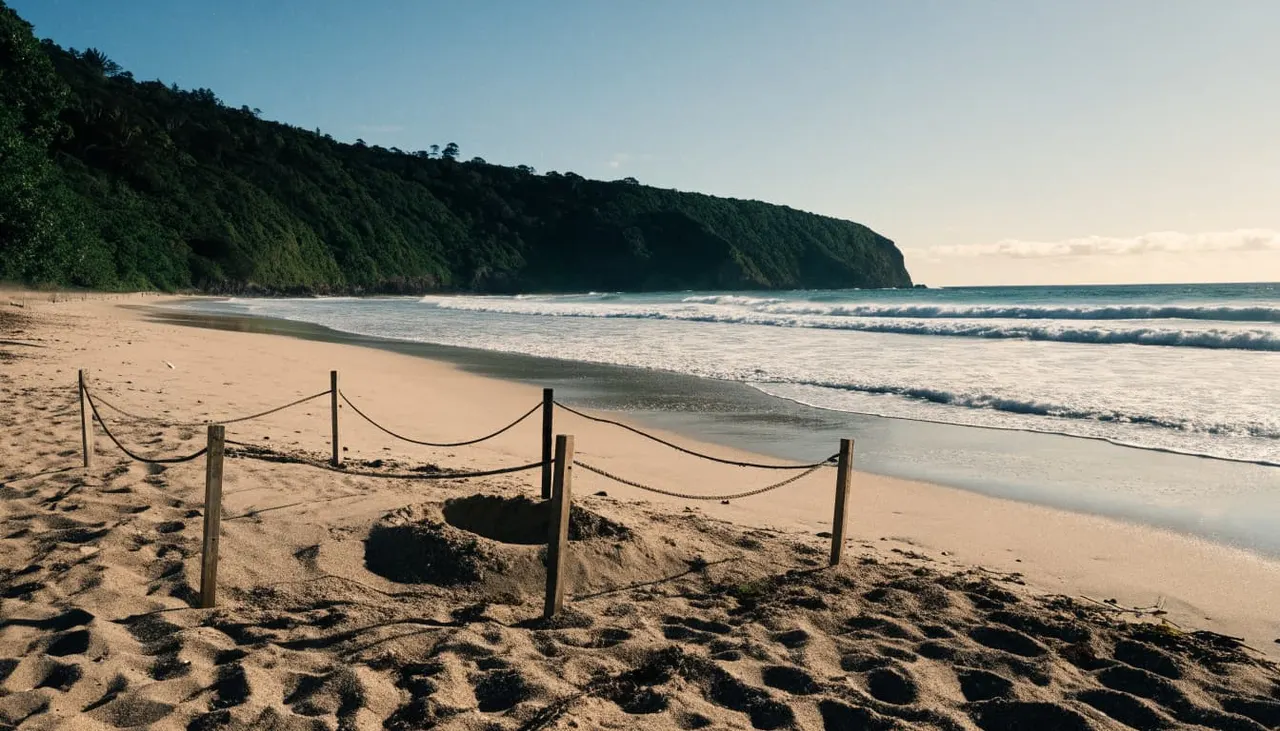
Pause at the first notice before walking toward the water. Identify what is restricted, where the boundary runs, and whether the instruction applies to a nest area, an access route, or a broader stretch of beach.
Use these details to interpret the notice without assuming its scope.
| Notice detail | What you should establish |
|---|---|
| Location or boundary | Which area you must avoid |
| Restricted activity | Whether entry, passage, or another activity is prohibited |
| Effective dates | Whether the restriction applies during your visit |
| Issuing agency | Who can clarify the instructions |
| Alternate access | Whether an approved route remains available |
The wording and site-specific directions control your next step. Rope alone doesn’t tell you whether the entire beach is closed.
If the notice restricts a particular area, use remaining access only when the posted instructions clearly allow it. Never walk around a barrier through dunes, vegetation, or private property.
A broader beach or access closure means you should choose another destination. Also, don’t assume an old-looking sign is expired. If dates or boundaries are unclear, ask the responsible agency or on-site personnel before proceeding.
A turtle-viewing distance and a closure boundary are separate instructions. Staying 10 feet from a turtle doesn’t authorize you to enter a restricted area.
Check Access Before Driving and Again on Arrival
Start With Current Agency Information
Before leaving your hotel, look for current announcements from Hawaii’s Department of Land and Natural Resources. Check the notice date and the location it names, rather than relying on a search-result headline.
For example, DLNR’s August 2025 nesting notice provides useful seasonal precautions. However, it doesn’t establish which Oahu beaches are open during your October 2026 visit.
A travel article, saved map pin, or old social media photo can’t confirm today’s access. A temporary restriction may also affect only one entrance or section.
Confirm the Situation at the Beach
When you arrive, scan the entrance and shoreline for newer notices. Conditions may have changed since you checked online.
Ask a lifeguard or wildlife volunteer to clarify confusing directions when someone is available. If no one can explain a boundary, stay outside it and choose another viewing position.
For a family outing, keep a flexible backup plan. If access is restricted, you can return another day or consider a guided offshore excursion. However, any tour must still follow applicable restrictions and the captain’s assessment of conditions.
A Guided Alternative Near Waikiki
If you prefer seeing turtles in Oahu underwater, Living Ocean Tours departs from Kewalo Basin Boat Harbor near Waikiki. Its Turtle Canyons Snorkel Excursion visits the offshore cleaning station with snorkeling equipment and professional snorkel guides.
You can compare the company’s guided snorkeling options before choosing your trip. Ask about swimming ability, children’s participation, and support for first-time snorkelers.
The company’s conservation approach centers on observing without touching. You receive guidance on giving turtles room, keeping fins clear of coral, and returning to the boat safely.
Shaded seating, onboard restrooms, and entry ladders add practical comfort for families and couples. However, wildlife sightings remain unpredictable, and the crew may adjust plans for ocean conditions.
For available Living Ocean Tours departures, use the booking options below.
If Turtle Canyons fits your plans, CHECK AVAILABILITY for your preferred date.
Give Turtles Space on Sand and in the Water
When watching turtles in Oahu, follow NOAA’s Hawaii wildlife viewing guidelines: remain at least 10 feet (3 meters) away on land and underwater.
That distance is a viewing recommendation, not permission to disturb an animal. State and federal protections prohibit harassment, and you should never touch, chase, feed, or block a turtle.
If a turtle swims toward you, give it room without following. Avoid positioning yourself above it or blocking its route to the surface. Underwater, keep your fins away from coral and follow your guide’s directions.
On shore, keep dogs leashed and away from turtles and protected areas. Around a nest, avoid digging, placing beach equipment, or leaving belongings that could obstruct hatchlings.
At night, avoid flash photography and shining lights toward nesting turtles or hatchlings. Instead, observe quietly from outside the marked boundary and follow any stricter instructions.
Teach children these habits before arriving. A quick conversation about giving wildlife space is easier than correcting an excited child beside a resting honu.
Report a Turtle Concern Without Intervening
Call the statewide NOAA Marine Wildlife Hotline at (888) 256-9840 if you encounter a nesting turtle or an injured, stranded, entangled, hooked, or dead turtle.
Provide the beach name, nearby landmarks, and a description of what you see. If you can safely take a photo from a distance, it may help responders identify the location and problem.
Don’t move the turtle, excavate eggs, cut fishing gear, or carry hatchlings to the ocean. Trained responders should assess the situation and decide what assistance is appropriate.
For suspected disturbance or illegal activity, contact Hawaii’s Division of Conservation and Resources Enforcement at (808) 643-3567. NOAA’s guidance on protecting honu also explains reporting options.
Keep your own safety in mind. You don’t need to enter rough water or confront another visitor to make a useful report.
Choose Your Viewing Spot, Then Respect Its Boundaries
Seeing turtles in Oahu starts with choosing between shore observation and guided snorkeling. A successful visit also depends on reading current notices and leaving wildlife undisturbed.
At Laniakea or Turtle Canyons, give honu room to rest, feed, and surface. If a boundary changes your plans, choosing another permitted option protects the encounter you came to enjoy.
FAQ: Turtle Viewing and Nesting Closures
Does Nesting Season Close Every Oahu Beach?
No. The seasonal nesting window doesn’t automatically establish a beach closure. You must check current, location-specific notices and follow the instructions at the site.
A barrier may protect a resting turtle or a nesting area, but its appearance alone doesn’t establish the extent of a restriction. If the wording is unclear, stay outside the boundary and seek clarification.
Can You Still Snorkel During a Shoreline Closure?
That depends on the restriction. Some notices may affect beach access, while others may cover a wider area or certain activities.
Don’t assume offshore snorkeling remains permitted because the nest is on land. Confirm the applicable instructions with the responsible agency or your tour operator. Ocean conditions and your swimming ability also determine whether entering the water is appropriate.


