
turtle snorkeling Oahu: A Guide to Turtle Basking
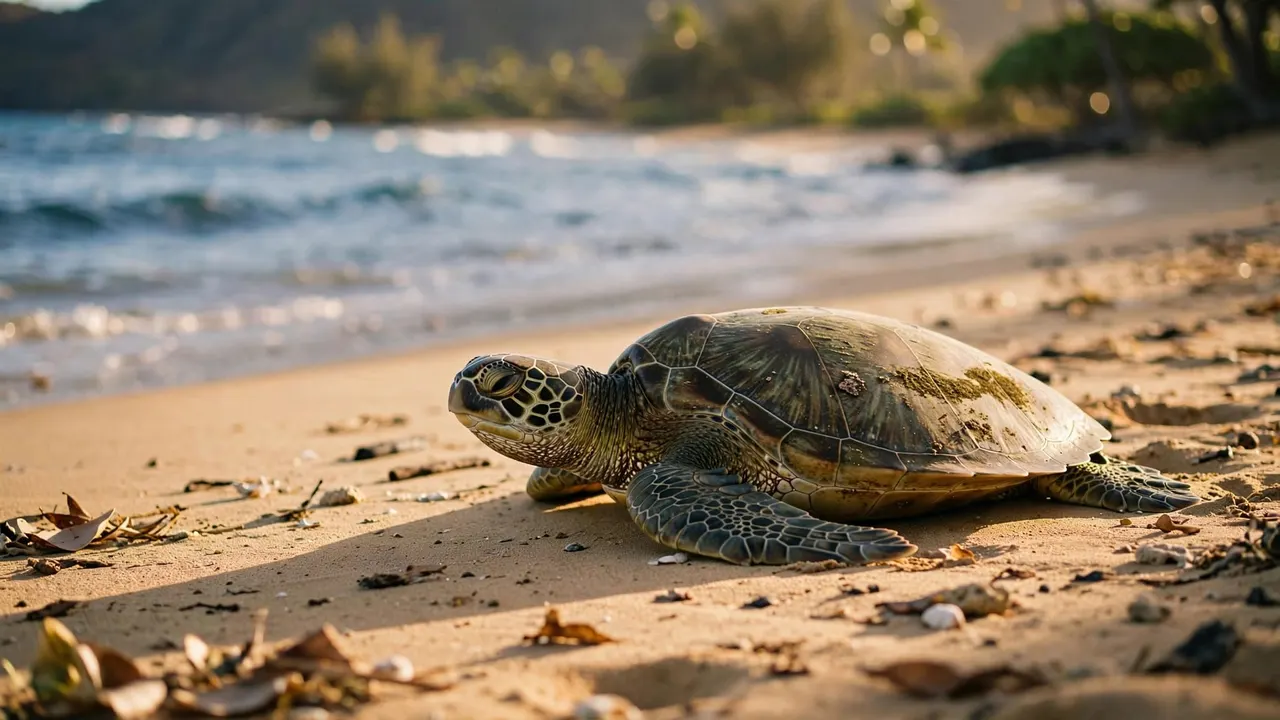
Turtle snorkeling Oahu visitors enjoy happens underwater, while turtle basking takes place on shore. Both offer a chance to see Hawaiian green sea turtles, or honu, as long as you give them room to move and rest.
At Living Ocean Tours, we take you to an offshore reef near Waikiki where turtles visit a natural cleaning station. You can also see basking turtles on some North Shore beaches, without getting in the water.
The best encounter starts with knowing what the turtles are doing and how to watch without disturbing them.
Snorkel Turtle Canyon With Our Guides
The Turtle Canyons Snorkel Excursion takes you by boat to a reef off Waikiki. There, you may see honu pause near small fish that remove algae and other material from their shells.
We report an approximately 95% turtle-spotting success rate on our snorkeling trips. Honu are wild animals, so sightings and behavior vary on every departure.
What Your Trip Includes
Your two-hour outing departs from Kewalo Basin Boat Harbor near Waikiki and includes approximately one hour of snorkeling. Masks, snorkels, fins, and flotation support are included. The excursion starts at $79 and welcomes guests ages 3 and up.
We provide professional snorkel guides in the water and are the only tour company in Waikiki with professional snorkel guides. If you’re new to snorkeling, you can get help with your equipment and take your time settling in.
Choose a Departure
A boat trip is a convenient choice for the turtle snorkeling Oahu visitors want to experience near Waikiki. You can focus on breathing comfortably and watching the reef while our guides help you give marine life space.
For your Turtle Canyon outing, CHECK AVAILABILITY.
You can also browse our full departure calendar.
Guest reviews offer another look at the experience aboard Living Ocean Tours.
What Is Turtle Basking?
Basking is the behavior you’ll see when a green sea turtle comes ashore to rest. A honu may lie on sand, beach rubble, or a rocky shoreline, sometimes remaining still for a long stretch.
Resting on land can help a turtle conserve energy, regulate its body temperature, and avoid predators. Slow breathing, a still body, or sand on its shell doesn’t automatically mean the animal needs help.
Basking Is Different From Nesting
A turtle on the beach isn’t necessarily laying eggs. Green turtles come ashore to bask, while nesting females come ashore to lay eggs. Very few green turtles nest in the main Hawaiian Islands.
Give a turtle space regardless of what you think it’s doing. If its behavior suggests an injury or immediate danger, alert a lifeguard or local marine wildlife authorities rather than approaching it.
Resting Underwater Is Different, Too
At Turtle Canyon, you may see a turtle settle near the reef. That underwater rest isn’t beach basking. You could also see a honu swimming toward the surface to breathe or pausing while reef fish clean its shell.
Watch without following it. A turtle needs a clear route to the surface, the reef, and open water.
Where Hawaiian Green Sea Turtles Bask

Oahu’s North Shore is known for opportunities to see honu resting on land. Hawaii’s Department of Land and Natural Resources identifies Laniakea and Ali’i beaches as popular turtle-viewing locations.
Laniakea Beach
At Laniakea, you may be able to watch a turtle on the sand without entering the ocean. Sightings aren’t guaranteed, and a beach visit doesn’t mean you’ll find an animal ashore.
Keep your visit centered on observation. Stay outside any marked viewing area, leave room for other beachgoers, and never step between a turtle and the water.
Ali’i Beach
Ali’i Beach is another North Shore location where turtles may come ashore. Look along the beach before walking toward the water, since a resting honu can blend into its surroundings.
Ocean conditions are a separate consideration. North Shore surf can be powerful, especially during winter, so a place suited to watching turtles from land isn’t automatically safe for snorkeling.
How to Watch a Basking Turtle
The recommended viewing distance is at least 10 feet, or 3 meters, on land and in the water. NOAA’s Hawaii marine wildlife viewing guidelines apply that recommendation to turtles in both settings.
A little more distance is useful when a turtle is near the shoreline or a group has gathered. Stand to one side and leave an open route between the animal and the ocean. If it begins moving, let it choose its path.
Give the Turtle a Restful Beach
Don’t touch, feed, climb over, or pose beside a honu. Even a seemingly gentle interaction can disturb a protected animal. The Hawaii Department of Land and Natural Resources offers more detail about sea turtle protection and viewing.
Keep children close enough to guide them and dogs leashed and away. For a photo, use your camera’s zoom rather than stepping closer. If the beach is busy, take your turn from a respectful distance instead of crowding around the turtle.
Notice Signs of Disturbance
A turtle may lift its head, change direction, or move toward the water when people get too close. Those movements can have different causes, but they’re a good reason to give the animal more room.
NOAA’s account of protecting honu around visitors describes how following distance guidance helps reduce disturbance to basking and foraging turtles.
How to Snorkel Near Turtles Responsibly

The turtle snorkeling Oahu is known for gives you a view of honu in their own habitat. Your role is to float calmly, keep your distance, and let each turtle decide where it goes.
Leave a Clear Path to the Surface
Stay at least 10 feet away when you spot a turtle. Don’t dive down for a closer look, chase it, or swim directly above it. Sea turtles breathe air, so they need an unobstructed route to the surface.
If a turtle approaches you, stop moving toward it and gently make space. Avoid surrounding it with other snorkelers. Your guide can help the group spread out and watch without blocking its path.
Protect the Reef Around You
Good wildlife etiquette includes the habitat beneath you. Keep your fins clear of coral and rocks, and use flotation support if it helps you stay comfortable at the surface. Don’t stand on coral or grab the reef to steady yourself.
Move slowly when you adjust your mask or position. You’ll have more control over your fins, and you’ll be able to enjoy the fish and reef life around you while you wait for a turtle.
Plan a Comfortable Day in the Water
The turtle snorkeling Oahu travelers book can include a boat trip or an independent shore outing. Your swimming ability and the day’s ocean conditions matter more than a beach’s reputation.
Prepare Before You Enter
Bring a towel, sun protection, and a reusable water bottle. A rash guard offers coverage while you swim. On a boat, use the shaded seating when you need a break from the sun.
Make sure your mask fits before you enter the water. Once you’re floating, practice slow, steady breaths through your snorkel. Flotation support can make it easier to relax and look down at the reef.
Choose Conditions That Fit Your Ability
Wind, waves, currents, and visibility can change. Don’t enter rough water because you’ve seen calm photos of the same location. If you’re snorkeling independently, stay with a buddy and choose an entry and exit you can manage comfortably.
On our excursion, tell your guide if you’re nervous or need assistance. You can take a break aboard rather than push through discomfort. Children need a supervising adult, even when they’re using flotation support.
Turtle Snorkeling and Basking FAQs
Can You See Turtles Near Waikiki?
Yes. Turtle Canyon is an offshore reef near Waikiki where Hawaiian green sea turtles visit a cleaning area. The turtle snorkeling Oahu guests choose there takes place by boat, with the chance to observe turtles underwater. Sightings aren’t guaranteed.
Is a Turtle on the Beach in Trouble?
A turtle resting on the beach may be basking normally, even if it stays still. Give it at least 10 feet of space. If you notice an apparent injury or immediate danger, alert a lifeguard or marine wildlife authorities rather than handling the animal.
Can Beginners Join a Turtle Snorkel?
Yes. Our Turtle Canyons excursion welcomes beginners and includes equipment, flotation support, and in-water guidance. You don’t have to dive below the surface to enjoy the reef. Tell your guide if you’d like help getting comfortable.
When Is the Best Time to See a Basking Turtle?
There isn’t a guaranteed hour or season for a beach sighting. Turtles choose when to come ashore, and they may leave while you’re visiting. Plan a flexible beach stop, then enjoy watching from a distance if a honu appears.
Give Honu Space to Be Wild
A swimming turtle and a basking turtle offer two different views of the same remarkable animal. In either setting, space matters: stay back, keep its path clear, and let it rest or move without interference.
Your visit can be memorable without a close encounter. A calm view of a honu behaving naturally is worth protecting.


