
Turtle Snorkeling Oahu: The Honu Recovery Story
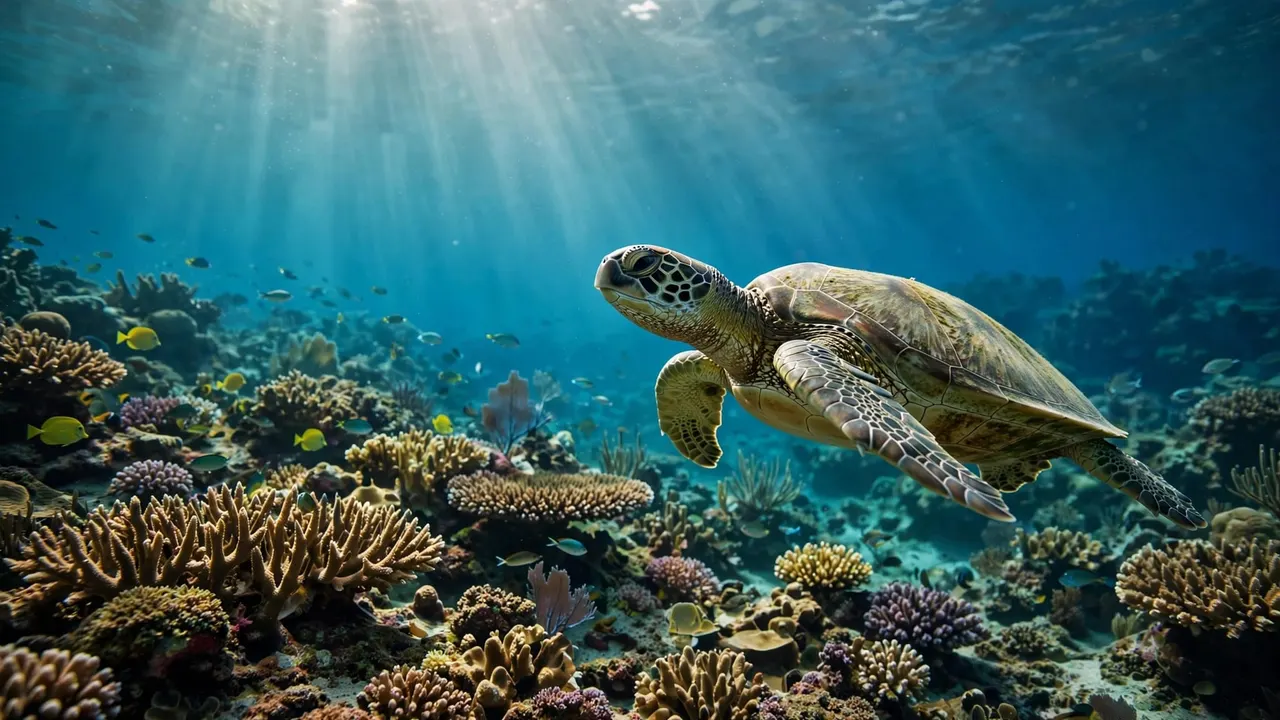
The turtle snorkeling Oahu visitors enjoy today offers a close look at a conservation comeback. With Living Ocean Tours, you can explore Waikiki’s waters while learning why Hawaiian green sea turtles still need space and protection.
Seeing a honu glide over the reef is exciting, but understanding its recovery makes that encounter more meaningful. Before you enter the water, get familiar with the population trends, ongoing threats, and habits that make you a respectful visitor.
Key Takeaways for Your Turtle Encounter
Your choices matter most when they protect a turtle’s ability to feed, rest, and surface normally.
- Hawaii’s nesting records show substantial recovery, but nesting-female counts aren’t a census of every turtle.
- Hawaiian green turtles remain threatened and protected under federal and state law.
- NOAA recommends staying at least 10 feet away on land and in water, while professional guidance helps you manage your gear without crowding wildlife.
A successful outing gives you a memorable view while leaving the honu’s routine undisturbed.
Turtle Snorkeling Oahu: What Population Recovery Means
Read the nesting numbers correctly
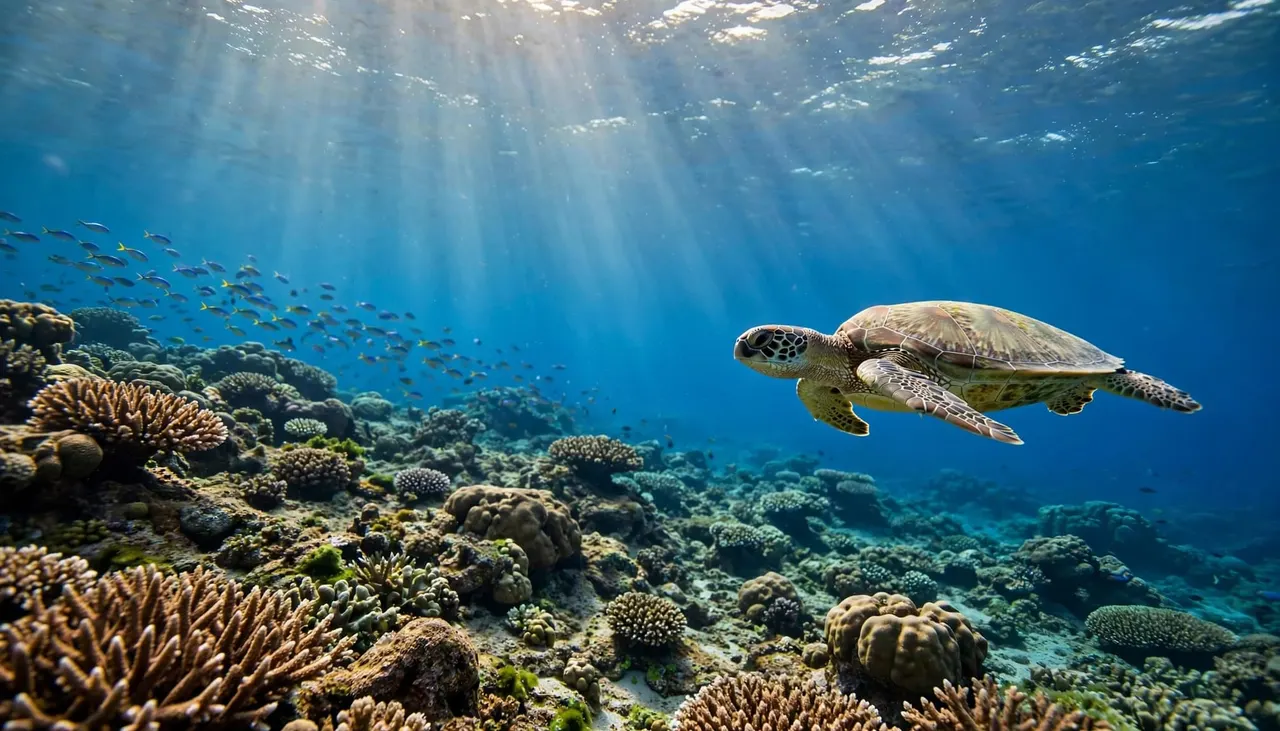
When you look at Hawaii’s recovery record, the change is encouraging. Hawaii DLNR’s sea turtle recovery summary compares 67 nesting females recorded in 1973 with almost 500 nesting annually in its published summary.
The agency also describes roughly 5% annual nesting-population growth over the preceding two decades. These figures document a long-term rebound, rather than an exact count for your vacation year.
However, nesting females are only one part of the population. Males, juveniles, and females that skip a nesting season aren’t included in that annual measure. You should read the figures as evidence of recovery, not the total number of turtles swimming around Hawaii.
Understand why protection continues
Hawaiian green turtles remain threatened under the Endangered Species Act. Recovery hasn’t removed their federal or state protections.
The 2016 regional listing framework places Hawaii’s turtles within the Central North Pacific distinct population segment. NOAA’s marine turtle environmental assessment identifies that population with the Hawaiian Archipelago and Johnston Atoll.
For your snorkeling trip, the practical point is straightforward: an animal can become more visible while still needing protection. A busy cleaning station doesn’t tell you whether nesting habitat, survival, and future generations are secure.
Get to Know the Honu Beyond Its Shell
Recognize what you’re watching
You may expect a bright-green turtle, but honu often have mottled brown or olive shells. Their common name refers to their greenish body fat.
Adult green turtles eat mainly plant material, including algae and seagrasses. Hawaii’s green sea turtle overview introduces the species and its recovery.
When you watch a turtle grazing, give it enough room to continue feeding. That ordinary behavior is worth observing without interruption.
Also, remember that sea turtles breathe air. Even when a turtle seems comfortable underwater, it needs an unobstructed route to the surface.
Connect Oahu reefs with distant nesting beaches
The turtles you encounter near Waikiki are part of a population whose life cycle extends beyond Oahu’s visitor beaches. Many Hawaiian green turtles travel to the Northwestern Hawaiian Islands to nest, including French Frigate Shoals.
That connection explains why protecting a snorkeling reef is only part of conservation. Nesting beaches, migration routes, and coastal feeding grounds all matter.
Green turtles also take decades to mature. As a result, recovery depends on animals surviving for many years before they reproduce. Your encounter lasts minutes, but the turtle’s life connects habitats across the archipelago.
Recognize the Threats That Remain
Avoid adding pressure in coastal waters
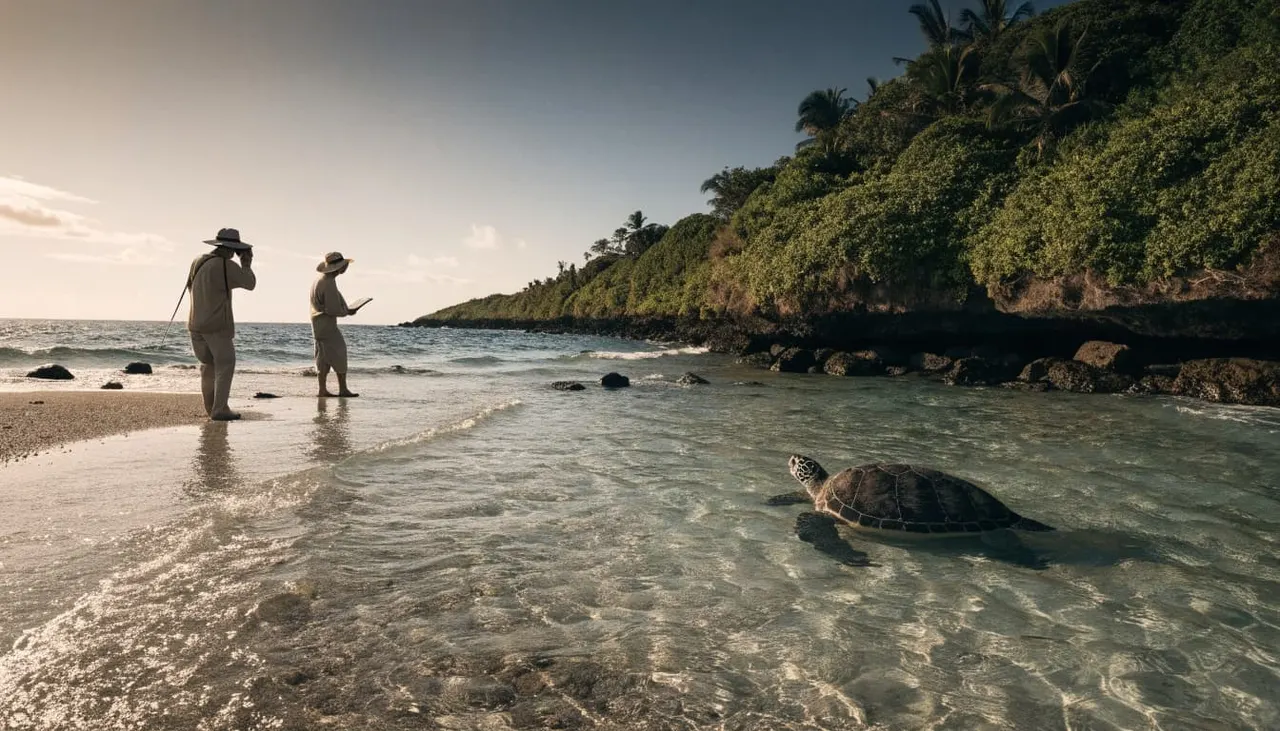
You might see several healthy-looking turtles during one outing, yet coastal hazards remain. Fishing-line entanglement, vessel strikes, marine debris, and disease can harm individual animals.
Fibropapillomatosis, a disease associated with tumors, is another concern. If you notice an injured turtle or one caught in debris, alert your crew rather than trying to handle it.
Pulling fishing line can worsen an injury, and approaching a distressed animal can put you at risk. Let trained responders decide how to help.
Meanwhile, secure your own loose belongings. A dropped wrapper or unsecured piece of gear can become marine debris after your trip ends.
Understand the limits of a good sighting
Habitat loss, sea-level rise, and changing conditions on nesting beaches affect turtles far from Waikiki. These pressures don’t disappear because you saw honu at a reef.
You also shouldn’t interpret a turtle’s presence as permission to approach. Wildlife may remain in an important feeding or resting area even when people disturb it.
Several turtles at one snorkeling site aren’t proof that the entire population has recovered. Long-term nesting and survival records tell a broader story.
That distinction helps you enjoy a sighting without assuming conservation work is finished.
Give Turtles Room to Behave Naturally
Use NOAA’s recommended viewing distance
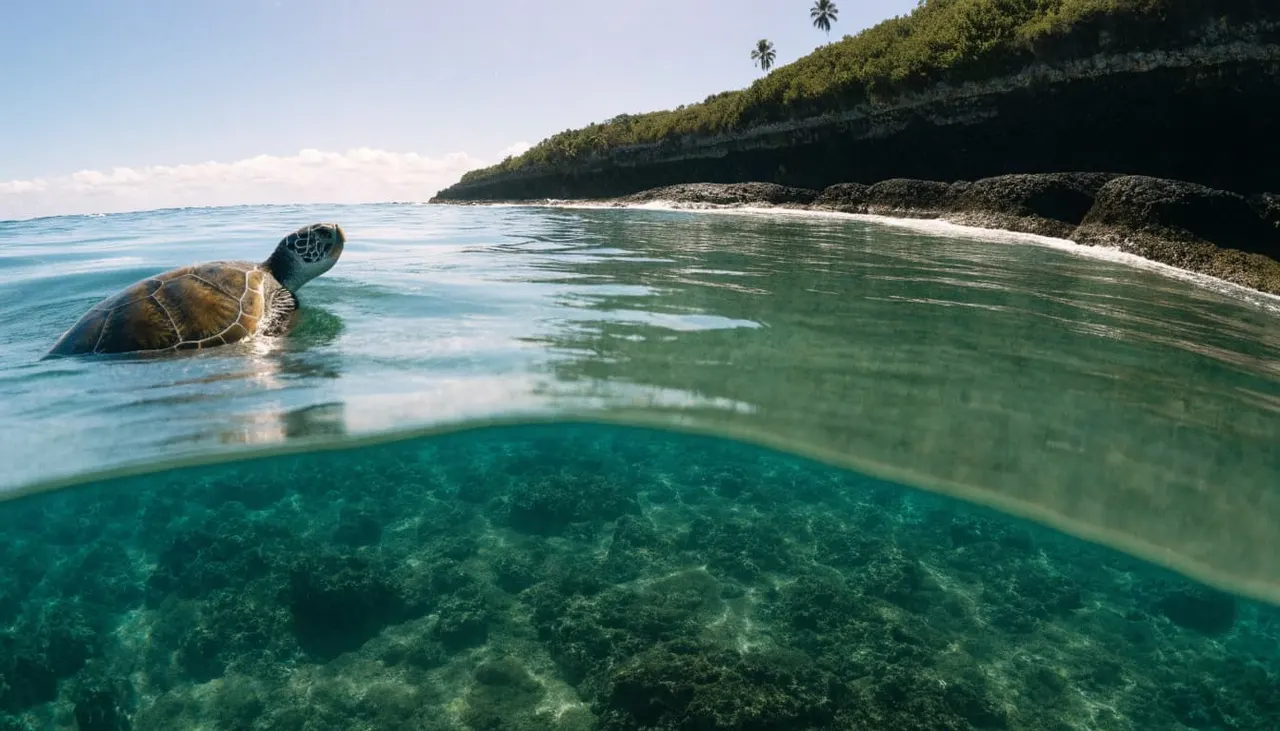
To enjoy the turtle snorkeling Oahu is known for, begin with a clear buffer. NOAA’s Hawaii wildlife-viewing guidance recommends staying at least 10 feet (3 meters) away from sea turtles, both on land and in water.
That distance is a viewing recommendation, not a universal statutory minimum. However, touching, chasing, feeding, or otherwise disturbing protected turtles can violate wildlife laws.
Keep more room when conditions make your position difficult to control. Waves and currents can close a gap faster than you expect.
If you’re taking photographs, use your camera’s zoom rather than swimming closer. Keep the camera within your own swimming space.
Leave the surface route open
Never hover directly above a turtle or position yourself between it and open water. Avoid surrounding one with your group, even when everyone wants a photograph.
If a turtle approaches, stay calm and let it pass. Don’t reach toward its shell or follow it after it moves away.
Your fins matter, too. Use controlled kicks, stay above coral, and move into open water before adjusting your mask.
On the beach, resting turtles deserve the same space. Keep children back, follow posted barriers, and let the animal rest without interruption.
Choose In-Water Support With Living Ocean Tours
For your trip near Waikiki, Living Ocean Tours departs from Kewalo Basin Boat Harbor in Honolulu. Its family-friendly approach combines wildlife viewing with gear instruction and attention to reef etiquette.
Living Ocean Tours describes itself as Oahu’s only tour company with professional snorkel guides in the water with you. That support gives you someone to ask about mask fit, flotation equipment, and positioning around wildlife.
Tell the crew about your swimming experience before entering. Guidance helps, but you still need to follow instructions and recognize your limits.
The company’s double-decker vessels offer shaded seating, onboard restrooms, and ladders for water access. Those comforts make it easier to take a break when you need one.
Check current reviews and available departures as you choose the outing that fits your group.
Explore Turtle Canyons Without Crowding Its Residents
Watch a natural cleaning station
The turtle snorkeling Oahu visitors often seek includes Turtle Canyons, offshore from Waikiki. Here, reef fish clean turtles by removing material from their bodies.
This gives you an opportunity to watch an interaction between species. However, the cleaning station is wildlife habitat, so keep your distance and follow your guide’s positioning instructions.
Living Ocean Tours’ Turtle Canyons guided snorkeling includes supplied equipment and knowledgeable guides. The company reports a 95% turtle-sighting success rate for its Turtle Canyons Snorkel Excursion.
That figure is the operator’s reported experience, not a guarantee for your departure. Wildlife movements, visibility, and ocean conditions vary.
Choose your departure with realistic expectations
Before booking, review current availability and participation requirements for everyone in your group. Ask about the planned experience if you’re traveling with a young child or a nervous swimmer.
A respectful trip doesn’t require a close photograph. Watching a turtle feed or visit the cleaning station from a distance can be the day’s highlight.
Give yourself enough time to arrive, check in, and hear the briefing without rushing. Then let the crew manage the day’s route around conditions.
Prepare Your Family for Comfortable Reef Time
Practice before focusing on turtles
The turtle snorkeling Oahu families plan should match everyone’s swimming ability. Before looking for wildlife, settle your breathing and check that your mask seals comfortably.
Ask for help immediately if equipment feels wrong. A leaking mask can distract you from your buddy, the group, and the reef beneath your fins.
Flotation equipment can add support, but it doesn’t replace swimming ability or crew instructions. If you become tired or uncomfortable, signal your guide and return to the boat.
You can also stay aboard when conditions or confidence don’t suit you. Skipping the water is a valid safety decision.
Pack for comfort and lower-impact habits
Bring sun protection, a towel, and whatever your booking instructions recommend. Sun-protective clothing reduces how much exposed skin needs sunscreen.
Also, secure cameras and other small items before boarding. Leave valuables you don’t need behind, and use onboard dry storage as directed.
For children, explain wildlife boundaries before the excitement begins. Practice watching without reaching, and make clear that nobody follows a turtle away from the group.
Finally, keep your expectations flexible. Calm swimming, comfortable gear, and a guide you can communicate with help you appreciate the reef whether turtles appear immediately or later.
Keep the Recovery Story Moving Forward
The turtle snorkeling Oahu visitors remember can connect an exciting vacation moment with decades of conservation progress. You can appreciate that rebound while recognizing that honu remain threatened and protected.
Your most useful contribution is respectful observation: give turtles room, protect the reef beneath you, and follow your guide’s instructions.
A memorable encounter leaves the turtle free to continue its day after you’ve returned to shore.


