
Turtle Snorkeling Oahu: What to Watch When Turtles Don’t Appear
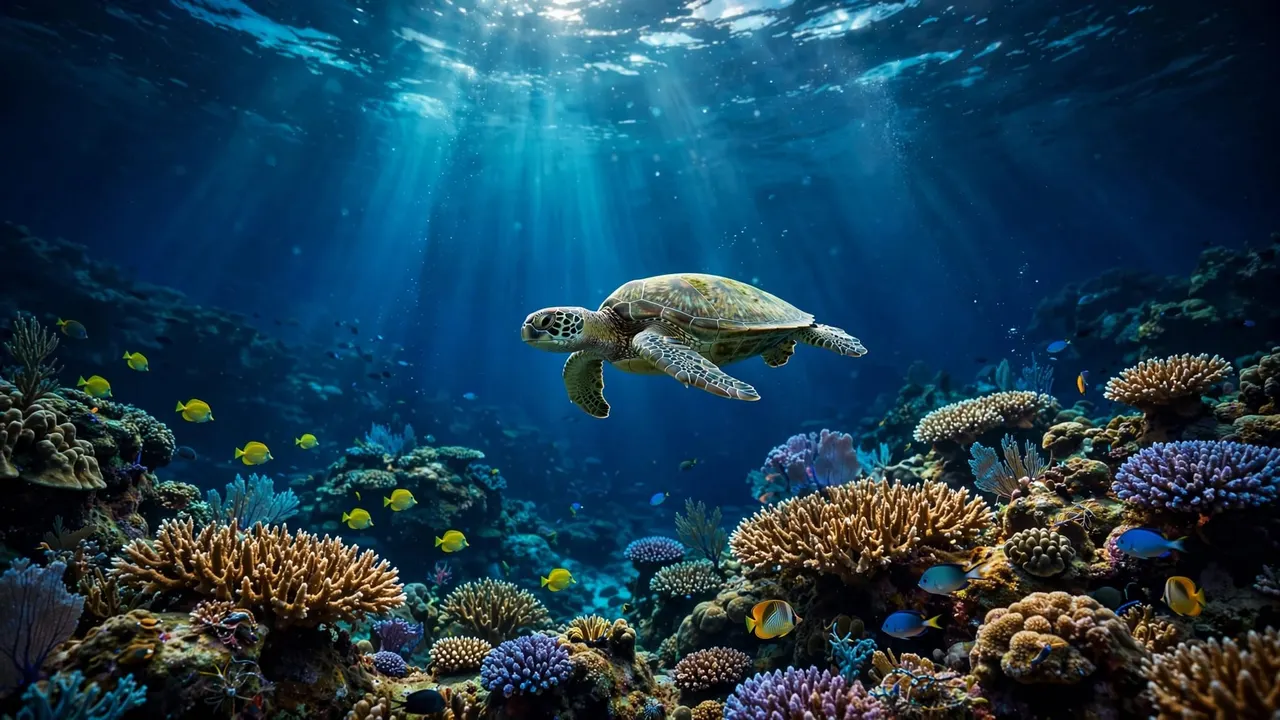
You lift your face from the water after scanning the reef, and nobody has spotted a turtle. If snorkeling with turtles on Oahu is on your vacation list, that can feel disappointing. Yet a quiet stretch at the surface can give you a closer look at the fish, coral, and changing light you might otherwise miss.
Living Ocean Tours takes guests from Honolulu’s Kewalo Basin Boat Harbor to reef habitat offshore from Waikiki. Even on a turtle-focused outing, wildlife sets the schedule. The best way to enjoy your swim is to know what else deserves your attention before you enter the water.
Turtle Snorkeling Oahu Begins With the Whole Reef
Give your eyes time to adjust
When you first put your face in the water, everything can seem to move at once. Float comfortably, breathe through your snorkel, and choose a small area to watch. After a minute, fish that blended into the reef may become easier to pick out.
Look across different depths rather than staring at a single patch of coral. Fish may cross an open sandy area, disappear into a darker crevice, or gather where the reef changes shape. If you keep turning to search for a large silhouette, you’ll miss much of that activity.
Let a turtle sighting be a possibility, not a task
Turtle Canyons is known for a natural cleaning-station area that Hawaiian green sea turtles may visit. Small reef fish can gather around a turtle and remove material from its shell and skin. But a cleaning station is wild habitat, not a scheduled stop for the animals.
Your turtle snorkeling Oahu trip still gives you a chance to watch that habitat when no honu, the Hawaiian name for sea turtle, arrives. Stay with the area your guide has identified. Chasing a distant shape can tire you out and pull your attention away from the reef beneath you.
Watch the Fish That Make the Reef Busy
Notice where fish feed and shelter
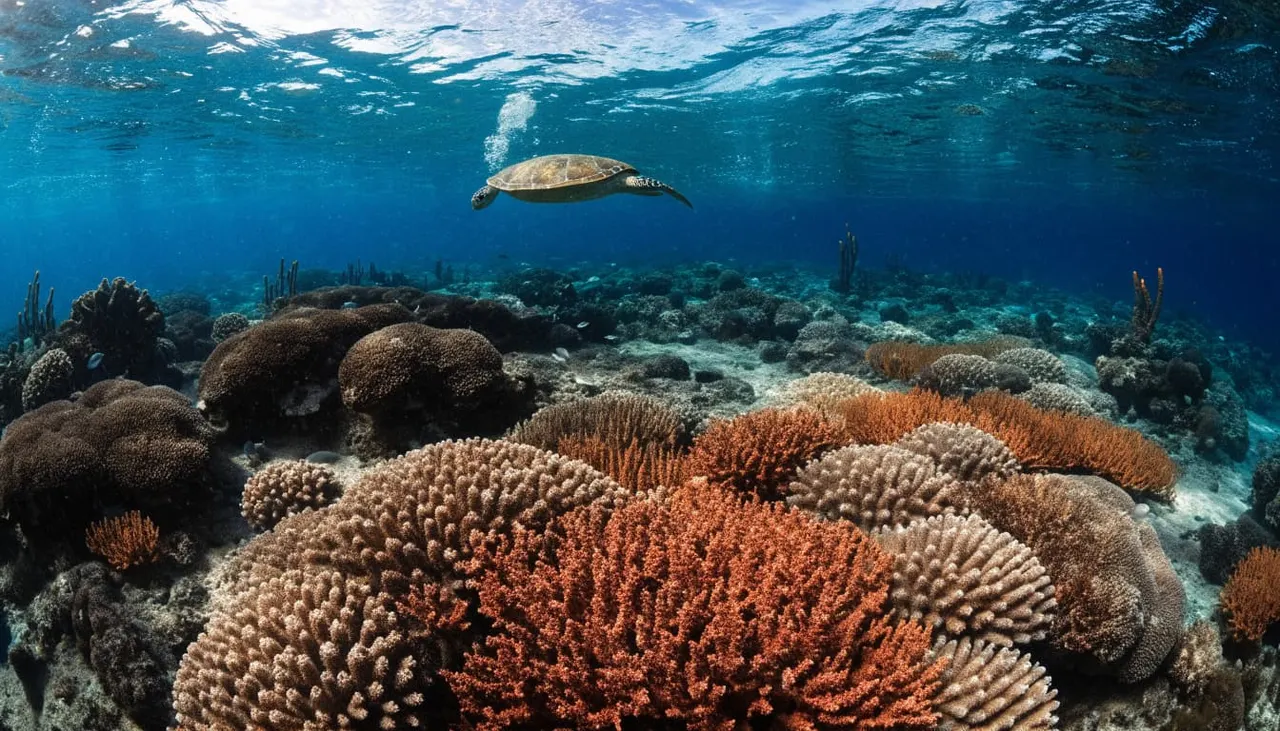
A parrotfish working along a reef surface is worth watching. You may hear or see it scrape as it feeds. Smaller fish often stay close to coral or rock, then dart into open water before returning to cover. Follow one fish for a few moments instead of trying to identify every fish at once.
Pay attention to how behavior changes across the reef. An exposed section may have steady movement, while a shaded gap appears empty until a fish slips out. Those differences make a familiar-looking patch of water more interesting on a second pass.
Look at the reef’s shape
Coral is living habitat, so observe it without using it as a handhold. Watch for rounded heads, branching forms, sand pockets, and the edge where the bottom drops away. These features give fish places to feed and shelter.
The reef also matters beyond what you can see through a mask. NOAA Fisheries’ account of Pacific coral reefs describes how Hawaiʻi’s reef communities help protect shorelines from storm waves. That wider role is one more reason to keep your fins clear of coral while you explore.
Read the Water Without Guessing at Wildlife
Follow light, color, and movement
Sunlight can make a pale sandy patch glow beside darker reef. As clouds pass overhead, the colors change again. Watch the boundary between bright bottom and deeper blue water; it helps you understand the shape of the place you’re swimming over.
When something moves at the edge of your vision, pause before swimming toward it. A passing fish, a shadow, or shifting light may be hard to identify at first glance. Your best view often comes when you hold your position and let the scene settle.
Include the surface in your view
You don’t need to stare straight down throughout your swim. Raise your eyes now and then to orient yourself to the boat, your group, and your guide. You’ll also notice how the surface changes with wind and swell.
For turtle snorkeling Oahu can offer a busy reef one day and a harder-to-read view another day. Water clarity affects how far you can see, not whether the habitat is worth respecting. If visibility makes you uneasy or you lose track of the group, tell your guide rather than swimming farther to find a better view.
Protect the Encounter You Hoped to Have
A turtle may appear late in the swim or pass through without stopping. Give it room to choose its route. NOAA’s marine-life viewing guidelines recommend staying at least 10 feet (3 meters) from sea turtles in Hawaiʻi, both in the water and on land.
Don’t touch, chase, feed, or block a turtle as it rises to breathe. If one swims toward you, stay calm and give it space to pass. The same hands-off approach applies when turtles aren’t present: avoid standing on coral, reaching into crevices, or disturbing fish for a closer photo.
A turtle-free swim is still a wildlife encounter. Your distance from the reef and its residents shapes what you’re able to watch.
Keep your fins behind you when you turn, especially above shallow coral. A slow, level float usually gives you a better look than repeated dives toward the bottom. You can enjoy the details without changing what the animals are doing.
Make a No-Turtle Swim Comfortable and Worthwhile
Settle your gear before searching
A leaking mask or rushed breathing can consume your attention. Before you leave the boat, ask for help adjusting your mask and flotation gear. Once you’re in the water, begin close to the group and take a moment to find an easy breathing rhythm.
If you’re snorkeling with a child or a first-timer, agree on a comfortable pace before looking for wildlife. Staying near the guide may matter more than covering distance. You can always pause, float, or return to the boat when you’ve had enough water time.
Let conditions guide the plan
Wind, swell, current, and visibility affect how a snorkel outing feels. Listen to the crew’s water-entry instructions, and speak up if you’re nervous about open water or getting back aboard. An organized entry and a clear return route make it easier to concentrate on what you see.
For turtle snorkeling Oahu trips, flexibility beats trying to force a particular sighting. If conditions change, follow the crew’s directions rather than swimming farther in search of turtles. Your comfort and the group’s boundaries should set the limits of your swim.
Choose In-Water Guidance for Turtle Canyons
Know what the outing offers
Living Ocean Tours’ Turtle Canyons Snorkel Excursion visits offshore reef habitat rather than requiring you to find a shore entry. The crew provides gear, instruction, and flotation support. Its boats also have shaded seating, restrooms, dry storage, and sturdy ladders for returning from the water.
The company says it is the only tour company with professional snorkel guides. That in-water help is useful when you want support with mask fit, breathing, or watching wildlife without crowding it. You can compare its Honolulu ocean tours before choosing a departure.
Choose the reef experience, even without a promise
At Turtle Canyons, a guide can help you slow down and notice fish, coral contours, and changes in depth while you keep an eye out for honu. Living Ocean Tours reports a high historical sighting rate, but no wild turtle encounter is guaranteed. That distinction matters when you’re deciding how to spend your vacation time.
If a guided reef visit appeals to you, CHECK AVAILABILITY for the Turtle Canyons outing. Arrive ready to follow the day’s conditions and enjoy what appears.
Key Takeaways for Your Reef Day
- Give one section of reef time to come into focus before moving on.
- Watch fish behavior, coral shapes, sand pockets, and changes in light.
- Stay with your group, follow your guide, and ask for help with gear early.
- Keep at least 10 feet from any turtle you encounter, and never touch coral or wildlife.
Turtle snorkeling Oahu is most enjoyable when the turtle remains a welcome surprise rather than the only measure of a good swim.
Questions You May Have Before You Go
Does visiting Turtle Canyons guarantee a turtle sighting?
No. Turtle Canyons is a natural reef area where green sea turtles may visit cleaning stations, but they move on their own schedule. Your guide can take you to the habitat and help you observe it. The guide cannot direct a wild turtle to appear.
What should you watch if the water looks empty?
Start with a smaller field of view. Watch a coral head or the edge of a sandy patch for a minute, then look toward nearby crevices and deeper water. Fish can be easy to overlook when you’re searching only for the size and shape of a turtle.
Can you still enjoy the trip if you’re new to snorkeling?
Yes, provided you’re comfortable with the day’s conditions and follow the crew’s instructions. Tell your guide about concerns before you enter. Help with gear, flotation, and water entry lets you spend less time troubleshooting and more time observing. If you need a break, return to the boat rather than pushing through discomfort.
A Better View of Oahu’s Reef
Coming up without a turtle sighting doesn’t mean you saw nothing. You may have watched fish feed, found shelter in the reef’s folds, and noticed how quickly light changes underwater.
Keep the strongest lesson with you: slow down and give wildlife space. That approach makes the reef worth visiting on its own terms, whether a honu swims past or not.


