
Turtle Snorkeling Oahu: How Turtles Find Clear Escape Routes
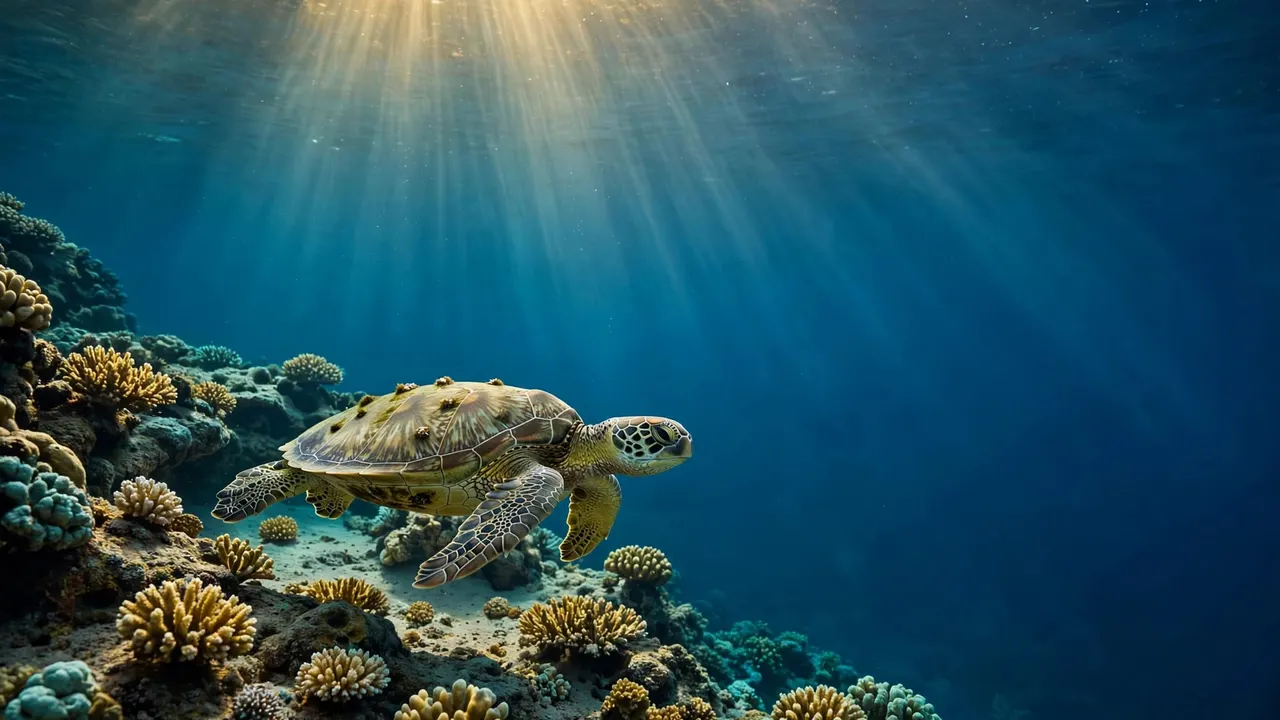
A Hawaiian green sea turtle can glide past a reef ledge, pause near a coral head, then head for open water without warning. Its movement may look planned, but you can’t know exactly why a wild honu changes direction.
When snorkeling with turtles on Oahu, your job is simple: give every turtle enough room to rest, feed, surface, and leave without changing course. A clear path creates a better wildlife encounter for you and less pressure for the turtle.
Key Takeaways for Respectful Turtle Watching
- Hawaiian green sea turtles, known locally as honu, are wild and protected animals. You are a visitor in their reef habitat.
- A turtle may use coral ledges, sandy gaps, and open blue water as it moves, but you can’t predict its next turn or know its intent.
- Keep at least 10 feet, or 3 meters, away from every sea turtle in the water and on shore.
- Never touch, feed, chase, surround, ride, or block a turtle. A close photo isn’t worth disrupting its normal behavior.
- Turtle Canyon is an offshore Waikiki reef where turtles may rest, feed, visit cleaning stations, rise for air, or move into deeper water.
- Professional in-water guidance helps your group stay calm, protect the reef, and leave turtles an open route to the surface.
What a Safe Escape Route Means During Turtle Snorkeling Oahu
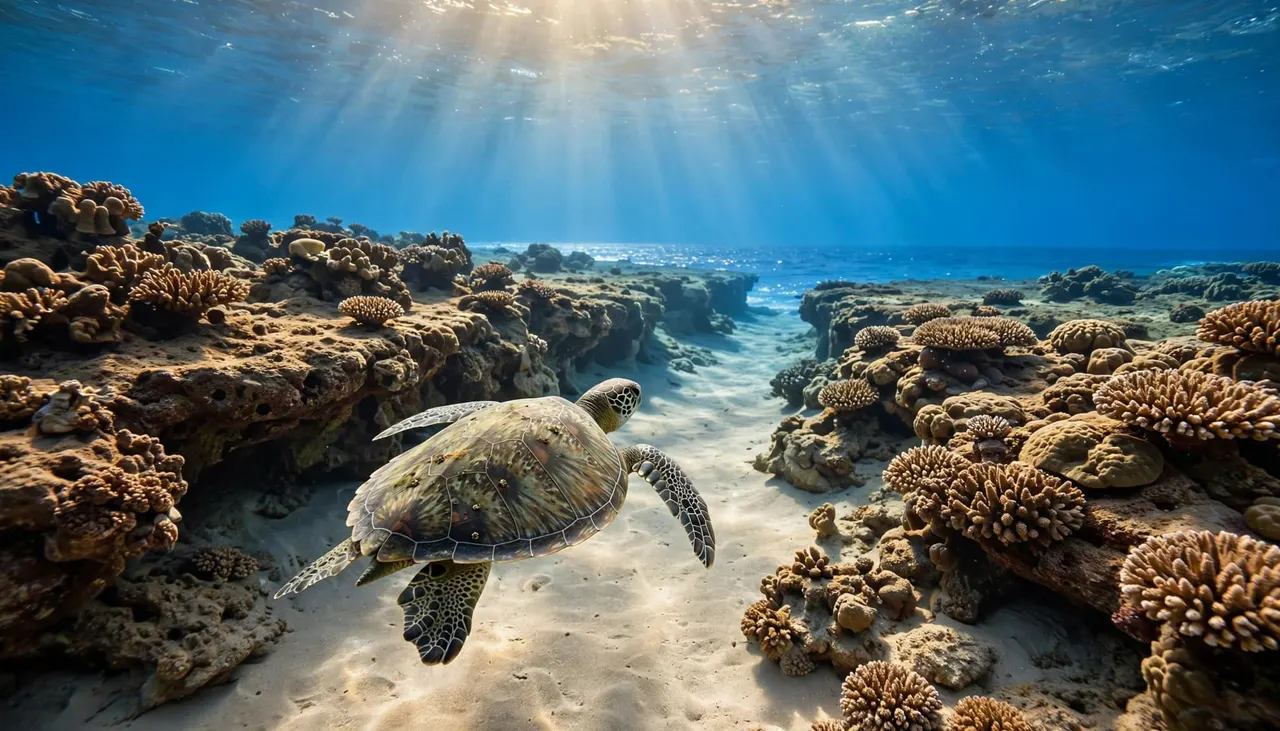
A “safe escape route” is a useful way to describe the clear water a turtle needs around it. It doesn’t mean you can read a turtle’s mind or identify one preferred path. You can, however, notice whether swimmers, fins, flotation devices, or reef structure are crowding the animal’s available directions.
Turtles need room to change course
Green turtles breathe air, so an underwater turtle must eventually reach the surface. It may rise in a gradual line, turn around a coral formation, or slip through an open channel toward deeper water.
When you see a turtle begin moving, don’t follow beside it. Instead, stop kicking, hold your position, and let it travel through the space you leave open. A turtle that passes within view on its own terms is far more memorable than one that has to dodge a group of swimmers.
NOAA’s Hawaii marine wildlife viewing guidance recommends staying at least 10 feet away from sea turtles, both on land and in the water.
Nearby turtles are not always traveling together
At Turtle Canyon, you may spot several honu across the same reef. That doesn’t prove they arrived as a group or share a lasting social bond. Productive reef habitat can draw independent turtles to the same area for food, rest, and cleaning activity.
Give each turtle its own space, even when several are visible. If one turtle moves toward the surface and another rests near the reef, avoid positioning yourself between them or cutting across the open water above them.
Read Reef Structure Without Guessing Turtle Behavior
A Turtle Canyon snorkel gives you a view of an active reef, not an aquarium. Coral heads, rocky ledges, sandy pockets, and blue-water edges all shape what you see, yet the turtle decides where to go and when to leave.
Notice open water around the reef
Look beyond the turtle before you move. A sandy gap between coral, a deeper-blue edge, or an unobstructed stretch toward the surface can all be useful travel space. Those features don’t prove a turtle’s intended route, but they show where your group should avoid gathering.
Keep your body horizontal and your kicks short. If you need to adjust your mask or catch your breath, move away from the coral and into an area where you aren’t closing off the turtle’s options.
The best turtle view is one where the animal keeps behaving naturally because you gave it room to do so.
Cleaning stations need calm water and patient guests
Living Ocean Tours describes Turtle Canyons as a natural cleaning station, where small reef fish may pick algae and other material from a turtle’s shell and skin. A turtle may hover near the reef, move slowly through the water column, or leave before you get a closer look.
That unpredictability is part of the experience. Hawaiian green turtles return to favored coastal areas, but no turtle appearance, pause, or departure can be scheduled. The NOAA green turtle species profile is a helpful resource for learning more about these protected marine reptiles.
How to Position Yourself Without Blocking a Turtle
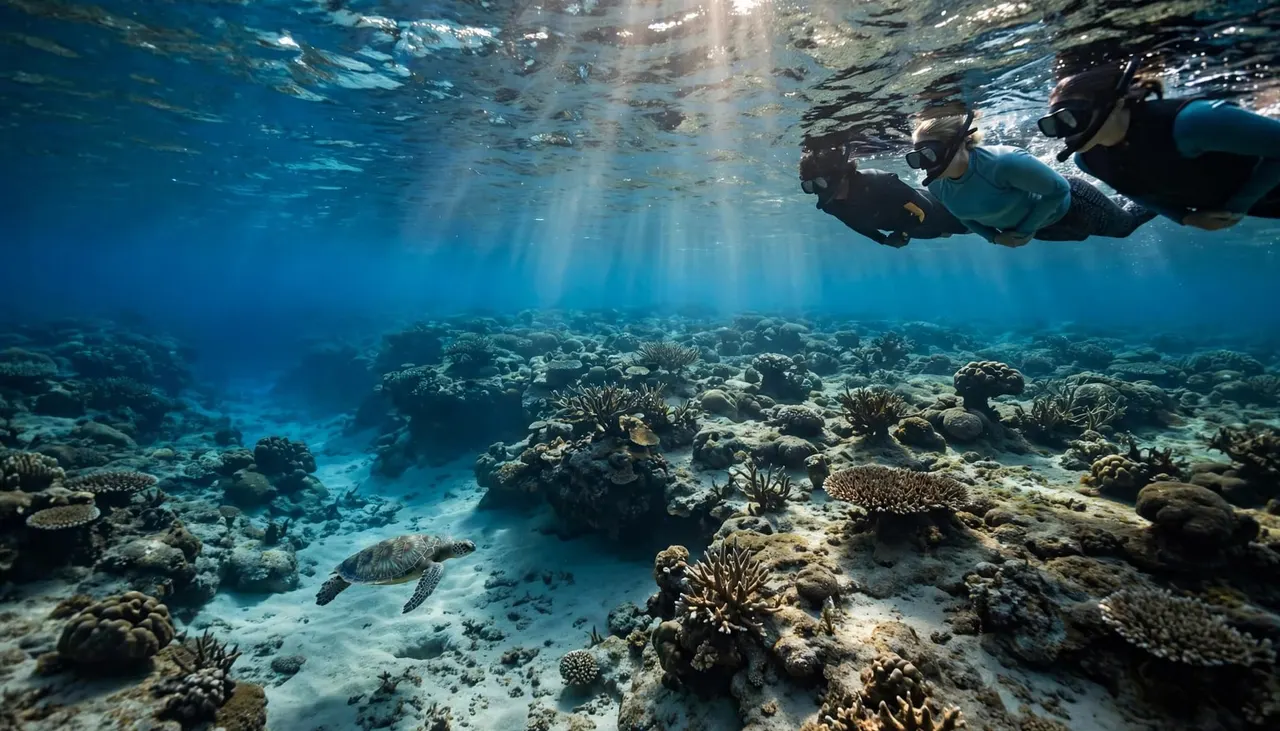
Your position matters more than your camera angle. In turtle snorkeling Oahu, a quiet float near the edge of the activity gives you a wider view while keeping the reef and turtle accessible to everyone else.
Stay to one side and leave a wide buffer
Picture a 10-foot circle around the turtle, then stay outside it. If visibility drops, give the animal even more room. The Hawaii Department of Land and Natural Resources sea turtle guidance uses the same 10-foot public viewing distance.
Avoid forming a ring around a turtle. Groups often drift together when excitement takes over, and that can leave the animal with no easy route toward open water. Spread out instead, and keep the water above the turtle clear.
If a honu swims in your direction, resist the urge to approach. Hold still, let it pass, and allow it to choose the distance.
Protect coral while you protect the turtle
Coral is living habitat, not a handhold or a place to stand. A fin strike can damage fragile reef structure or stir sand into the water, which lowers visibility for everyone.
Use slow kicks and flotation support if you need a rest. Tell your guide early if you’re tired, anxious, or uncomfortable in deeper water. You can always return to the boat, but a turtle can’t move freely if snorkelers are holding onto the reef in its path.
NOAA also says you should never attempt to interact with a wild sea turtle, even if it swims close to you. Review its advice on sharing the shore and sea with marine animals before your trip.
Guided Turtle Canyon Snorkeling From Waikiki
Living Ocean Tours departs from Kewalo Basin Boat Harbor, minutes from Waikiki, for wildlife-first reef excursions. As Oahu’s top-rated and most-reviewed turtle snorkeling tour company, it is also the only tour company with professional snorkel guides in the water with you.
Professional guides help you keep wildlife routes open
For beginners, families, and confident swimmers alike, in-water guidance makes a meaningful difference. A professional snorkel guide can help you fit gear, use flotation support, manage currents, and find a comfortable position without drifting too close to coral or wildlife.
That support also helps when a turtle suddenly rises to breathe or changes direction around the reef. Rather than following the turtle, you can settle into a calm viewing position and let the guide manage group spacing.
Choose a tour built around respectful observation
The Turtle Canyons Snorkel Excursion brings you to Waikiki’s offshore turtle habitat with gear, instruction, and professional support. Living Ocean Tours reports a 95% turtle-sighting rate for this excursion, but sightings are never guaranteed because the animals and ocean conditions set the terms.
Turtle snorkeling Oahu feels more rewarding when you treat the reef as a living place rather than a photo stop. You may see tropical fish, rays, eels, and turtles moving independently through the same habitat.
If a guided Turtle Canyon outing fits your plans, you can CHECK AVAILABILITY for an upcoming departure.
Conditions That Should Change Your Plan
Turtle snorkeling Oahu depends on real ocean conditions, not a fixed itinerary. Wind, current, swell, water clarity, and your comfort level can all affect whether you enter the water and where the group snorkels.
Tell the crew what you need before boarding
Let the crew know if you are new to snorkeling, traveling with young children, prone to seasickness, or uneasy in open water. Clear communication helps guides choose the right support and lets you start the trip with realistic expectations.
A confident snorkel isn’t about proving anything. It is about breathing comfortably, floating calmly, and keeping enough awareness to protect the reef and wildlife around you.
Skip the water when it doesn’t feel right
You don’t have to enter the water to enjoy the trip. If the conditions feel beyond your ability, stay aboard, watch for turtles surfacing, and take in the Waikiki coastline from the boat.
Choosing not to snorkel is a smart decision when you feel tired, anxious, or unsteady. A respectful turtle encounter starts with your own safety, because a calm swimmer is less likely to grab coral or block a turtle’s path.
Frequently Asked Questions
Can you tell where a turtle will swim next?
No. You can observe open channels, sandy gaps, reef edges, and clear water toward the surface, but you can’t know what a turtle will choose. Stay back, avoid cutting across its direction, and let it move freely.
Why does a turtle suddenly rise toward the surface?
Hawaiian green sea turtles are reptiles with lungs, so they must surface to breathe. A turtle’s upward movement isn’t an invitation to follow. Keep the route above it clear, hold your position, and let the animal take its breath without pressure.
What should you do if a turtle approaches you?
Stay calm and still. Don’t reach out, paddle toward it, or turn the moment into a close-up photo attempt. If you remain outside the turtle’s path, it can pass through naturally and continue its routine.
Give Every Turtle the Last Word
The most meaningful turtle snorkeling Oahu encounter is one where you watch a honu rest, glide, or surface without changing what it does because of you. Distance, calm fin control, and an open route matter more than getting closer.
When you give turtles room to choose their own direction, you protect the reef and take home a better memory of Hawaii’s wild ocean.


