
Turtle Snorkeling Oahu: Why Turtles Swim in Circles
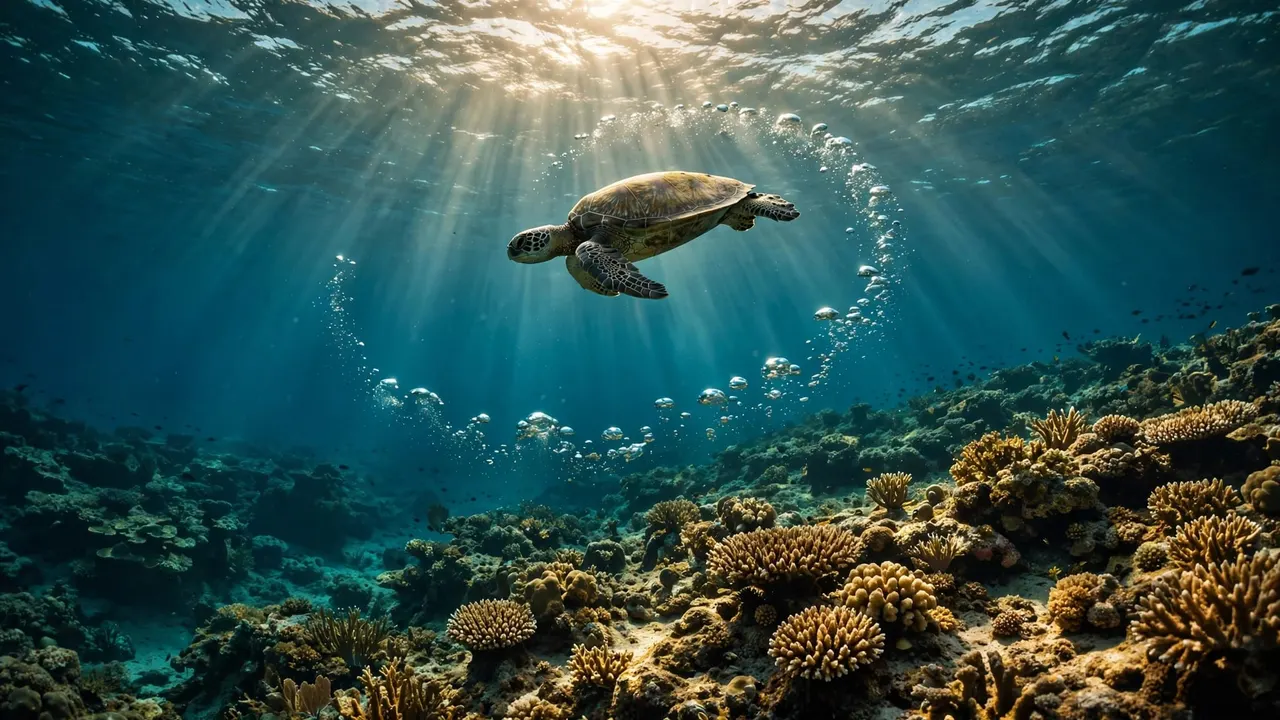
A Hawaiian green sea turtle can glide over a Waikiki reef, make a slow loop, and seem to circle the same patch of water again. During turtle snorkeling Oahu, that movement is exciting to watch, but it doesn’t give you a complete diagnosis of what the turtle is doing.
Your best encounter happens when you give a honu space to feed, rest, surface, and choose its own route. Patient observation lets you enjoy the reef without changing the behavior that brought you there.
Key Takeaways for Turtle Snorkeling Oahu
Living Ocean Tours departs from Kewalo Basin Boat Harbor, minutes from Waikiki, for wildlife-first reef trips. As Oahu’s top-rated and most-reviewed turtle snorkeling tour company, it is also the only tour company with professional snorkel guides in the water with you.
- A turtle’s circular route can relate to its activity around the reef, yet one movement alone doesn’t prove a single cause.
- Hawaiian green sea turtles, known locally as honu, must surface to breathe air and need an open path.
- NOAA recommends staying at least 10 feet, or 3 meters, away from turtles in the water and on shore.
- A calm, distant encounter gives you a better view of natural behavior than chasing a close photo.
Why Turtles Swim in Circles Near Oahu Reefs
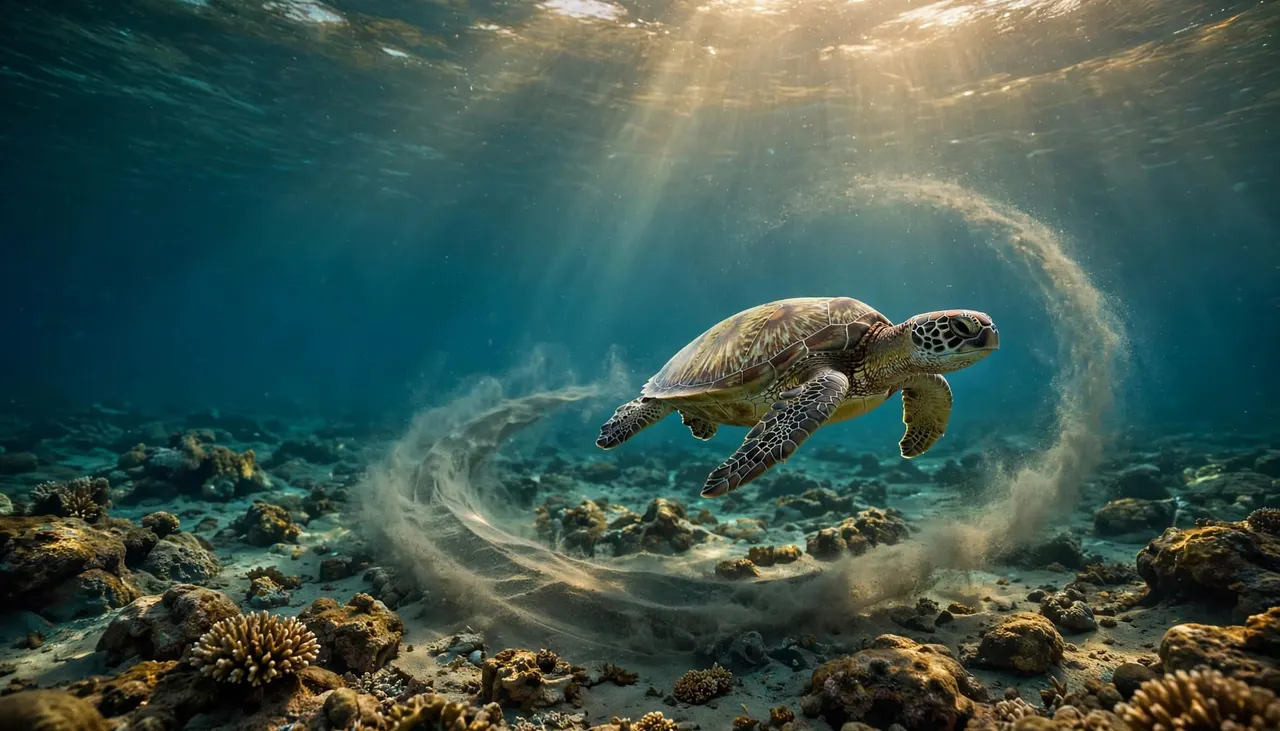
A turtle may circle a coral head, turn around a ledge, or retrace part of its route. Water movement, reef contours, food, nearby fish, and the turtle’s intended direction can all shape what you see.
During turtle snorkeling Oahu, treat the circle as an observation rather than a conclusion. The available wildlife guidance doesn’t establish one definite explanation for every looping turtle.
A circle doesn’t automatically mean a cleaning station
Turtle Canyons is known for reef habitat where green turtles may pause while small fish pick at algae and other material on the shell and skin. Still, a turtle circling nearby isn’t proof that it is waiting for cleaner fish.
A turtle might hover, turn, or move slowly around the same area before continuing toward open water. Let the animal set the pace. If it changes direction, don’t follow its new route.
Food and reef structure affect movement
Green turtles eat mainly algae and seagrasses, although their diet can include other available animal matter. NOAA’s green turtle species profile explains why healthy reef and coastal habitats matter to these animals.
Reef edges create shelter, current breaks, and feeding opportunities. Because of that, a turtle may make repeated passes through a productive area without interacting with snorkelers at all.
A circle is worth watching, but it isn’t an invitation to move closer or guess at the turtle’s health.
What You May Notice Around Waikiki’s Honu
Turtles are wild animals, not scheduled attractions. Their behavior changes with conditions, and every sighting has its own rhythm.
Several turtles can use the same reef independently
Seeing several honu around one reef doesn’t mean they arrived as a group or stay together as a social unit. Green turtles can share productive areas for resting, feeding, and cleaning while moving independently.
The shallow reefs near Waikiki have long provided turtle habitat. A NOAA-linked sea turtle biology workshop report describes turtles foraging along the shallow reef near the Sheraton Waikiki.
Keep scanning beyond the turtle. Schools of reef fish often shift around coral heads, while rays or eels may appear near ledges and sandy patches.
Surfacing is part of a turtle’s routine
Hawaiian green sea turtles are reptiles with lungs. They can rest or cruise underwater for long periods, but they must return to the surface for air.
If a turtle begins a steady rise, hold your position and let it pass. Its movement toward the surface isn’t a request for company. A clear route matters more than a close photograph.
Basking is different. NOAA’s Pacific Islands sea turtle guidance describes basking as a behavior where honu leave the water and rest on sand.
Give Every Turtle Room to Behave Normally
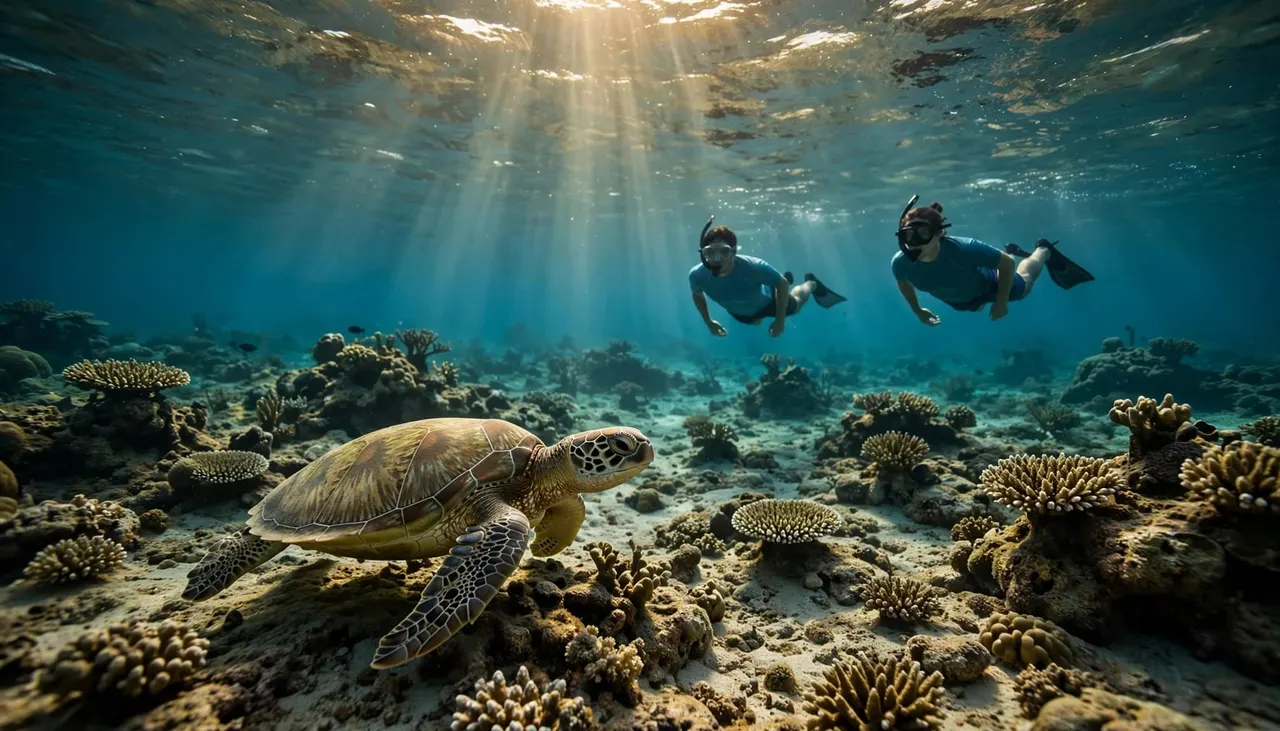
A turtle that looks relaxed can still be stressed if swimmers crowd it, block its ascent, or repeatedly close the distance. Respectful snorkeling protects the turtle and makes the experience better for everyone nearby.
Keep a 10-foot buffer in the water
NOAA’s Hawaii marine wildlife viewing guidance recommends at least 10 feet, or 3 meters, of distance from sea turtles on land and in the water.
Use open water and reef features to judge your position. When visibility is poor, add more space. If a turtle swims toward you, stay calm, float in place, and allow it to choose the route.
The Hawaii Department of Land and Natural Resources repeats the same 10-foot guidance in its sea turtle protection information. That buffer is not a suggestion to hover at the edge. It is the minimum room a turtle needs.
Keep hands, fins, and cameras out of its path
Never touch, feed, chase, ride, surround, or block a turtle. Feeding or touching wildlife can change its normal behavior and increase its risk of harm.
Keep your body horizontal and use slow fin strokes when you need to reposition. Avoid standing on coral, even in shallow water. A flotation vest can help you stay relaxed at the surface and prevent accidental contact with the reef.
For children, one rule is easy to remember: look with your eyes, never with your hands. A distant turtle gliding freely is the photo and memory worth keeping.
Choose a Guided Reef Trip That Puts Wildlife First
When turtle snorkeling Oahu is high on your vacation list, a guided outing can remove much of the uncertainty around gear, ocean entry, and reef etiquette. You can spend more time watching the water and less time worrying about where to look.
Get comfortable before you enter the water
Living Ocean Tours provides fitted snorkel gear, flotation support, and clear instruction before guests enter the ocean. The crew welcomes first-time snorkelers, confident swimmers, families with children ages 3 and older, and couples seeking a relaxed reef experience.
The Coast Guard-inspected Coral Kai and Lokahi offer shaded seating, onboard restrooms, dry storage, and sturdy ladders for water entry. If boat motion concerns you, the Lokahi’s SeaKeeper stabilization system helps reduce roll while underway.
Professional snorkel guides stay in the water with you, helping you settle into a comfortable pace while keeping wildlife viewing respectful.
Let the ocean set the terms
Wildlife sightings are never guaranteed. A turtle might appear close to the boat, move into deeper water, or remain out of view despite ideal conditions.
That uncertainty is part of a real ocean encounter. Ask the crew about the day’s wind, swell, water clarity, and snorkel plan. Share concerns about seasickness, swimming ability, or young children before departure.
Make the Most of a Turtle Sighting
The closer you try to get, the sooner a wildlife moment can end. A better approach gives you time to notice details that are easy to miss during a rushed swim.
Watch the whole scene, not only the shell
Notice how the turtle holds its front flippers, how reef fish move near it, and where it heads next. Watch for its line to the surface, then stay clear.
You may see a turtle pause near coral, make a broad turn, or move through open blue water. Each action belongs to the animal’s own routine. Your role is to observe without interrupting it.
If you bring a camera, use its zoom rather than swimming closer. Secure any loose straps so they cannot drag across coral or tangle around wildlife.
Tell the crew about clear signs of distress
A slow turtle or a turtle resting on the reef isn’t automatically injured. You can’t assess its health accurately through a snorkel mask.
However, fresh wounds, fishing line, entanglement, obvious trouble swimming, or a dead turtle deserve attention from trained responders. Stay back, tell your guide, and report what you saw with a clear location and time.
During turtle snorkeling Oahu, the safest response is usually to leave intervention to authorized wildlife professionals. Your distance can protect an animal that may already be under stress.
FAQ About Turtle Circling Behavior
Is it normal for a turtle to swim in circles?
A broad loop or repeated turn can be part of normal movement around a reef. It may relate to currents, food, reef structure, or the turtle’s chosen direction.
You can’t identify one definite cause from a brief encounter. Watch quietly, keep your distance, and let the turtle continue without pursuit.
Does circling mean a turtle wants help?
No. A turtle’s calm or unusual-looking movement doesn’t mean you should approach, touch it, or attempt a rescue.
If you see clear injury or entanglement, alert your crew. Otherwise, preserve the animal’s space and avoid turning curiosity into disturbance.
Can you always see turtles near Waikiki?
No wildlife sighting comes with a guarantee. Waikiki’s reefs can offer excellent habitat, but ocean conditions and animal behavior decide what appears on a given trip.
That is why turtle snorkeling Oahu feels special. You are watching a wild honu use its own home on its own schedule.
A Better Turtle Encounter Starts With Space
A turtle swimming in circles can be fascinating, yet the honest answer is that one pattern rarely tells the whole story. Watch the reef, notice the turtle’s route, and avoid assigning a cause you can’t confirm.
When you give honu room to surface, rest, and move freely, you see more of their natural behavior. Respectful distance keeps the encounter safe, calm, and memorable for both you and the turtle.


