
Turtle Snorkeling Oahu: How to Choose a Flotation Vest
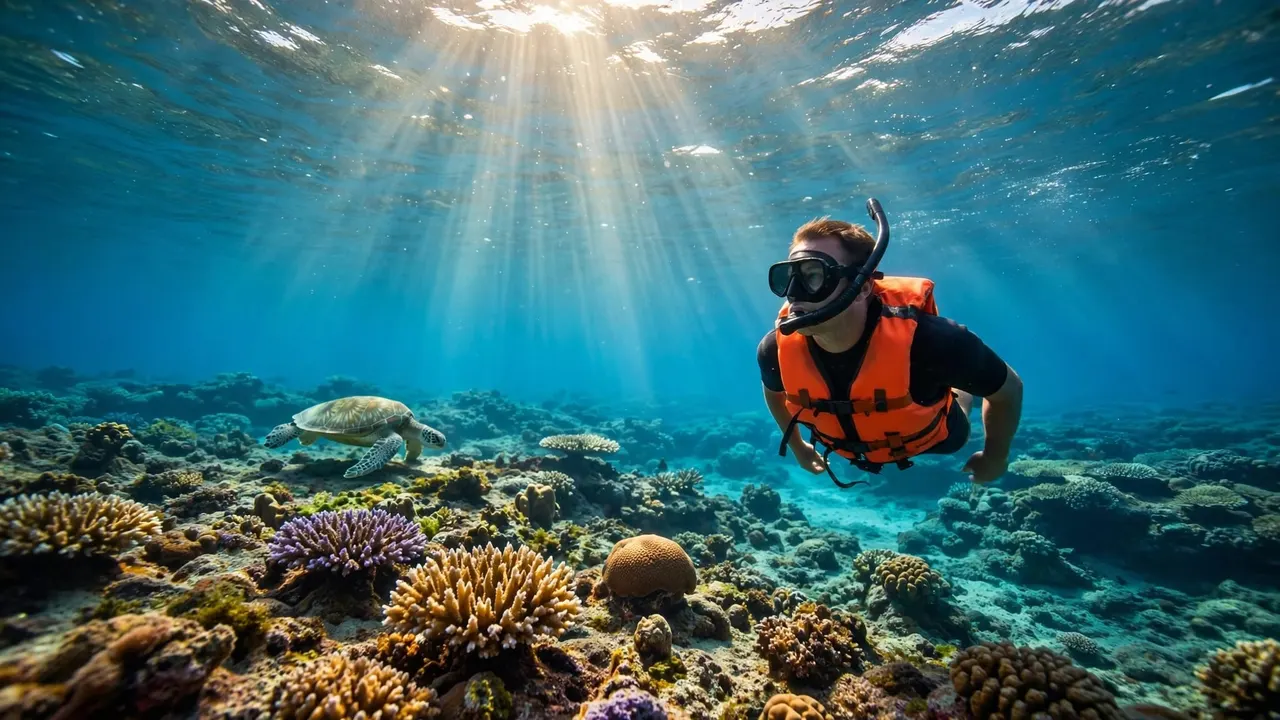
A flotation vest can turn your first minutes in the ocean from tense to comfortable. For turtle snorkeling Oahu, the right fit helps you float calmly, save energy, and keep your attention on the reef instead of your breathing.
You don’t need to be an elite swimmer to enjoy a guided snorkel trip, but you should have basic swimming ability before entering open water. A secure vest, well-fitting mask, and patient instruction give you a far better start.
Key Takeaways
- Choose a vest that feels secure across your chest without restricting your breathing or shoulder movement.
- Ask for a fit check on deck, then test your buoyancy close to the boat before swimming farther out.
- Children need properly sized flotation gear. Adult life jackets and vests don’t fit children safely.
- A snorkeling vest helps you stay relaxed at the surface, but it doesn’t replace awareness, instruction, or safe choices.
- Keep at least 10 feet away from Hawaiian green sea turtles, and never touch, chase, feed, or block them.
- Tell your guide early if you feel tired, cold, nervous, dizzy, or uncomfortable with your equipment.
Start With Your Comfort Level
Your flotation choice should match your confidence in open water, not what you think an experienced snorkeler would wear. A vest is a practical support tool. It lets you settle into a horizontal floating position and use slow, efficient fin kicks.
For turtle snorkeling Oahu, surface floating is enough. You can watch reef fish, coral, and turtles without diving down or fighting to stay afloat. If you are returning to snorkeling after years away, start with more support and adjust once you feel comfortable.
Know what a vest can do
A snorkeling flotation vest adds buoyancy around your torso. Many models use an oral inflation tube, so you can add only the amount of air that feels comfortable. A crew member can show you how it works before you enter.
Your goal is calm control, not complete immobility. You should still be able to turn, look down through your mask, and move your legs without strain. If the vest lifts into your chin or pulls at your neck, ask for an adjustment.
Know what it cannot do
A flotation vest doesn’t make unsafe conditions safe, and it doesn’t replace basic swimming ability. You still need to listen to the crew, stay aware of your distance from the boat, and return before fatigue sets in.
If you see an injured turtle, fishing line, or restricted flipper movement, notify a guide. Don’t attempt a rescue yourself. Trained responders can assess the situation without adding stress to the animal.
What a Snorkeling Flotation Vest Should Do
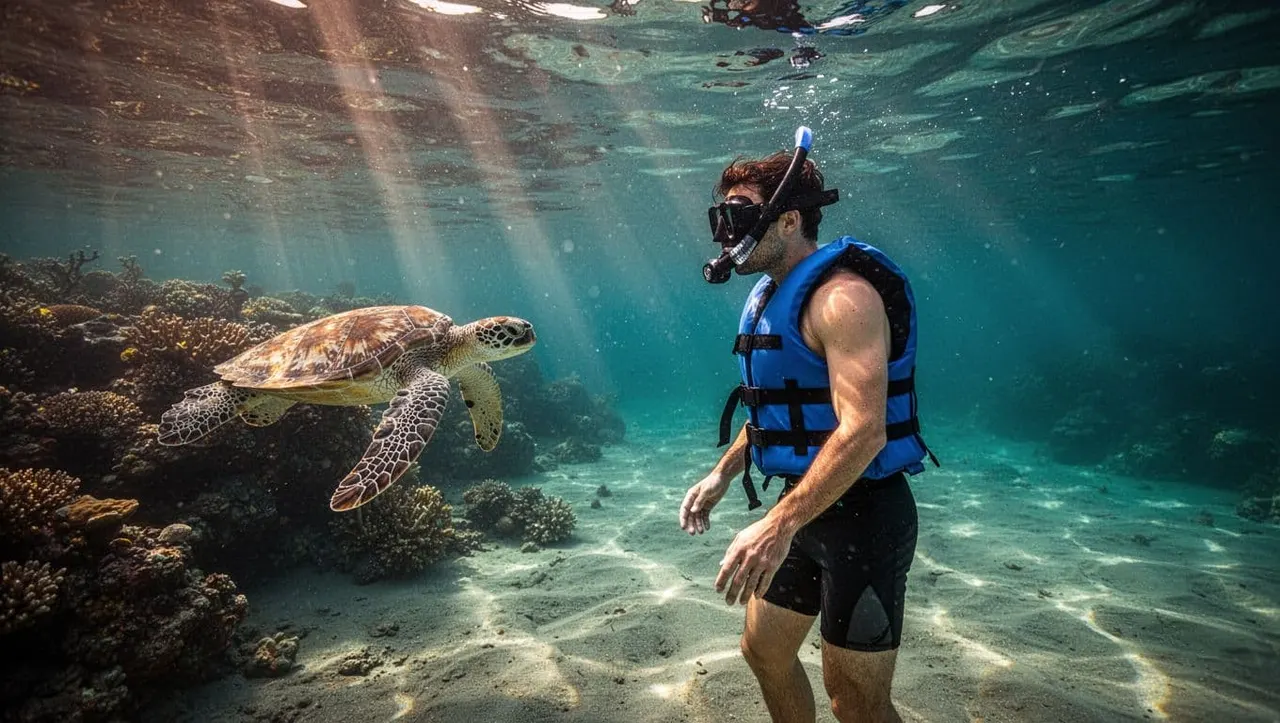
A good vest feels snug, balanced, and easy to adjust. It should stay low on your torso, leave room for a full breath, and allow you to climb a ladder without catching or twisting.
The U.S. Coast Guard notes that approved life jackets and buoyancy aids come in many shapes and sizes, including flexible designs. Review its guidance on wearing a life jacket before choosing personal flotation gear for a boat day.
Fit the straps before you enter
Stand upright and fasten every buckle. The vest should feel secure without squeezing your ribs. Raise both arms, bend slightly, and take several full breaths. If the vest rides toward your shoulders, tighten the lower straps or ask the crew for a different size.
Your swimsuit or rash guard can affect the fit. Tell the crew if you are wearing a thicker long-sleeve top, leggings, or other coverage under the vest. Small changes are easier to make on deck than while you are treading water.
Check buoyancy in shallow water
Once you enter, stay near the boat or ladder for a minute. Float face-down, breathe through your snorkel, and see whether your body rests comfortably at the surface. Add a little air only if you need it.
A vest should help you relax at the surface. Too much inflation can make it harder to look down, kick naturally, and manage your mask.
If your mask leaks or your fins feel restrictive, pause and ask for help. Tightening every strap rarely fixes a poor fit. A guide can reposition the gear before frustration builds.
Compare Common Flotation Vest Options
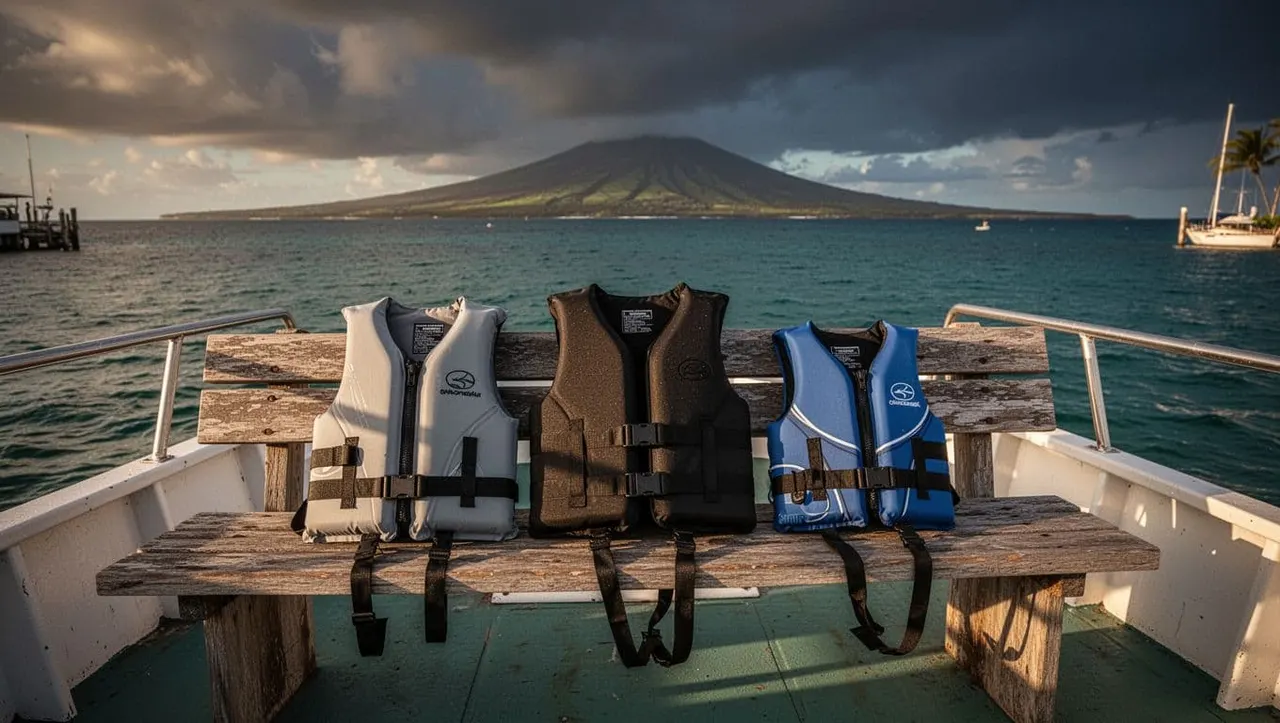
Tour operators may offer different types of flotation support. Ask what is included, how sizing works, and whether you can try the equipment before departure.
| Option | Best use | What to check |
|---|---|---|
| Inflatable snorkel vest | Swimmers who want adjustable buoyancy | Inflation tube, waist fit, freedom to kick |
| Foam flotation vest | Guests who prefer steady built-in support | Secure straps, shoulder comfort, easy movement |
| Child-sized flotation gear | Young snorkelers who need a close fit | Age and weight guidance, snug adjustment, crew approval |
The best option is the one that lets you breathe steadily and float without a struggle.
Adjustable inflatable vests
Inflatable snorkeling vests are popular because you can control how much buoyancy you use. Start with a modest amount of air. Then add more if you feel tense or find yourself working too hard to stay afloat.
Avoid overinflating the vest before you know how it feels in the water. A heavily inflated vest can push your body upright, which makes it harder to watch the reef and can tire your legs.
Foam vests and child sizing
Foam vests give you consistent buoyancy without inflation. They can suit guests who want simple, steady support, especially during a short guided snorkel.
Children need equipment made for their size. The Coast Guard’s life jacket selection guide warns that adult life jackets do not work for children. Ask the operator about available sizes before booking, especially if your child is small, between sizes, or new to ocean swimming.
Fit Your Gear as a Complete System
A flotation vest works best when the rest of your gear feels right. A leaking mask, pinching fins, or loose swimsuit can distract you enough to make the ocean feel harder than it is.
Arrive ready to speak honestly about your comfort level. Let the crew know if you are a first-time snorkeler, wear contacts, need a smaller mask, get cold easily, or have concerns about moving around on a boat.
Start with the mask and snorkel
Test your mask against dry skin before putting the strap on. Press it lightly to your face and breathe in through your nose. It should hold briefly without painful pressure.
Keep hair away from the silicone skirt. If water enters, don’t keep tightening the strap. Instead, pause, clear the mask, and ask a guide to help reposition it. A traditional mask and snorkel are easier to adjust when you are learning.
Choose fins that don’t fight your feet
Fins should feel secure at the heel without pinching your toes or rubbing your ankles. Long, easy kicks are more effective than fast splashing. They also help you stay horizontal and keep your fins away from coral.
Bring a towel, drinking water, sun protection, and a dry layer for the ride back. Ocean wind can feel cool after you leave the water, even on a warm Waikiki day.
Give Turtles Room to Move Naturally
The purpose of turtle snorkeling Oahu is to watch Hawaiian green sea turtles behave naturally. The most memorable encounters often happen when you float quietly and let the animal choose its own route.
NOAA Fisheries recommends staying at least 10 feet, or 3 meters, from sea turtles in Hawaii. Its marine-life viewing distances apply both on land and in the water.
Avoid the photo chase
Don’t swim directly toward a turtle, surround it with your group, or block its path to the surface. A turtle may be resting, feeding, or moving through the reef. Give it open water and watch from where you are.
Keep your camera close to your body and take photos from a respectful distance. A calm, wide view of a turtle over the reef is better than a crowded close-up that changes its behavior.
Protect the coral below you
Coral is living habitat. Don’t stand on it, grab it for balance, or let your fins scrape it when the water gets shallow. Your vest helps here because it lets you float higher and stay off the reef.
Professional guides can reposition the group if a turtle approaches or conditions shift. Stay close enough to hear instructions, but leave enough open space for wildlife to pass.
Choose Guided Turtle Snorkeling Oahu Support
Living Ocean Tours operates from Kewalo Basin Boat Harbor, minutes from Waikiki. The company uses Coast Guard-inspected double-decker vessels with shaded seating, restrooms, dry storage, and sturdy ladders for water entry.
Living Ocean Tours is the only tour company with professional snorkel guides in the water with you. That support helps if you need a mask adjustment, a buoyancy check, or a calm reminder to slow down and float.
Get in-water help at Turtle Canyons
The Turtle Canyons Snorkel Excursion includes gear, flotation support, instruction, and professional guidance around reef conditions and wildlife etiquette. Living Ocean Tours reports a 95% turtle-sighting rate at the natural cleaning station, though wildlife sightings always depend on conditions and the turtles’ movements.
You can browse Waikiki ocean tours with sea turtles to find an outing that fits your group’s comfort level. First-time snorkelers can practice near the boat, take a break whenever needed, or remain onboard if they decide not to enter the water.
Match the trip to your group
Couples may prefer a focused turtle outing with time to settle into the water together. Families should ask about children’s gear sizes, swim requirements, and the best way to keep young snorkelers close to the guide.
For a more active family day, the Deluxe Waikiki Snorkeling and Wildlife Cruise visits a less-crowded reef and includes a boat-mounted waterslide, water trampoline, and floating lily pad. On the Lokahi, a SeaKeeper stabilization system helps reduce boat roll for guests who are prone to seasickness.
Frequently Asked Questions
Do you need to be a strong swimmer?
You should have basic swimming ability before entering open water. However, you don’t need to be an expert swimmer to enjoy turtle snorkeling Oahu with a properly fitted vest, patient instruction, and professional in-water support.
Tell the crew if you feel unsure. You can practice close to the ladder, use flotation support, take breaks, or stay on the boat.
Should you bring your own flotation vest?
You can bring familiar gear if the operator allows it, but ask ahead about approval, fit, and tour requirements. Many guided outings provide flotation support, which saves you from traveling with bulky equipment.
Even if you bring your own vest, have a crew member check the fit before you enter the ocean.
What should you do if you get tired?
Signal your guide or buddy right away. Hold onto your flotation device, rest at the surface, and return to the boat before you feel exhausted.
You never need to prove your ability by staying in the water too long. A comfortable exit is part of a safe snorkel.
Make Your Vest Part of a Better Ocean Day
The right flotation vest helps you breathe slowly, conserve energy, and enjoy the reef at your own pace. For turtle snorkeling Oahu, that extra comfort also makes it easier to give wildlife the space it deserves.
Fit your gear before you enter, stay close to your guide, and return to the boat while you still feel good. Calm floating leaves more room for the turtles, coral, and moments you came to see.


