
Turtle Snorkeling Oahu: What Children Should Know
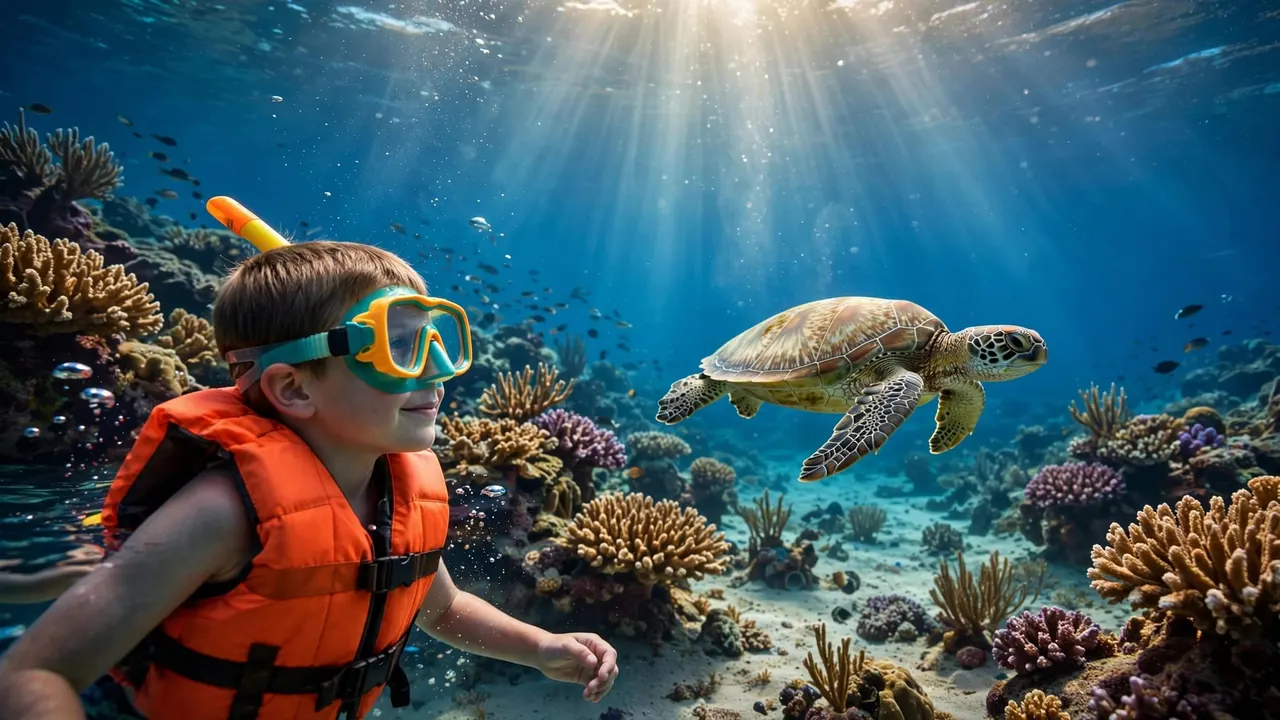
A Hawaiian green sea turtle can turn an ordinary swim into the moment your child talks about all vacation. Yet turtle snorkeling Oahu works best when children know that a honu is protected wildlife, not an underwater pet or a photo prop.
Living Ocean Tours departs from Kewalo Basin Boat Harbor near Waikiki and is the only tour company with professional snorkel guides. Before you climb aboard, give your child a few clear rules that protect both your family and the turtles.
A calm, prepared child can spend less energy worrying about gear and more time watching the reef.
Key Takeaways for Young Snorkelers
- Stay at least 10 feet away from every sea turtle, whether you are in the water or standing on shore.
- Never touch, feed, chase, surround, ride, or block a turtle.
- Float calmly and let the turtle choose where it swims.
- Tell a guide or parent if your mask leaks, your ears hurt, or you feel nervous.
- Children who cannot swim should enjoy the cruise from the boat instead of entering the water.
- Turtle snorkeling Oahu is a wildlife encounter, so sightings are never guaranteed.
A turtle swimming close to you does not mean you should swim closer. Stay still, let it pass, and keep its route open.
Turtle Snorkeling Oahu Starts With Respect
Children often see turtles as friendly characters. In the ocean, however, they are wild animals that need room to rest, feed, surface, and travel through the reef.
Hawaiian green sea turtles are known locally as honu. Seeing one near Waikiki is special because you are watching an animal in its own home.
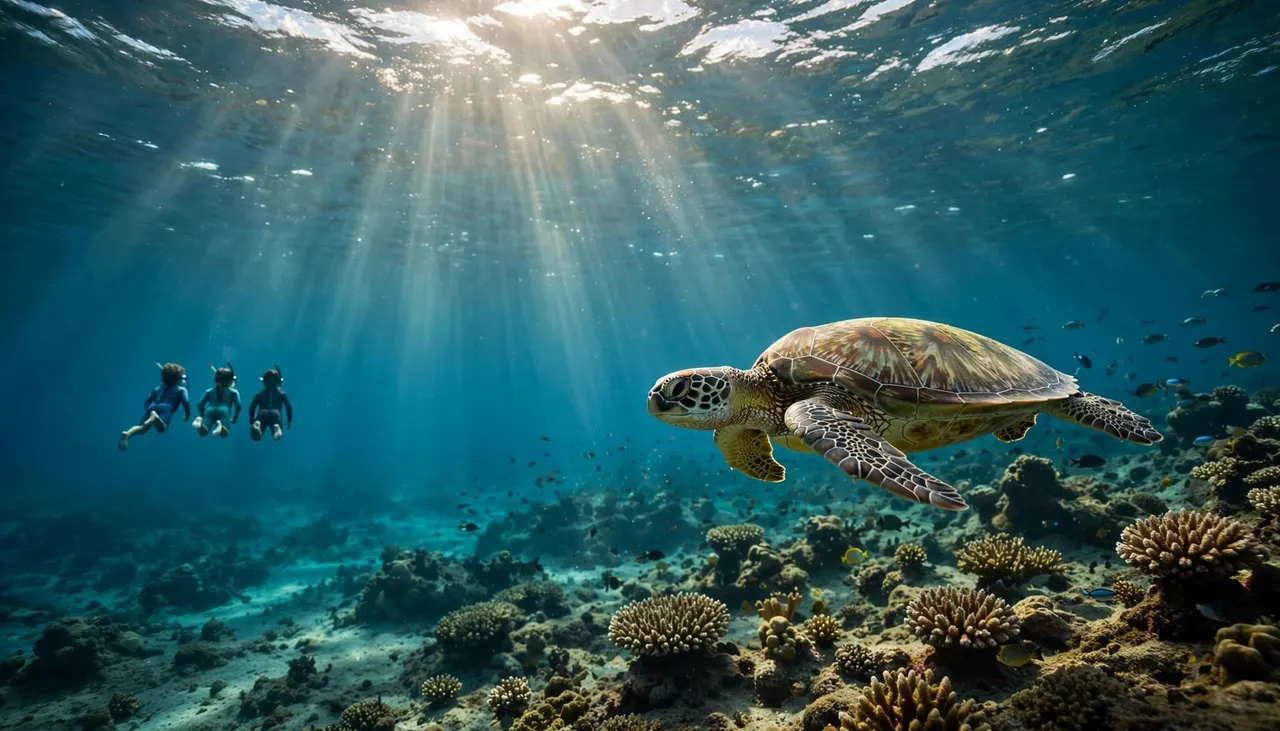
Honu Are Protected Wildlife
Teach your child one simple idea before the boat leaves the harbor: look with your eyes, never with your hands. A turtle may appear relaxed, but reaching for its shell can scare or injure it.
You should also keep cameras in perspective. A distant photo of a turtle gliding over coral is better than a close-up that changes the turtle’s behavior. If your child wants a better view, encourage them to float quietly and use their mask, not their fins, to move closer.
Remember the 10-Foot Rule
The Hawaii Department of Land and Natural Resources recommends a viewing distance of at least 10 feet, or 3 meters, from sea turtles on land and in the water. Review the state’s sea turtle viewing guidance with older children before your trip.
Ten feet can feel like a long way when a turtle appears nearby. Still, that space gives the animal a clear path and helps your child see natural behavior. A turtle may graze on algae, glide above the reef, or surface for air without a crowd of swimmers around it.
How Children Should Behave in the Water
A few easy habits help your child stay comfortable and help the reef stay healthy. Go over them before they put on a mask, when everyone is dry and able to listen.
Float First, Then Watch
Children should keep their bodies on the surface and move slowly with small fin kicks. Fast splashing can make it harder to see and may disturb nearby wildlife.
If a turtle comes into view, have your child stop kicking, look toward the guide, and float. This gives the turtle room to choose its direction. It also keeps your family together instead of sending excited swimmers in different directions.
For younger children, staying beside a parent and near the guide is the best plan. They do not need to dive below the surface to enjoy the reef.
Keep Fins Away From Coral
Coral can look like rock, yet it is living habitat for fish and other marine animals. Tell children not to stand on it, grab it, or use it to steady themselves.
A horizontal floating position helps. Your child’s fins should remain behind them and above the reef. If they feel tired, uneasy, or too close to coral, they should signal an adult and return to open water.
Keep every wrapper, cup, hat, and snack aboard the boat. Even small items can harm the ocean if they blow overboard.
Is Your Child Ready to Snorkel?
Age alone does not tell you whether a child will enjoy an ocean snorkel. Swimming confidence, comfort in open water, and a willingness to follow instructions matter more.
The Turtle Canyons excursion has a minimum age of 3, and children under 16 need adult supervision. Your child should have basic swimming ability before entering the water.
Practice the Breathing Before Departure
Breathing through a snorkel can feel strange at first. If possible, let your child practice in a pool or calm shallow water before your trip. Ask them to put their face in the water, breathe slowly, lift their head, and repeat.
Your child should also know what to do if water gets into the mask. Rather than panicking or pulling off all their gear, they should raise their head, signal an adult, and ask for help. A guide can adjust a mask or flotation setup before the problem takes over the experience.
Choose Boat Viewing When Needed
A child who is not a confident swimmer can still have a great morning on the water. They can watch the coastline, look for turtles near the surface, and enjoy the boat with a parent.
Do not pressure a nervous child to get in. Waiting on board is a smart choice when the water feels intimidating. A positive first boat trip can build confidence for a future snorkel.
Prepare for a Smooth Waikiki Boat Day
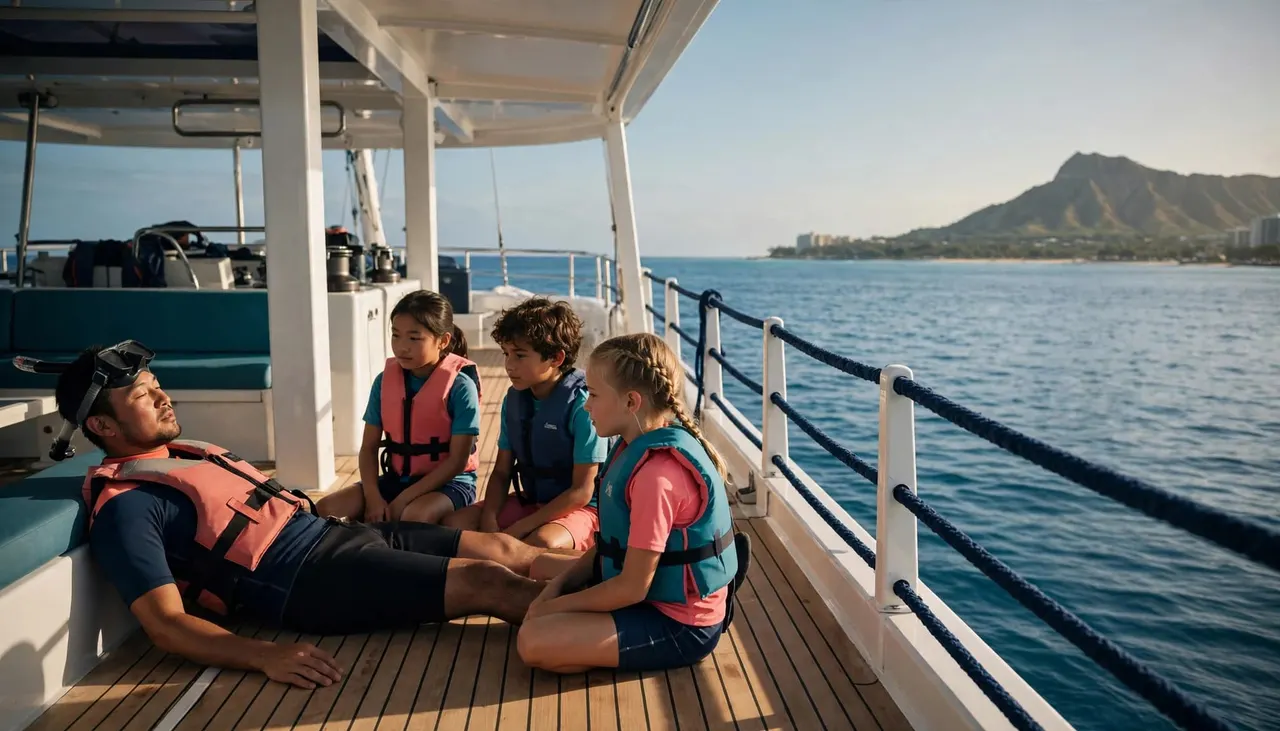
A little planning helps you avoid a rushed start. Living Ocean Tours checks in at Kewalo Basin Harbor, 1125 Ala Moana Boulevard, Slip B-01, Honolulu. Arrive about 15 minutes early and complete any requested waiver before your departure.
Pack for Comfort, Not Complication
Bring swimwear, a towel, a cover-up, drinking water, and a dry change of clothes. A rash guard gives children extra sun coverage and reduces how much sunscreen they need.
If motion sickness concerns you, ask a health professional about age-appropriate options before travel. On the boat, fresh air, a seat facing the horizon, and a light breakfast can help your child feel steadier.
Tell the crew early if your child feels anxious, cold, or queasy. Small adjustments are easier before they become a bigger problem.
Listen to the Snorkel Briefing
Professional snorkel guides can help fit masks, fins, and flotation gear. Have your child speak up if the mask feels tight, leaks, or fogs up. A proper fit makes the reef easier to see and helps them stay relaxed.
The crew will also explain where to enter, how to use the ladder, and where to wait after a swim. Children should hold the rail when directed, allow the person ahead to clear the entry area, and never rush on wet deck surfaces.
Choose the Right Oahu Turtle Experience
The best outing fits your child’s ability and your family’s pace. A focused turtle trip can work well for wildlife-loving kids, while a longer cruise with extra activities may suit a mixed-age group.
Turtle Canyons for a Wildlife-Focused Outing
The Turtle Canyons Snorkel Excursion cruises the Waikiki coastline to a natural turtle cleaning station. Reef fish may remove algae and small organisms from turtles, creating a memorable chance to observe wildlife from a respectful distance.
Living Ocean Tours reports a 95% turtle-sighting success rate at Turtle Canyons, although ocean conditions and animal behavior always decide what you see. The two-hour trip includes gear, instruction, and in-water support for first-time snorkelers and confident swimmers.
If turtle snorkeling Oahu is the priority for your family, CHECK AVAILABILITY before setting the rest of your Waikiki plans.
A Longer Cruise With Room to Play
The Deluxe Waikiki Snorkeling and Wildlife Cruise spends more time on the water and visits a less-crowded reef. Along with snorkeling, children can enjoy a boat-mounted waterslide, water trampoline, and floating lily pad.
The Lokahi has a SeaKeeper stabilization system that reduces boat roll, which may help if someone in your group worries about seasickness. Shaded seating, restrooms, dry storage, and sturdy ladders also make a family outing more comfortable.
For a reef day that mixes snorkeling with water play, CHECK AVAILABILITY for the Deluxe Waikiki Snorkeling and Wildlife Cruise.
Help Your Child Handle a Turtle Sighting
Excitement can make children forget rules they understood five minutes earlier. Give them a short plan that is easy to remember: stop, float, look, and leave space.
Let the Guide Manage the Group
When turtles appear, stay near your professional snorkel guide and listen for directions. A guide can help swimmers spread out instead of gathering in a tight circle around an animal.
If your child spots a turtle first, praise them for pointing it out without racing toward it. The goal is to watch the turtle move naturally, not to be the closest swimmer.
Living Ocean Tours keeps this wildlife-first approach at the center of its family-friendly ocean tours. You get clear guidance while your child builds confidence in the water.
Know When to Return to the Boat
Your child should return to the boat if they feel tired, cold, scared, or uncomfortable. They should also come back if their mask keeps leaking or their ears hurt.
A shorter, happy swim is better than forcing extra time in the water. Once back on board, your child can warm up, have a drink, and enjoy the view from shaded seating.
Frequently Asked Questions
Can children touch a turtle if it swims close?
No. Your child should stay calm, keep their hands to themselves, and let the turtle pass. Touching, feeding, chasing, blocking, or surrounding turtles can disrupt protected wildlife.
Will my child definitely see a turtle?
Wildlife sightings cannot be promised. Turtle Canyons is known for frequent turtle encounters, and Living Ocean Tours reports a 95% sighting rate, but every outing depends on conditions and the animals themselves.
What if my child cannot swim?
A nonswimming child should remain on the boat with an adult. They can still enjoy Waikiki views and watch for ocean wildlife from the deck without entering the water.
A Turtle Encounter Your Child Will Remember
The best turtle snorkeling Oahu memory is one where your child sees a honu swimming freely and understands why they gave it space. That lesson lasts longer than any close-up photo.
With basic swim preparation, patient guidance, and a clear no-touch rule, your family can enjoy the reef with respect for the animals that call it home.


