
Turtle Snorkeling Oahu After a Long Flight
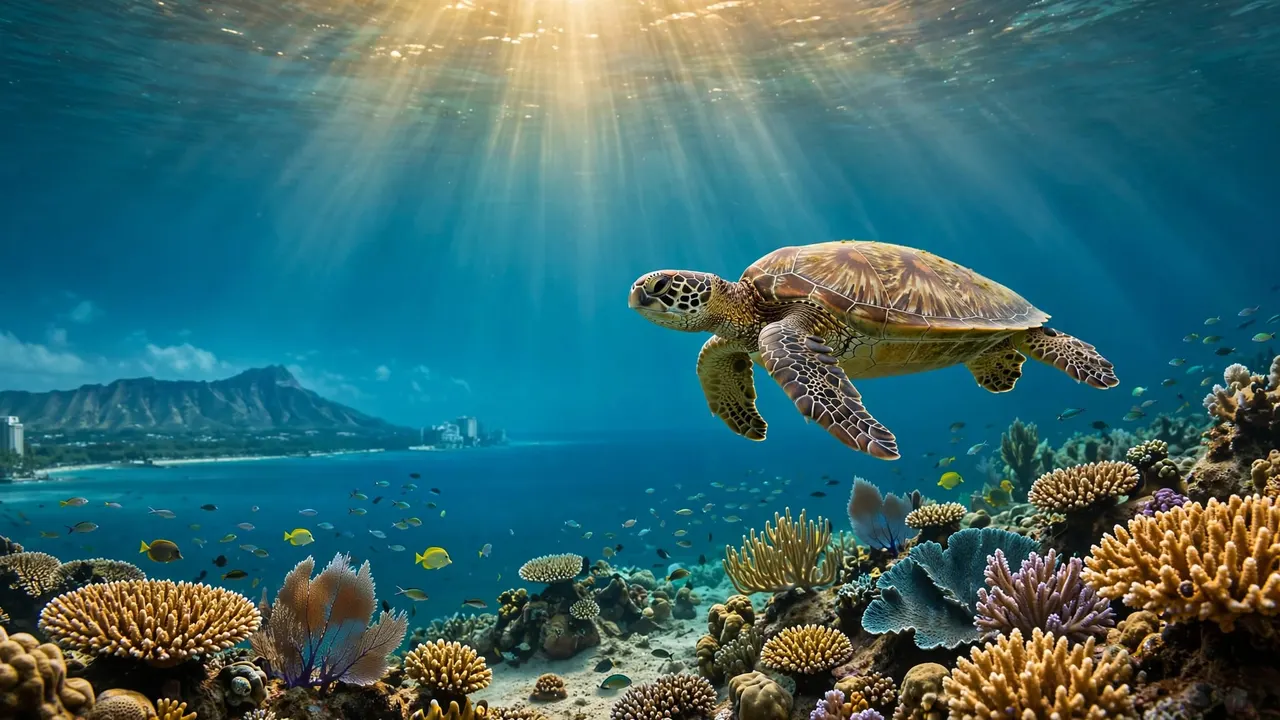
Landing in Honolulu can make the ocean look impossible to resist. Still, turtle snorkeling Oahu feels far better when you give your body a little time to catch up after hours in the air.
Living Ocean Tours departs from Kewalo Basin Boat Harbor, minutes from Waikiki, with guided ocean outings built for visitors who want a comfortable first day on the water. You can see Hawaiian green sea turtles, tropical fish, and the Waikiki coastline without trying to piece together a complicated shore-snorkeling plan while jet-lagged.
A smart arrival routine helps you enjoy the boat ride, breathe easily through your mask, and stay present when a honu glides past the reef.
Give Your Body Time to Reset Before Turtle Snorkeling Oahu
A long flight can leave you dehydrated, stiff, and unsure of what time it is. That combination doesn’t automatically rule out an ocean tour, but it does mean you should plan your first day with care.
The CDC recommends water, occasional walking, and calf stretches during long-distance travel. After you arrive, keep your schedule light, avoid overdoing alcohol, and give yourself a proper meal before heading offshore.
Choose Your Tour Day With Honesty
If you slept badly on the plane, feel nauseated, or have a headache that won’t quit, book your snorkel trip for the following morning. A fresh start often turns a good experience into a great one.
However, if you arrive early, rest at your hotel, drink water, and feel alert by afternoon, you may be ready for a gentle Waikiki outing. Check your own energy level instead of forcing a packed vacation schedule.
Jet lag can make you feel awake while slowing your reaction time. In the water, a clear head matters more than squeezing one extra activity into your arrival day.
Watch for Travel-Related Health Concerns
Flights over four hours can increase blood-clot risk because you sit still for so long. Walk, stretch your calves, and speak with your clinician before traveling if you have personal risk factors or use prescription medication that affects circulation.
You should also skip snorkeling if you have chest pain, shortness of breath, dizziness, a fever, or an ear infection. The reef will still be there tomorrow, and you deserve to experience it feeling well.
Build a First-Day Routine That Supports the Water
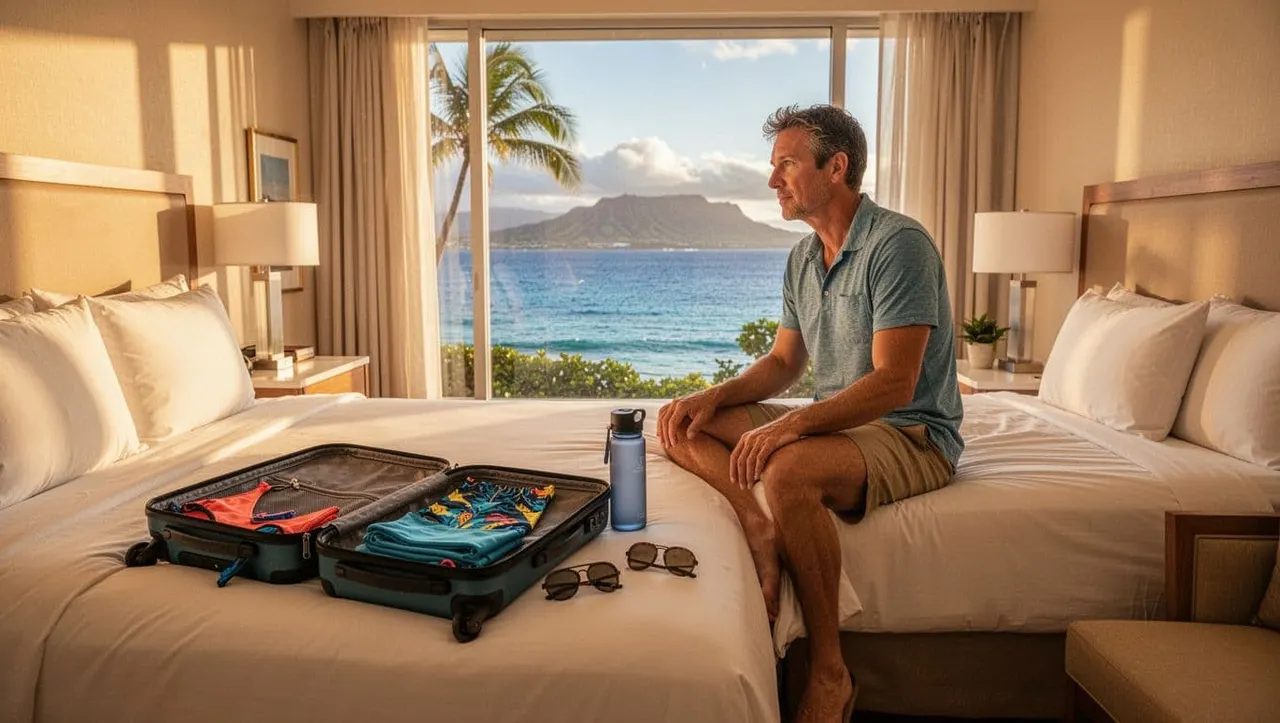
Your hotel room is the right place to slow down before a marine adventure. Start with water, a meal that includes protein and carbohydrates, and a short nap if you need one. Keep the nap brief so you can still sleep at a normal local bedtime.
Waikiki’s bright sun and warm trade winds can hide how much fluid you’re losing. Bring a refillable bottle, and sip before you feel thirsty.
Eat Enough, But Keep It Light
A heavy plate of rich food can make boat motion harder to handle. On the other hand, going out with an empty stomach often makes nausea worse.
Try a simple meal two or three hours before departure. Fruit, rice, eggs, yogurt, toast, or a sandwich can give you steady energy without sitting heavily. If you use motion-sickness medicine, follow the package directions or your clinician’s advice.
Pack for Comfort Rather Than Perfection
Wear your swimsuit under light clothes. Bring a towel, sunglasses, a hat, reef-safe sunscreen, and a dry change of clothes. You won’t need to haul a full beach bag aboard.
Living Ocean Tours provides snorkeling gear and instruction, so first-timers don’t need to buy a mask or fins after landing. That saves space in your suitcase and removes one more arrival-day decision.
Pick a Guided Tour That Fits Your Energy Level
After a flight, the right boat can make the difference between bracing for every wave and enjoying the view. Look for a tour with shaded seating, a restroom, sturdy boarding ladders, and a crew that takes time with beginners.
Living Ocean Tours uses Coast Guard-inspected double-decker boats, the Coral Kai and Lokahi. The Lokahi has a SeaKeeper stabilization system that helps reduce rolling motion, plus dry storage, shaded areas, and onboard restrooms.
Why Professional Snorkel Guides Matter
Living Ocean Tours is the only tour company with professional snorkel guides. That matters when you’re adjusting to unfamiliar water, mask breathing, and currents after travel.
A guide can help you fit your gear, review safe entry and exit, and keep your group oriented around the reef. You can focus on floating calmly and looking for wildlife instead of wondering where to go.
For a direct turtle-focused experience, browse Turtle Canyon snorkeling tours in Waikiki. The crew takes guests to the Turtle Canyons cleaning station, where honu often visit reefs to have algae and parasites removed by reef fish.
A Family-Friendly Option Beyond the Reef
If your group has energetic kids or you want more time enjoying the boat, the Deluxe Waikiki Snorkeling and Wildlife Cruise adds a water slide, floating lily pad, and water trampoline. It visits a less-crowded reef and gives everyone space to enjoy the ocean at their own pace.
This option works well when some family members want to snorkel while others prefer to relax in the shade between water activities.
Prepare for Waikiki Water Conditions in August
August brings warm water to Oahu. Water temperatures around Waikiki typically sit near 80 degrees Fahrenheit, so you probably won’t need a wetsuit for warmth.
Summer can bring good visibility, but no month guarantees flat water. Wind, swell direction, tides, and local weather can change conditions quickly. A protected spot can feel calm while another shoreline has surge or rougher water.
Let the Crew Read the Ocean
Don’t judge the day’s water solely from your hotel balcony. The ocean near shore may look glassy while conditions at a reef differ, especially around channels and open water.
A professional crew watches forecasts and real conditions before departure. Listen closely to the safety briefing, follow entry instructions, and ask for help if you haven’t snorkeled recently. Those small choices make turtle snorkeling Oahu more comfortable for new and returning swimmers.
Plan for the Sun as Carefully as the Water
Hawaii’s sun is intense, even when clouds drift across the coast. Apply reef-safe sunscreen before boarding, cover up between swims, and drink water throughout the trip.
You should also protect your eyes with polarized sunglasses. The glare off the Pacific can be stronger than you expect after a dark airplane cabin.
Give Hawaiian Green Sea Turtles Room to Rest
Seeing a Hawaiian green sea turtle in clear water is unforgettable. Your best view comes when you stay calm, float quietly, and let the turtle choose its own path.
Honu are protected wildlife, not photo props. NOAA’s Hawaii marine wildlife viewing guidance says never to touch, chase, feed, or disturb sea turtles.
Keep At Least 10 Feet Away
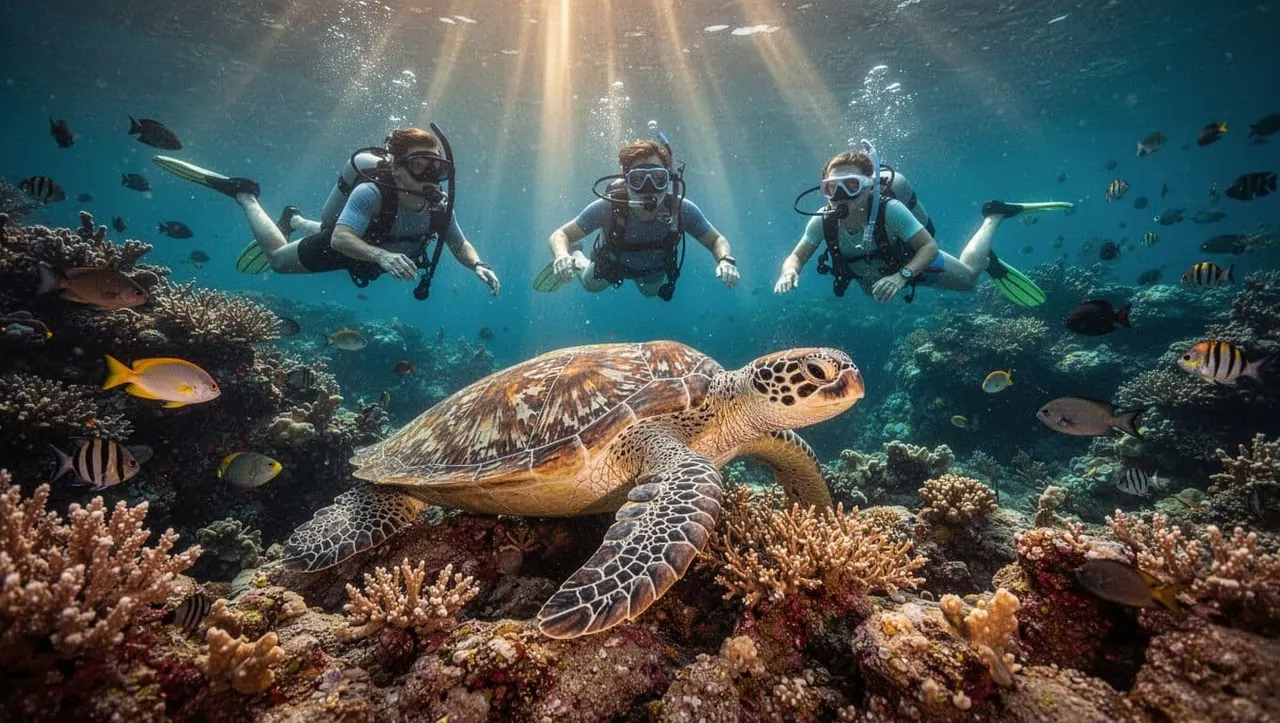
NOAA recommends a minimum distance of 10 feet from sea turtles, both in the water and on land. If a turtle swims toward you, remain still and let it pass.
Avoid diving down over a turtle, blocking its route to the surface, or crowding it with other swimmers. Use your camera’s zoom instead of moving closer.
Respect the Whole Reef, Too
Coral looks solid, yet it is made of living animals that can break under a fin or hand. Keep your body horizontal, use slow fin kicks, and never stand on the reef.
Fish, turtles, and corals all benefit when you observe without touching. If you spot a distressed, injured, or harassed animal, report it rather than stepping in yourself. NOAA also shares ways visitors can help protect Pacific wildlife.
Make the Most of Your Turtle Canyons Experience
The Turtle Canyons Snorkel Excursion is a strong choice when you want a focused Waikiki wildlife outing after you’ve rested from your flight. Living Ocean Tours reports a 95 percent turtle-sighting success rate at this natural cleaning station, though wildlife sightings can never be guaranteed.
Arrive in swimwear, eat lightly, and tell the crew if you feel nervous in the water. You don’t need to be an expert swimmer to enjoy the trip. Calm instruction and flotation support help many first-time snorkelers feel comfortable.
Book your preferred departure before popular travel dates fill up.
You can also use the inline CHECK AVAILABILITY link when you’re ready to choose your Turtle Canyons tour time.
Set Yourself Up for a Better First Ocean Day
You don’t need a flawless night’s sleep to enjoy Oahu’s marine life. You do need water, food, rest, sun protection, and a willingness to take the day at your own pace.
When you plan turtle snorkeling Oahu around recovery rather than rushing, you arrive at the reef calmer and more comfortable. That leaves more room for the moment you came for, watching a honu glide through blue water while you float respectfully nearby.


