
Turtle Snorkeling Oahu: What Beach Tracks Can Reveal
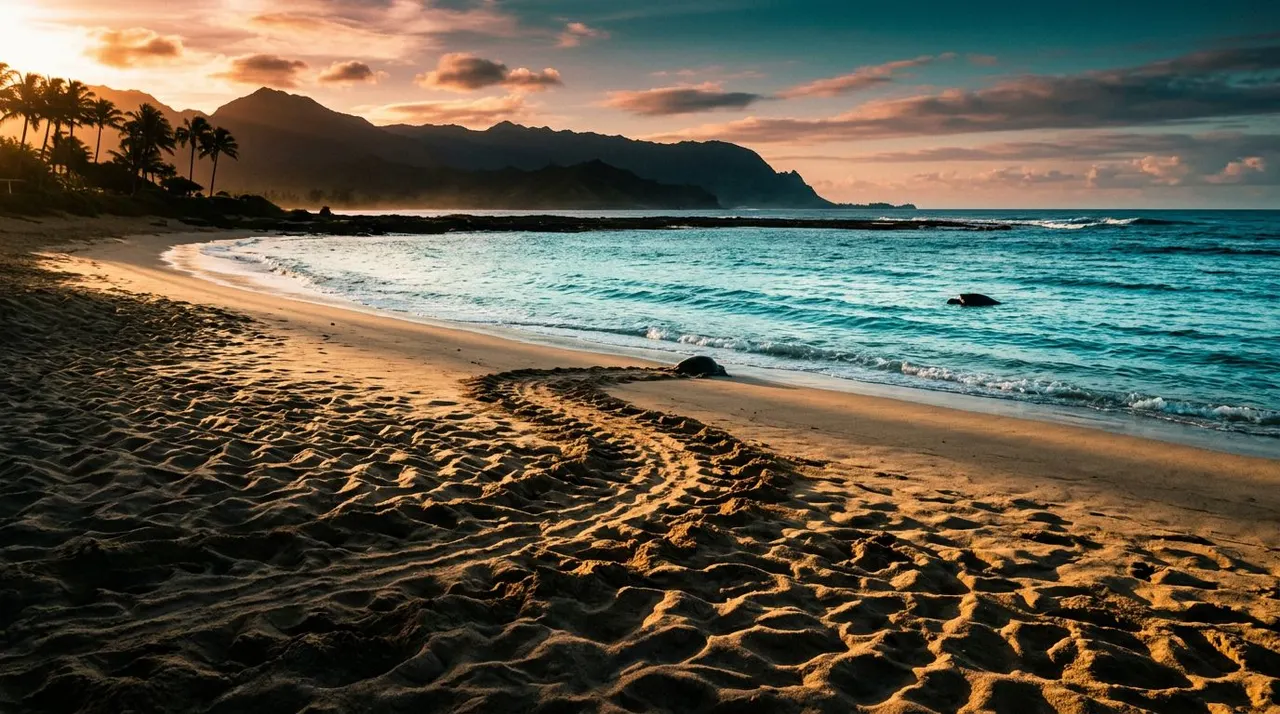
A fresh trail in the sand can stop you in your tracks. During turtle snorkeling Oahu adventures, beach marks add a fascinating layer to your wildlife encounter, but they are not a puzzle you can solve with certainty.
Living Ocean Tours, based at Kewalo Basin Boat Harbor near Waikiki, gives you a responsible way to meet turtles in their reef habitat. It is the only tour company with professional snorkel guides, so you can enjoy the water with clear instruction and respect for the animals.
A turtle track is a wildlife record, not an invitation to get closer.
What Turtle Tracks Can and Cannot Tell You
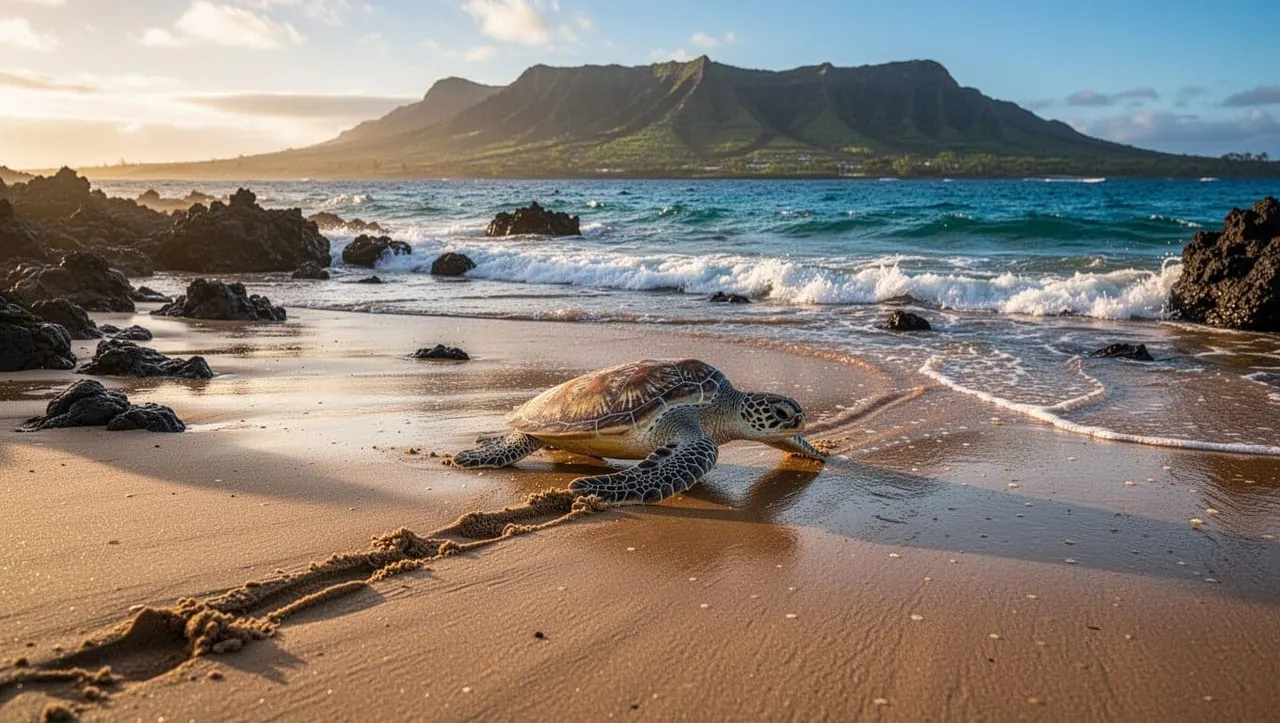
Hawaiian green sea turtles, called honu, sometimes come ashore to rest. A crawl mark can show that a turtle crossed the beach, yet it cannot tell you exactly why it came up or where it went afterward.
Wind, tide, foot traffic, and rain can change a track fast. For that reason, a photo taken from a respectful distance is more useful than a close inspection.
Direction Is a Clue, Not a Verdict
A trail leading toward the ocean may suggest a turtle moved back into the water. Likewise, a trail beginning near the surf may indicate it traveled farther up the beach.
Still, you should not assume that a turtle was nesting, feeding, or returning to sea based on direction alone. Tracks show movement across sand. They do not provide a full timeline.
You may see broad flipper impressions with a smooth drag mark between them. This pattern can indicate a large sea turtle crossed soft sand, especially when the marks remain undisturbed near the shoreline.
Resting Turtles and Nesting Turtles Look Different
A honu resting on shore may remain still for hours. You might see a track ending near a quiet stretch of beach, with the turtle resting above the high-water line. Give it room, keep your voice low, and let it rest.
Nesting behavior requires more care. A turtle that is actively digging or tossing sand may be preparing a nest. Uneven sand, a broad disturbed area, and repeated digging can be clues, but they do not confirm nesting on their own.
Never rake over tracks, stand inside them for a photo, or disturb the surrounding sand. That evidence may help trained wildlife responders understand what happened.
How to Read Turtle Tracks Without Disturbing Them
You can enjoy the discovery while leaving the scene unchanged. Start by staying outside the track path, then look from a distance before deciding whether you need to report what you see.
Hawaiian beaches are living habitat, not a wildlife viewing stage. Your best photo is one that does not change the animal’s behavior.
Look for the Shape of the Crawl
Sea turtle tracks often appear as paired flipper sweeps, with a central drag from the shell or body. On wet, compact sand, the trail may look crisp. In loose dry sand, it can look wider and less defined.
A deep, wide crawl does not mean a giant turtle came ashore. Sand texture, slope, moisture, and wave action all change the appearance. Nor can a track alone identify the turtle species.
If you spot an unusual trail at sunrise, avoid gathering a crowd. A loose circle of people can block a turtle’s path if it is still nearby.
Sand Disturbance Deserves a Wider View
Look beyond one set of marks. Is there a resting turtle at the end of the trail? Is the sand actively being moved? Are there tiny hatchling tracks leading toward the water?
Document the location from a distance if needed, but never use flash near wildlife at night. During nesting season, avoid beach-facing lights and do not build fires near potential nesting areas.
A clear turtle track should remain clear after you leave. Your presence should not add a second story to the sand.
When You Should Give Space and Make a Report
The current guidance is simple: stay at least 10 feet away from sea turtles on land and in the water. Hawaii’s DLNR sea turtle guidance follows that standard.
A respectful buffer protects the turtle from stress and protects you from an unpredictable wild animal.
A Turtle Resting on the Beach Needs Quiet
Do not touch, feed, surround, straddle, or pose beside a turtle. Keep pets leashed and children close, especially if a turtle rests near a busy beach access point.
If you want a closer photo, use your camera zoom. NOAA’s honu viewing guidance recommends staying 10 feet away and using zoom or binoculars instead of moving toward the animal.
A resting turtle may look sleepy or unresponsive. That does not mean it needs your help. Let trained responders make that call.
Report Active Digging, Hatchlings, or Injured Wildlife
If you see a turtle actively digging, an injured or dead turtle, hatchlings, or a marked nest, contact the NOAA Marine Wildlife Hotline at (888) 256-9840. Report the location and what you observed, then remain back unless responders give you different instructions.
Never pick up a hatchling or place it in the water. Small turtles need a clear, undisturbed route, and moving them can cause harm.
If someone drives on the beach or creates an immediate danger for wildlife, call 911. A good wildlife encounter ends with the animal able to continue its natural behavior.
Turtle Snorkeling Oahu With Professional Guides
Beach tracks are memorable, but you are more likely to see Hawaiian green sea turtles where they spend most of their time: over the reef. A turtle snorkeling Oahu trip lets you watch honu glide through clear water without crowding a turtle on shore.
Living Ocean Tours’ Turtle Canyon Snorkel Excursion travels along the Waikiki coast to Turtle Canyons, a natural underwater cleaning station. The two-hour experience welcomes guests ages 3 and up, with snorkel gear, instruction, and professional guides included.
Why Turtle Canyons Is Different
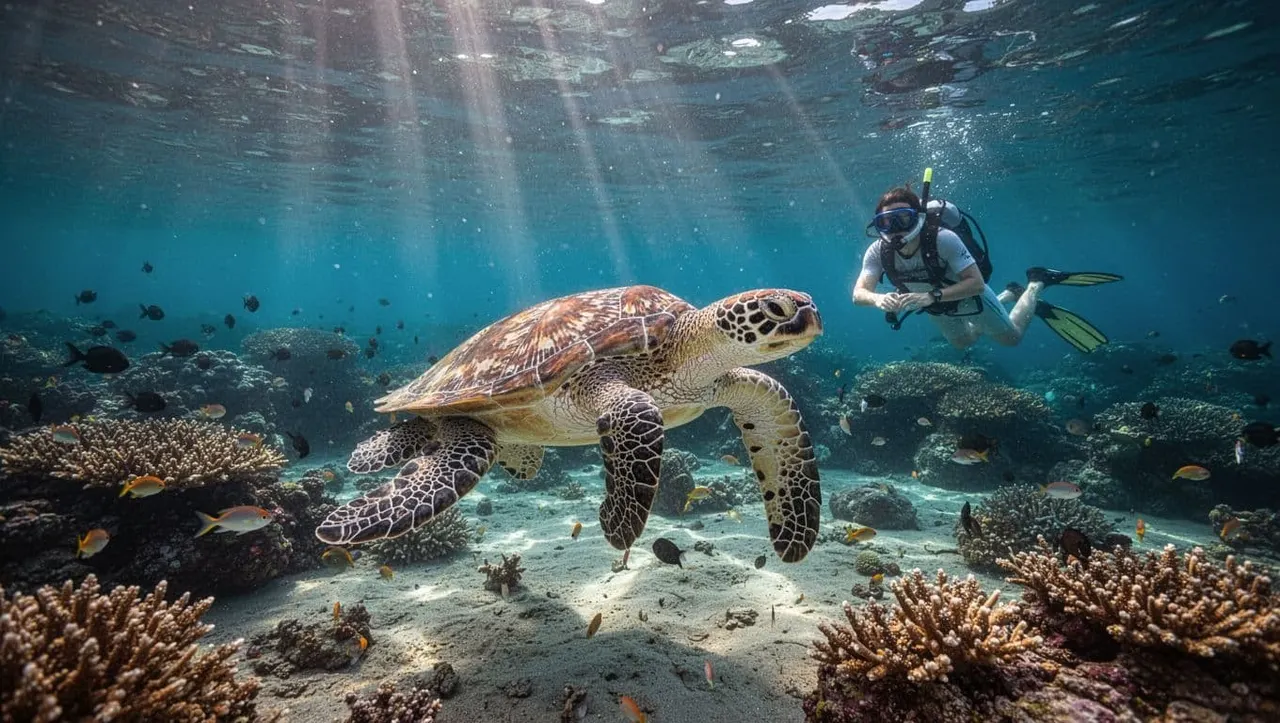
At a cleaning station, turtles may pause while reef fish remove algae and other material from their shells. You may also see yellow tang, butterflyfish, and other reef life around the coral.
The turtle sighting rate is reported at 95 percent, although wild animals never follow a schedule. Your guide helps you enter the water safely, read the conditions, and give turtles the room they need.
Living Ocean Tours uses Coast Guard-inspected double-decker vessels with shaded seating, onboard restrooms, dry storage, and sturdy ladders. The crew can help first-time snorkelers feel comfortable before they enter the water.
Book a Reef Encounter, Not a Beach Chase
You can spend your beach walk appreciating signs of wildlife, then meet turtles where they naturally feed, rest, and move across the reef. That approach gives you a better view and avoids pressure on hauled-out animals.
Reserve your spot on the Turtle Canyons trip with CHECK AVAILABILITY.
Give Turtles Room While You Snorkel
A turtle in the water deserves the same 10-foot buffer as a turtle on the beach. Position yourself to the side, stay calm, and let the turtle choose its own route.
Your guide may point out a turtle, but you should never swim after it. Stop your fin kick, float quietly, and watch as it moves through the reef.
Keep Your Fins and Hands Away
Coral, turtles, and reef fish all need space. Avoid standing on coral or grabbing rocks for balance. If you need a break, signal your guide or use a flotation device rather than touching the reef.
Never touch a turtle’s shell. The shell is living tissue, and contact can stress the animal or transfer harmful bacteria. Feeding turtles also changes their natural behavior and can draw them into unsafe areas.
Take Better Photos From Farther Away
A wide underwater photo often captures more than a close-up. You can show the turtle’s full shape, the coral below, and the open blue water around it.
Use a zoom lens when possible. NOAA’s photo-distance advice offers a simple visual check for keeping proper space between you and a Hawaiian sea turtle.
Plan a Day That Respects Oahu’s Ocean Conditions
Turtle snorkeling Oahu can be a highlight of your trip, but weather and water conditions should guide your plans. Strong wind, high surf, or reduced visibility can change the experience quickly.
Check conditions before heading to the beach. If lifeguards post warnings or the ocean looks rough, enjoy the shoreline instead of forcing a snorkel session.
Choose Guided Support for Families and Beginners
A guided boat trip removes much of the guesswork. You get fitted gear, a safety briefing, a crew that watches conditions, and an easy return point when you are ready for a break.
Families also benefit from predictable comforts. Shaded seating, restrooms, dry storage, and easy water-entry ladders can make the day feel relaxed instead of rushed.
Bring sun protection, water, and a towel. Most importantly, bring patience. A turtle encounter feels more meaningful when the animal approaches on its own terms.
A Better Way to Remember Oahu’s Turtles
A trail in the sand can hint at a turtle’s journey, yet the real lesson is restraint. Give each honu its 10 feet of space, protect its route, and report signs of nesting or injury to the proper hotline.
When you choose a guided reef experience, you can enjoy turtles where they belong while supporting respectful wildlife viewing. Your best turtle snorkeling Oahu memory should leave the reef, the beach, and the turtle exactly as you found them.


