
Turtle Snorkeling Oahu for Guests With Low Vision
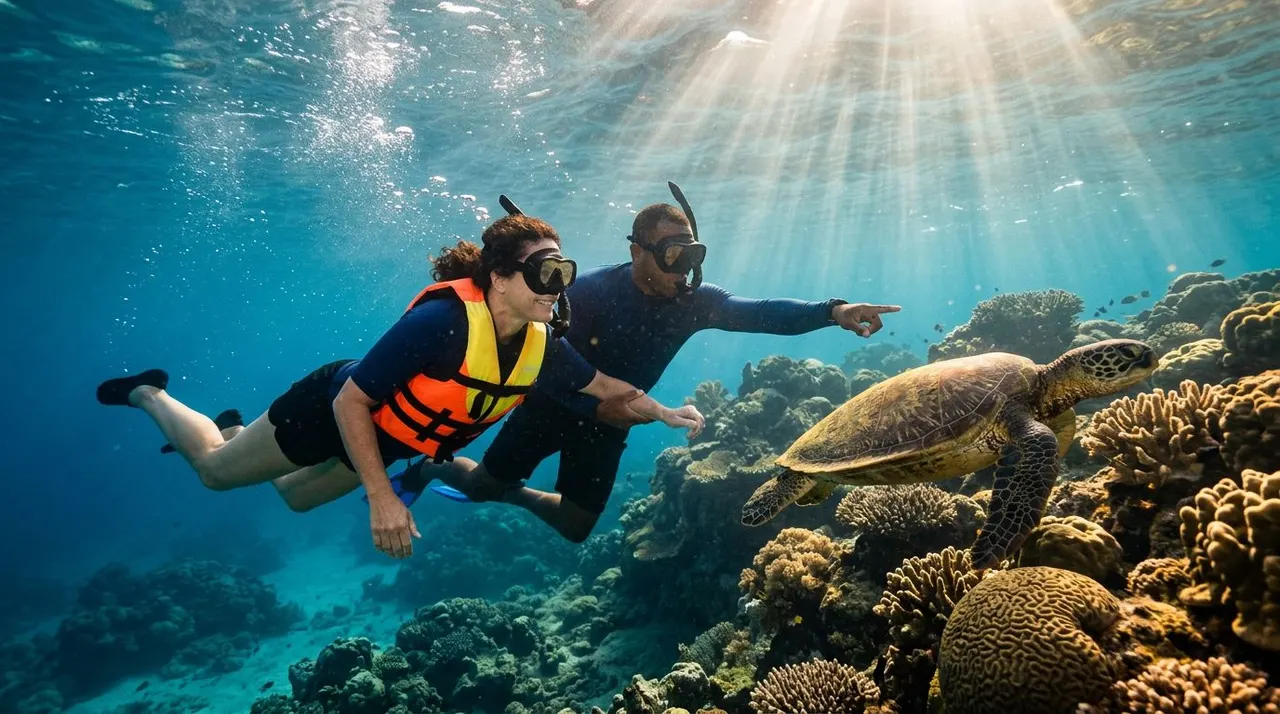
Clear water helps, but low vision can change how you experience a snorkel tour. If you’re searching for turtle snorkeling Oahu adventures, you need more than a beautiful reef. You need clear verbal guidance, a steady boat, thoughtful crew support, and enough time to understand what you’re seeing.
You can still enjoy the movement of a Hawaiian green sea turtle, the texture of coral, and the sound of the ocean around you. The right tour makes those details easier to follow without rushing you. Start by choosing an experience that matches your vision, comfort, and swimming ability.
Is turtle snorkeling Oahu a good fit with low vision?
Yes, many guests with low vision can enjoy a guided snorkel trip. Your experience depends on more than visual sharpness. Sound, touch, body position, water movement, and a companion’s support can all help you stay oriented.
Before booking, consider how you respond to glare, changing light, open water, crowded spaces, and unfamiliar equipment. Then explain those needs to the tour operator. A good conversation before your trip can prevent confusion once you’re on the boat.
You can experience more than a distant silhouette
A turtle encounter doesn’t depend on seeing every detail. You may notice the turtle’s broad shape, slow movement, changing position in the water, or contrast against the reef. Your guide can add the details you can’t see clearly, such as whether the turtle is resting, swimming upward, or moving toward a cleaning station.
You can also focus on sensations beyond sight. Notice the water temperature, the rhythm of your breathing, the sound of your guide, and the movement of fish around you. These details make the experience active and personal.
The guide relationship matters more than perfect visibility
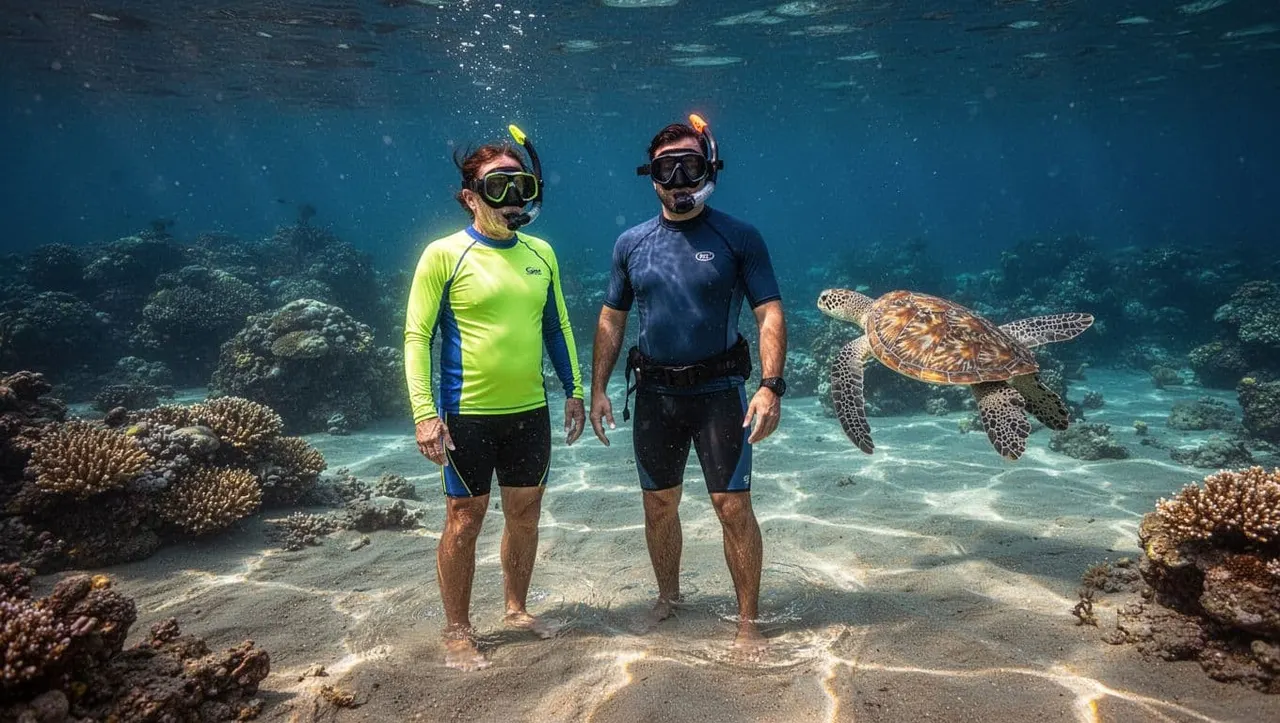
A professional guide can describe the reef using simple directions and useful landmarks. For example, you might hear, “The turtle is ten feet ahead and slightly to your right,” instead of receiving a vague instruction to look around.
Ask whether the guide can give you a verbal orientation before entering the water. You can also agree on signals for stopping, returning to the boat, adjusting your mask, or needing help.
Start with a guided boat departure
A boat-based excursion can give you a more organized start than an unfamiliar shore entry. Living Ocean Tours operates from Kewalo Basin Boat Harbor, just minutes from Waikiki Beach in Honolulu. It is the only tour company with professional snorkel guides.
You can browse its guided Oahu ocean tours before choosing a trip. The company provides snorkeling equipment, instruction, and crew guidance for guests with different experience levels.
Why a vessel can be easier than shore entry
A boat gives you a defined meeting point, a crew you can identify, and a clear route into the water. Living Ocean Tours’ vessels have shaded seating, restrooms, dry storage, and heavy-duty ladders.
Still, boat access doesn’t automatically mean every guest will find boarding easy. Ask how many ladder steps you will use, where you can wait, and whether a crew member can provide verbal instructions during boarding.
The Lokahi also has a SeaKeeper stabilization system that reduces rolling on the water. That added steadiness can make it easier to adjust your mask, listen to instructions, and prepare before entering the ocean.
Confirm support before you pay
Published tour information doesn’t list braille materials, audio guides, tactile maps, or a formal low-vision accessibility policy. Contact the company before reserving and describe the support you need in practical terms.
Ask about boarding assistance, verbal reef descriptions, companion support, communication signals, and what happens if you decide not to enter the water. Clear answers help you choose with confidence.
Choose the right turtle snorkeling Oahu experience
Your best choice depends on whether you want a focused turtle outing or a broader cruise with additional activities. Both options are boat-based, but they offer different rhythms.
Turtle Canyon focuses on the wildlife encounter
For a dedicated turtle snorkeling Oahu experience, consider Living Ocean Tours’ Turtle Canyon Snorkel Excursion. The trip lasts about two hours and visits Turtle Canyons, a natural cleaning station off Waikiki where Hawaiian green sea turtles often gather.
Living Ocean Tours reports a 95% success rate for spotting turtles. That figure describes the company’s reported results, not a guarantee. Wildlife remains unpredictable, so your guide should prepare you to enjoy the reef even if a turtle stays out of view.
A focused trip may suit you if you prefer fewer activities and more time listening to one guide’s descriptions. You can ask for verbal updates as the group moves across the reef.
The deluxe cruise gives your group more variety
The Deluxe Waikiki Snorkeling and Wildlife Cruise cruises along the Waikiki coast toward Diamond Head and anchors at a reef with coral, tropical fish, and possible turtle sightings.
This option works well when your group includes swimmers, casual sightseers, and children. The Lokahi includes a boat-mounted waterslide, water trampoline, and floating lily pad. The vessel also visits Rainbow Reef, which Living Ocean Tours identifies as a less-crowded snorkeling location.
For a guest with low vision, the extra time aboard the boat can make the outing feel less focused on one visual task. You can enjoy the deck, listen to the crew, and decide how much time you want to spend in the water.
Build a low-vision-friendly plan before boarding
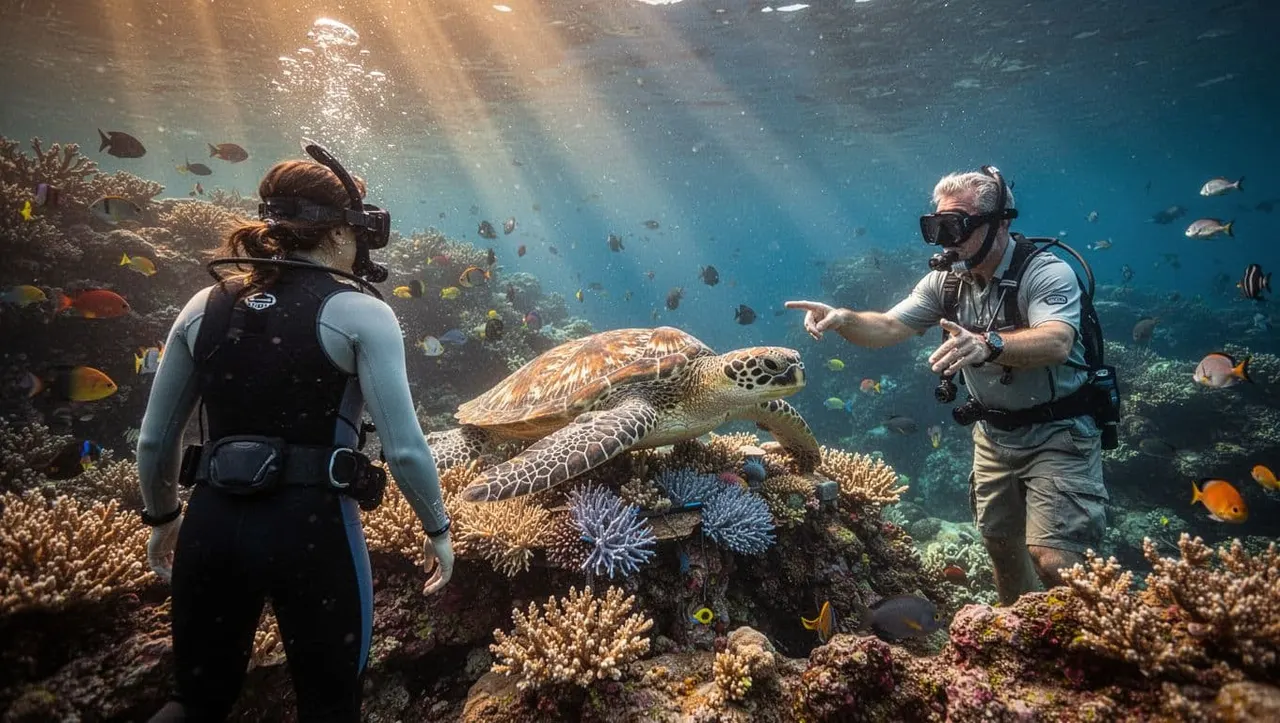
Your guide can help more effectively when you explain what works for you. Low vision varies widely, so don’t assume the crew will know which details make the water easier to read.
Share the instructions that help you most
Tell the crew whether you prefer clock-face directions, left-and-right directions, distance estimates, or descriptions based on color and shape. You may want a countdown before entering the water or a verbal warning before the boat rocks.
If you travel with a companion, decide how that person will support you. One clear voice is usually easier to follow than several people giving directions at once. Ask the crew who should communicate with you during the snorkel.
You can also request a short orientation on deck. Learn where the ladder, railings, restrooms, shaded seats, and personal belongings are located before the boat reaches the snorkeling site.
Prepare for glare, contrast, and fatigue
Bright sun reflecting off the water can make it harder to see on deck. Bring sunglasses that reduce glare, a hat that stays secure, and clothing that protects you from the sun. Tell the crew if you need to pause after moving between bright sunlight and darker areas.
A prescription snorkel mask may help some guests, but fit matters as much as magnification. Ask your eye-care provider or a reputable dive shop about suitable equipment before your trip. You should also test any mask before vacation day.
Follow turtle safety rules and read ocean conditions
Responsible wildlife viewing protects the turtles and keeps your encounter calm. Hawaiian green sea turtles are protected animals, so you must give them space even when visibility makes them difficult to follow.
Give every turtle room to move
NOAA Fisheries recommends staying at least 10 feet away from sea turtles on land and in the water. Don’t touch, chase, feed, surround, block, or pursue a turtle.
That distance also helps guests with low vision. Instead of trying to follow a turtle closely, listen for your guide’s position updates. Let the animal choose its direction, and allow the guide to tell you when it has moved away.
Hawaii’s Department of Land and Natural Resources sea turtle guidance also emphasizes the 10-foot viewing distance. The safest encounter is one where you observe without changing the turtle’s behavior.
Choose conditions that support calm snorkeling
The Hawaii Ocean Safety snorkeling guidance advises checking conditions before entering the water. High surf, strong winds, heavy shorebreak, and strong currents create poor snorkeling conditions.
Living Ocean Tours’ published information says turtles can be seen around Oahu year-round. It also identifies May through September as a period that typically brings calmer water and better underwater visibility. August falls within that period, but daily conditions still decide whether the water feels comfortable.
Handle arrival, comfort, and backup plans
Small logistical details can affect your whole day. Living Ocean Tours meets guests at 1125 Ala Moana Boulevard, Slip B-01, Honolulu. Plan to arrive early, since current booking information advises arriving 15 minutes before departure and notes that parking is limited.
Learn the boat layout before the water portion
Living Ocean Tours operates Coast Guard-inspected, custom-built double-decker vessels. The Coral Kai has broad open-deck space, while the Lokahi includes shaded areas, a cash bar, a waterslide, and SeaKeeper stabilization.
When you board, ask a crew member to describe the deck layout and point out fixed landmarks. Keep your gear in the same place throughout the trip. That simple habit makes it easier to find your mask, towel, or personal items.
If you experience motion sensitivity, ask whether you can sit near the vessel’s center and use the most stable seating area. Keep water and sun protection within easy reach.
Keep expectations realistic
A wildlife tour cannot promise that a turtle will appear beside you. Weather, water clarity, animal behavior, and reef conditions can change during the day. Ask what the operator does when conditions affect the route or snorkeling portion.
You can also decide in advance what a successful day means. Seeing a turtle is wonderful, but listening to reef descriptions, floating comfortably, and learning how to observe wildlife responsibly are meaningful parts of the experience too.
Questions to ask before booking
A short phone call can tell you whether a tour fits your needs. Ask direct questions and request specific answers.
Ask about access and communication
- Can a crew member give you a verbal orientation before boarding?
- How many ladder steps lead into the water, and can someone guide you verbally?
- Can you use clock-face directions or another communication system?
- May your companion stay close during the water portion?
- Where can you sit if you need shade, rest, or a quieter area?
Ask about conditions and wildlife viewing
- How does the crew communicate when a turtle enters the viewing area?
- What happens if you enter the water but decide to return early?
- How does the company handle poor visibility, strong wind, or rough water?
- Which personal aids can you safely bring on board?
- What should you expect if no turtle appears during the trip?
These answers help you compare turtle snorkeling Oahu options based on real support instead of attractive photos alone.
Choose support that lets you enjoy the ocean
Low vision doesn’t prevent you from having a memorable turtle snorkeling Oahu experience. It does make preparation and communication more important. A stable boat, professional snorkel guides, clear verbal directions, and respectful wildlife practices can help you feel confident in the water.
Living Ocean Tours offers Turtle Canyon excursions and deluxe Waikiki cruises from Kewalo Basin Harbor. When you explain your needs before booking, you give the crew a better chance to support you once the reef comes into view.


