
Turtle Snorkeling Oahu: Swim Better Against Currents
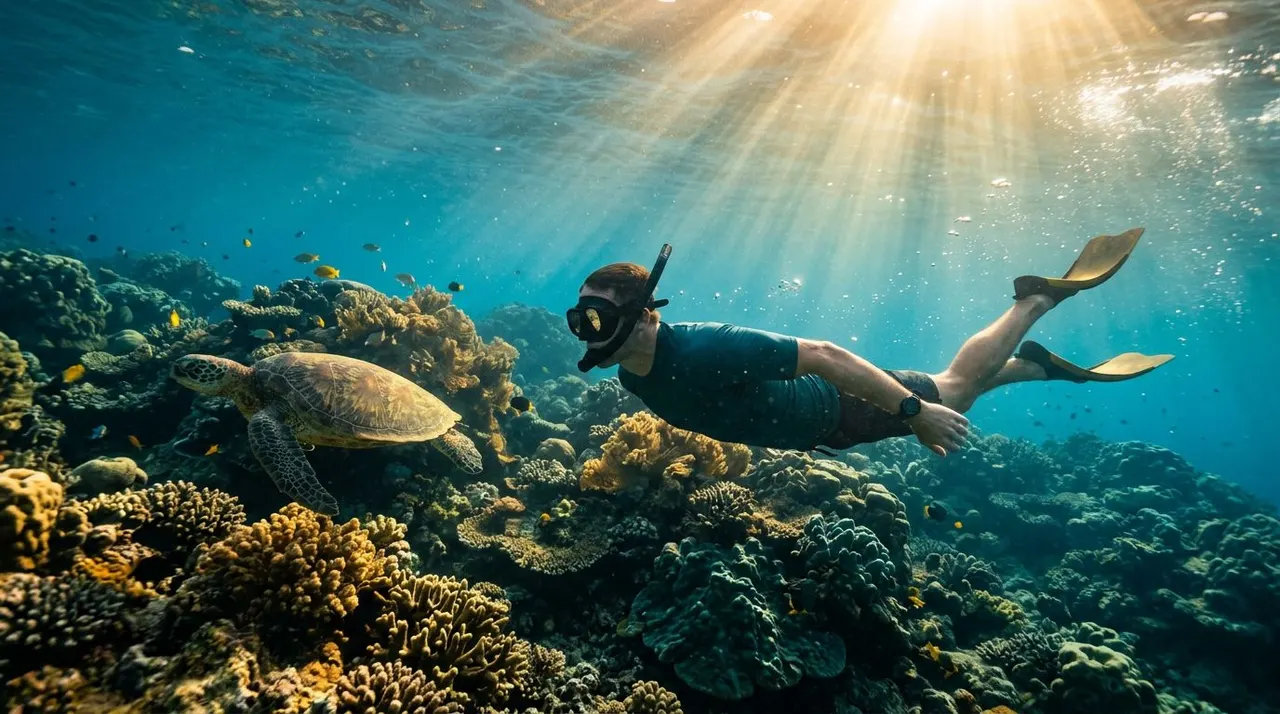
A calm-looking ocean can still move quickly around Oahu’s reefs. If you search for turtle snorkeling Oahu, knowing how to handle a current will help you conserve energy, stay with your group, and enjoy more time watching marine life.
You don’t need powerful strokes to swim efficiently. You need a low body position, steady breathing, short fin kicks, and a clear plan for turning around. These techniques will help you feel more comfortable during turtle snorkeling on Oahu, whether you’re a first-time snorkeler or an experienced swimmer.
Why Oahu snorkeling currents deserve your attention
Currents around Waikiki and other Oahu snorkeling areas can come from waves, wind, tides, and water moving around reef formations. The flow may push you sideways, pull you away from a landmark, or change direction near a channel.
A current isn’t always a straight stream. In shallow water, surge often moves back and forth with the waves. You may feel an easy push in one moment and resistance a few seconds later.
Read the water before you enter
Watch the surface before you put on your mask. Look for foam, drifting leaves, floating seaweed, or small objects moving in different directions. These clues can show you how water is traveling near the reef.
Once you’re in the water, pause near the boat or entry point. Hold a ladder or float if one is available, then notice whether you drift sideways or away from the group. This short check helps you adjust before you spend energy swimming.
Your guide may also point out the safest entry and exit areas. Listen carefully, especially when the water has stronger wind chop or reduced visibility.
Know when the current is too strong
You should never treat fatigue as a test of skill. If your breathing becomes rapid, your fins keep slipping, or you can’t stay near your buddy, signal the guide immediately.
Other warning signs include swallowing water, losing sight of the boat, drifting beyond the agreed boundary, or feeling unable to turn back. Roll onto your back if you need to rest, raise one arm, and wait for assistance.
A flotation device can support you while you recover. Keep your mask and snorkel in place if conditions allow, and avoid trying to fight a current alone.
Turtle Snorkeling Oahu: Use Your Body Position First
Your body position affects how much resistance you create. A flat, relaxed posture lets your fins move water efficiently, while a bent waist or dangling legs acts like a sea anchor.
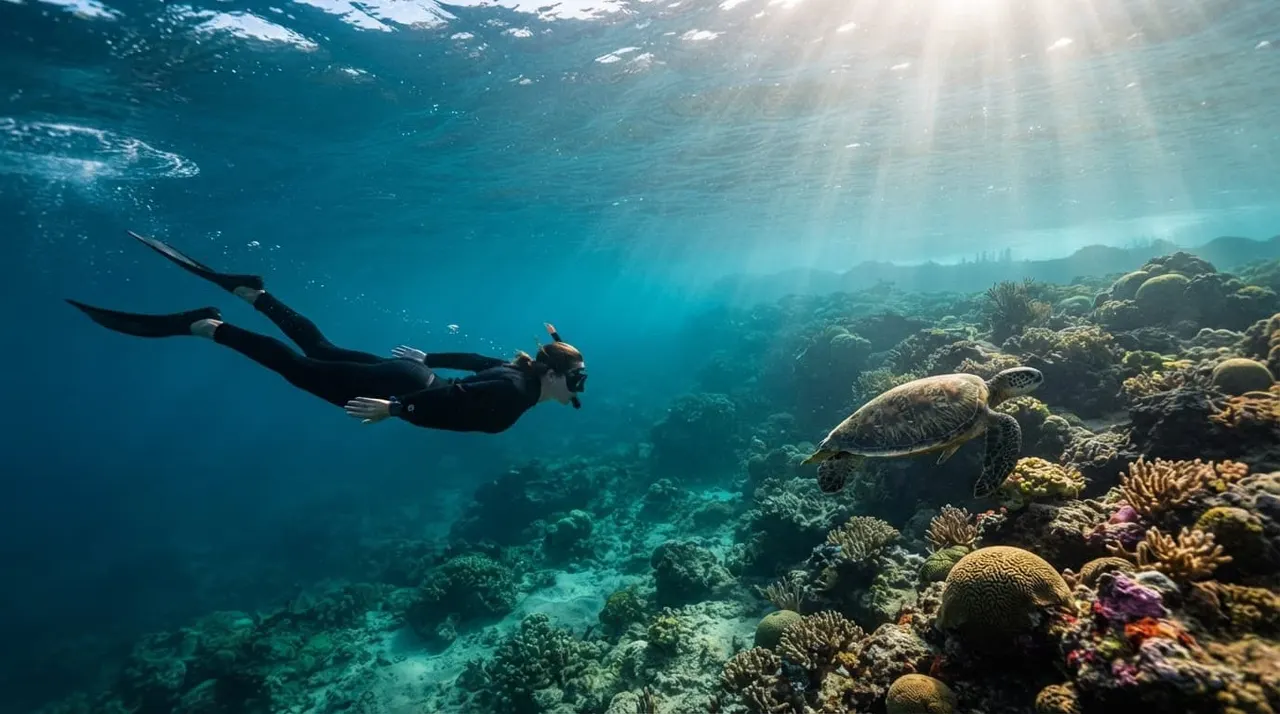
Keep your body long and streamlined while you move near the reef.
Keep your hips high
Place your face in the water and look slightly ahead, not straight down. Extend your body behind you, keep your hips close to the surface, and let your legs follow your torso.
A properly fitted mask makes this easier because you won’t need to lift your head to see. When you raise your face, your hips and legs often drop. That increases drag and forces your fins to work harder.
Relax your shoulders and keep your arms close to your sides or extended in front of you. Avoid wide arm movements. They create resistance without adding much forward movement.
Kick from your hips
Use small, steady flutter kicks that begin near your hips. Keep your knees slightly soft, but don’t pedal from the knees. Large bicycle-style kicks waste energy and can stir up sand over the coral.
Fins give you extra surface area, so you don’t need to kick hard. A slow rhythm usually works better than powerful bursts. Exhale steadily through your snorkel, then take a controlled breath when your breathing pattern feels comfortable.
If you use short fins, your legs may need a slightly faster rhythm. Long fins can produce more drive with less movement, but they also require better control in shallow water.
How to swim efficiently against a current
Swimming directly into moving water can feel exhausting. Instead, use the current’s direction to plan your route.
Start by swimming into the flow
When conditions are safe, travel against the current at the beginning of your snorkel. You will have more energy for the hardest part, and the return trip may require less effort.
Don’t swim farther than you can comfortably return. Pick a visible reference point, such as the boat, a buoy, or a distinctive reef edge. Check it often because currents can move you gradually without an obvious sensation.
A diagonal angle can help you make progress while reducing resistance. If the current pushes from your right, angle slightly into it rather than pointing straight forward. Your actual path may then lead toward your destination.
Use short effort periods
Swim for a short interval, then glide or rest while holding a float if available. During each rest, check your breathing and confirm that you remain with your buddy or group.
You can also use the reef’s shape for protection. A sheltered side of a coral formation may have less flow, but don’t swim close enough to touch or damage the coral. Keep your fins behind you and maintain enough distance to avoid accidental contact.
When returning, let the current assist you only if the guide confirms that the route is safe. Keep control of your direction, because an easy drift can carry you beyond the planned area.
The most efficient current strategy is usually to spend your strongest energy swimming into the flow, then return before fatigue changes your decisions.
Breathing and buddy awareness matter
Good technique won’t help if you hold your breath or lose track of your group. Snorkeling requires calm, regular breathing, especially when the water feels unfamiliar.
Match your breathing to your movement
Breathe slowly through your mouth and snorkel. Avoid sprinting for a turtle or reef feature, since sudden effort can make you feel short of breath.
If water enters the snorkel, lift your head, regain your breathing, and clear the tube according to your guide’s instructions. Don’t continue while panicking or coughing.
A relaxed exhale also helps you stay calm when a wave passes overhead. Keep your face in the water only when you can breathe comfortably.
Stay close enough to respond
Keep your buddy within easy viewing distance. Look for your guide’s signals, and check the group before changing direction.
If you need help, use a clear hand signal or raise your arm. Don’t swim toward the boat without telling someone. The crew may need to account for your location before moving the vessel or ending the activity.
Beginners often focus so closely on fish and turtles that they forget to check their position. Make group awareness part of your regular rhythm.
Protect Hawaiian green sea turtles
Hawaiian green sea turtles, known locally as honu, are protected marine animals. Your goal is to observe them without changing their behavior.
Give turtles plenty of room
NOAA recommends keeping at least 10 feet, or 3 meters, from sea turtles in Hawaii. You can review the agency’s marine wildlife viewing guidelines before your excursion.
Hawaii’s Department of Land and Natural Resources also lists the 10-foot viewing distance in its sea turtle guidance. That distance protects the animal and gives you a better view of natural behavior.
Never touch, feed, corner, or ride a turtle. Keep your hands relaxed, leave your fins below the animal, and allow it to choose its direction.
Don’t chase a resting turtle
A turtle near the surface may be resting or preparing to breathe. If it swims away, let it go. Chasing it can cause stress and may place you in stronger water farther from your group.
You may see turtles near reef cleaning stations, where small fish remove algae and other material from their shells. These areas are special viewing locations, but the same rules apply. Stay back, move slowly, and keep the reef clear of your fins.
Responsible turtle snorkeling Oahu trips protect the experience for future visitors and the animals that make these reefs special.
Choose a guided turtle snorkeling tour on Oahu
A professional guide can help you respond to current changes before they become a problem. You get route instructions, equipment guidance, water-entry support, and help recognizing safe places to rest.
Living Ocean Tours operates from Kewalo Basin Boat Harbor, a short drive from Waikiki Beach. The company is the only tour company with professional snorkel guides, giving beginners and families direct instruction in the water.
The crew leads guests toward Turtle Canyon’s natural underwater cleaning station, where Living Ocean Tours reports a 95% success rate for spotting Hawaiian green sea turtles. You still need to respect the animals’ space, but a guided route can make the experience more organized and comfortable.
What you can expect on the boat
Living Ocean Tours uses Coast Guard-inspected, custom-built double-decker vessels, including the Coral Kai and Lokahi. Both boats have shaded seating, restrooms, dry storage, and heavy-duty ladders for easier water entry.
The Lokahi includes a SeaKeeper stabilization system that reduces rolling while you’re aboard. That can help you feel more settled before entering the water, especially if you’re concerned about seasickness.
You can compare the company’s Turtle Canyon snorkeling tours in Waikiki and choose an outing that matches your group’s comfort level. Guides provide snorkeling gear and instructions, so you don’t need to arrive with advanced skills.
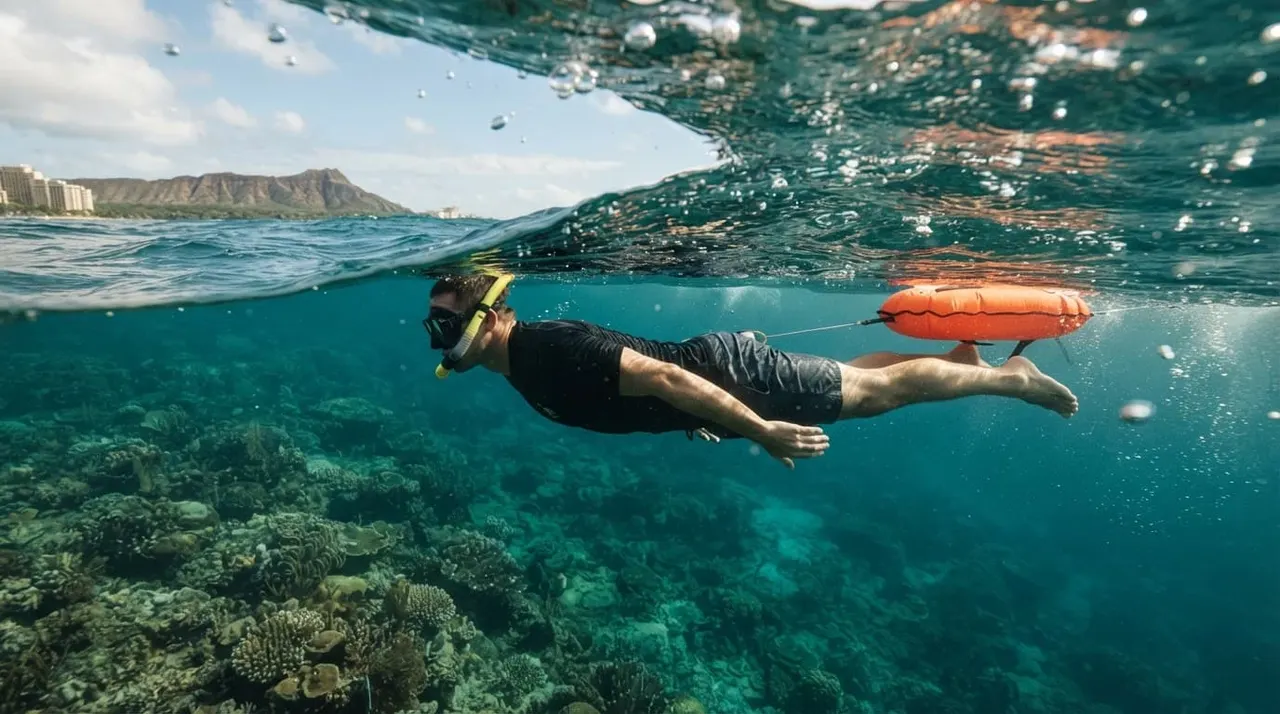
A professional guide can show you how to move with less resistance in changing water.
Living Ocean Tours also offers family-friendly ocean experiences beyond turtle snorkeling, including a deluxe cruise with a waterslide, water trampoline, and floating lily pad. If your group includes swimmers with different interests, those amenities can add variety without requiring everyone to swim the same distance.
For a focused Turtle Canyon outing, you can reserve a guided snorkeling experience with professional instruction and provided equipment.
Plan your snorkel day around comfort
Choose a time when you can focus on the water rather than rushing between activities. Arrive early enough to check in, fit your mask, listen to the safety briefing, and ask questions.
A silicone mask should seal without excessive pressure. Test it before entering the water. If you wear prescription glasses, ask about available options when you book.
Bring reef-safe sun protection, a towel, drinking water, and a dry change of clothes. A rash guard can protect your shoulders from sun exposure, while a secure swimsuit reduces distractions in moving water.
If you’re traveling with children, confirm age, swimming, and flotation requirements before booking. Young swimmers may enjoy staying near the ladder or float instead of covering the same distance as adults.
Avoid heavy meals immediately before boarding if you are prone to motion sickness. Follow the crew’s advice about medication, hydration, and where to sit on the boat.
Practice these current-saving habits
Before you enter the water, remember four simple points:
- Keep your body long, your hips high, and your arms close to reduce drag.
- Use small kicks from your hips instead of fast, tiring movements from your knees.
- Swim into the current early, then turn back while you still have energy.
- Signal the guide as soon as you feel tired, separated, or uncomfortable.
These habits work best when you follow the guide’s route. Water conditions can change during the same outing, so adjust your pace instead of forcing a fixed distance.
Conclusion
Turtle snorkeling Oahu becomes more enjoyable when you treat the current as part of the conditions, not an obstacle to overpower. A streamlined posture, calm breathing, short fin kicks, and an early turnaround help you conserve energy and stay aware.
Keep at least 10 feet from Hawaiian green sea turtles, never touch or chase them, and follow your guide’s signals. With the right preparation and professional support, you can spend more time watching honu and less time fighting the water.


