
Best Turtle Snorkeling Oahu Spots & Safety Guide
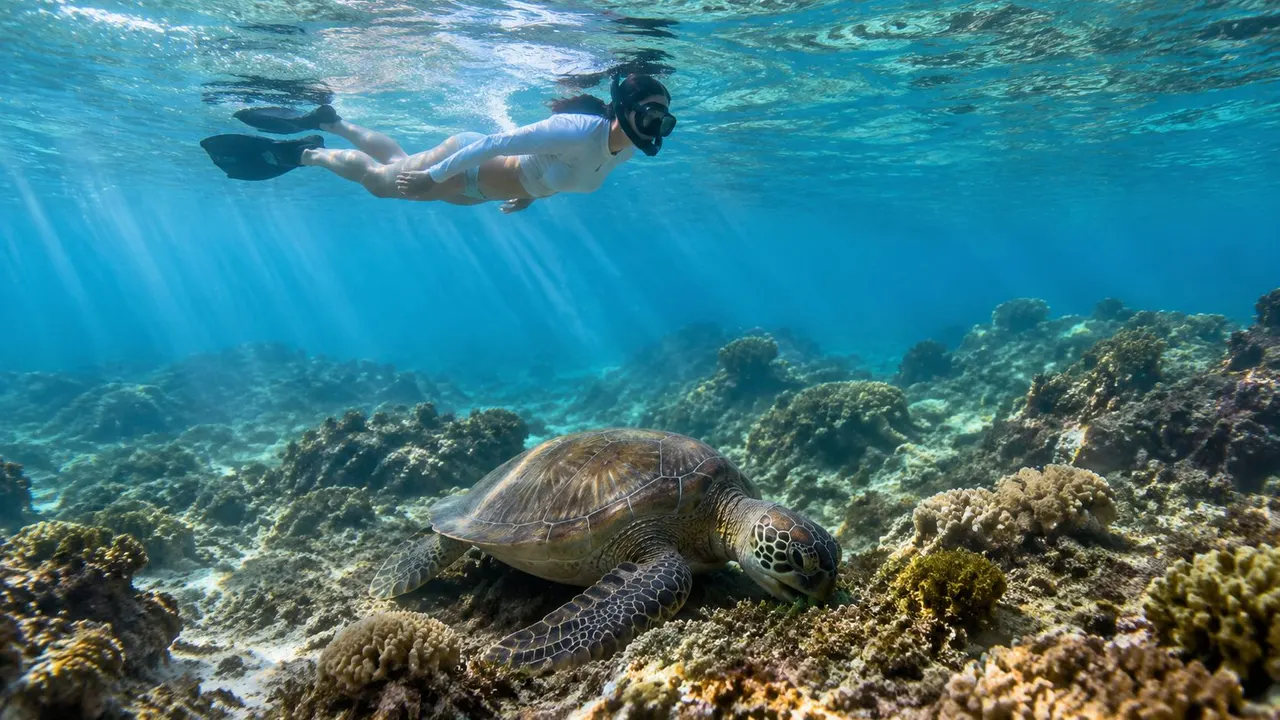
You're probably sorting through the same questions I hear all the time in Waikiki. Can the kids handle it? Is shore snorkeling easier than getting on a boat? Will you actually see turtles, or spend half the morning fighting surf and fixing a leaky mask?
That's the main decision behind turtle snorkeling Oahu. Most visitors aren't looking for the most hardcore snorkel on the island. They want a calm, safe, memorable encounter with honu, and they want to know they chose the format that gives their group the best shot at enjoying it.
On Oahu, that usually comes down to matching the experience to your group, not chasing the most famous beach name. Families, first-time snorkelers, and mixed-skill groups tend to do better when the day is structured around comfort, clear guidance, and respectful wildlife viewing from the start.
An Unforgettable Encounter with Oahu's Sea Turtles
The moment that hooks people is usually a quiet one. You put your face in the water, the reef comes into focus, and a turtle moves past without hurry. No splashing, no drama. Just a calm, steady glide through blue water that makes everyone stop kicking for a second.
That's why turtle snorkeling Oahu stays with people. It doesn't feel staged. It feels like being allowed into a living reef for a little while, if you enter gently and give the animal room.
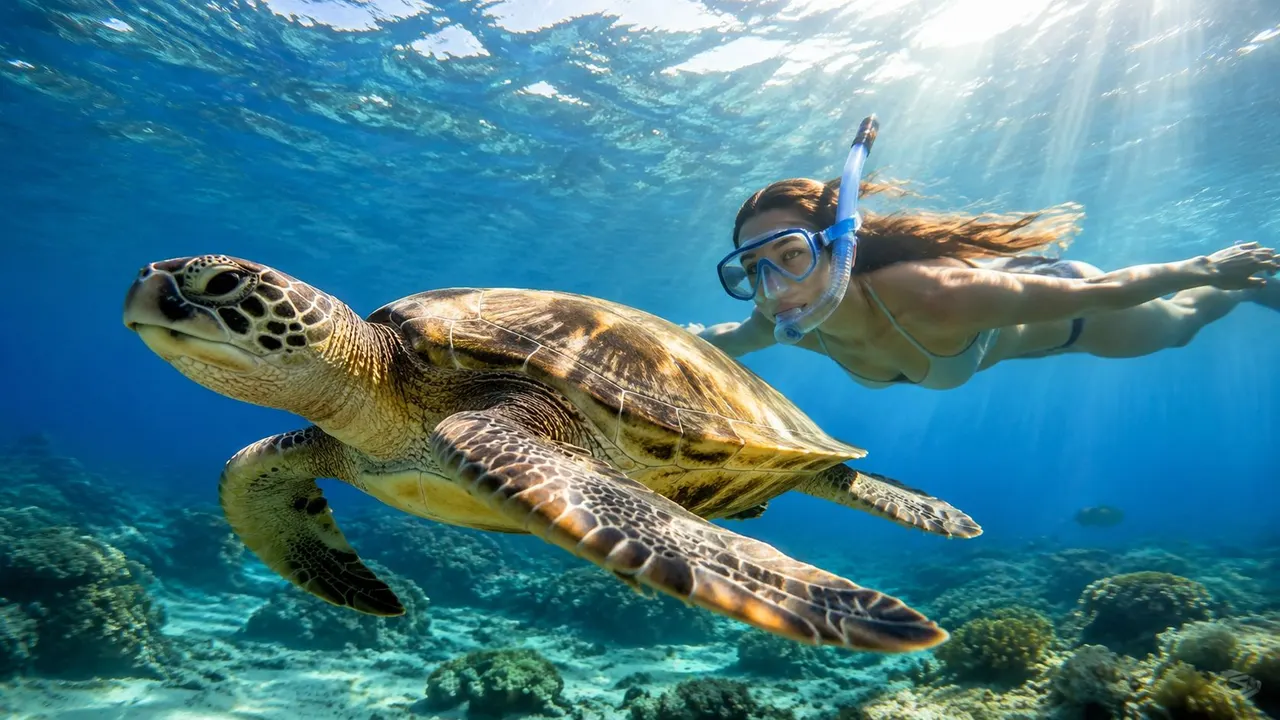
Why Honu matter in Oahu waters
In Hawaii, Hawaiian green sea turtles, often called honu, are more than something nice to photograph. They're a protected species, and they play an important role in the local marine ecosystem. That protected status should shape how you approach the whole experience. You're there to observe, not interact.
A helpful thing for visitors to know is that turtles can be seen year-round in Oahu. Females nest on beaches from May to August, while males and juveniles remain on the reefs continuously, and local dive logs cited in this guide on where to snorkel with turtles in Oahu note an 80% to 95% chance of sightings on tours.
Practical rule: Treat every turtle encounter like a privilege, not a performance. The calmer you are, the more natural the encounter usually becomes.
What makes Oahu such a strong place for turtle encounters
Oahu works well for turtle viewing because the island offers the combination most travelers need. There's regular turtle presence, reef habitat close to visitor areas, and guided access that doesn't require a long offshore commitment.
That matters for families. It also matters for anyone who wants wildlife without turning the day into a full expedition. On Oahu, you can have a meaningful snorkel and still keep the outing manageable for grandparents, kids, or first-timers.
A few mindset shifts make the day better:
- Go for observation, not proximity. The best encounter isn't the closest one. It's the one where the turtle keeps behaving naturally.
- Expect the reef to be active. Turtles are the headline, but fish, coral structure, and changing light are part of why the snorkel feels so rich.
- Choose a setup that reduces stress. If your group starts calm, they'll notice more and enjoy more.
Choosing Your Adventure Boat Tour vs Shore Snorkeling
Most families start with the same assumption. If turtles are near shore, then shore snorkeling must be the easy option. Sometimes that's true for confident swimmers on a calm day. For beginners, it often turns into the opposite.
Shore snorkeling asks a lot before the fun part even starts. You need parking, a manageable entry, calm enough surf, and enough confidence to handle a swim that may feel longer than expected once you're in open water.
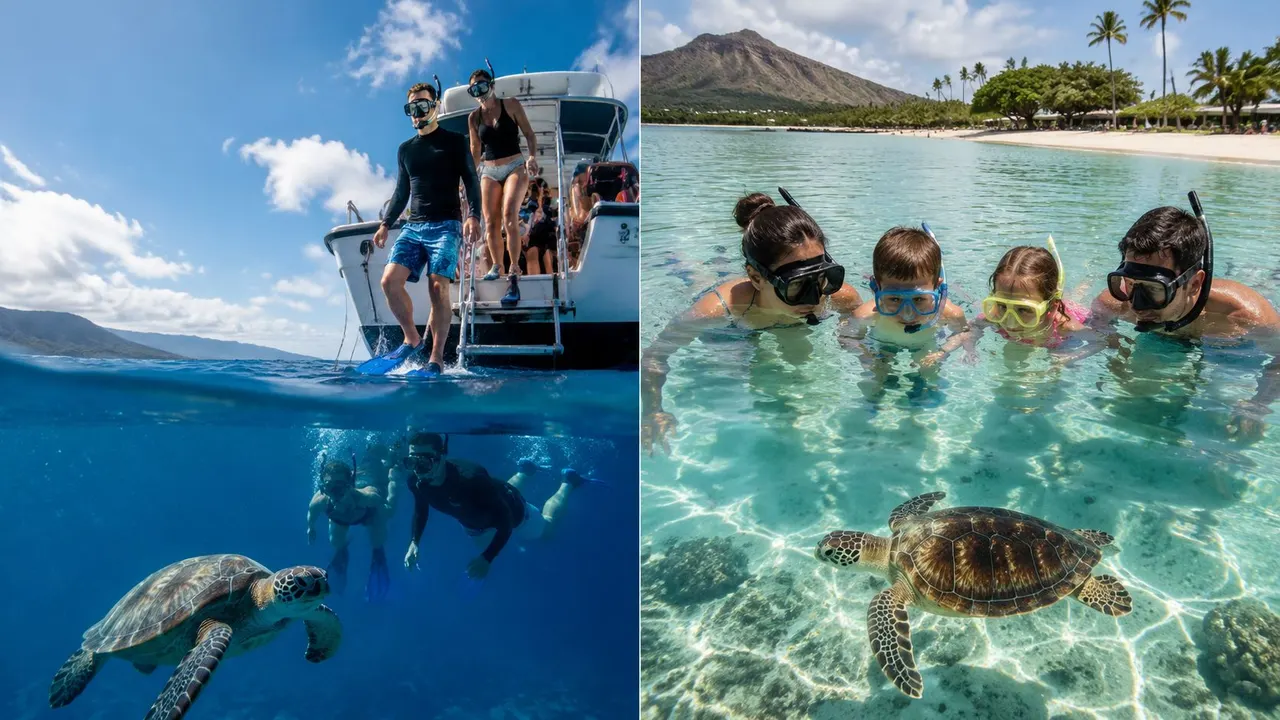
What shore snorkeling feels like in real life
Online, a beach can look simple. In person, the variables show up fast. Rocky entries make people hesitate. Small surf feels much bigger when you're carrying fins. Crowds cluster in the same area, and that pressure can stress turtles and shorten the quality of the encounter.
That's why the shore-versus-boat question matters so much for mixed-skill groups. This practical comparison from Kona Snorkel Trips on turtle snorkeling in Oahu points out that shore-based snorkeling can be complicated by variable surf, rocky entries, and crowding, while guided boat trips remove much of that uncertainty and often feel more reliable and comfortable for beginners and families.
If you're weighing the two styles, this side-by-side look at Turtle Canyon vs. Waikiki snorkeling helps clarify what changes once you leave shore entry behind.
Why boat access works better for beginners
A guided boat tour changes the day in practical ways, not just scenic ones. You skip the beach entry problem. You start with a safety briefing. Gear gets fitted before the snorkel begins, not after someone is already frustrated in the water.
A good family snorkel is predictable before it becomes exciting.
For beginners and kids, the biggest benefits are usually these:
- Cleaner start to the day. You board, listen, gear up, and enter the water with a plan.
- Less guesswork. You're not reading surf, choosing entry points, or wondering if the crowd picked the right patch of reef.
- Better support. Guides can help with mask fit, flotation, and nerves before those small issues turn into a bad experience.
- More comfort for mixed groups. Strong swimmers can explore calmly while less confident guests stay supported.
Shore snorkeling still has a place. If your group is confident, patient, and flexible, it can be enjoyable. But if your real goal is a smooth turtle snorkel instead of a self-managed beach mission, boat access usually wins.
Waikiki's Premier Turtle Hotspot Turtle Canyons
When visitors ask for the most practical turtle snorkel near Waikiki, Turtle Canyons comes up first for good reason. It's close, it's familiar to local boat crews, and it fits the way many visitors want to spend the morning. Short travel, straightforward logistics, and a strong chance of seeing the animal they came for.
The location is one of the biggest advantages. According to Turtle Canyons access and tour details, the site is typically about 10 to 20 minutes by boat from the harbor, and guided tours report a turtle sighting rate as high as 95%. For families staying in Waikiki, that combination of access and reliability is hard to beat.
Why Turtle Canyons fits family travel well
A lot of reef sites sound good on paper but demand too much from casual snorkelers. Turtle Canyons tends to fit the half-day rhythm that visitors want. You're not committing to a long ride. You're not burning energy on a difficult shore entry. You're getting out to a known turtle area quickly.
That short run offshore matters more than people think. Kids stay fresher. Nervous swimmers don't spend the whole ride building anxiety. Grandparents and multi-generational groups can join the outing without it feeling like a major expedition.
Here's the trade-off in plain terms:
| Option | Main advantage | Main friction point |
|---|---|---|
| Turtle Canyons by boat | Short access from Waikiki and reliable turtle-focused snorkeling | You need to book a guided trip |
| Shore turtle hunting | Feels flexible and self-directed | Conditions and entry can make the day unpredictable |
If you want a closer look at the site itself, this guide to Turtle Canyon Oahu snorkeling gives more local context.
One practical tour option near Waikiki
For visitors who want guided access to Turtle Canyons, Living Ocean Tours' Turtle Canyons Snorkel Excursion is one option departing from near Waikiki. The publisher describes Living Ocean Tours as the top rated & most reviewed snorkel company on Oahu, and the trip is built around guided snorkeling, instruction, and wildlife viewing in the Turtle Canyons area.
The Golden Rules of Turtle Etiquette and Snorkeling Safety
The best turtle encounters don't come from getting closer. They come from doing less. Slow your movement, hold your position, and let the reef settle around you.
That approach is better for wildlife and better for guests. Once people stop chasing the moment, they usually start seeing more.
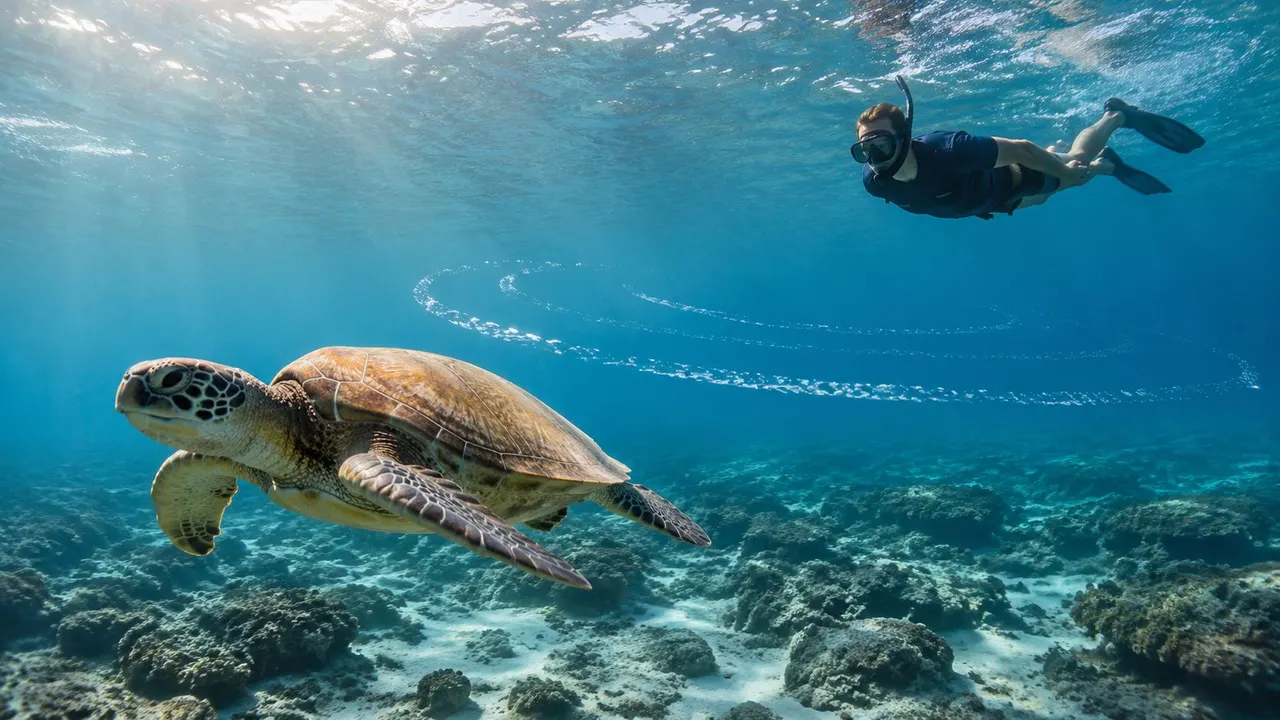
How to act around turtles in the water
The legal and ethical baseline is simple. Stay at least 10 feet away from wild sea turtles. Don't touch them. Don't feed them. Don't block their path to the surface.
Morning conditions often give you the cleanest experience. This guide to morning turtle snorkeling at Turtle Canyon notes that guided tours between 8–11 AM often report a 99% turtle-sighting success rate, with visibility up to 100 feet, and it recommends remaining stationary rather than pursuing the animals.
For a more detailed etiquette refresher, this page on Turtle Canyon turtle etiquette is worth reading before your trip.
Give a turtle enough space to feel safe, and it often keeps doing exactly what you hoped to see.
Simple safety habits that make the snorkel better
Good snorkeling safety isn't complicated, but it does require discipline. The small habits are what keep beginners relaxed.
Use this short checklist in the water:
- Wear the flotation you're given. A vest reduces panic and helps tired swimmers stay comfortable longer.
- Enter slowly and settle first. Don't start kicking hard the moment you hit the water.
- Keep your head on a swivel. Stay aware of the boat, your guide, and the rest of your group.
- Watch your fins. New snorkelers often focus forward and forget what their feet are doing behind them.
- Listen the first time. A clear safety briefing solves most problems before they start.
Families do especially well when adults set the pace. If the adults stay calm, move slowly, and avoid chasing wildlife, kids usually follow that lead right away.
What to Bring and How to Prepare for Your Trip
Preparation for turtle snorkeling Oahu should feel simple. If you're doing a guided trip, you do not need to overpack or show up with technical gear. Most guests are far more comfortable when they keep the day basic and organized.
The main goal is to arrive ready to board, ready to listen, and ready to get in the water without a last-minute scramble.
What your tour usually covers
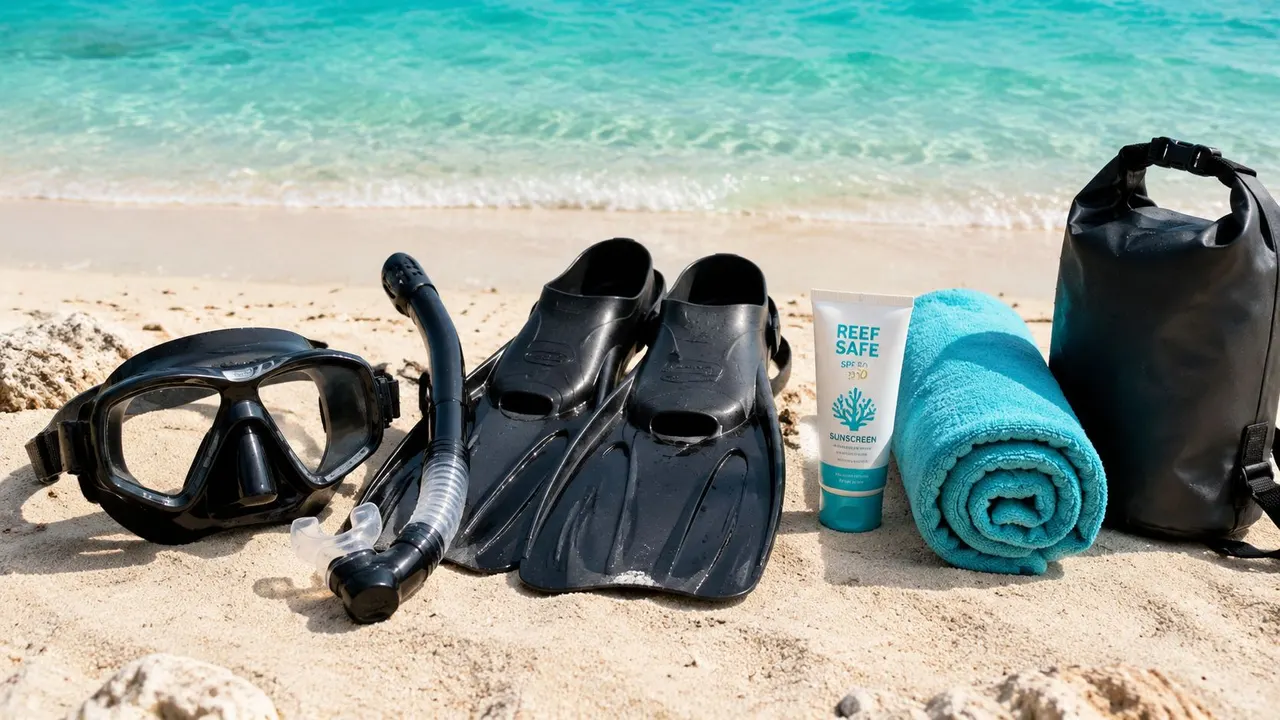
Reputable guided operators generally provide the essentials. That commonly includes your mask, snorkel, fins, and safety vest, plus the briefing that shows you how to use them well. For first-time snorkelers, that support matters as much as the gear itself.
If you like having a packing reference, this Turtle Canyon packing list is a practical starting point.
If a guest shows up with swimwear on, a towel, and the right attitude, they're usually in good shape.
What to pack for a smoother morning
Keep your personal list short and useful:
- Swimwear first. Wear it under your clothes so boarding is easy.
- A towel matters more than extra clothes. You'll want it on the ride back.
- Use reef-safe sun protection. Hawaii's reefs need less chemical stress, and your skin still needs coverage.
- Bring a hat and sunglasses. Boat rides feel brighter than people expect.
- Add a light layer. Even on warm mornings, the breeze after snorkeling can feel cool.
A few preparation habits help beginners a lot:
- Test the mindset before the mask. If you're nervous, focus on slow breathing and floating first.
- Say something early. Tell the crew if you're not a strong swimmer or if your child is unsure.
- Don't force the perfect photo. Comfort in the water produces better memories than frantic camera work.
Basic swimming ability is helpful, but flotation and guided support often make the experience much more approachable than beginners expect.
Your Oahu Turtle Snorkeling Checklist and FAQ
A good turtle day usually comes from a few smart decisions made in advance. You don't need a complicated plan. You need the right conditions, the right format for your group, and the right behavior once you're in the water.
For many visitors, calmer water makes the whole experience easier. This roundup of the best Oahu spots to snorkel and swim with turtles notes that the warmer months from May to September typically bring better visibility and less wind, which is especially helpful for families and beginners.
A simple checklist before you book
Use this as your pre-trip filter:
- Choose comfort over bragging rights. If your group includes kids, casual swimmers, or grandparents, prioritize an easy format.
- Favor calm conditions. Morning departures and warmer-season water often make the day smoother.
- Book a guided turtle-specific trip. Reliability usually matters more than trying to improvise from shore.
- Pack light but smart. Swimwear, towel, sun protection, and simple boat-day layers are enough.
- Commit to etiquette before arrival. Wildlife viewing goes better when everyone already knows the rules.
If you want a final planning resource, these Turtle Canyon snorkel tips cover the small decisions that make a noticeable difference.
Frequently asked questions
Is turtle snorkeling good for kids?
Yes, if the experience matches the child. Boat tours tend to work better for many families because they remove the shore-entry stress that can overwhelm younger snorkelers before the fun begins.
What if I'm not a strong swimmer?
That doesn't automatically rule you out. Guided trips with flotation support, a safety briefing, and in-water supervision are often the most comfortable setup for casual swimmers.
Is shore snorkeling ever the better choice?
It can be, especially for confident swimmers who are flexible about conditions and don't mind a more self-directed outing. For beginners, comfort and predictability usually matter more than staying near shore.
When is the best time to go?
If your schedule is flexible, aim for calmer conditions and earlier departures. Those choices usually give families the easiest water and the least stressful start.
What's the biggest mistake first-timers make?
They rush. They kick too hard, chase turtles, or treat the first minutes in the water like a race. Slow entry, steady breathing, and patient observation almost always produce a better snorkel.
If you want a guided option near Waikiki, Living Ocean Tours offers turtle-focused snorkeling and other ocean trips designed around safe, respectful time on the water. For families and first-time snorkelers, a structured outing can take the guesswork out of turtle snorkeling Oahu and make the whole day feel easier from check-in to the ride back.


