
Turtle Snorkeling Oahu: Should You Wear Reef Gloves?
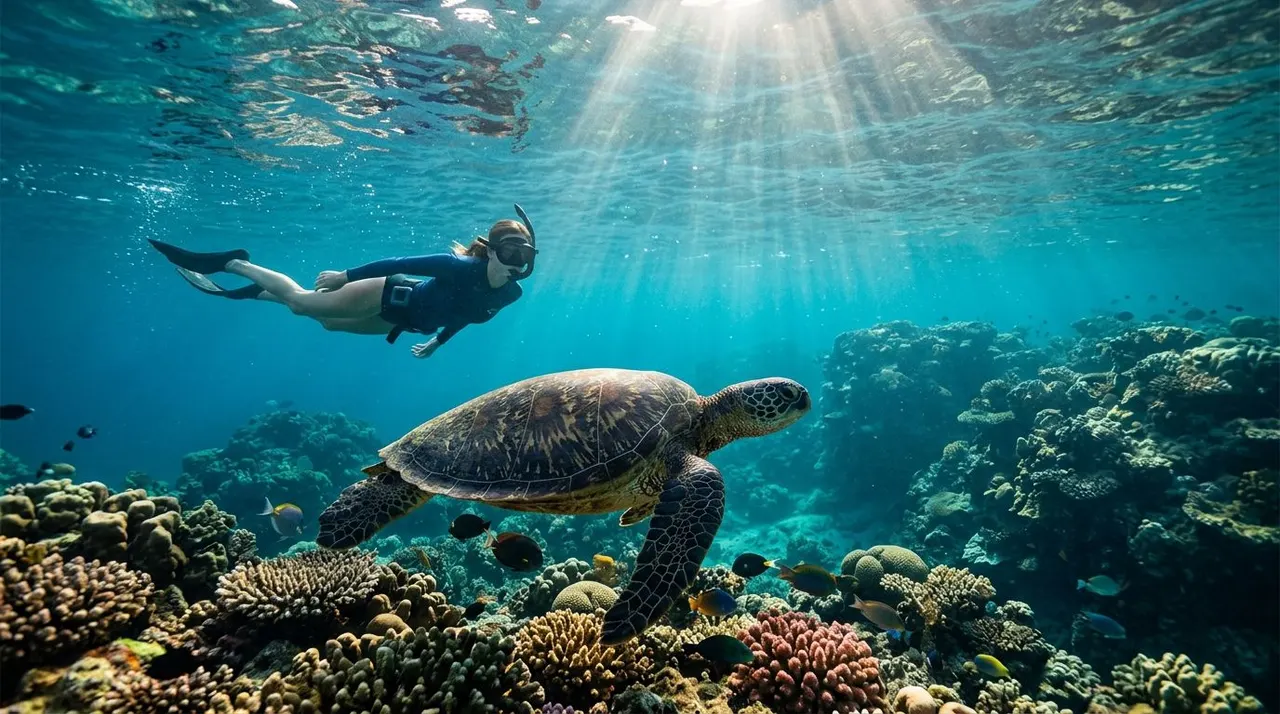
A Hawaiian green sea turtle can look close enough to touch when it glides past your mask. That moment makes many visitors ask the same question: should you wear gloves while snorkeling?
If you searched for turtle snorkeling Oahu, you may be planning your gear around comfort, safety, or protection from sharp coral. In most cases, gloves aren’t necessary, and they should never make you feel comfortable reaching toward reef wildlife. Your best protection is distance, calm movement, and guidance from a professional crew.
Turtle Snorkeling Oahu: Why Gloves Are Usually the Wrong Choice
Gloves don’t make touching a sea turtle safe. They may protect your skin from a scrape, but they don’t protect the turtle from contact, pressure, or stress. A glove can also reduce your sense of touch, making it harder to notice when your hand brushes coral or another living surface.
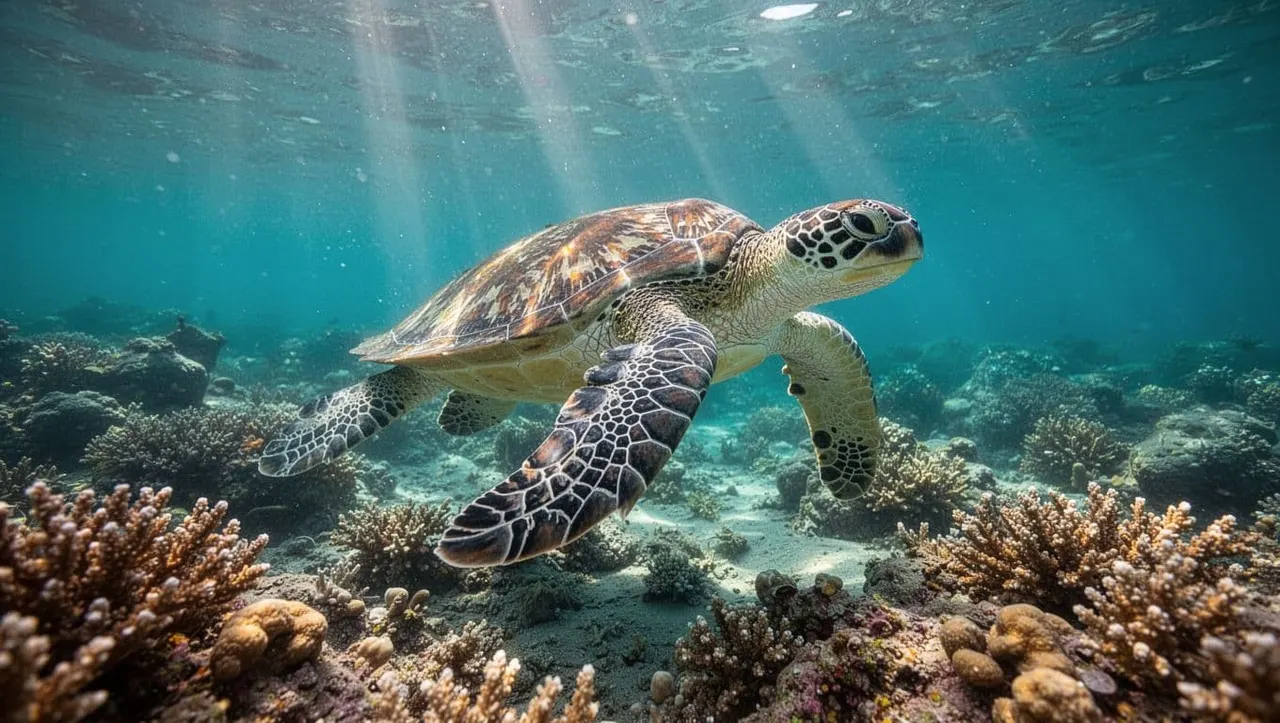
Sea turtles are wild animals, even when they appear relaxed around swimmers. Hawaiian green sea turtles often visit shallow reef areas to rest or allow small fish to clean algae and debris from their shells. A person who reaches toward a turtle can interrupt that behavior and cause the animal to swim away.
Your hands can also carry sunscreen, lotion, or other substances into the water. Gloves don’t remove those materials from your skin, and they don’t give you permission to hold, guide, or block an animal. The safest rule is simple: observe, don’t touch.
NOAA’s marine life viewing guidelines recommend staying at least 10 feet from sea turtles in Hawaii, both on land and in the water. That distance gives the turtle room to breathe, turn, and leave without feeling surrounded.
A glove can cover your hand, but it can’t make touching wildlife safe.
If a turtle swims closer than 10 feet, don’t chase it away or try to move back quickly. Keep your body still, avoid reaching out, and let the turtle choose its own path. The encounter will often last longer when you stop trying to control it.
How to Snorkel Near Oahu’s Reef Wildlife
Responsible turtle snorkeling Oahu visitors use their position in the water to protect wildlife. You don’t need special skills to do this. You need awareness and enough space for the animal to behave naturally.
Keep your body calm and your fins controlled
Strong kicking creates noise, bubbles, and sudden movement. Those actions can startle a turtle or push water across the reef. Use slow fin strokes, keep your arms close to your sides, and avoid swimming directly over the animal.
If you need to adjust your mask, do it away from the turtle. The same applies when you need to clear your snorkel or change direction. Move toward open water first, then handle your equipment without drifting into the animal’s path.
Never swim behind a turtle and try to keep pace. Turtles need to reach the surface to breathe, so don’t position yourself between the animal and open water. You should also avoid forming a tight circle with other swimmers.
A good guide will help you notice these details while you focus on the experience. Professional supervision is especially helpful when children or first-time snorkelers are in the group.
Keep your fins and hands off the reef
Coral may look like rock, but it is living habitat. A single careless fin kick can break fragile coral branches or stir sediment over the organisms that depend on clear water.
Wear fins that fit securely, then practice your kick in open water before approaching the reef. If you feel unsteady, use a flotation aid and ask the crew for help. Don’t stand on coral, kneel on the bottom, or grab reef structures for balance.
You should also skip feeding fish or turtles. Food changes natural behavior and can draw animals into crowded areas. Leave shells, rocks, and other marine life where you find them.
What to Wear Instead of Gloves
For most Oahu snorkeling trips, a well-fitting mask, snorkel, fins, and flotation support are more useful than gloves. Your guide or tour operator can tell you what equipment is included and help you choose the right size.
A rash guard or sun shirt can protect your shoulders and back while reducing the amount of sunscreen you need. If you use sunscreen, apply it before entering the water and choose a reef-conscious mineral formula. Covering your skin also helps you stay comfortable during longer time in the sun.
Some guests may have a personal reason to wear gloves. You might have sensitive skin, a healing cut, or a medical concern that requires extra coverage. In that case, speak with your guide before entering the water. Choose thin, well-fitting gloves that don’t interfere with your mask, fins, or ability to follow instructions.
Even with gloves, keep your hands away from turtles and coral. If you worry about sharp rocks, the better solution is usually to stay in open water and improve your body position rather than reach down for support.
Avoid loose accessories, dangling jewelry, and unsecured cameras. These items can snag on equipment or tempt you to move closer for a better photo. Use a camera only when you can maintain distance and keep your attention on the water around you.
Choose a Tour With Professional Snorkel Guides
The operator you choose affects how comfortable and respectful your wildlife encounter feels. A crowded beach entry can make it hard to manage your distance, especially when several groups gather around one turtle. A guided boat trip gives you clear instructions before you enter the water and a crew member who can monitor conditions.
Living Ocean Tours departs from Kewalo Basin Boat Harbor, just minutes from Waikiki Beach. The company focuses on guided ocean experiences along the Waikiki coastline, including its Turtle Canyon Snorkel Excursion. The natural underwater cleaning station has a reported 95% success rate for spotting Hawaiian green sea turtles.
Living Ocean Tours is the only tour company with professional snorkel guides. Those guides help you understand where to look, how to move, and when to give wildlife more room. That support matters when you are excited, distracted, or snorkeling with young family members.
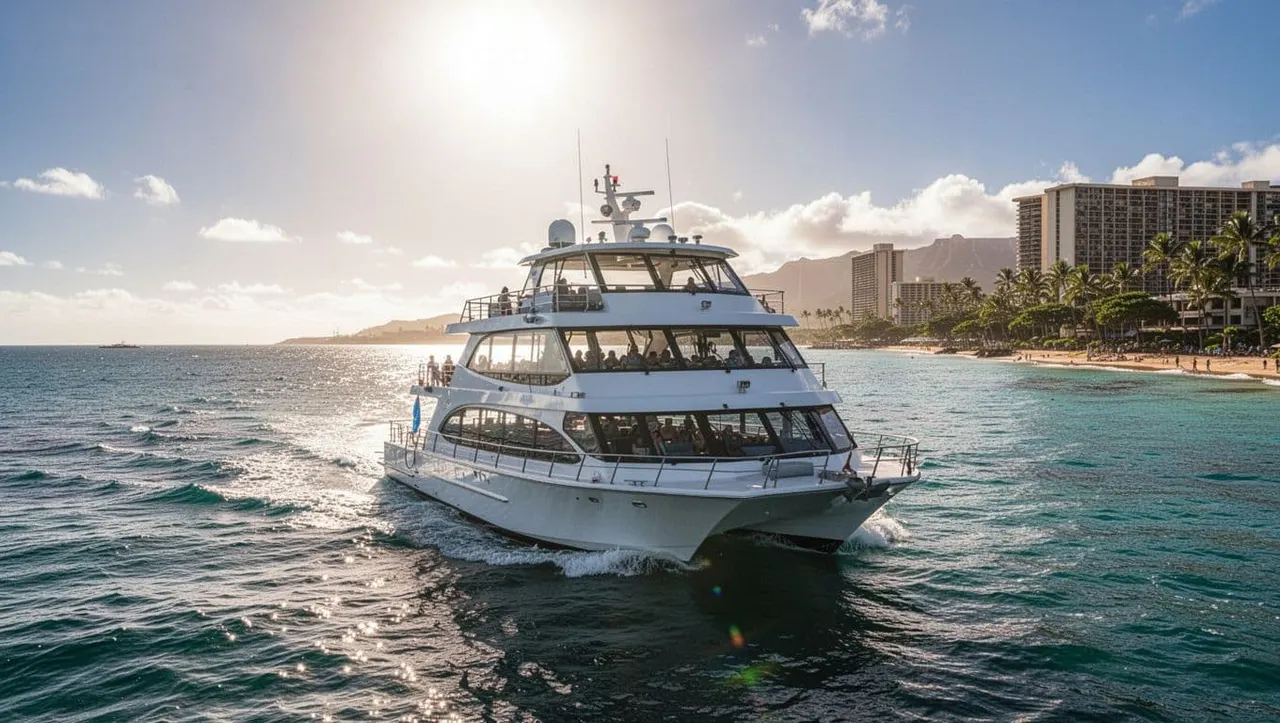
You can review the company’s ocean tours in Honolulu before choosing the trip that fits your group. The Coast Guard-inspected fleet includes the custom-built Coral Kai and Lokahi double-decker vessels. Both boats offer shaded seating, restrooms, dry storage, and sturdy ladders for easier water entry.
The Lokahi also has a SeaKeeper stabilization system that helps reduce rolling on the water. That feature can make the ride more comfortable if you are new to boat trips or concerned about seasickness. Families seeking extra water activities can choose a deluxe cruise with a waterslide, water trampoline, and floating lily pad.
The boat amenities are convenient, but the guide’s wildlife instruction should remain your priority. A comfortable boat makes it easier to listen, stay relaxed, and follow no-touch practices in the water.
Your No-Touch Turtle Snorkeling Oahu Plan
You can prepare for a respectful encounter before the boat reaches Turtle Canyon. A few simple choices will help you stay comfortable without relying on gloves.
- Ask questions during the safety briefing. Tell the crew if you are a first-time snorkeler, feel nervous in open water, or need help with equipment.
- Practice away from wildlife. Get used to your mask, snorkel, and fins before approaching the reef. Adjust straps and clear your snorkel in open water.
- Stay with the group. Your guide can point out turtles without sending you toward them. Follow the group’s spacing instructions and leave room between swimmers.
- Let the turtle lead. If the animal changes direction, rises for air, or swims away, allow it to go. Don’t follow for another view or attempt to take a closer photograph.
A calm body also helps you conserve energy. Float when you can, breathe slowly through the snorkel, and use measured fin strokes. These habits help beginners stay relaxed while reducing disturbance to the reef.
For a turtle snorkeling Oahu experience, your goal isn’t to get the closest possible photo. Your goal is to see the animal behaving naturally and leave the water without changing that behavior.
The Turtle Canyon Snorkel Excursion is a strong fit if you want a guided wildlife-focused outing. Check the day’s schedule and conditions before booking:
The Best Gear Is Good Judgment
You don’t need gloves to enjoy turtle snorkeling Oahu waters. Keep a comfortable distance, avoid touching every part of the reef, and allow your guide to manage the encounter. A rash guard, secure equipment, flotation support, and calm fin control will serve you better than extra hand protection.
Living Ocean Tours combines professional snorkel guidance with comfortable boats and access to Turtle Canyon’s natural cleaning station. When you respect the animal’s space, you give yourself a better chance to watch its real behavior instead of causing it to flee.
The turtle that swims past your mask should remain wild, unbothered, and free to choose where it goes. That is the memory worth taking home.


