
Best Turtle Snorkeling Oahu Spots: Your 2026 Guide
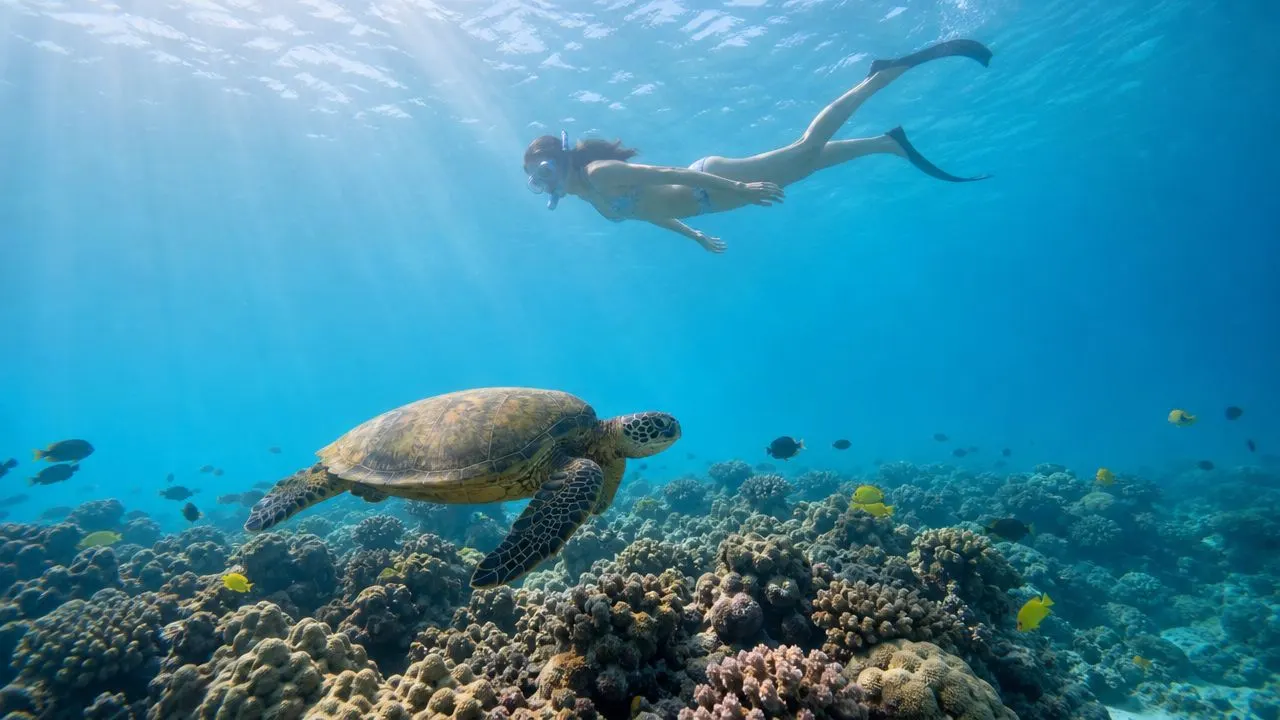
You're probably deciding between two very different Oahu turtle days right now. One is the classic vacation gamble. Rent some gear, drive to a famous beach, hunt for parking, study the water, and hope the entry is easy enough that everyone in your group still wants to snorkel once you get there. The other is simpler. Board a boat near Waikiki, get a briefing, and head straight to offshore reef habitat where turtles are regularly seen.
That choice matters more than most visitors expect.
Turtle snorkeling Oahu can be calm, family-friendly, and unforgettable. It can also turn into a tiring shore swim with choppy entry, crowded sand, and not much to show for it in the water. The difference usually comes down to matching the experience to your group, your comfort in the ocean, and how much uncertainty you want in your day.
Your Dream of Swimming with Turtles in Hawaii
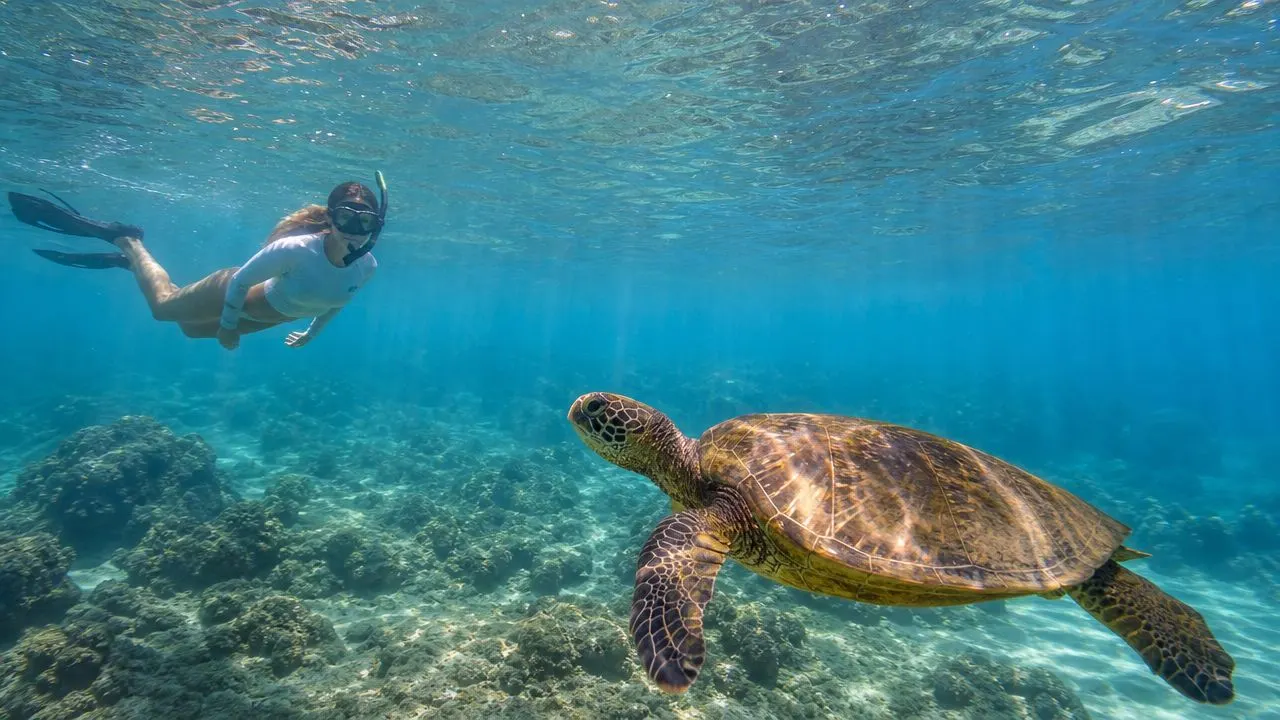
The ideal moment is simple. You're floating face down in clear blue water, your breathing slows, the reef sharpens into view, and a Hawaiian green sea turtle glides below you without any rush at all. Nobody needs to explain why that sticks with people. It's quiet, wild, and very different from seeing marine life from a crowded shoreline.
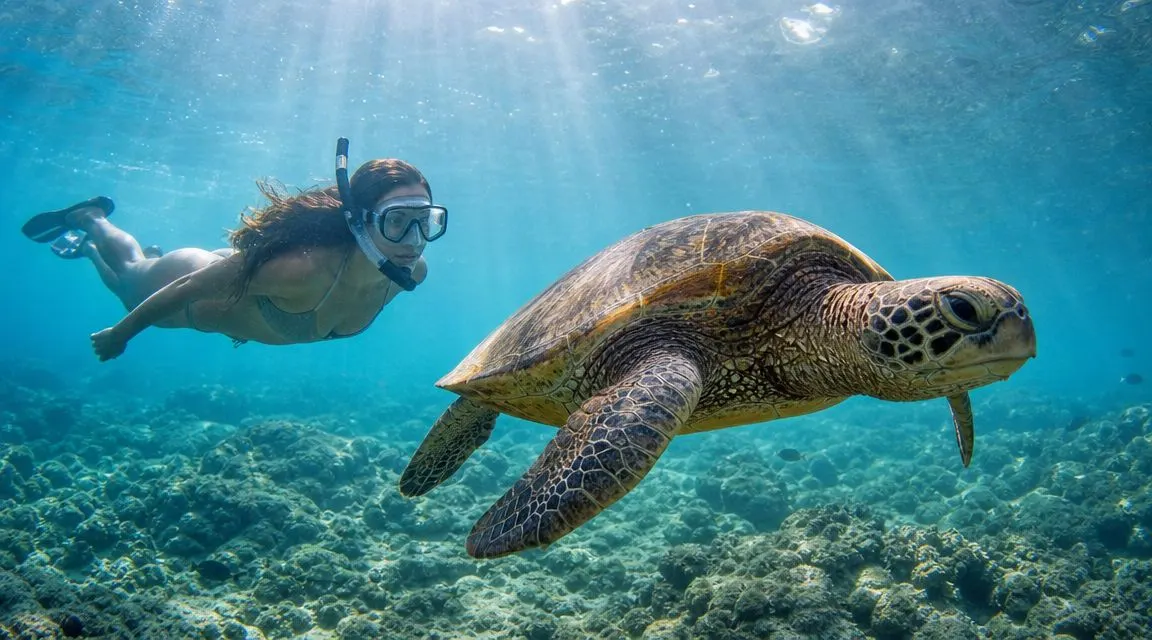
On Oahu, that experience is realistic for visitors who plan well. The island gives you both shore-based turtle areas and offshore reef sites, but they don't deliver the same kind of day. Families staying in Waikiki often assume any beach with turtle photos online will work. In practice, the right choice depends on whether your group wants convenience, a smoother entry, or the strongest odds of a relaxed in-water encounter.
There's also a cultural side worth remembering. In Hawaii, honu are respected animals, and that changes how a good snorkel should feel. The goal isn't to get as close as possible. The goal is to watch natural behavior without pressuring the turtle.
The best turtle encounter is the one where the animal keeps acting like you aren't there.
That mindset improves the day for everyone. It keeps the water calmer, it helps kids understand what respectful wildlife viewing looks like, and it usually leads to better observations because the turtle isn't trying to get away from a crowd.
If you're trying to sort out what works for turtle snorkeling Oahu, start with one practical question. Do you want to enter from shore and accept changing conditions, or do you want direct access to offshore habitat with a crew handling the setup?
Oahus Top Turtle Hotspots Shore vs Boat
Most visitors don't need a giant list of turtle spots. They need help choosing the right format. On Oahu, that usually means deciding between a beach entry and a guided boat trip.
What shore spots do well
Shore spots can be great for people who are already comfortable reading ocean conditions, managing their own gear, and accepting that the day may become more about the beach than the snorkel. They also work well if your main goal is casual turtle viewing from land rather than a structured in-water experience.
The trade-off is that shore snorkeling can become work fast. Parking, beach crowds, surf entry, and a longer surface swim all eat into the part people value. Independent guidance notes that shore snorkeling can be unpredictable, while guided boat access removes entry problems and is recommended for kids or beginners in practical comparisons of shore access versus guided Turtle Canyon trips.
Why boat access changes the experience
Boat access solves the hardest part first. Instead of dealing with shorebreak and guessing where reef life is active, you start over the habitat itself. That changes the mood of the whole outing, especially for first-timers and multi-generational groups.
For Turtle Canyon in particular, the site is boat-only and typically reached in about 10 to 20 minutes from Waikiki or Kewalo Basin, with guided excursions reporting a 95% to 99% turtle-sighting success rate and typical encounters with 3 to 5 turtles on a trip, according to this Turtle Canyon overview from Living Ocean Tours. Those details matter because they explain why so many Waikiki visitors choose an offshore trip instead of hoping for a good shore day.
Here's the quick comparison most families need:
| Factor | Shore Snorkeling (e.g., Laniakea) | Boat Tour (e.g., Turtle Canyons) |
|---|---|---|
| Entry | Can be tricky depending on surf and shoreline | No beach entry |
| Parking | Often part of the effort | Usually simpler once you reach the harbor |
| For beginners | Can feel intimidating | Guided setup is easier for first-timers |
| Family comfort | Depends a lot on conditions | More structured and predictable |
| Turtle encounter style | Can be brief or incidental | Built around known reef habitat |
| Best for | Confident swimmers who don't mind uncertainty | Families, casual swimmers, and visitors short on time |
Practical rule: If anyone in your group is nervous about surf entry, choose the boat day.
That doesn't make shore snorkeling bad. It just means people often expect a shore snorkel to feel easier than it really is. For turtle snorkeling Oahu, the wrong entry can ruin an otherwise beautiful location.
A Deep Dive Into Turtle Canyons
Turtle Canyons earns its reputation for one reason. The reef gives turtles a reason to be there.
Why turtles use this reef
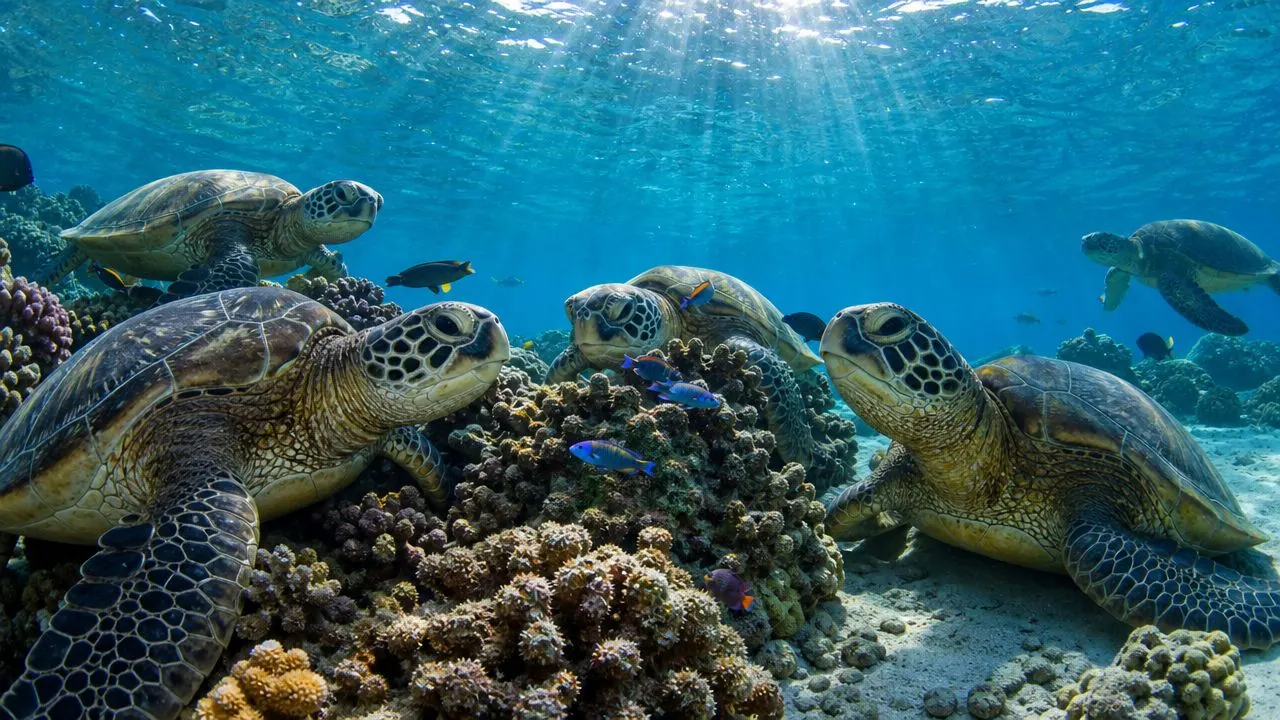
Just offshore from Waikiki, Turtle Canyon is a reef system where turtles visit natural cleaning stations. That means reef fish pick at algae and parasites on the turtles' shells, so the animals return to the area as part of normal behavior. That's why the site feels different from a random turtle sighting near a beach.
Independent guides describe Turtle Canyon as a reef with typical snorkel depths of 25 to 30 feet, where snorkelers can stay on the surface and watch turtles below at the cleaning station in this site breakdown of Turtle Canyon conditions. For beginners, that depth is a big advantage. You don't need to dive down to enjoy the encounter.
What the snorkel feels like
This is not a stand-on-the-bottom kind of spot. It's a float, breathe, and observe kind of spot. The better you relax on the surface, the more you'll see.
Independent descriptions also note that the site combines shallow reef geometry with open-ocean exposure, with currents that can reach 1.5 knots and surge up to 2 feet in some conditions, as explained in this technical guide to Turtle Canyon snorkeling. That doesn't mean the site is extreme. It means good form matters more than brute effort.
A few things help immediately:
- Stay horizontal: A flat body position creates less drag.
- Use slow fin kicks: Fast kicking burns energy and makes people tense.
- Follow the guide's line: Drifting away usually makes the snorkel feel harder than it is.
- Look down, not everywhere at once: Turtles often appear once you settle your breathing and stop scanning in a panic.
The first-time mistake is trying to overpower the water. The better move is to let your flotation and body position do the work while you watch the reef below.
Guided Tour vs DIY Snorkeling The Best Way to See Turtles
You wake up to clear skies, load the car, and head for a beach you found on a map the night before. Then the parking is tight, the shorebreak looks bigger than expected, one mask starts leaking, and half the group is debating whether to get in at all. That is a significant fork in the road for turtle snorkeling on Oahu. The choice is rarely just shore versus boat. It is uncertainty versus structure.
DIY snorkeling can still be the right call. Confident swimmers who already know Oahu access points, can read basic ocean conditions, and have properly fitted gear often enjoy the freedom to set their own pace. If your goal is a casual beach morning and you are comfortable calling an audible when conditions change, shore entry may fit the day.
Families and first-timers usually want something different. They want a good chance of seeing turtles without turning the morning into a string of small decisions that someone has to manage. Kids get tired before they reach the reef. Older relatives may be fine in calm water but not happy with a rocky entry. One nervous snorkeler can change the whole plan.
That is why boat trips make sense for so many visitors.
At an offshore site like Turtle Canyon, the main advantage is predictability. Boats take guests straight to known turtle habitat, and the crew handles the parts that trip people up on shore: where to enter, how to float the site, what to do if a mask fogs, and when conditions are no longer worth forcing. For visitors comparing options, these Oahu turtle snorkeling tours show the kind of setup that removes guesswork for beginners.
The trade-off is simple. A guided trip costs more and runs on a schedule. You give up some independence. In return, you usually get cleaner water access, flotation and snorkel gear, a safety briefing, and immediate help if someone in the group gets anxious once they are in open water.
For Waikiki visitors, that convenience matters more than people expect. Reaching turtles from shore often means accepting weaker odds, longer surface swims, or conditions that look fine from the sand and feel very different once you are out. A boat changes the day from “maybe we'll make this work” to a plan that is built around the snorkel itself.
Here's the tour page many families look at first:
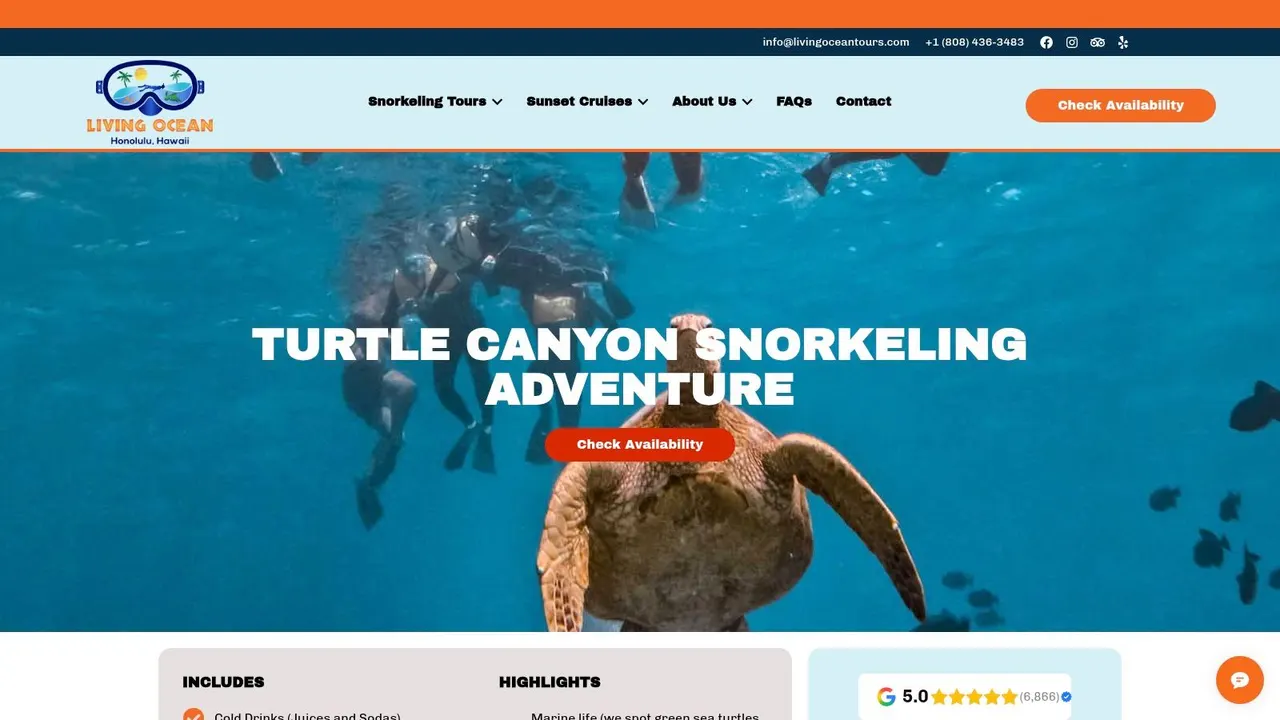
A well-run guided snorkel feels calm before anyone spots the first turtle. For kids, casual swimmers, and visitors who have never snorkeled offshore, that calm start is often what makes the experience memorable for the right reasons.
Snorkeling with Honu A Guide to Safety and Respect
The fastest way to ruin a turtle encounter is to treat it like a photo chase. The best way is to enter the water with clear rules and follow them.
The non negotiable rules
The most important benchmark is the 10-foot separation rule. You should stay at least that far from wild sea turtles at all times, and you should never touch, chase, or feed them, as outlined in this guide to Turtle Canyon etiquette and responsible viewing.
That rule matters because turtles stress easily when swimmers crowd them. Fast movement, splashing, and blocking their path can change how they behave. If a turtle has to alter course because of you, you're too close.
Use this checklist in the water:
- Keep distance: Stay at least 10 feet away.
- Let the turtle choose the line: Don't swim into its path.
- Hands off, always: No touching, even if the turtle surfaces near you.
- No feeding: Wild animals should stay wild.
Good habits in the water
Responsible turtle snorkeling Oahu isn't only about the turtle. It's also about the reef. Reef-safe sunscreen matters, and travel guidance notes that oxybenzone has been associated with coral bleaching effects reported at 30% to 50% in the cited guide on responsible Oahu turtle snorkeling practices.
A few habits make a real difference:
- Float gently: Calm swimmers see more and disturb less.
- Watch your fins: Many people accidentally focus on the turtle and forget what's below them.
- Stay with your buddy: It keeps the group more controlled and safer.
- Know your limit: If you're anxious or tired, signal early. Don't push through it.
Respect looks simple in the water. Give space, stay calm, and let the honu remain the one in control.
Planning Your Perfect Oahu Turtle Adventure
Good planning removes most of the stress before the boat leaves the harbor or before you ever step onto the sand.
When to go and what to bring
Turtles are part of Oahu's marine life year-round, so the bigger question is less about season and more about conditions and comfort. Shore snorkeling usually depends more on what the water is doing that day. Guided boat trips are often the cleaner choice when your schedule is tight and you want a more controlled outing.
Keep your packing list simple. You don't need to bring a garage full of gear for turtle snorkeling Oahu.
Bring these:
- Swimwear under your clothes: Boarding and getting ready is easier.
- A towel: You'll want it for the ride back.
- Reef-safe sunscreen: Apply it before departure.
- Water and simple sun protection: A hat and cover-up help before and after the snorkel.
- A camera you trust around saltwater: Only if you'll use it without fussing the whole trip.
If you want a quick pre-trip checklist, this Turtle Canyon packing list is a useful reference.
How to choose the right trip
The best trip depends on your group, not on what sounds most adventurous online.
Choose a shore snorkel if your group is comfortable with beach entry, willing to adjust plans, and fine with a more variable day. Choose a guided boat trip if you want structure, easier logistics, and more confidence for beginners or kids.
A simple filter works well:
| If your group is… | Usually the better fit is… |
|---|---|
| Families with younger kids | A guided boat trip |
| First-time snorkelers | A guided boat trip |
| Confident swimmers with flexibility | Shore or boat, depending on conditions |
| Visitors staying in Waikiki without a car | A Waikiki departure boat trip |
The common mistake is overestimating how much energy people will still have after a difficult shore setup. If the main goal is to enjoy seeing turtles, reduce friction wherever you can.
For travelers who want a broader snorkeling day along the Waikiki coast, the Waikiki snorkel tour page is a practical place to compare options.
If you want a turtle day that feels organized, safe, and respectful from the start, take a look at Living Ocean Tours. Their Waikiki departures make it easy to choose a guided Oahu ocean experience that fits your group, whether you want a dedicated turtle snorkel or a broader family-friendly snorkeling trip.


