
Best Turtle Snorkeling Oahu Spots
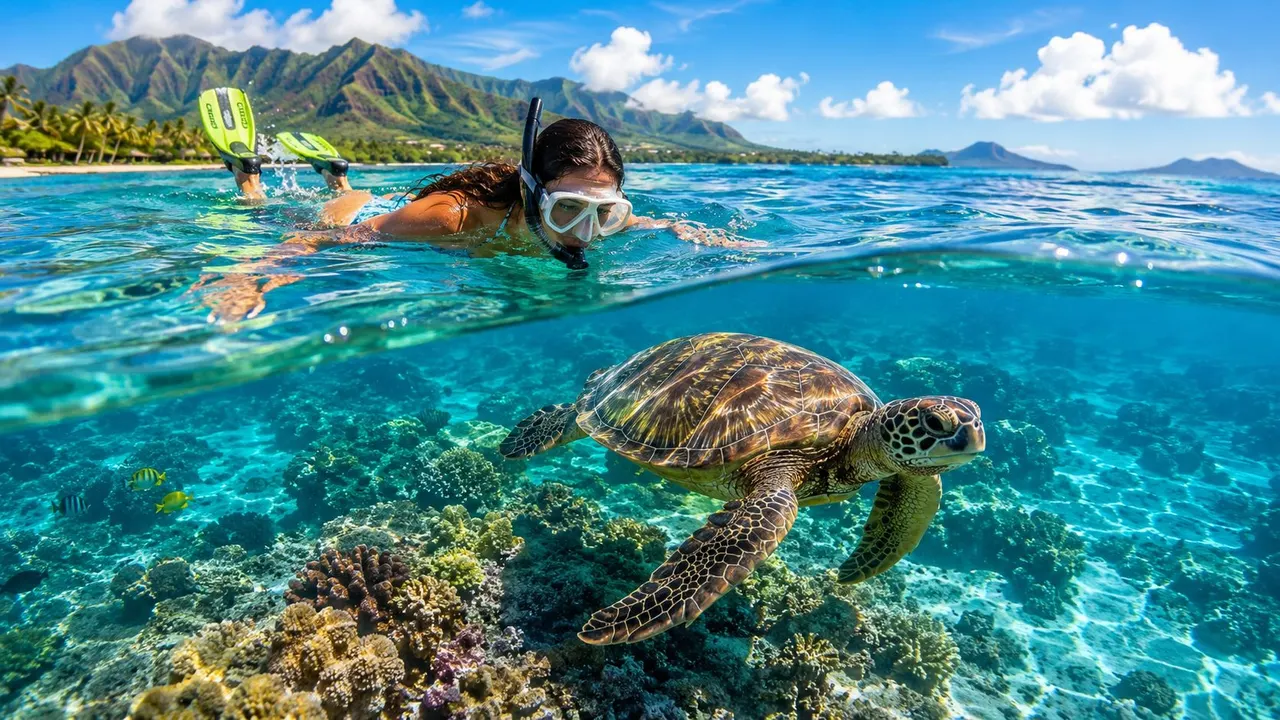
You're probably deciding between two versions of the same Hawaii day. In one version, you load the car, hunt for parking, carry gear across hot sand, stare at the shorebreak, and wonder if this beach is a smart place to get in. In the other, you step onto a boat near Waikiki, get a clear briefing, and spend your energy watching the reef instead of troubleshooting the ocean.
That choice matters more than most turtle snorkeling guides admit. Plenty of pages tell you where turtles exist. Fewer tell you which option gives families, beginners, and mixed-skill groups the smoothest path to a good day in the water.
Turtle snorkeling on Oahu can be unforgettable. It can also be tiring, rushed, or frustrating if you pick the wrong setup for your group. The difference usually comes down to access, conditions, and how much support you want once the mask goes on.
Why Snorkeling with Turtles in Oahu Is a Magical Experience
The moment people remember isn't usually the boat ride or the gear. It's the pause. You're floating face-down in clear blue water, hearing nothing but your own breathing through the snorkel, when a Hawaiian green sea turtle glides across the reef below you. The movement is calm, unhurried, and completely different from the frantic pace most visitors carry onto the island.
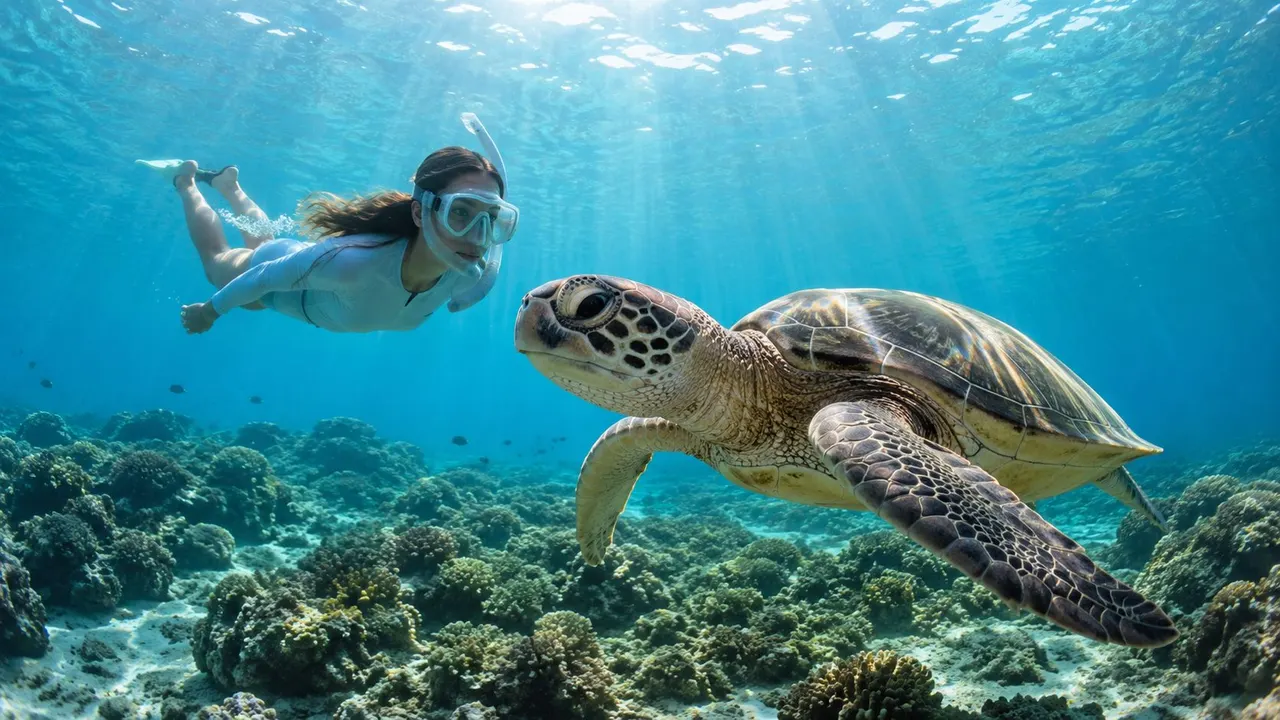
That's why turtle snorkeling on Oahu stays with people. It doesn't feel staged. When the encounter is handled well, you're not chasing wildlife. You're watching an animal move through its own home while the reef carries on around it.
A reef encounter that feels calm, not crowded
Good turtle encounters have a certain rhythm. The turtle keeps swimming naturally. Reef fish keep working the coral. Snorkelers stay at the surface, relaxed and observant, instead of kicking hard and trying to close distance.
The best turtle snorkel isn't the one where you get closest. It's the one where the turtle never has to change what it was doing.
That's also why planning matters. The right site, the right entry method, and the right expectations shape the whole experience. Families usually enjoy it more when the logistics are simple. First-timers do better when they can settle in without worrying about surf, footing, or whether they picked the wrong beach.
Why people come back talking about honu
Sea turtles change the pace of the water. Even nervous swimmers tend to slow down once they spot one. Kids stop splashing. Adults stop narrating everything. For a few minutes, everyone just watches.
That quiet attention is part of the magic. Oahu offers plenty of beautiful ocean activities, but turtle snorkeling stands out because it combines wildlife, reef scenery, and a sense of real connection. When it's done safely and respectfully, it feels less like checking off an activity and more like being welcomed into the ocean for a short visit.
Get to Know the Gentle Giants of Oahu
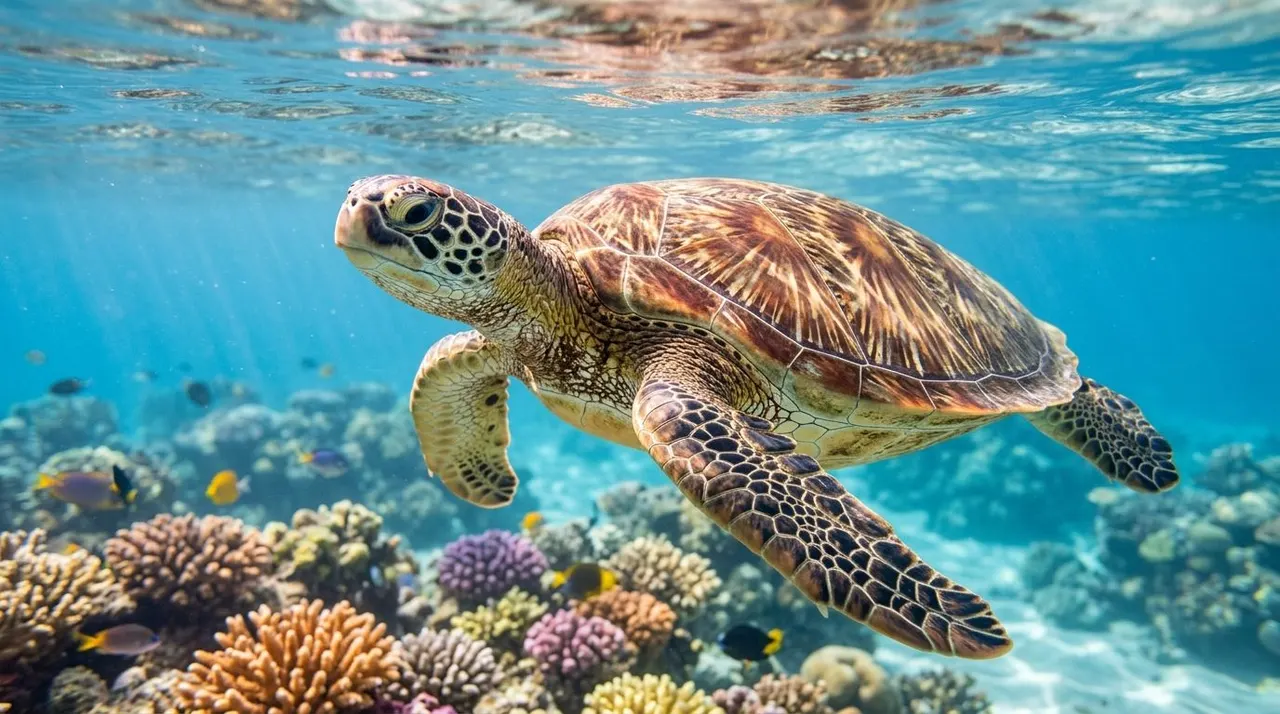
Hawaiian green sea turtles, known locally as honu, deserve more than quick-photo treatment. If you understand what they are, how they behave, and why people in Hawaii hold them in such regard, you'll move through the water differently around them.
Why honu mean more than a wildlife sighting
In Hawaii, honu are widely respected and often connected with a sense of guidance, ancestry, and place. Visitors don't need to be experts in Hawaiian culture to understand the basic lesson. These animals aren't props for a vacation photo. They're part of a living marine environment and part of the cultural fabric too.
That mindset changes how you snorkel. You stop thinking in terms of “How close can I get?” and start asking, “How do I watch without intruding?”
If you want more context on what turtles are eating around this reef system, this look at the Turtle Canyon diet gives helpful background on what supports their daily life.
What their behavior tells you in the water
Turtles don't move randomly. When you learn a few basics, the reef starts to make more sense.
- Feeding behavior: Honu often spend time around reef areas where they can graze and travel comfortably.
- Rest and recovery: On some parts of Oahu, turtles are also seen resting on shore. That's a time to give them even more space.
- Cleaning activity: Some reef zones attract turtles because smaller fish pick at algae or parasites on their shells and skin.
A calm turtle is easy to recognize. It keeps a steady line, surfaces without rushing, and doesn't veer off because of swimmers. A pressured turtle looks different. It changes direction, speeds up, or stops using a spot it was clearly interested in a moment earlier.
Practical rule: If your movement changes the turtle's movement, you're too close or too active.
That's why experienced guides care so much about spacing and surface control. Good turtle snorkeling on Oahu starts with respect long before anyone sees the first honu.
Shore Snorkeling vs Guided Tours for Seeing Turtles
You can feel this choice before you even get in the water. A family pulls up to a beach with fins, towels, snacks, and excited kids. Then the practical questions start. Where do you park? How rough is the entry? Is that reef close enough to swim to comfortably? For beginners, that stress can drain the fun before the first turtle appears.
Shore snorkeling sounds easier than it often is. On a calm day, at the right beach, with confident swimmers, it can be a good plan. But if your goal is seeing turtles safely and giving everyone in the group a positive first experience, guided boat tours usually make more sense.
Independent guidance on Oahu turtle snorkeling notes that a boat tour is often the strongest option because it avoids parking hassles, unpredictable surf, rocky footing, and long swims, which makes it a safer and simpler choice for families, first-timers, and anyone uneasy in open water, as explained in this Oahu turtle snorkeling comparison.
What shore snorkeling gets right
Shore snorkeling has real advantages. You set your own schedule, keep costs lower in some cases, and stay flexible if your group already knows how to read ocean conditions.
It also works well for strong swimmers who do not mind scouting a spot, checking visibility, and accepting that turtle sightings may or may not happen that day.
The trade-off is effort and uncertainty. Some shore entries involve slippery rock, shallow surge, or a longer surface swim before the reef gets interesting. Families often underestimate how hard that feels once children are carrying gear, swallowing a little saltwater, or getting nervous about waves breaking near shore.
| Feature | Shore Snorkeling | Guided Boat Tour |
|---|---|---|
| Entry | Can involve surf, rocks, or tricky footing | Typically more controlled access to the snorkel site |
| Logistics | Parking and beach setup take work | Departure and gear support are more organized |
| Effort | May require a longer swim before good reef begins | More energy goes into snorkeling, less into getting there |
| Suitability for beginners | Varies a lot by site and conditions | Usually better for first-timers and mixed-skill groups |
| Wildlife reliability | More variable | Better access to offshore habitat used regularly by turtles |
Why guided trips work better for most visitors
For beginners, the biggest benefit of a guided trip is not just the boat. It is the decision-making that happens before anyone puts a mask on. Crew members check conditions, choose a workable site, fit the gear, explain how to float calmly, and watch for the small problems that can turn into big ones.
That matters for families. Parents should be able to focus on their kids, not on judging shorebreak or wondering if they picked the wrong access point. A guided trip reduces those moving parts and gives nervous swimmers a better chance of relaxing enough to enjoy what they came to see.
I usually steer first-timers toward a boat when turtles are the priority. It is the lower-stress option, and in practice it is often the safer one too.
If you are comparing offshore snorkeling with beach-based turtle viewing, Living Ocean Tours' comparison of Turtle Canyon and Laniakea Beach shows why the experience can be very different depending on access, conditions, and your group's comfort level.
A guided trip does not guarantee perfect conditions or instant turtle sightings. What it does is remove many of the avoidable problems that make beginners tired, rushed, or uncomfortable before the snorkeling even gets good.
Discover Turtle Canyons Oahu's Premier Turtle Hotspot
You book a turtle snorkel day because you want time in the water with turtles, not a long beach setup, a confusing entry, or a swim that feels harder than expected. That is why Turtle Canyon matters. For many Waikiki visitors, it is the offshore site to understand first because it is reached by boat and built around the kind of conditions that are often easier for beginners and families to handle than a self-planned shore snorkel.
Why Turtle Canyon is such a consistent turtle site
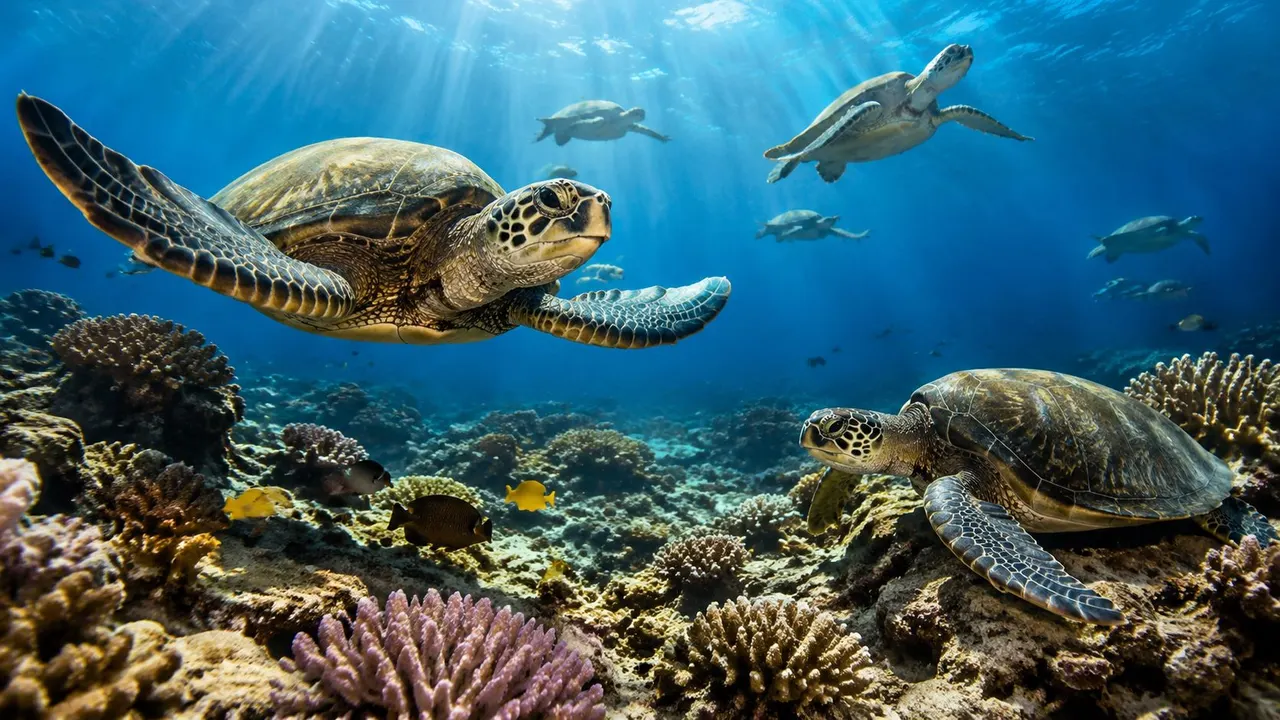
Turtle Canyon sits offshore from Waikiki over reef habitat where turtles are seen regularly enough that captains and guides return to it again and again. That does not mean sightings are guaranteed. Ocean conditions change, wildlife moves, and responsible crews do not chase or crowd animals. It does mean you are starting with a site that has a long track record for turtle encounters, which is very different from choosing a random shoreline and hoping the timing works.
The biggest advantage is predictability of access. On a boat trip, the captain can take the group straight to the snorkel area instead of asking newer swimmers to manage parking, surf, entry points, and a long surface swim before they even reach good reef. For families with kids, grandparents, or anyone who gets anxious in open water, that reduced workload often makes the whole experience calmer and safer.
Turtles use this area for a reason. Reef structure and fish activity support natural cleaning behavior, which is one reason turtles are often seen here circling, resting, or cruising through the same general zone. If you want more context on that habitat use, this guide to why turtles gather at Turtle Canyon explains the site in more detail.
What the reef is like once you are in the water
One practical detail many first-timers miss is that Turtle Canyon works well from the surface. The reef is not so deep that everything disappears into blue water, and it is not a shorebreak setting where entry can be the hardest part of the day. According to this Turtle Canyon depth overview, the snorkeling area is generally in a depth range that still gives surface snorkelers clear views of turtles, reef fish, and the bottom contours below.
That matters for a simple reason. Beginners usually have a better trip when they can float, breathe, settle down, and still see plenty without diving.
From a guide's perspective, that is what makes Turtle Canyon such a useful site. It gives crews room to support mixed-ability groups, and it gives guests a real chance to enjoy the wildlife without turning the outing into a demanding swim.
What to Expect on a Living Ocean Tours Snorkel Trip
A family shows up with one excited kid, one parent who has never used a snorkel, and a grandparent who wants the turtle experience without a hard swim. That is where a guided boat trip usually earns its value. The day is more predictable, the crew handles the logistics, and beginners can focus on breathing, floating, and enjoying the reef instead of solving problems on the fly.
From harbor check-in to the reef
Living Ocean Tours departs from Kewalo Basin Boat Harbor, just outside Waikiki. If you want the arrival details before trip day, this snorkeling check-in guide lays out where to go, when to arrive, and what boarding looks like.
Once aboard, the flow is straightforward. The crew checks gear, covers safety, and helps guests get masks and fins sorted before anyone hits the water. That short ride out matters. It gives nervous snorkelers time to settle in, ask questions, and get comfortable with the plan.
For families and first-timers, that support is often the biggest difference between a fun morning and a stressful one. Shore snorkeling can work well for confident swimmers who know local conditions, but a boat trip removes a lot of friction. No surf entry. No guessing whether you picked the right patch of reef. No trying to keep a group together while also watching for turtles.
Who this kind of trip fits best
Guided snorkel trips tend to be a strong fit for a few specific groups:
- First-time snorkelers: Extra help with mask fit, breathing rhythm, and basic water confidence makes the learning curve much easier.
- Families with mixed comfort levels: Strong swimmers still get a good reef experience, while newer swimmers have structure and close support.
- Visitors on a tight schedule: Boat trips cut down the trial-and-error that often comes with driving to a beach, checking conditions, and managing gear on shore.
- Multi-generational groups: Simpler logistics usually mean fewer tired, frustrated people before the snorkeling even starts.
I recommend guided trips most often for beginners because they reduce the small mistakes that can snowball. A foggy mask, a poor fin fit, a swimmer who gets anxious after the first splash. Those are easy fixes when a crew is right there.
That lets the day feel the way it should. Calm, organized, and centered on the turtles rather than the hassle of getting to them.
Snorkel Safely and Respectfully with Hawaiian Honu
Seeing a turtle in the water is a privilege. Keeping that encounter safe is your job. Most problems happen when excitement overrides spacing, or when someone focuses so hard on the animal that they stop paying attention to their fins, flotation, or the reef below them.
The rule that matters most
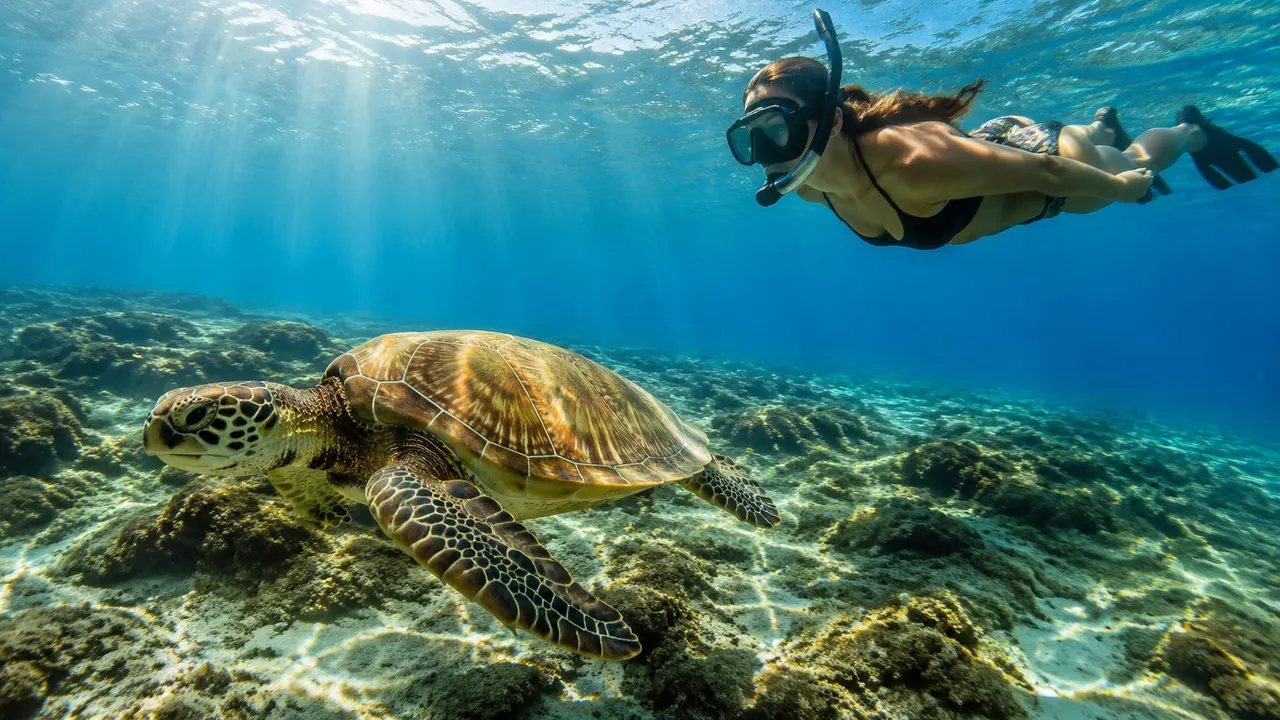
On Oahu, a key rule is maintaining a 10-foot minimum distance from sea turtles and coral. That distance helps reduce animal stress and lowers the risk of accidental contact or damage in busy reef areas, as explained in this Oahu turtle snorkeling etiquette guide.
That rule sounds simple. In the water, it takes discipline.
Turtles can surface suddenly. Currents can carry people closer than they realize. Fins add reach. A swimmer who means well can still crowd an animal if they aren't watching their position.
If you want a practical read on in-water behavior, this Turtle Canyon etiquette guide is a solid companion before your trip.
Smart habits that protect both you and the reef
Keep these habits in mind every time you snorkel:
- Stay at the surface: You'll usually see more by floating calmly than by diving repeatedly toward wildlife.
- Use the buddy system: Don't wander off solo, especially if you're new to open-water snorkeling.
- Wear flotation if offered: It helps with buoyancy, energy conservation, and visibility to the crew.
- Know your limit: If you're tired, cold, or anxious, signal early. Small issues are easy to fix when caught early.
- Watch your fins: Coral damage often comes from careless kicking, not intentional contact.
Respectful turtle snorkeling is mostly quiet decision-making. Slow kicks, wide spacing, calm breathing, and no need to force the encounter.
Sun protection matters too. Cover up when you can, and choose reef-conscious options that don't add unnecessary stress to the environment you came to enjoy.
A good snorkeler isn't the one who gets closest. It's the one who leaves no sign they were there except a few bubbles.
Your Turtle Snorkeling Questions Answered
You finally get the family packed, everyone is excited, and then the critical questions emerge. Is this good year-round? Will the kids handle it? Are we signing up for an easy wildlife experience or a stressful morning managing gear, surf, and nerves?
Those are the right questions to ask before anyone gets in the water.
Is turtle snorkeling on Oahu good year-round
Yes, Oahu offers turtle snorkeling opportunities in every season, and Turtle Canyon is one of the more reliable offshore spots.
Conditions still change day to day. Wind, swell, visibility, and current all affect how the snorkel feels. That matters most for visitors deciding between a shore plan and a boat trip. Shore entries can become difficult fast, especially for beginners, younger kids, or anyone who is uneasy in choppy water. A guided boat snorkel usually gives families a more controlled start and a better shot at calm, enjoyable time in the water.
Can beginners and kids do this
Yes, if the trip matches their comfort level.
I tell first-timers the same thing every week. The hard part usually is not the snorkeling itself. It is everything around it. Beach parking, carrying gear, judging the entry, reading the conditions, and keeping a group together can wear people out before they even see a turtle.
That is why guided trips are often the safer, less stressful choice for families and beginners. A good crew handles setup, gives a clear briefing, fits flotation properly, and helps nervous swimmers settle in before the fun starts. Kids usually do better when the plan is simple and the adults are not busy solving logistics.
What else might you see besides turtles
Plenty.
Expect reef fish, coral structure, and the constant movement that makes Hawaiian reefs feel alive. Butterflyfish, tangs, wrasses, and the occasional larger pelagic visitor can all add to the experience, depending on conditions. Even on a day when turtle sightings take a little patience, the reef usually gives you plenty to watch.
For a lot of guests, that ends up being the surprise. They come for honu and leave talking about the whole ecosystem.
What should you bring
Bring the basics and skip the extras that just clutter the boat.
- Swimwear: Wear it under your clothes if possible.
- Towel: You will want it after the snorkel.
- Water: Sun and saltwater take more out of you than people expect.
- Sun protection: Rash guards, hats for before and after, and reef-conscious choices are the smart play.
- Motion sickness prevention: If you are prone to seasickness, plan ahead before boarding.
- Any personal medication or kid essentials: Keep them easy to access.
A brief factual note for planners. Living Ocean Tours runs guided snorkeling trips from the Waikiki area, which is one reason many visitors choose a boat-based option over trying to sort out shore access on their own. That matters most for families, weak swimmers, and anyone who wants support close at hand instead of figuring things out in the parking lot or surf zone.


