
Turtle Snorkeling Oahu: Top Spots & Tips for 2026
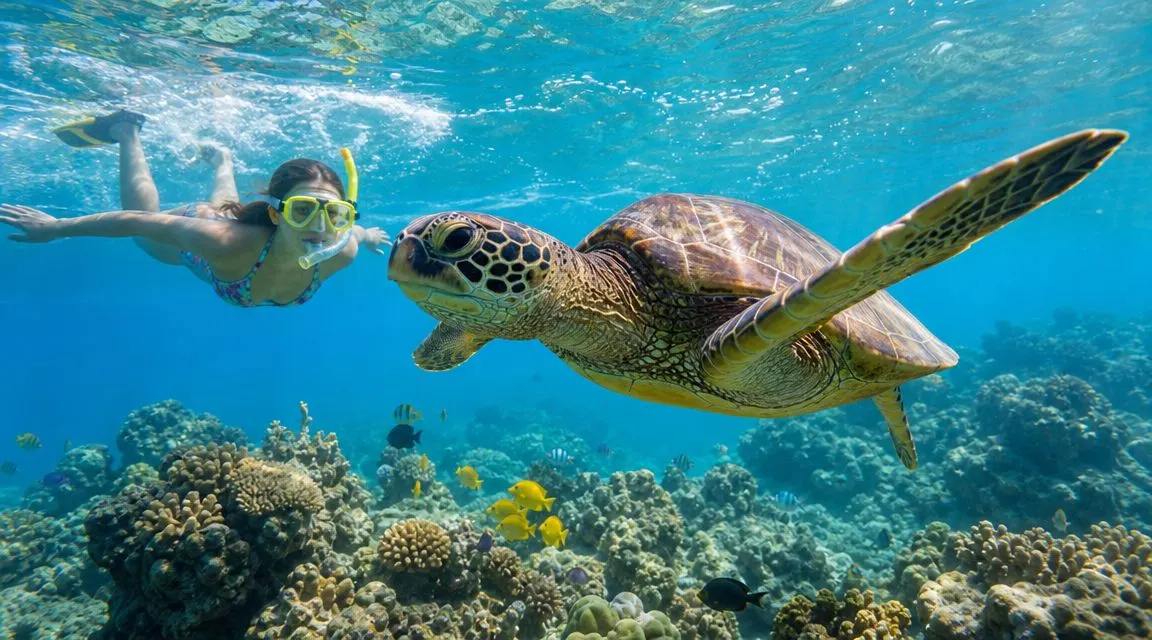
You're probably in the same spot most Waikiki visitors hit a few days before their ocean day. You want to snorkel with turtles. You've seen the photos. Maybe your kids are excited, maybe one person in your group is a strong swimmer and another is nervous in open water, and now the main question is simple. What's the smartest way to do turtle snorkeling on Oahu without turning a dream outing into a stressful one?
That's the part most quick guides skip. They give you beach names, a few pretty pictures, and not much help deciding between renting gear and trying from shore or taking a boat to the reef where turtles reliably gather. For families, beginners, and mixed-skill groups, that choice matters more than the island-wide list of spots.
I've spent enough time around Waikiki waters to know this much. The best turtle day usually comes from matching the method to the group. If you've got confident snorkelers who enjoy reading conditions and managing their own entry and exit, shore snorkeling can work. If you want a more controlled setup, easier logistics, and a cleaner shot at seeing honu in the water, boat access to Turtle Canyon is usually the better call.
Your Dream of Swimming with Turtles in Oahu
A lot of guests come aboard with the same mental image. Warm blue water. Sun on their shoulders. A sea turtle rising calmly below them, then gliding off across the reef like it owns the whole Pacific. That moment is why turtle snorkeling on Oahu sits so high on so many vacation lists.
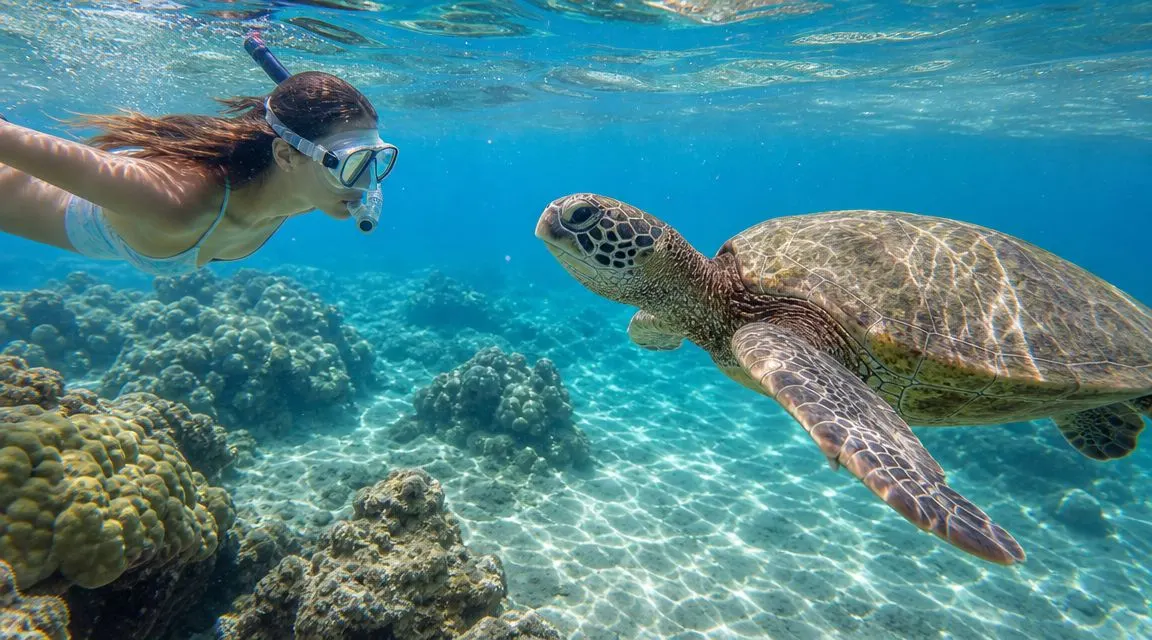
The turtle you're hoping to see is the Hawaiian green sea turtle, known locally as honu. Seeing one in the wild feels special because it is. They move with zero hurry, and that calm energy changes the whole mood in the water. Even first-time snorkelers usually settle down fast once they stop kicking hard and start floating.
The real choice visitors need to make
The part that catches people off guard isn't whether Oahu has turtles. It does. The practical question is how you want to try to see them.
You can go the shore route and handle everything yourself. Or you can choose a boat-based snorkel that takes you directly to the offshore reef where turtles are commonly seen. If you want a useful overview before picking your day, this guide on where to see sea turtles in Oahu is a solid starting point.
What works for most families
For families, beginners, and anyone staying in Waikiki without a rental car full of gear, the biggest advantage usually comes from removing friction. No guessing about entry points. No standing on the beach wondering if the water looks rougher than it did online. No burning half the day trying one spot, then another.
Practical rule: The less ocean decision-making your group wants to do on vacation, the more a guided turtle snorkel makes sense.
That doesn't mean shore snorkeling is wrong. It just means a lot of visitors are better served by a setup that starts with support, clear instruction, and a destination chosen for turtle activity rather than convenience from the sand.
The Golden Rules of Turtle Encounters
Before anyone talks about spots, boats, or gear, there's one thing to get straight. Honu are protected. That's not just local etiquette. It's a legal and conservation issue.
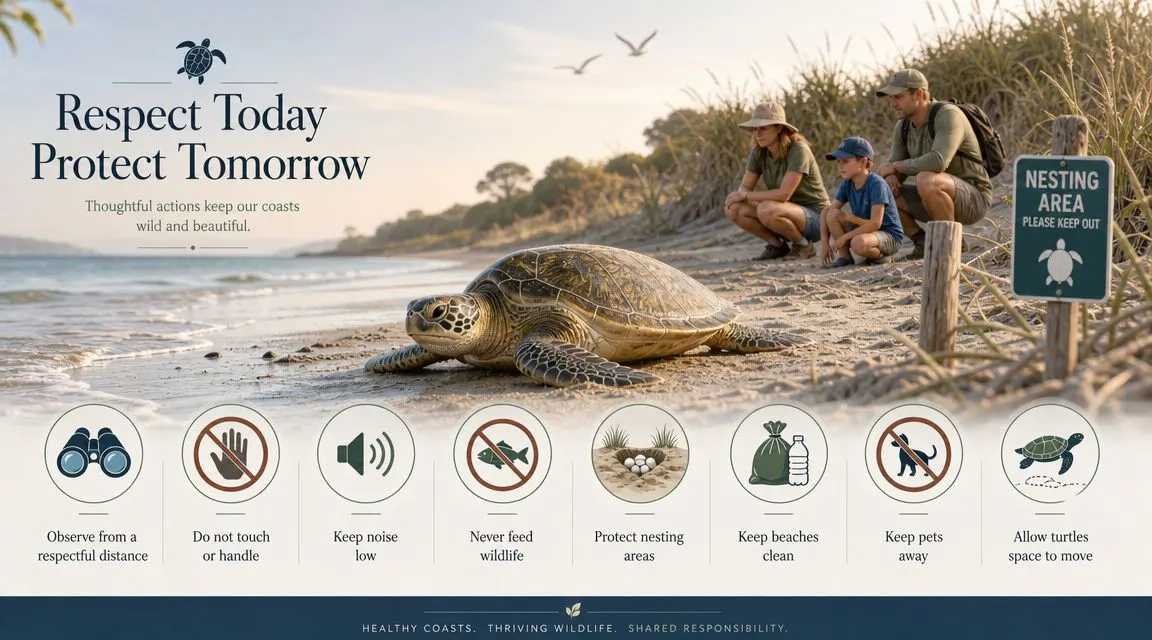
Federal rules require swimmers to stay at least 10 feet away from wild sea turtles and prohibit touching or chasing them, as noted by Ocean Joy Cruises' guide to snorkeling with turtles on Oahu. That one rule shapes the whole experience. Turtle snorkeling on Oahu is observation, not interaction.
The non-negotiables in the water
If you remember only a few things, remember these:
- Keep your distance: Stay at least 10 feet away from any turtle.
- Hands off: Never touch a turtle, even if it swims near you.
- Don't pursue: No chasing, cornering, or swimming across its path.
- Let it breathe: Turtles surface on their own schedule. Give them room.
- Protect the habitat: Use reef-safe sunscreen and avoid careless fin kicks over reef.
A lot of bad encounters start with good intentions. Someone gets excited. They want a closer photo. They drift too far in front of the animal. That's exactly what you want to avoid.
Why guides stress etiquette so hard
Good guides don't repeat rules because they're trying to be strict. They repeat them because wildlife gets stressed by crowding, and one careless snorkeler can ruin the encounter for everyone else in the water.
If you want a clearer sense of how respectful in-water behavior should look, this page on Turtle Canyon etiquette lays out the basics well.
Respectful snorkeling is quieter than most beginners expect. Float. Watch. Let the turtle decide where it wants to go.
What not to do on a turtle day
Some mistakes show up over and over:
- Overkicking: New snorkelers often bicycle-kick hard when they're nervous. That burns energy fast and makes the water around you chaotic.
- Crowding for photos: If you have to rush toward a turtle to get the shot, you're doing it wrong.
- Ignoring the briefing: The people who struggle most in the water are often the ones who treat the safety talk like background noise.
The best turtle encounters usually happen when snorkelers slow down. The honu keeps doing what it was already doing, and you get to watch without changing the scene.
Oahu's Top Turtle Snorkeling Spots
A family with two young kids usually asks me the same question at the dock. Should we drive to a beach and try to find turtles on our own, or book a boat and go straight to a known reef? The right answer depends less on which spot is most famous and more on how comfortable your group is in the water.
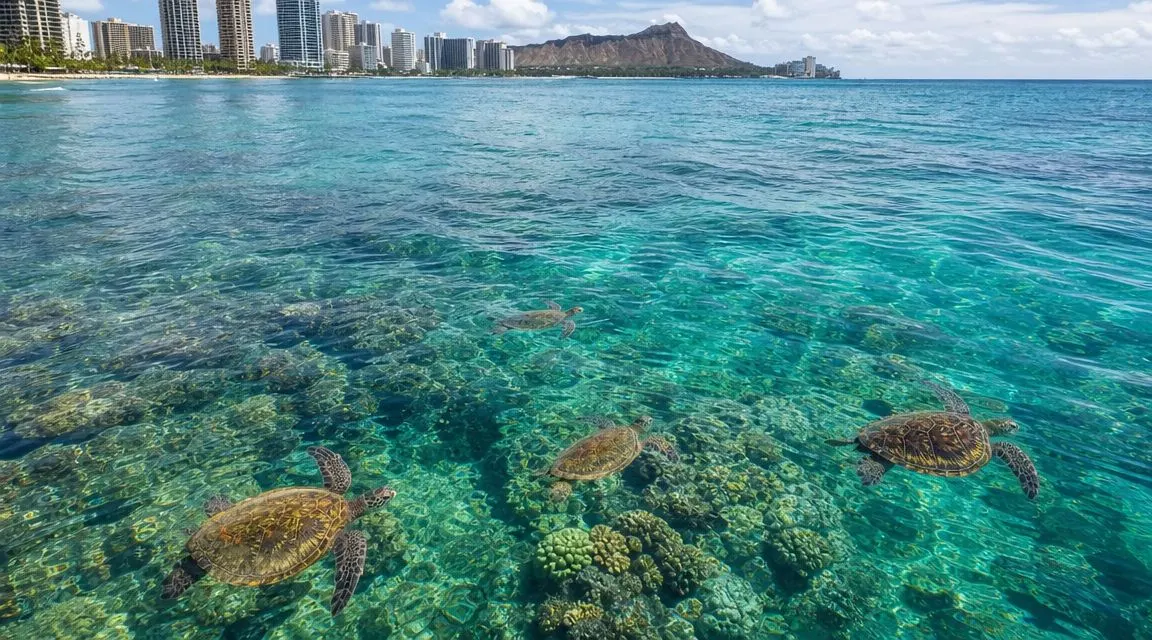
Turtle Canyon near Waikiki
Turtle Canyon gets so much attention because it solves a lot of beginner problems at once. The reef sits offshore near Waikiki, so you skip the surfy beach entry and head straight to a site known for turtle activity. Hawaii Dolphin describes the area as a cleaning station, where reef fish pick algae and debris from turtles' shells, which helps explain why honu are often seen there on snorkel trips to the reef in their overview of Turtle Canyon.
For families and first-timers, that matters. A good turtle day is not just about seeing a turtle. It is about getting everybody in the water calmly, with a clear entry point, flotation available, and a crew watching the group instead of parents trying to manage everything themselves.
Turtle Canyon also fits mixed-skill groups well. Grandparents can stay on the boat if they want. Confident swimmers can range a bit farther within the guide's boundaries. Nervous beginners usually do better because they are starting over reef with support nearby, not fighting their way out through shore break.
If you want a practical look at how offshore Turtle Canyon compares with closer-to-shore Waikiki snorkeling, our guide to Turtle Canyon vs Waikiki snorkeling breaks down the differences clearly.
Laniakea Beach
Laniakea is one of the island's best-known turtle stops, especially for watching turtles rest near shore. It is a great place to observe from the sand and a worthwhile stop on a North Shore day.
As a snorkel plan for beginners, it has real trade-offs. Parking can be tight. Crowds build fast. Ocean conditions change with season and swell. A beach can have turtles present and still be a poor fit for a nervous swimmer or a child who has never dealt with surge and uneven footing.
I tell guests to treat Laniakea as a viewing beach first, snorkel beach second.
Electric Beach
Electric Beach often has strong visibility and plenty of fish life, and turtles do show up there. It also asks more of you than the average visitor expects.
The entry is from shore in open-ocean conditions. Current can move. Surge can push people around near the rocks. Strong swimmers who know how to time an entry and stay relaxed in deeper water may enjoy it. Families with beginners often find it more work than fun.
That is the big distinction.
A spot can be excellent marine habitat and still be the wrong call for your group.
A practical comparison of the main options
| Spot | Best fit | Main strength | Main trade-off |
|---|---|---|---|
| Turtle Canyon | Families, beginners, mixed-skill groups | Offshore reef with consistent turtle activity and guided support | Requires a boat tour |
| Laniakea Beach | Visitors who want to see turtles from land | Easy turtle viewing during a beach stop | Snorkeling comfort depends heavily on crowding and conditions |
| Electric Beach | Experienced shore snorkelers | Strong marine life and clear-water potential | Entry and open-water conditions require confidence |
For visitors searching for turtle snorkeling on Oahu, the best spot is usually the one that matches your group's comfort level, not the one with the biggest name.
DIY Shore Snorkel vs Guided Boat Tour
This is the decision that matters most. Not beach versus reef. Not north shore versus south shore. Do you want to manage the day yourself, or do you want a crew to handle the hard parts?
The core trade-off is control versus convenience. A shore spot like Laniakea is free, while a guided boat trip to offshore Turtle Canyon, about 1.5 miles from Waikiki, offers a more controlled, comfortable, and often more reliable turtle-sighting experience for families and first-time snorkelers, as explained in Sail Holokai's comparison of Turtle Canyon access.
Comparison of DIY Shore Snorkel vs Guided Boat Tour
| Feature | DIY Shore Snorkel | Guided Boat Tour |
|---|---|---|
| Access | Walk-in or swim-out from shore | Direct ride to offshore reef |
| Planning | You handle gear, timing, conditions, and entry point | Crew handles site selection and setup |
| Comfort for beginners | Can be hit or miss depending on surf and entry | Usually more structured and supportive |
| Chance of seeing turtles | Variable | More reliable at targeted offshore sites |
| Best for | Confident snorkelers who like independence | Families, first-timers, mixed-skill groups |
When DIY makes sense
A shore snorkel can be a good call if your group already knows how to read conditions, fit gear properly, and stay calm if entry or visibility isn't ideal. You've got freedom. You can go at your own pace. You won't be on a schedule.
But DIY fails fast when one person in the group is hesitant. The strong swimmer wants to push farther out. The kids get cold or tired. Someone's mask leaks. The beach that looked manageable online turns out to have awkward entry or more motion than expected.
When the boat option wins
A guided boat day tends to work better for visitors who want less uncertainty. You board, get briefed, put on flotation, and enter with support around you. Instead of spending energy finding the right place, you spend that energy snorkeling.
If you're trying to decide between reef access and a more general near-Waikiki snorkel experience, this breakdown of Turtle Canyon vs Waikiki snorkeling helps clarify the difference.
My practical advice for mixed groups
Families and multigenerational groups usually do best when the least confident person is comfortable. That's the standard I'd use. Not the strongest swimmer in the party.
Choose DIY if all of this is true:
- Everyone is comfortable in ocean water
- Someone in your group can judge conditions well
- You're okay with a lower-control day
Choose a guided boat trip if any of this is true:
- You've got first-time snorkelers
- Your group includes kids or older adults
- You want a cleaner, simpler plan from Waikiki
That's usually the dividing line.
The Ultimate Guided Experience with Living Ocean Tours
A lot of families make the right call on method here. They skip the stress of judging beach entry, parking, and changing conditions, and they choose a boat trip built for beginners. At Turtle Canyon, the payoff is simple. You arrive at an offshore reef where turtles are commonly seen, with crew support that helps the whole group settle in faster.
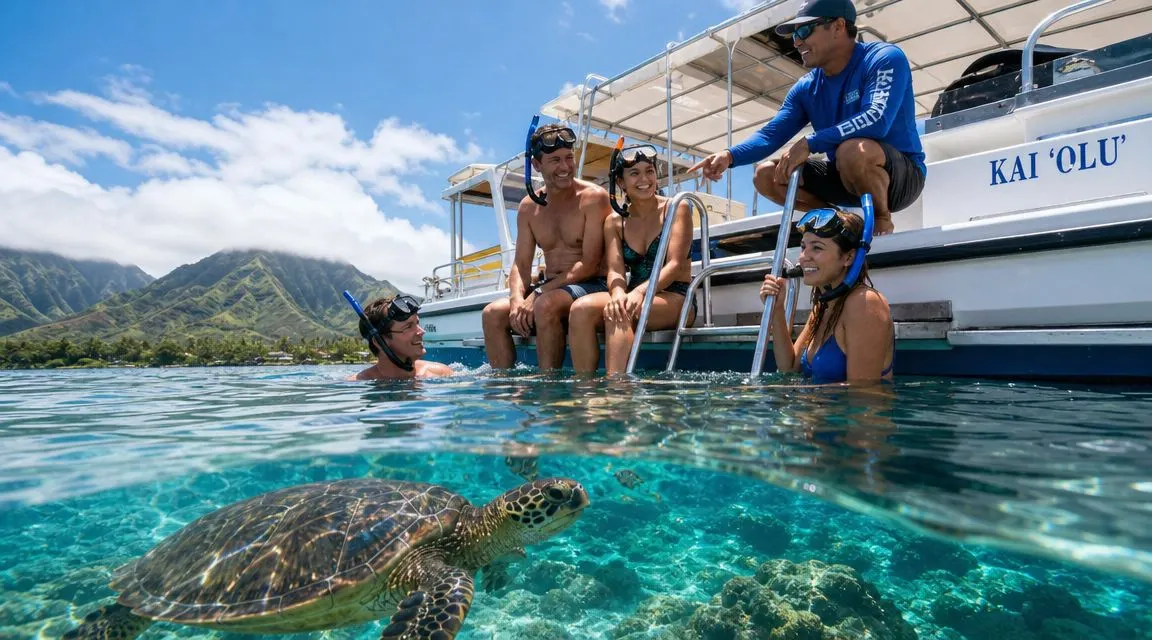
The big advantage is not just the boat ride. It is having a crew handle the details that usually decide whether a first snorkel feels fun or frustrating. Water confidence, mask fit, flotation setup, entry timing, and keeping the group together all matter more than raw swim ability, especially with kids, grandparents, or anyone who is unsure in open water.
What a guided Turtle Canyon trip solves
On a well-run trip, the crew is solving practical problems before they turn into bad memories:
- Mask issues: A small leak feels minor on land and miserable in the water.
- Nerves at entry: A clear briefing and a controlled start calm people down fast.
- Different comfort levels: Mixed groups need support paced to the least confident snorkeler.
- Turtle spacing: Good guides help guests enjoy the encounter without crowding wildlife.
For travelers comparing options, Living Ocean Tours' Turtle Canyon snorkel tour gives you the guided offshore format many first-time visitors are looking for. The company also offers a dedicated Turtle Canyons Snorkel Excursion for guests who want a trip centered on Turtle Canyon, plus a Deluxe Waikiki Snorkel and Wildlife Cruise for families who want snorkeling with more onboard and in-water variety.
Which trip fits your group
Choose the dedicated Turtle Canyon excursion if the main goal is straightforward turtle snorkeling. It is the better fit for visitors who want a focused plan, a simpler decision, and the highest chance that everyone in the group stays on the same page about why they are there.
Choose the Deluxe Waikiki snorkel option if your group wants a broader family outing. That usually works better when some people are excited about snorkeling and others want extra fun built into the day.
I give families the same advice I give on the dock. Pick the trip your least confident person can enjoy, not the one your strongest swimmer thinks sounds exciting. That choice usually leads to the better day.
Essential Safety and Gear Tips for Your Adventure
The best turtle snorkeling Oahu days usually look relaxed from the outside. That's because the little details were handled before anyone hit the water.
The gear habits that help most
A few basics go a long way:
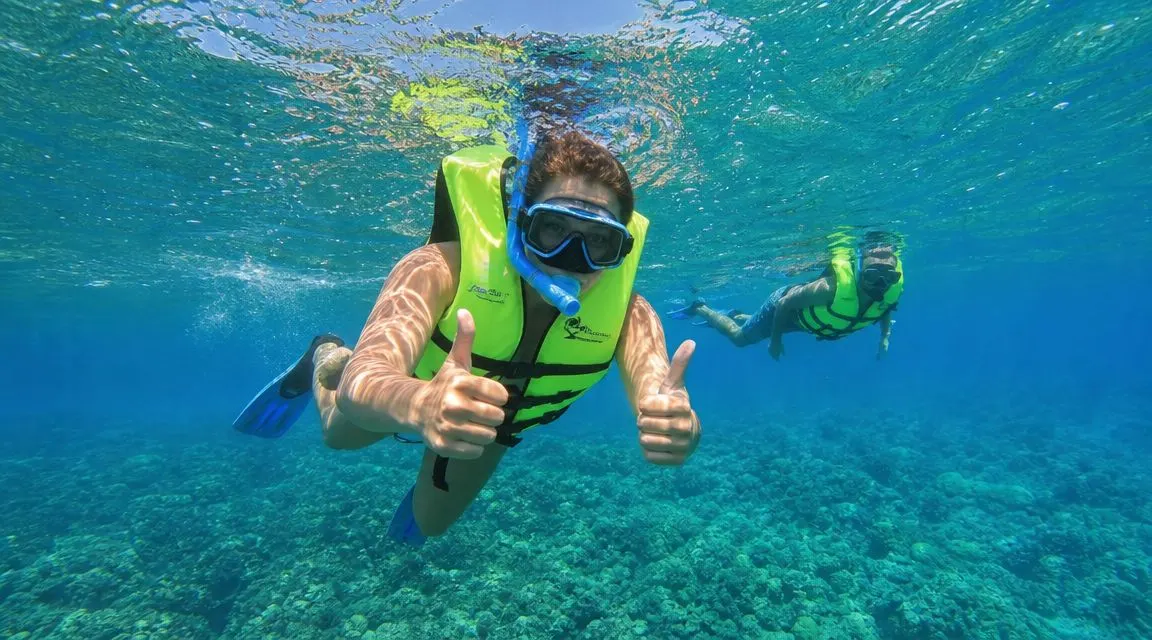
- Use flotation: Even strong swimmers get more comfortable when they can float without effort.
- Check your mask seal: If it leaks on the boat, fix it before the swim starts.
- Practice snorkel breathing first: A minute of calm breathing at the surface settles nerves fast.
- Choose reef-safe sunscreen: Mineral-based sunscreen helps reduce unnecessary stress on reef systems.
If you want a helpful overview of what to wear and bring, this guide to Turtle Canyon snorkel gear covers the essentials.
The in-water habits beginners miss
Most new snorkelers use too much energy. They kick too hard, lift their head too often, and try to “swim” instead of float. Slow that down.
Try this instead:
- Breathe first: Get steady through the snorkel before moving.
- Keep your face down: Looking up every few seconds makes everything feel harder.
- Take short kicks: Let buoyancy do most of the work.
- Stay with the group: Separation creates stress fast.
Calm breathing fixes more snorkel problems than stronger swimming ever does.
Bring a towel, water, and a dry change of clothes for after. Once people warm up and settle in, the day gets better for everyone.
Frequently Asked Questions About Turtle Snorkeling
What is the best time of year for turtle snorkeling on Oahu
Visitors ask this all the time, usually because they are trying to pick the “perfect” month. Green sea turtles are seen off Oahu throughout the year, so the better call is to focus on ocean conditions, your group's comfort, and how you plan to snorkel.
For families and beginners, a calm boat day to an offshore site often matters more than the month on the calendar. Winter can bring bigger surf to some shore spots. Summer often gives easier entry at others. Boat operators also adjust for conditions, which helps if your group wants a more predictable outing.
Can young children join
Yes, on many tours, but age minimums depend on the operator. The key question is whether the trip fits your child.
A good family-friendly turtle snorkel has patient crew, flotation available right away, and a simple plan for getting kids in and out of the water without stress. Boat tours usually work better for families who want guided support. A shore snorkel can be fine for confident water kids, but beach entry, waves, and long surface swims can wear them out fast.
What if I'm not a strong swimmer
Plenty of first-time snorkelers still have a good day. What matters is staying calm, using flotation, and choosing the setting that gives you the most support.
The practicalities of the shore-versus-boat decision become apparent. A DIY beach snorkel can sound easier because it starts from land, but beginners often struggle with entry and exit through surf. On a guided boat trip, the crew can brief you first, fit your gear, watch your pace, and keep the group close together in the water. For many adults who are nervous swimmers, that structure feels much better.
Is Turtle Canyon a beach snorkel
Turtle Canyon is an offshore snorkel site reached by boat from the Honolulu side. It is not a walk-in beach spot.
That changes the whole experience. You skip the guesswork of picking a shoreline, checking entry conditions, and swimming out a long distance hoping turtles are in the area that day. For mixed-skill groups, that usually makes planning simpler.
Are sharks a common issue on turtle snorkels
Sharks live in Hawaiian waters, as they should in a healthy ocean. On standard guided turtle snorkels, the focus stays on normal reef wildlife, clear safety briefings, and calm group management.
If you want current guidance on marine life safety and protected species in Hawaii, NOAA Fisheries provides reliable information about Hawaiian green sea turtles and local ocean stewardship: https://www.fisheries.noaa.gov/species/green-turtle
A professional crew does not treat the ocean like a theme park, and they do not create drama either. They watch conditions, set expectations clearly, and keep the trip centered on respectful wildlife viewing.
If you want a turtle snorkel day that is easier to plan and more comfortable for beginners, families, or mixed-skill groups, take a look at Living Ocean Tours. Their Oahu trips depart from Kewalo Basin near Waikiki and focus on guided, safety-conscious wildlife experiences that keep the outing simple and respectful.


