
How Water Temperature Shapes Turtle Canyon Oahu
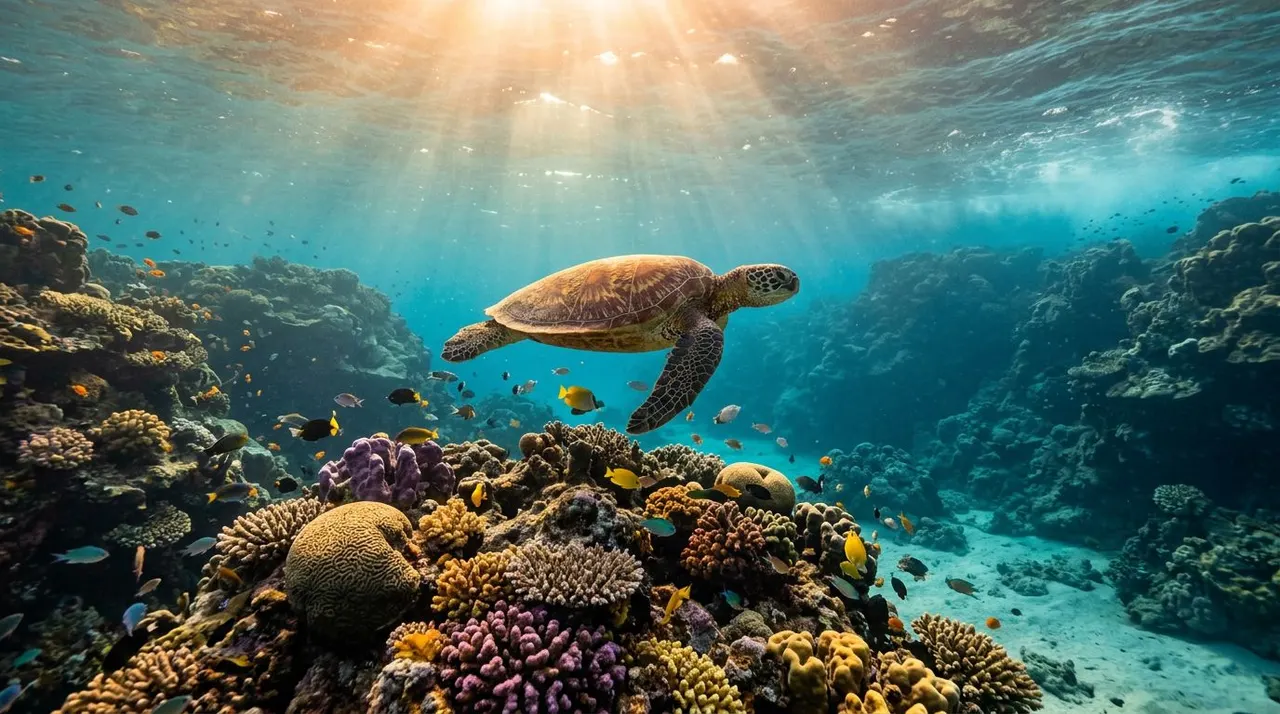
Water temperature influences nearly every part of your Turtle Canyon experience, including turtle activity, visibility, comfort, and snorkeling conditions. At this Oahu reef, the ocean stays warm enough for Hawaiian green sea turtles to remain active throughout the year.
That steady warmth helps explain why you can encounter honu in every season. However, winter swells, wind, and changing surface conditions can still affect where turtles swim and how easily you spot them. Here is what water temperature means for your time at Turtle Canyon.
Key Takeaways
- Turtle Canyon water typically stays between 75 and 80 degrees Fahrenheit year-round.
- Warm water supports active turtles, frequent dives, and regular visits to the reef’s cleaning station.
- Winter changes visibility and ocean movement more than turtle presence.
- Water temperature affects adult behavior, while beach sand temperature affects hatchling sex ratios.
- A professional guide can help you stay comfortable, observe turtles responsibly, and understand changing conditions.
Turtle Canyon’s Water Stays Warm All Year
Turtle Canyon sits along the Waikiki coast, where tropical ocean temperatures remain relatively stable. Local conditions generally range from about 75 degrees Fahrenheit in winter to 80 degrees in late summer and fall. That small seasonal shift is enough to change how the water feels to you, but it usually doesn’t force resident Hawaiian green sea turtles to leave.
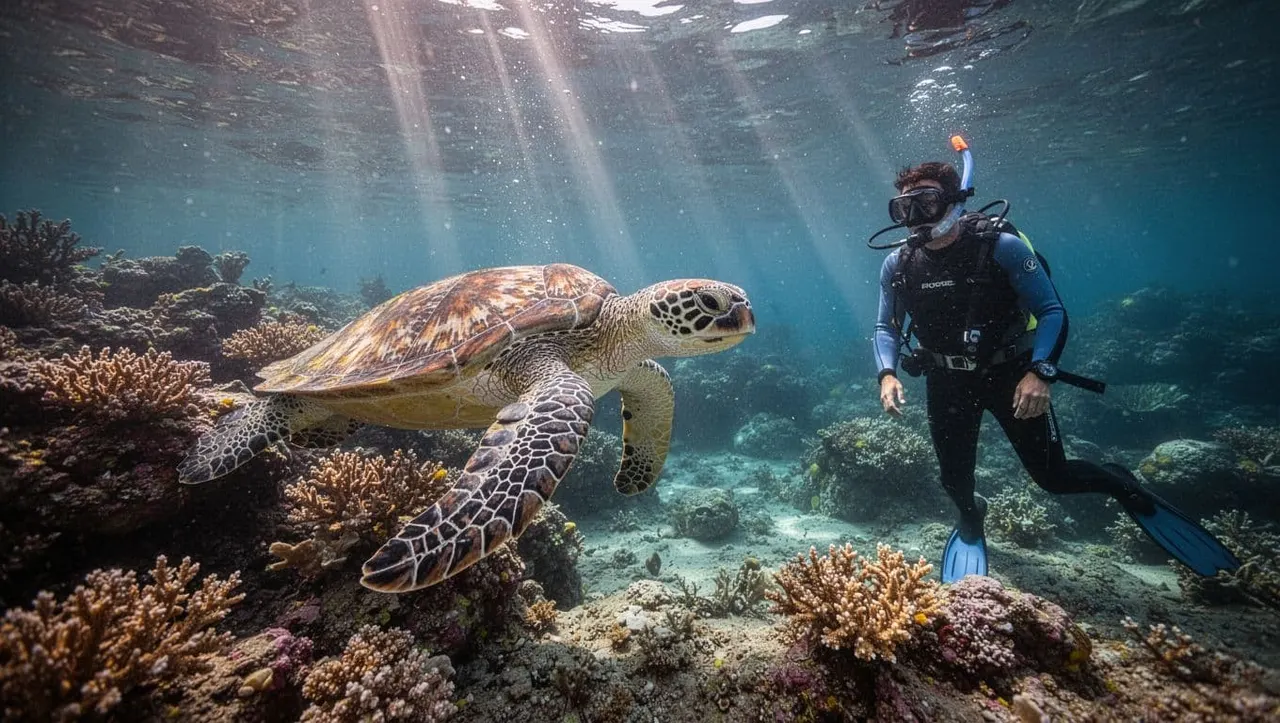
The reef’s warm water gives turtles the energy they need to swim, feed, rest, and visit the natural cleaning station. At this site, cleaner fish remove algae and small organisms from the turtles’ shells and skin. You may see a turtle hovering above the reef while fish gather around it.
For you, the temperature affects comfort in practical ways. At 75 degrees, you may appreciate a rash guard or light wetsuit, especially during a longer snorkel. At 80 degrees, the water feels easier for children and first-time swimmers, although wind can still make you feel cool after climbing back aboard.
The warm range also supports shorter, more frequent dives. Turtles can surface often to breathe before returning to the reef. That pattern gives you more opportunities to watch them without chasing or crowding them.
Research on sea turtle activity also shows that temperature can affect the timing and length of dives. Studies on sea turtle temperature response provide useful context for understanding why warmer and colder habitats produce different behavior.
How Temperature Changes Turtle Behavior
Water temperature affects a turtle’s metabolism, muscle activity, digestion, and energy use. Hawaiian green sea turtles are ectothermic, which means their body temperature depends largely on the surrounding environment. Warm tropical water allows them to remain active without leaving Oahu for a seasonal migration.
At Turtle Canyon, you may see turtles moving between resting areas, feeding spots, and the cleaning station. Some may circle the reef before settling over a sandy patch. Others may rise toward the surface, take a breath, and descend again within a few minutes.
Warm water also helps maintain regular daily activity. The turtles aren’t waiting for a short summer window to appear. They can use the reef throughout the year, so your chance of seeing them remains fairly consistent across the calendar.
Living Ocean Tours reports a 95% success rate for Hawaiian green sea turtle sightings on its Turtle Canyons Snorkel Excursion. That figure reflects the site’s resident turtle population and the crew’s knowledge of local conditions. It doesn’t mean every turtle will swim directly toward you, but it does show why this reef is a popular place to observe honu.
You should still keep your distance. A turtle may look calm, yet it needs room to surface and move freely. Your guide can show you where to position yourself without blocking its path.
Why Winter Can Feel Different Without Removing the Turtles
Winter water at Turtle Canyon is usually around 75 degrees, so the turtles can remain active. The larger change often comes from ocean conditions above and around the reef.
Seasonal north swells can create more wave movement along the Waikiki coastline. Stronger swell may reduce visibility, stir sand, or push turtles into deeper and more sheltered parts of the reef. You could still see honu, but the encounter may require more patience.
Summer often brings calmer conditions and bright sunlight, which can make the reef look clearer from the surface. Calm water also helps you maintain a relaxed body position while snorkeling. That matters because slow, controlled movement reduces splashing and makes it easier for turtles to accept your presence.
Morning trips often offer favorable light and less wind, although no departure time guarantees perfect visibility. Weather, swell, current, and recent ocean movement all matter. A warm forecast doesn’t automatically mean a glassy ocean.
Cold stunning is a serious problem for sea turtles in regions with much colder water. According to NOAA’s sea turtle cold-stunning guidance, dangerous effects can occur near 50 degrees Fahrenheit. Turtle Canyon’s normal temperatures are far above that threshold, so this type of cold stress isn’t a typical concern for Oahu’s resident honu.
You may feel the seasonal difference more than the turtles do. A 75-degree swim can feel refreshing in the water and cool in the wind afterward. Bring a towel, use the boat’s shaded seating when needed, and listen to your guide’s advice.
What Temperature Means for Your Snorkeling Experience
The water temperature influences your comfort, but your preparation determines how much you enjoy the swim. You don’t need advanced snorkeling experience to explore Turtle Canyon. Professional guides can help you adjust your mask, use your fins, and practice breathing before you move away from the boat.
Living Ocean Tours operates from Kewalo Basin Boat Harbor, a short distance from Waikiki. Its Coast Guard-inspected vessels include shaded seating, restrooms, dry storage, and sturdy ladders for returning from the water. Those details matter when you are snorkeling with children or taking your first guided ocean tour.
The company is also the only tour company with professional snorkel guides. You receive more than transportation to the reef. Your guide can explain turtle behavior, identify reef life, monitor the group, and help you choose a comfortable pace.
Before you enter the water, consider your own temperature needs:
- Wear a rash guard if you burn easily or feel cold during longer swims.
- Use a light wetsuit if you tend to get chilly in mid-70s water.
- Choose secure fins and a properly fitted mask to avoid unnecessary effort.
- Drink water before and after snorkeling, especially on sunny days.
- Tell the crew if you feel tired, cold, or uncomfortable.
You can explore Living Ocean Tours’ Honolulu ocean tours to compare available snorkeling experiences. The crew can also help you select an option that matches your swimming ability and preferred pace.
Turtle Canyon Snorkeling With Living Ocean Tours
Living Ocean Tours combines local knowledge with equipment and boat features that make warm-water snorkeling easier. The Turtle Canyons Snorkel Excursion focuses on the reef’s natural cleaning station, where you may observe green sea turtles and tropical fish in their regular habitat.
The crew doesn’t need to lure, feed, or touch wildlife. Instead, guides help you watch from a respectful distance. That approach protects the turtles and gives you a better chance to see natural behavior, such as resting, surfacing, or interacting with cleaner fish.
You should never touch a sea turtle, hold onto its shell, block its route, or dive after it. Hawaiian green sea turtles are protected animals, and responsible observation is part of every good snorkeling experience. Keep your hands to yourself, avoid standing on coral, and follow the guide’s instructions about distance.
The boat’s heavy-duty ladders make water entry and exit easier. You can also return to shaded seating when you need a break. For families, that flexibility helps everyone enjoy the trip without forcing one person to stay in the water longer than they want.
If the warm water and resident honu make Turtle Canyon sound right for your Oahu plans, you can CHECK AVAILABILITY for the Turtle Canyons Snorkel Excursion.
Warm Water, Healthy Habits, and Conservation
Temperature is only one part of the Turtle Canyon environment. Water quality, reef health, boat traffic, weather, and human behavior also affect the turtles’ daily lives.
Warmer coastal water can create added pressure when combined with pollution, disease, habitat loss, and changing nesting conditions. The water at the reef may remain suitable for adult turtles while rising beach temperatures affect eggs developing on shore.
Sea turtle hatchlings don’t get their sex from chromosomes in the same way humans do. Incubation temperature influences whether eggs develop as males or females. Research and conservation reports have raised concerns that hotter nesting sand can produce more females, which may affect future population balance. The Sea Turtle Center’s discussion of warming impacts shows why temperature matters beyond the snorkeling site.
You can support healthier conditions by making careful choices in the water. Keep coral and rocks undisturbed, avoid sunscreen ingredients that can harm marine environments, and carry all personal items back to the boat. If you see an injured turtle, don’t approach it. Tell your crew or contact the appropriate wildlife authorities.
A calm snorkeler is easier for turtles to tolerate. Move slowly, leave space, and let the honu decide where to swim. You will often see more when you stop trying to get closer.
Conclusion
The warm, stable water at Turtle Canyon helps Hawaiian green sea turtles stay active around Oahu throughout the year. Temperatures near 75 to 80 degrees support regular visits to the reef’s cleaning station, frequent dives, and reliable habitat for resident honu.
Seasonal swell may change visibility and turtle location, but winter doesn’t usually remove the turtles from the area. With professional guidance, suitable swimwear, and respectful habits, you can enjoy a comfortable encounter while protecting the animals that make Turtle Canyon special. The best temperature for your snorkeling day is the one that keeps you relaxed, alert, and willing to give every turtle plenty of room.


