
Turtle Canyon Oahu: Read Hawaiian Green Turtle Body Language
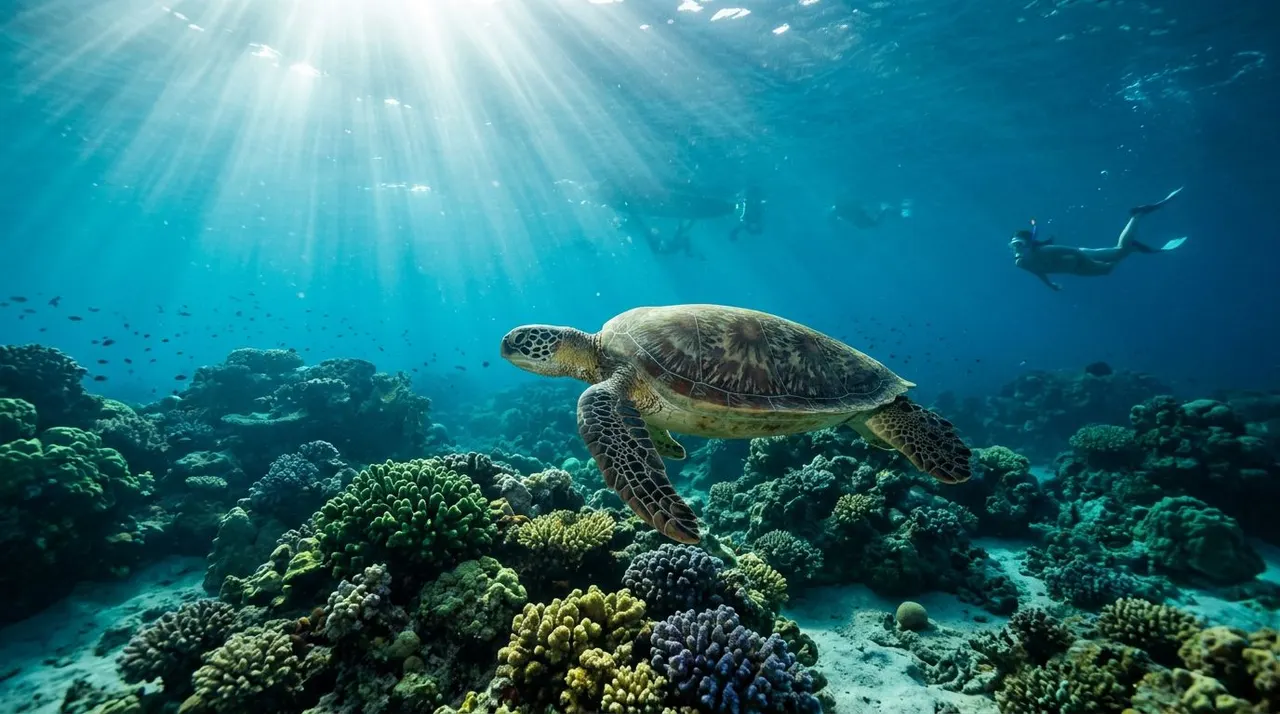
A Hawaiian green sea turtle can glide past you at Turtle Canyon Oahu without making a sound, yet its movements still communicate a lot. If you know what to watch, you can tell when a honu is relaxed, feeding, surfacing, or asking for more space.
You don’t need marine biology training to read these signs. You need patience, calm movements, and a guide who understands turtle behavior. Before you enter the water, learn how to observe the turtle’s whole body instead of focusing on one flipper or head movement.
Key Takeaways
- Slow gliding, steady breathing, and relaxed turns usually show normal behavior.
- Fast strokes, sharp direction changes, and repeated dives mean you should back away.
- Always leave a turtle a clear path to the surface and never touch, feed, or chase it.
- A professional snorkel guide helps you recognize behavior while protecting the reef.
- Living Ocean Tours offers guided Turtle Canyon snorkeling near Waikiki for beginners, families, and experienced swimmers.
What Turtle Body Language Tells You at Turtle Canyon
Hawaiian green sea turtles communicate through posture, speed, direction, and breathing patterns. Their behavior can change when they feed, rest, avoid an obstacle, or prepare to surface. Since conditions vary, you should read several signals together instead of treating one movement as a fixed message.
A relaxed turtle often moves with slow, even strokes. Its body stays level, and it may glide over the reef with little effort. You might see the turtle pause above a rocky area or hover near a natural cleaning station. Small reef fish can remove algae and other material from its shell and skin while the turtle remains still.
When a turtle feeds, its head may angle toward the reef. You could see it make slow bites along algae-covered rock. Give it room to continue. Swimming directly toward its head can interrupt feeding and cause it to change direction.
A turtle that approaches you hasn’t invited contact. It may be following its normal route or investigating movement in the water. Stay still, keep your hands to yourself, and let the honu decide how close it wants to come. If it turns away, allow it to leave without following.
The safest way to read a turtle is to watch its entire movement pattern, not one isolated gesture.
Body language also depends on your position. A turtle may look calm because you haven’t blocked its path, then become unsettled when another swimmer moves between it and open water. Keep your group spread out, especially near the reef and the surface route.
Watch the Turtle’s Movement and Breathing
Breathing is one of the clearest behaviors you’ll notice at Turtle Canyon. Sea turtles breathe air, so every turtle must return to the surface. A calm turtle usually rises in a controlled glide, places its nostrils above the water, takes a breath, and descends again.
You should never swim above a turtle or position yourself between it and the surface. Even if the turtle appears relaxed, blocking its route creates pressure. Move to the side and leave an open vertical path.
A turtle may also change its breathing pattern after swimming, feeding, or reacting to nearby people. You don’t need to count breaths or predict the next dive. Instead, notice whether the animal can surface without changing direction or accelerating.
Flipper movement gives you another useful clue. Broad, smooth strokes usually match normal travel. A turtle resting near the reef may barely move its flippers at all. Short adjustments help it hold position in the current.
Rapid, forceful strokes deserve your attention. If the turtle suddenly speeds up, turns sharply, or dives before reaching its usual route, increase your distance. Repeated changes in direction often mean the animal is trying to avoid a swimmer, camera, or boat shadow.
Your own movement affects what you see. Kick slowly, keep your fins below your body, and avoid splashing. If you need to adjust your mask, stop swimming first. Sudden motion can make a nearby turtle change course.
At Turtle Canyon, water clarity, current, and group size can change throughout the day. A professional guide can point out natural behavior without encouraging you to crowd the animal. Living Ocean Tours is the only tour company with professional snorkel guides, so you receive instruction before and during your time in the water.
Signs You Need to Give a Turtle More Space
Responsible snorkeling starts when you notice discomfort before the turtle has to escape. A distressed turtle may respond with quick acceleration, repeated turns, or a sudden dive. You might also see stronger flipper beats or a route that takes the turtle away from the reef and toward deeper water.
These movements don’t mean the turtle is aggressive. They usually mean the animal wants distance or a clear path. Back away slowly, avoid eye-level pursuit, and let the turtle regain its normal direction.
Your group should also watch for crowding. Several swimmers can surround a turtle without meaning to, especially when everyone wants the same photograph. The person closest to the turtle should move first, while the rest of the group gives the animal a wide opening.
Keep your hands away from the shell, flippers, head, and tail. Touching can remove protective material from the turtle’s body and may expose you to a bite or sudden movement. Feeding wildlife changes natural behavior and is not part of responsible snorkeling.
Don’t use your camera to close the gap. A long arm, selfie stick, or underwater camera can still make the turtle feel cornered. Turn your body slightly, maintain distance, and take photographs only when the animal continues moving normally.
You should also avoid resting on coral or standing on the seafloor. Coral grows slowly, and a single fin or knee can break living structures. Use your flotation device as needed, especially if you need to pause while adjusting your gear.
The best encounter may last only a few seconds. A turtle that passes without stopping has still given you a valuable wildlife moment. Letting it continue undisturbed protects future encounters for you and other visitors.
How to Snorkel Responsibly at Turtle Canyon Oahu
Your behavior before entering the water affects the encounter. Listen to the safety briefing, learn how to clear your mask, and check that your fins fit securely. Beginners should practice breathing through the snorkel before swimming toward the reef.
Living Ocean Tours departs from Kewalo Basin Boat Harbor, a short drive from Waikiki Beach. Its Coast Guard-inspected double-decker vessels, Coral Kai and Lokahi, provide shaded seating, restrooms, dry storage, and sturdy ladders for water entry. Lokahi also has a SeaKeeper stabilization system that helps reduce rolling while you’re aboard.
Once you’re in the water, stay near your guide and follow the group’s pace. You don’t need to dive down to see a turtle. Many sightings happen while you float quietly above the reef, where you can observe the animal without chasing it.
Keep your body horizontal and use small fin movements. This position helps you conserve energy and keeps your fins away from coral. If you feel tired, signal your guide and return to the boat or a designated rest point.
At the natural cleaning station, remain outside the turtle’s path. Don’t swim underneath it, reach toward it, or form a circle around it. Your guide can help you choose a viewing position that gives the honu room to move.
Living Ocean Tours reports a 95% success rate for spotting Hawaiian green sea turtles on its Turtle Canyons Snorkel Excursion. Wildlife sightings can never be guaranteed, but professional guidance improves your chance of seeing natural behavior without disturbing the animals.
You can review the Turtle Canyons Snorkel Excursion before choosing a departure time. The experience is designed for first-time snorkelers, families with children ages 3 and older, and confident swimmers who want a closer look at Oahu’s marine life.
Plan Your Turtle Canyon Snorkel Experience
Choose a morning or afternoon departure based on your schedule, then arrive ready to listen and move slowly. Bring reef-safe sunscreen, a swimsuit, a towel, and any prescription medication you may need. The crew provides snorkel equipment and explains how to use it.
If you haven’t snorkeled before, tell your guide before entering the water. You can receive help with your mask, breathing technique, and flotation support. Staying comfortable helps you focus on turtle behavior instead of worrying about your gear.
Couples can enjoy a quieter encounter by keeping a little distance from larger groups. Families should set a simple rule before entering the water: watch the turtle, never touch it, and follow the guide. Children often notice details adults miss, especially slow head movements and the way a turtle uses its flippers to hold position.
The boat ride also gives you time to enjoy the Waikiki coastline before and after snorkeling. When you return to the vessel, climb the heavy-duty ladder carefully and keep wet gear in the assigned area. Shaded seating and onboard restrooms make the transition easier for families and first-time visitors.
A good wildlife tour doesn’t promise that an animal will perform for you. Instead, it gives you the skills and space to observe what the turtle chooses to do. If the honu rests, you watch. If it feeds, you wait. If it swims away, you let it go.
Reserve a spot when your schedule is set through CHECK AVAILABILITY.
Conclusion
When you understand turtle body language, you can enjoy Turtle Canyon with more confidence and less guesswork. Smooth gliding, calm breathing, and natural feeding behavior deserve quiet observation. Sudden turns, fast strokes, and blocked surface routes mean you need to create more space.
Your best encounter may happen when you stop trying to control it. Stay calm, follow your professional guide, and let the honu choose the distance. That respect protects the turtle and makes your time in the water more rewarding.


