
Turtle Canyon Snorkeling: What to See Beyond Turtles
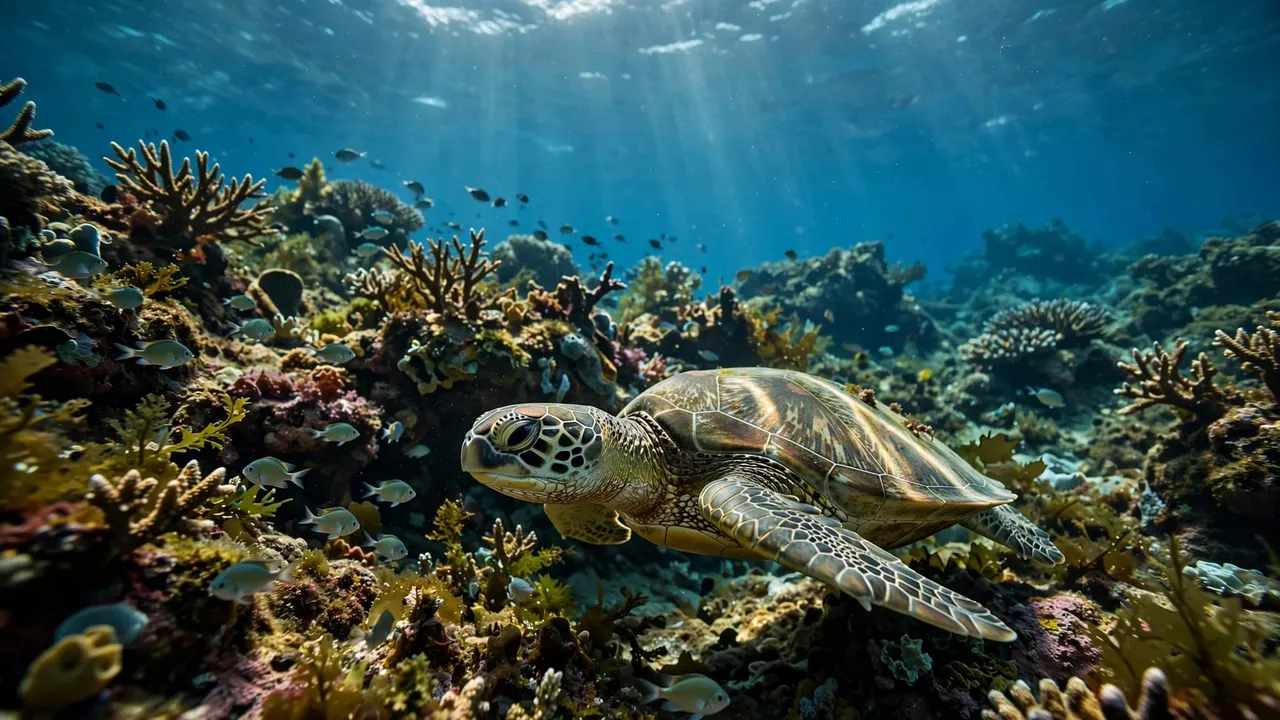
Turtle Canyon snorkeling gives you a chance to see more than Hawaiian green sea turtles. You can also watch how reef surfaces, algae, fish, and open water support life off Waikiki.
With Living Ocean Tours, you visit this offshore habitat with professional snorkel guides who help you enjoy the water while respecting wildlife. The turtles may draw your attention first, but slowing down can reveal a reef full of smaller details.
Key Takeaways for Your Reef Visit
- Turtle Canyon is known for its turtle cleaning station, where small fish may remove algae and parasites from turtles.
- Hawaiian reefs contain a mix of living coral, rock, algae, and other surfaces that provide food or shelter for marine life.
- Wildlife and water conditions change, so every snorkel is different. Give animals space and keep your hands and fins away from the reef.
- Our Turtle Canyon snorkeling tour includes gear and guidance for first-time snorkelers as well as experienced swimmers.
Look at the Reef as a Living Habitat
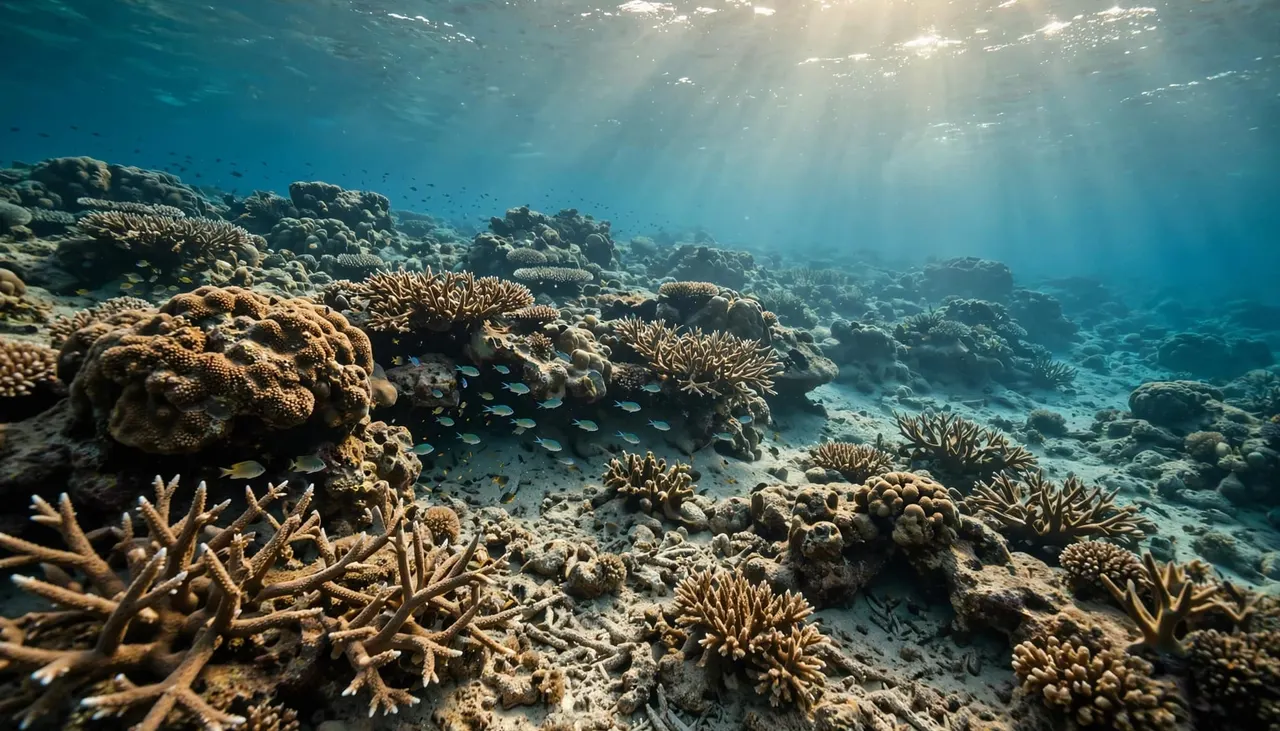
An illustrative view of a Hawaiian reef.
During Turtle Canyon snorkeling, it’s easy to focus on the largest animal in view. Take a moment to look at the surfaces beneath you, too. A reef is made up of more than one kind of material, and different surfaces offer marine life different places to feed or shelter.
What looks like a single patch of reef can include living coral, older coral skeletons, rock, and algae. Light and water movement also affect how much detail you can see from the surface. A passing shadow or a change in your viewing angle may reveal movement you missed at first.
Hawaiian reefs are part of a wider Pacific ecosystem. As NOAA’s coral reef guide explains, reefs provide habitat for a wide variety of marine life. At Turtle Canyon, you get a chance to observe part of that community without needing to dive below the surface.
Give yourself time to look at one area instead of swimming constantly. You may notice fish moving close to the reef, then disappearing against its colors. When you pause and keep your body relaxed, those smaller movements become easier to follow.
Notice Coral, Rock, and Algae
Coral is an animal, even though a colony may look like a plant or a textured rock. Many tiny animals called polyps live together and build a hard skeleton. Over time, that structure can provide space for other marine life.
On Hawaiian reefs, coral can grow in different shapes and sizes. Some colonies appear rounded, while others may spread across a surface. Color alone won’t tell you whether a particular patch is healthy or whether every part of a structure is living, so enjoy the view without trying to make a diagnosis.
Algae are part of the picture, too. They grow on reef surfaces and provide food for some marine animals. Depending on the light and water clarity, you may notice a green or brown covering where you expected bare rock.
You don’t need to touch anything to appreciate these details. Stay at the surface and leave a comfortable gap beneath your fins. If you want help identifying what you’re seeing, point it out to your guide from a distance.
A reef surface can contain living coral, old skeletons, algae, and rock side by side. Treat the whole area with care, even when you can’t tell them apart.
Watch How Fish Use the Reef
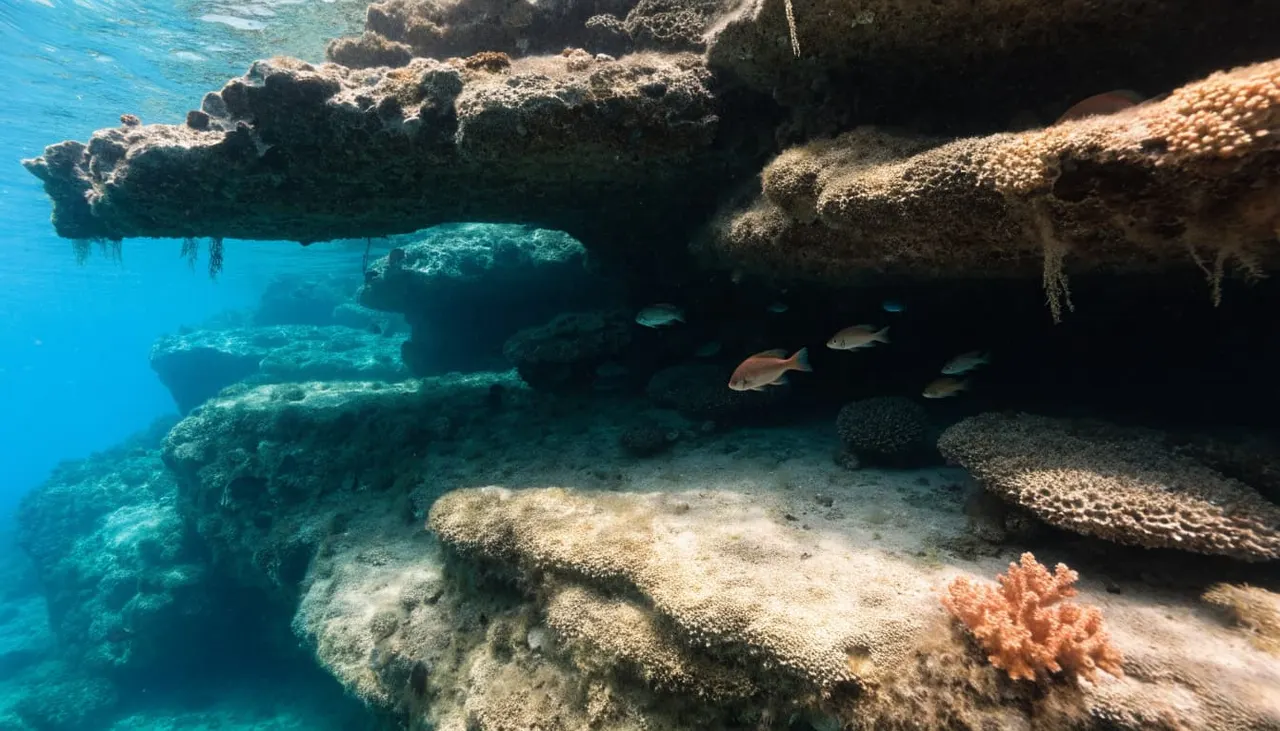
An illustrative view of fish using a Hawaiian reef for shelter.
Fish can be easy to overlook when you’re waiting for a turtle. During Turtle Canyon snorkeling, try watching their behavior as well as their colors. The way a fish moves can tell you where it’s finding food or seeking shelter.
Follow the Feeding Activity
Some reef fish graze on algae, while others pick at small organisms. Watch for a fish that repeatedly approaches a surface and then moves a short distance before feeding again.
You may see more activity when you hold your position and let the fish carry on undisturbed. Avoid swimming toward them or offering food. Feeding changes their natural behavior, and a respectful distance gives you a better chance to observe what they would do on their own.
Look for Movement Near Cover
On a Hawaiian reef, fish may move between open water and sheltered areas. A shadowed patch or uneven surface can offer a place to hide, rest, or search for food.
Keep your eyes on one area for a few moments. A fish that blends into the background may become visible only when it turns or swims. Sightings vary, so treat each appearance as a possibility rather than a promise.
Understand the Turtle Cleaning Station
Turtle Canyon is known as a natural cleaning station. Here, Hawaiian green sea turtles may pause while small fish remove algae and parasites from their bodies. The interaction gives you a chance to observe the relationship between the turtles and other reef animals.
Give the Fish Room to Work
If you see a turtle near fish, watch from a respectful distance rather than trying to get closer for a photograph. A turtle needs room to move, rest, and return to the surface to breathe.
Avoid placing yourself between the animal and open water. If it swims toward you, calmly give it space. Your guide can help you recognize when to move back and where to stay within the snorkel area.
Look Beyond One Turtle
A cleaning station is an animal gathering place, not an appointment. You might see a turtle moving through the area, resting, or interacting with fish. You might also spend part of your swim observing the reef while you wait.
Our snorkeling trips have about a 95% turtle-sighting rate, but wildlife encounters are never guaranteed. Wind, water conditions, and the animals’ own movements all affect what you see. Focusing on the wider habitat makes your time in the water rewarding even when a turtle isn’t in view.
Use Light and Water Clarity to Your Advantage
The view beneath you can change throughout a Turtle Canyon snorkeling trip. Sunlight may make one area easier to see, while glare on the surface can make another harder to study. Water clarity also varies with weather and ocean conditions.
When you’re floating comfortably, look down and slightly ahead rather than staring at one spot. This gives you a wider view of the water between you and the reef. You may notice a fish crossing an open area before it blends into the background.
A slow turn can help you see details from another angle, but keep track of your guide and the boat. Avoid following an animal outside the area your crew has designated for snorkeling.
If your mask fogs or leaks, ask for help rather than struggling through the swim. A comfortable fit makes it easier to look around without constantly lifting your head or adjusting your gear.
Protect the Reef While You Snorkel
A good reef encounter leaves wildlife free to behave naturally. Your most useful habit is simple: observe without touching.
Keep Your Distance From Wildlife
Hawaiian green sea turtles are protected animals. Don’t touch, chase, feed, or surround them. Give them a clear path to swim and breathe, and follow your guide’s instructions if an animal approaches.
The same respect applies to fish and other marine life. NOAA’s Hawaii wildlife viewing guidance recommends watching wild animals without disturbing them.
If you’re taking photos, keep your attention on your position as well as the camera. A close-up isn’t worth crowding an animal or drifting toward the reef.
Float Above Coral and Other Surfaces
Never stand on coral or grab the reef for support. Keep your fins clear, too. Even an accidental kick can damage fragile living organisms.
If you need a break, signal your guide or return to the boat. Ask for help with flotation if you’re having trouble staying comfortably at the surface. Your crew can help you find a position that keeps both you and the reef safer.
A rash guard offers sun protection without needing to apply lotion to the covered skin. If you bring sunscreen, choose a product that complies with Hawaii’s sunscreen rules.
Prepare for a Comfortable Snorkel
You don’t need previous snorkeling experience to enjoy watching the reef, but you’ll get more out of the trip when your gear feels comfortable and you know how to ask for help.
Get Your Mask and Breathing Settled
Before you enter, tell the crew if you’re new to snorkeling or unsure about swimming in open water. Ask for help fitting your mask and fins, and listen to the briefing about entering and returning to the boat.
Once you’re in the water, take a little time to settle your breathing. Keep your movements relaxed and let your guide know if your mask leaks or you want assistance with flotation. You can always pause or return to the boat.
Plan for Changing Ocean Conditions
Conditions can differ from one departure to another. Morning trips may offer calmer water before trade winds increase, although no time of day guarantees a particular view.
If you’re bringing children, talk through the plan together before entering. Point out the guide and explain that everyone should stay within the designated area. Our tours welcome guests ages 3 and up, and our crew can help your family approach the water at a comfortable pace.
Explore Turtle Canyon With Our Guides
Our Turtle Canyons Snorkel Excursion departs from Kewalo Basin Boat Harbor near Waikiki. The trip lasts about two hours, with approximately one hour of snorkeling time.
We provide gear, instruction, and support for guests with different experience levels. We’re the only tour company with professional snorkel guides in the water with you, so you can ask for help with your equipment or point out something you’ve spotted.
For a guided visit to the cleaning station, you can CHECK AVAILABILITY for your preferred date.
Frequently Asked Questions
Can beginners enjoy Turtle Canyon snorkeling?
Yes. You’ll receive gear and instruction, and our professional snorkel guides provide support in the water. Tell the crew about your comfort level before you enter, and ask for help whenever you need it.
Will you see turtles on every trip?
Turtle sightings are common, but they aren’t guaranteed. Our snorkeling trips have about a 95% success rate for finding Hawaiian green sea turtles. Wildlife behavior and ocean conditions vary.
Can you touch coral or feed fish?
No. Keep your hands and fins away from coral and other reef surfaces, and don’t feed wildlife. Watch from a distance so animals can continue their natural behavior.
Do you need to dive down to see the reef?
No. You can observe the water and reef below while floating at the surface. Visibility changes with conditions, so the amount of detail you can see varies.
Take Time to See the Whole Reef
Turtle Canyon snorkeling can introduce you to a habitat where turtles, fish, and the reef share the same space. The longer you watch, the more small movements and interactions you may notice.
Keep your distance, float above the reef, and ask your guide for help when you need it. That gives you room to enjoy the experience while treating the ocean with respect.


