
Turtle Canyon Snorkeling for Kids Taking Swim Lessons
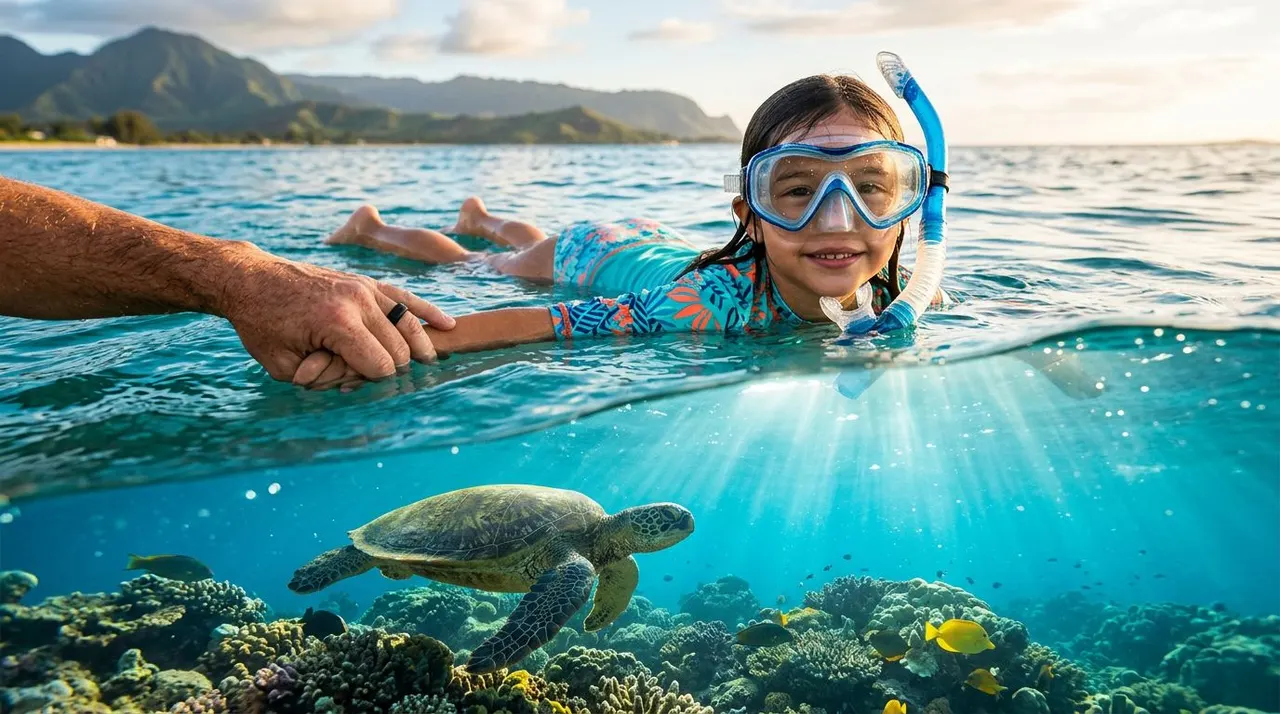
Turtle Canyon snorkeling can be a fantastic first ocean adventure when your child is taking swim lessons. The experience becomes much easier when your child can float, follow directions, breathe calmly, and stay comfortable with their face in the water.
A well-planned Turtle Canyon snorkeling trip also gives you professional support, flotation equipment, and a controlled way to introduce your child to Hawaii’s marine life. Before you book, check your child’s water skills, confidence, and readiness for an open-ocean setting.
Is Turtle Canyon snorkeling ready for your child?
Swim lessons are an excellent starting point, but pool skills don’t automatically equal ocean readiness. The Pacific has moving water, changing visibility, waves, and unfamiliar sounds. Your child should feel comfortable with those differences before entering the water.
Swim lessons help build important skills
Your child will benefit from lessons that practice floating, kicking, turning onto their back, and putting their face underwater. Controlled breathing matters too. A child who can calmly breathe through a snorkel has a better chance of enjoying the experience.
Following instructions is just as important. Your child may need to listen while wearing a mask, wait for a guide, hold a flotation device, or return to the boat when asked.
Children who are still learning basic swimming skills can often enjoy the boat ride and observe the water from the vessel. However, they may not be ready to snorkel away from the boat. Be honest about your child’s ability when you speak with the tour team.
Look for signs of water confidence
Your child may be ready for a guided snorkel if they can:
- Float calmly while wearing a properly fitted life jacket or flotation vest.
- Put their face in the water without panic.
- Follow simple directions when excited or distracted.
- Stay close to you and the guide during the activity.
- Tell you when they feel tired, cold, nervous, or uncomfortable.
You should also consider your child’s attitude toward new experiences. A strong swimmer who dislikes masks may need more practice. A younger child with limited swimming experience may enjoy the boat but prefer to wait before entering the ocean.
What swim skills should your child practice first?
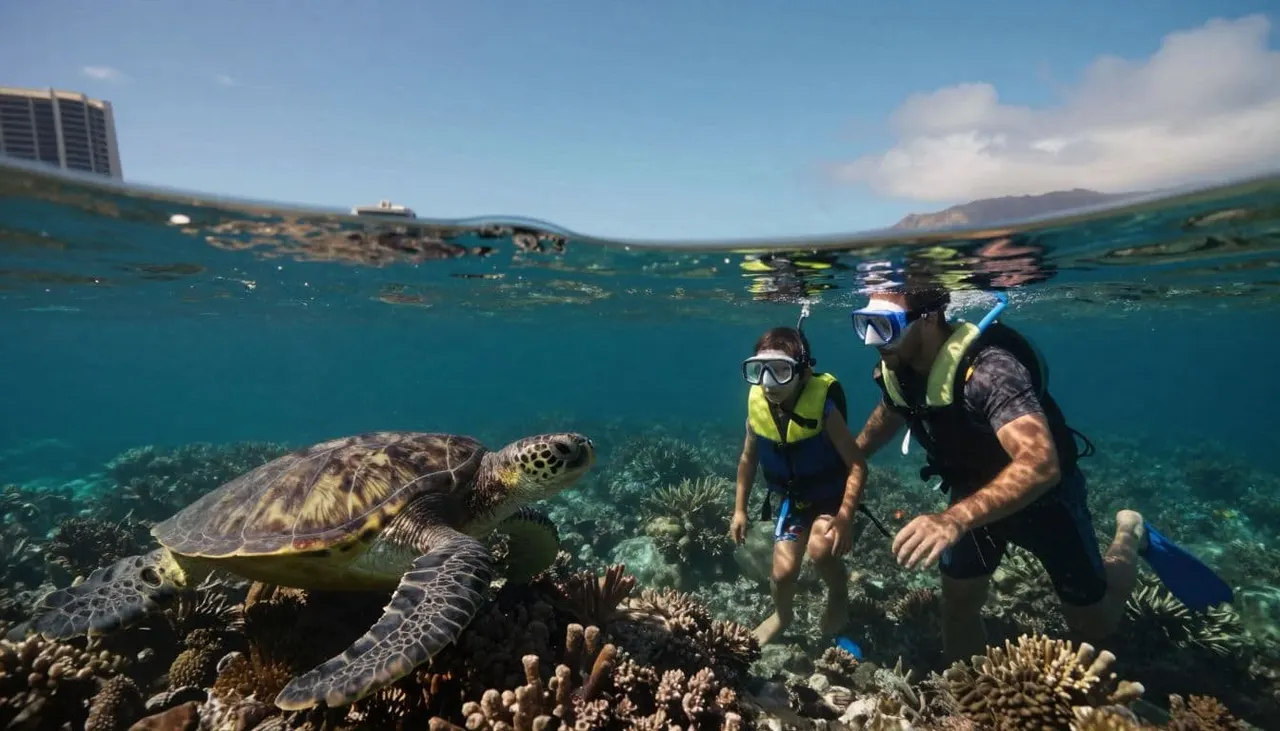
A few simple exercises can make Turtle Canyon snorkeling more comfortable. Practice in a pool before your vacation if possible. Let your child try the mask and snorkel slowly, without pressure to perform.
Practice breathing and floating
Have your child place their face in shallow water and breathe through the snorkel. Start with a few seconds, then increase the time as their confidence grows. Keep the practice relaxed and stop before frustration builds.
Next, practice floating with the same body position used during snorkeling. Your child should learn to keep their legs relaxed and make small kicks. Large, fast movements waste energy and can make the mask shift.
A flotation vest adds support, but it doesn’t replace supervision. You should remain close enough to assist your child immediately. Hawaii’s official ocean safety guidance for families advises adults to supervise children at the beach and in the water.
Teach your child to use the mask correctly
A leaking mask can turn an exciting trip into a stressful one. Help your child adjust the strap before entering the water. The mask should seal around the face without feeling painfully tight.
Show your child how to lift their head and tell the guide if water enters the mask. They don’t need to fix every problem alone. They only need to stay calm and communicate.
Snorkel fins can also feel strange at first. Practice gentle kicking rather than walking in them. On the boat, follow the crew’s instructions when putting fins on and moving toward the ladder.
Why professional guidance matters at Turtle Canyon
A guided trip gives your family more support than swimming near an unfamiliar beach. Living Ocean Tours departs from Kewalo Basin Boat Harbor, a short drive from Waikiki, and focuses on welcoming guests of different experience levels.
Living Ocean Tours is the only tour company with professional snorkel guides. The crew provides a snorkel school, flotation vests, equipment guidance, and help throughout the experience. You still need to judge your child’s ability, but you don’t have to figure out the setting alone.
A calm start makes a better family outing
Before entering the water, the crew explains how to use the gear and enter safely. Professional guides can help your child adjust the mask, understand the boat ladder, and learn where to stay during the snorkel.
The custom double-decker vessels, Coral Kai and Lokahi, include shaded seating, restrooms, dry storage, and heavy-duty ladders. Lokahi also has a SeaKeeper stabilization system that helps reduce rolling on the water.
That comfort matters when you’re traveling with children. A steadier boat can make the waiting period easier, especially for a child who is still getting used to ocean conditions.
Respectful turtle viewing protects the reef
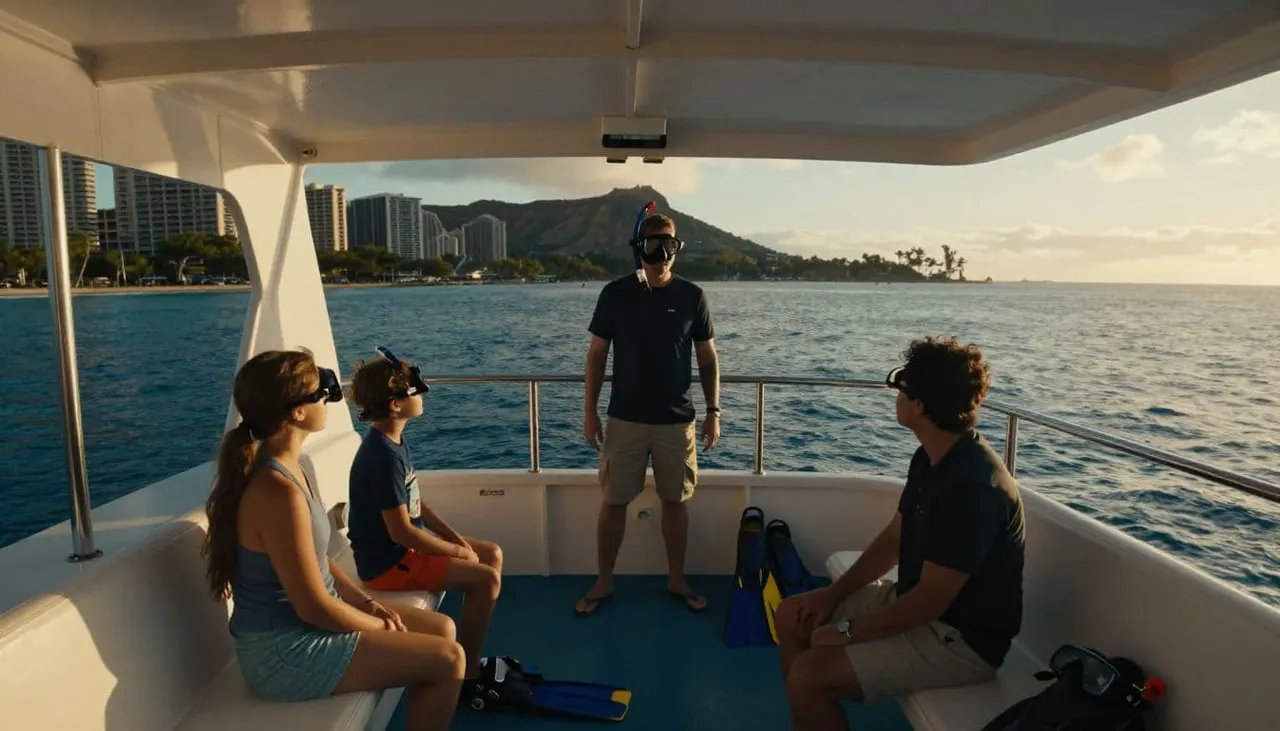
Turtle Canyon is known for Hawaiian green sea turtles and tropical reef fish. Your child may feel tempted to swim closer, reach out, or follow a turtle. Teach them to watch without touching.
NOAA recommends viewing sea turtles from at least 10 feet, or 3 meters, away in Hawaii. Its marine wildlife viewing guidelines also explain why you shouldn’t chase, feed, or disturb protected animals.
The crew reinforces those rules during the tour. Your child can enjoy the sight of a turtle gliding through the reef without changing its behavior. For more background, NOAA’s green turtle information explains why responsible viewing matters.
What happens during a family Turtle Canyon trip?
Knowing what to expect can help your child feel prepared. The day usually starts at the harbor, where you check in, meet the crew, and receive instructions before boarding.
Before you enter the water
Bring your child to the boat in a swimsuit with sunscreen already applied. Reef-safe sunscreen helps reduce the impact of chemicals on Hawaii’s marine environment. A towel, water bottle, and dry change of clothes can make the trip more comfortable afterward.
Once aboard, the crew explains the route, safety procedures, and equipment. You can tell the guide about your child’s swimming experience before the boat leaves. That conversation helps the crew provide appropriate support.
The trip to Turtle Canyon gives your family time to settle in. Look for Diamond Head, Waikiki’s coastline, and seabirds along the way. A child who feels nervous can watch other guests enter the water first.
During the snorkel
Your child should stay near you and the professional guide. Encourage slow breathing, gentle kicking, and short breaks when needed. The goal is a calm wildlife encounter, not a race across the reef.
The crew may point out turtles, reef fish, coral formations, and other marine life. Keep your child’s hands relaxed and away from the animals. If the mask fogs or your child feels overwhelmed, signal the guide and return to the ladder or boat.
Living Ocean Tours reports a 95% success rate for spotting Hawaiian green sea turtles at the natural cleaning station. Wildlife sightings can never be controlled completely, but the location and guided format give your family a strong chance to see turtles in their natural habitat.
You can review the Turtle Canyon snorkeling tours for families and check the CHECK AVAILABILITY link before selecting your date.
How to prepare your child for Turtle Canyon snorkeling
Preparation should make your child feel capable, not pressured. Talk about the experience in simple terms. Explain that they can ask for help, take a break, or return to the boat.
Choose comfort over confidence alone
A child may say they want to snorkel because they love turtles. That excitement is helpful, but you should also consider endurance and comfort in open water.
Schedule the trip when your child is rested. Morning departures often work well for families because children may have more energy earlier in the day. Avoid planning a demanding beach activity immediately afterward.
Make sure your child eats a light meal and drinks water before boarding. Bring a familiar rash guard or swimsuit if new clothing might create a distraction. The crew supplies snorkeling equipment, but your child can bring a favorite pair of goggles for practice before departure.
Set expectations about marine life
Explain that turtles are wild animals, not performers. Your child may see one nearby, or may need to watch patiently from a distance. Either outcome can become a valuable lesson about protecting wildlife.
Tell your child to observe, not touch. They should never chase a turtle, block its path, stand on coral, or remove anything from the reef. Those habits protect the animals and help preserve Turtle Canyon for future families.
If your child decides not to snorkel, the day can still be worthwhile. The boat provides a comfortable place to watch the ocean, and the guide can help you decide whether a short water entry is appropriate.
Conclusion
Turtle Canyon snorkeling can be a rewarding next step for a child taking swim lessons. Your child will have the best experience when they can float calmly, breathe through a snorkel, follow directions, and communicate discomfort.
Professional guides, flotation support, stable boats, and clear wildlife rules add confidence for the whole family. Prepare your child without pressure, stay close in the water, and teach them to admire Hawaiian green sea turtles without touching them. That combination turns a first ocean outing into a safe and memorable family experience.


