
Turtle Canyon snorkeling: Can You Wear Jewelry?
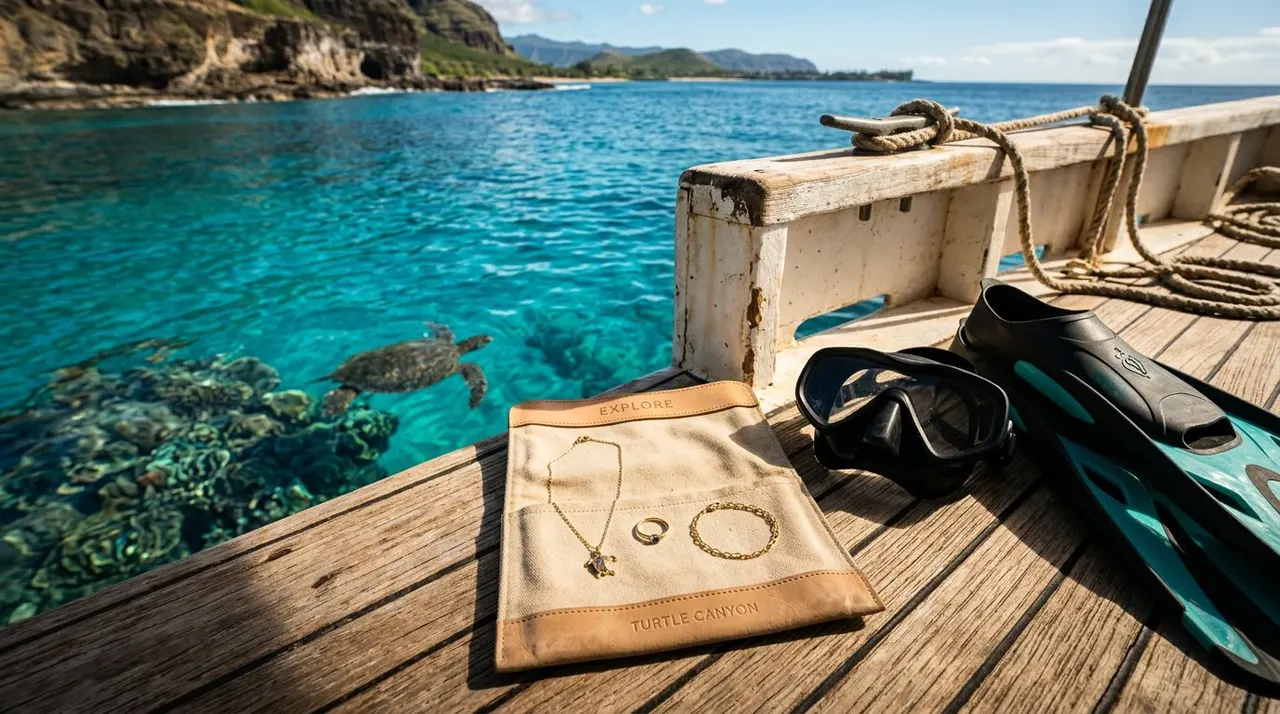
Saltwater can turn a small piece of jewelry into a lost vacation memory. If you’re planning Turtle Canyon snorkeling in Waikiki, the safest choice is to leave necklaces, loose rings, bracelets, and dangling earrings on land.
During Turtle Canyon snorkeling, you’ll swim, climb a boat ladder, handle snorkel gear, and move near fragile reef habitat. Jewelry can snag, tarnish, fall into the ocean, or distract you from the experience. A few simple preparations will help you enjoy the water with less worry.
Turtle Canyon snorkeling and jewelry: The quick answer
You can physically enter the ocean wearing jewelry, but you should remove it before boarding. Most jewelry isn’t designed for active saltwater use, and snorkeling creates more movement than a casual swim.
A necklace may catch on a mask strap or snorkel vest. A bracelet can slide down your wrist when you reach for a ladder. Even a secure ring can loosen if sunscreen, soap, or water reduces friction around your finger. Once a small item falls at Turtle Canyon, recovering it may be impossible.
Take off these items before your tour:
- Dangling earrings and long necklaces can catch on equipment or create discomfort while you swim.
- Loose bracelets and anklets can slip off when you adjust fins or hold a ladder.
- Fashion rings with raised settings can snag straps, hair, or fabric.
- Plated jewelry and costume pieces can lose their finish after contact with saltwater and sunscreen.
A simple wedding band may feel secure, but removing it is still the lowest-risk option. If you can’t take it off because of a medical need or another important reason, speak with your snorkel guide before entering the water.
The safest jewelry policy is simple: remove it before you leave the dock, not after you reach the reef.
Saltwater can also damage jewelry even when you don’t lose it. Sterling silver is especially prone to tarnishing, while plated pieces may show wear as their surface coating breaks down. Beverly’s saltwater jewelry guide explains why ocean exposure affects different metals and finishes.
Why jewelry creates problems at a turtle cleaning station
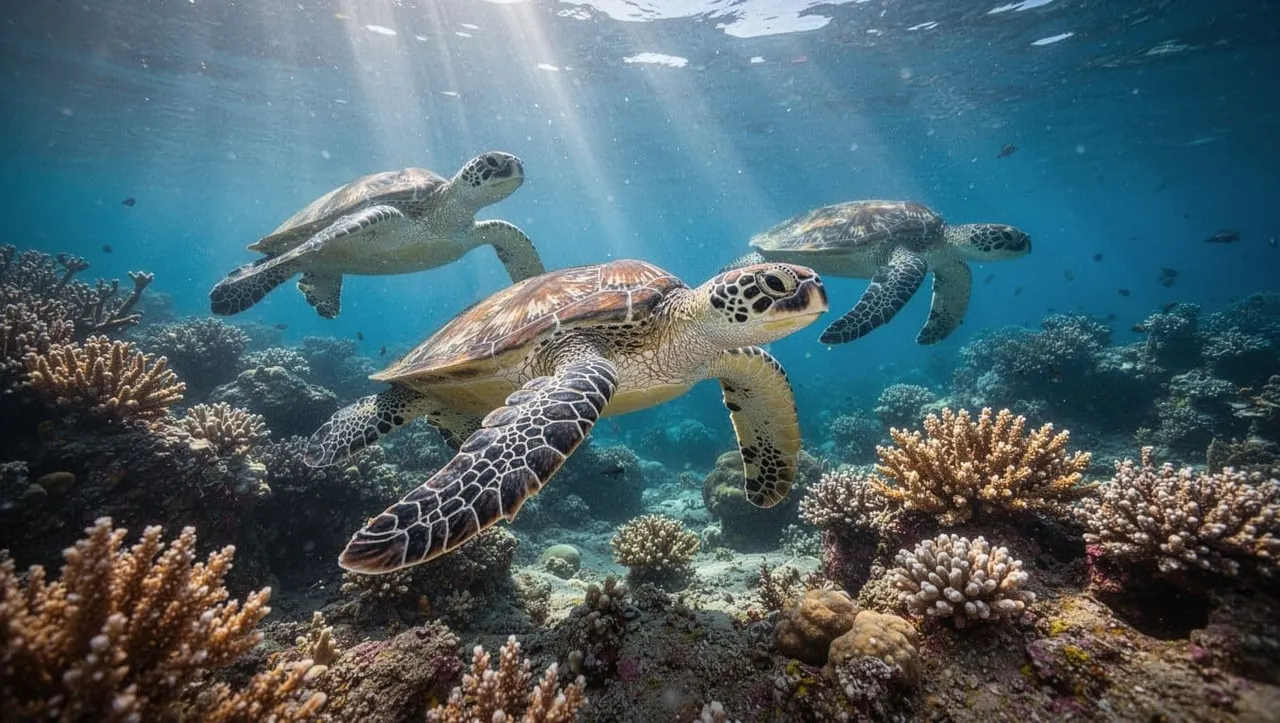
Turtle Canyon is known for Hawaiian green sea turtles that visit a natural underwater cleaning station. Fish remove algae and other growth from the turtles’ shells, creating an exceptional wildlife encounter. You may also see tropical fish around the reef.
The right approach is to observe the animals without touching, chasing, or blocking them. Jewelry doesn’t belong in that setting because a dropped item becomes marine debris until someone can retrieve it.
Loose jewelry can cause four practical problems during a snorkel:
- You may lose it. Clear water can still make a dropped ring or earring difficult to spot. Waves, depth, and movement quickly separate you from the item.
- It can catch on gear. Snorkel masks, flotation equipment, fins, and boat ladders all involve straps, buckles, or narrow spaces.
- It may hurt you. A hard pendant or sharp setting can press against your skin when you swim or climb back aboard.
- It can affect the reef. Metal, stones, and broken clasps don’t belong on the ocean floor, especially near living coral and marine animals.
Shiny jewelry also creates an unnecessary distraction. You want your attention on your breathing, your guide, and the wildlife around you. When you focus on a missing earring or slipping bracelet, you lose the calm rhythm that makes snorkeling enjoyable.
Some beach-jewelry advice recommends higher-karat gold, platinum, titanium, or other durable materials for saltwater exposure. You can review those material suggestions in this guide to wearing jewelry at the beach. However, a more durable metal can still fall off or snag. Water resistance doesn’t equal snorkeling safety.
What to wear instead for a comfortable snorkel
Your snorkeling outfit should stay secure, comfortable, and easy to manage. A swimsuit works well, while a rash guard adds sun coverage and protects your shoulders from rubbing against equipment. Choose items that fit closely without restricting your breathing or movement.
You won’t need to bring your own expensive gear for a guided trip. Living Ocean Tours provides snorkeling equipment and uses heavy-duty ladders for easier water entry. You can concentrate on fitting your mask and listening to the crew instead of managing extra accessories.
Before leaving your hotel, create a short pre-boarding routine. Remove your jewelry, empty your pockets, and place valuables in a small case. Keep that case in your luggage or another secure location rather than carrying it to the boat. If you wear a smartwatch, remove that as well unless your tour operator confirms that it can stay on safely.
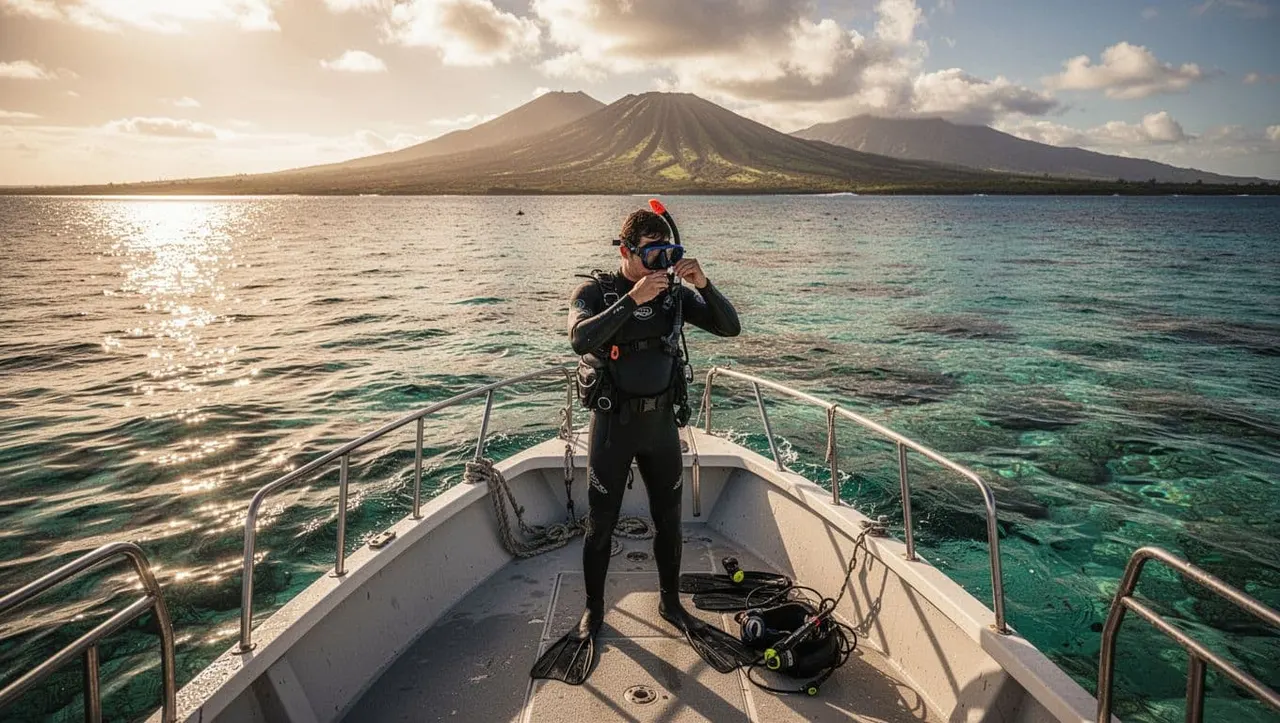
Apply sunscreen according to its label and allow it to absorb before you put on gear. Mineral, reef-conscious formulas are a considerate choice around Hawaii’s marine environment. Avoid adding oil, loose charms, or accessories that can wash away.
If you wear prescription glasses, ask about the available mask options before the trip. Contact lenses may work for some swimmers, but you should follow your eye-care provider’s advice. These details matter more to your comfort than any piece of jewelry.
What to do if you can’t remove a ring or bracelet
Some people wear a medical alert bracelet, identification band, or ring that they need to keep with them. Don’t hide it under a glove or tuck it into swimwear. Tell the crew before you enter the water so they can help you choose the safest option.
A low-profile silicone band may create fewer snag points than a metal bracelet, but you should still confirm that it won’t interfere with your equipment. Some jewelry guides list stainless steel, titanium, and silicone as more durable choices for ocean use, as described in these ocean-safe jewelry tips. That information concerns material durability, not a guarantee that the item is safe for every snorkel.
If you keep an essential item on, check that it fits closely and has no dangling chain, sharp edge, or loose stone. Ask your guide to inspect it before you enter the water. You should also avoid using the item to point at wildlife or touch the reef.
For ordinary rings, earrings, and bracelets, removal remains the better answer. Store them before departure, then put them back on after you’ve dried off and changed.
A guided Turtle Canyon trip makes preparation easier
Living Ocean Tours departs from Kewalo Basin Boat Harbor, a short drive from Waikiki Beach in Honolulu. The company focuses on guided marine experiences along the Waikiki coastline, including its Turtle Canyons Snorkel Excursion.
The tour reports a 95% success rate for spotting Hawaiian green sea turtles at their natural cleaning station. While wildlife sightings can never be guaranteed, a professional crew helps you understand where to look and how to behave around marine life.
Living Ocean Tours is the only tour company with professional snorkel guides. That support matters when you’re a first-time snorkeler, traveling with children, or unsure about your mask and breathing technique. The crew can also direct you to dry storage before you enter the water.
The Coast Guard-inspected fleet includes the Coral Kai and Lokahi, custom-built double-decker vessels with shaded seating, onboard restrooms, dry storage, and sturdy ladders. The Lokahi also includes a SeaKeeper stabilization system, which helps keep the boat steadier while you prepare for your swim.
You can browse Honolulu ocean tours if you’re comparing guided options. For a Turtle Canyons departure, review the Turtle Canyons Snorkel Excursion details and check the meeting information before you leave Waikiki.
When you’re ready to choose a date, use CHECK AVAILABILITY.
Conclusion
For Turtle Canyon snorkeling, leave your jewelry in secure dry storage before you board. Removing it protects your valuables, prevents gear problems, and helps keep dropped objects away from the reef.
Bring a comfortable swimsuit, secure sun protection, and an open attitude toward the ocean. With professional snorkel guides and a clear focus on observing, not touching, you can enjoy the turtles without turning a treasured ring into an underwater search.


