
Turtle Canyon snorkeling: Anti-Fog Tips for Clear Views
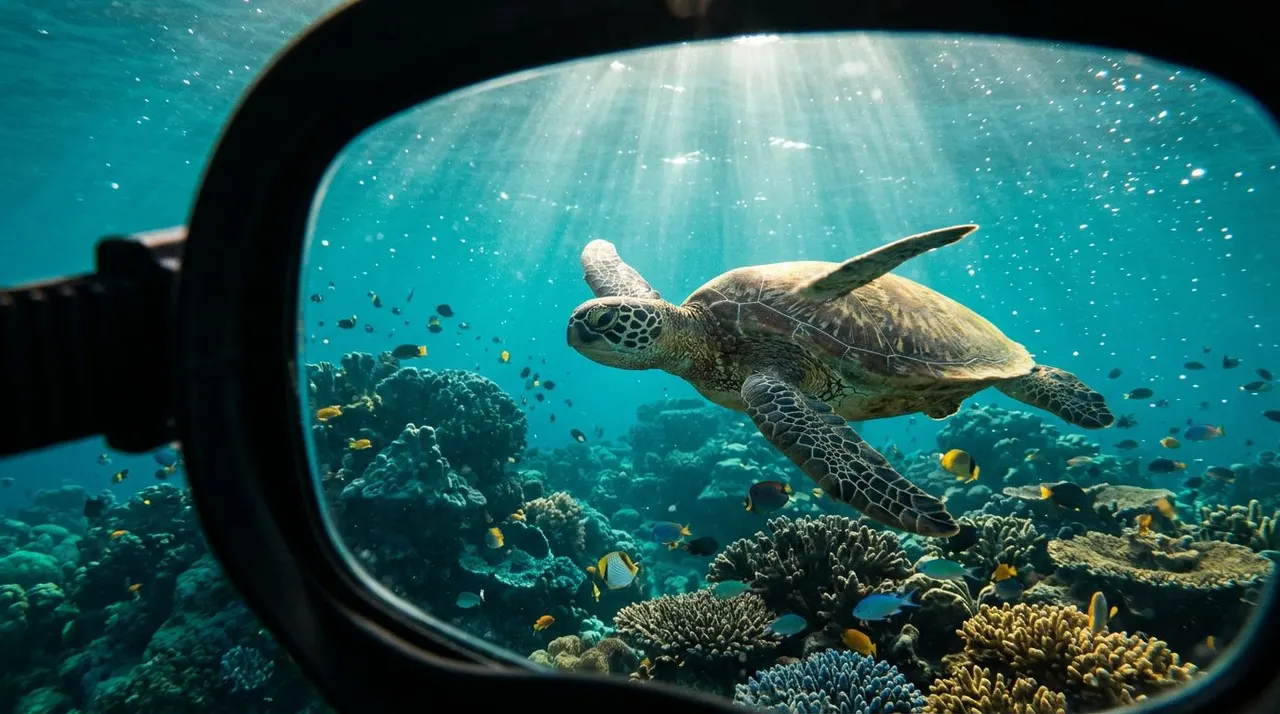
One fogged lens can turn a close sea turtle encounter into a blur of green and blue. Clear vision starts before you step off the boat, and the right Turtle Canyon snorkeling routine takes only a few minutes.
Warm air, sunscreen, salt, and a cool mask lens create the conditions for fog. You can prevent most problems with a clean mask, a thin anti-fog coating, and a secure fit. Start with your gear before you reach the reef.
Why Your Snorkel Mask Fogs at Turtle Canyon
Mask fog forms when warm, humid air inside the mask meets a cooler lens. Water vapor condenses into tiny droplets, which scatter light across the glass. The result looks like a cloudy window, even when the water around you is clear.
Residue makes the problem worse. Sunscreen, skin oils, fingerprints, salt, and the manufacturing film on a new silicone mask can keep water from spreading evenly across the lens. Instead, moisture gathers into separate droplets.
A tight strap won’t solve fogging. In fact, overtightening can bend the skirt, create pressure points, and make the mask less comfortable. A proper seal comes from the mask’s shape and a clear path around your eyes, not from pulling the strap as hard as possible.
For a new mask, follow the manufacturer’s cleaning directions before your trip. ScubaGuru’s mask pre-treatment guide explains why new lenses may need extra preparation before regular defogging becomes effective.
A clean lens is the foundation of anti-fog protection. Anti-fog solution can’t work well through sunscreen or oily residue.
The Best Pre-Water Routine for Turtle Canyon snorkeling
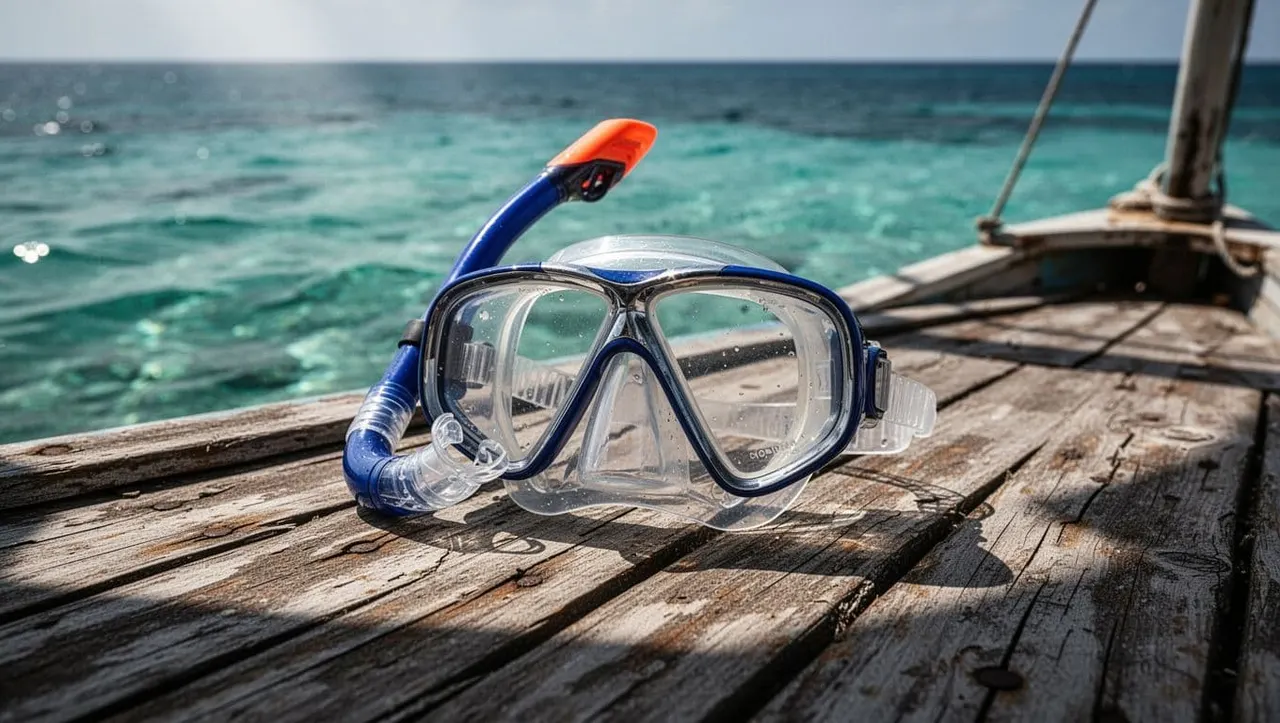
Prepare your mask on the boat before you arrive at the snorkel site. This gives the solution time to spread and gives you a chance to fix the fit while you’re still dry.
Use this simple sequence:
- Rinse away sand and loose residue with clean water. Don’t wipe a dry lens with your shirt, towel, or fingers, because grit can scratch the surface.
- Apply a commercial scuba anti-fog solution to the inside of each lens. Use a small amount and follow the product directions. A diluted baby shampoo solution is another common option, but keep it out of your eyes and test it before your trip.
- Spread the solution across the entire inside surface with clean fingertips. Cover the edges near the nose pocket as well as the center of each lens.
- Let the product sit for the time listed on the bottle. Then rinse lightly. You want to remove excess solution without stripping away the thin film that helps water flow across the lens.
- Keep the prepared mask in the shade until you enter the water. Avoid placing it lens-down on a rough bench or deck.
- Cool your face with water before putting the mask on. The smaller the temperature difference between your skin, the air, and the lens, the less condensation you’ll create.
Avoid household glass cleaner, dish soap, and abrasive scrubbing products. They can irritate your eyes or damage lens coatings. Even toothpaste, a traditional choice among some divers, may be too abrasive for certain lenses, so use the mask maker’s instructions first.
A commercial solution is often the easiest choice for family trips because it gives you consistent results. DiveIn’s anti-fog mask advice also recommends anti-fog solution or a diluted baby shampoo mixture before entering the water.
Keep Your View Clear Once You Enter the Water
A good anti-fog routine can fail if the mask fits poorly. Before you jump in, press the mask gently against your face without using the strap. Inhale slightly through your nose. If the mask stays in place for a few seconds, the skirt is likely making a reasonable seal.
Your hair should stay clear of the silicone skirt. A few strands across the edge can create a leak, while a crooked strap can pull the mask to one side. Set the strap high enough to sit flat on the back of your head, then adjust it until the mask feels secure without pressure.
Keep the mask on your face when you move between viewing spots. Removing it repeatedly lets warm air back inside and may wash away the anti-fog coating. If you need to adjust the strap, do it at the surface or with help from your guide.
Fogging can also come from touching the inside lens. Once the coating is applied, keep your fingers away from the glass. If you wear sunscreen, allow it to absorb before handling your mask, and ask the crew for help if the strap or seal needs adjustment.
If you use an underwater camera, treat its housing separately. Mask defog solution doesn’t belong on a camera lens or inside a camera housing. Use the manufacturer’s anti-fog inserts or lens-care instructions instead.
See More at Turtle Canyons With a Guided Snorkel
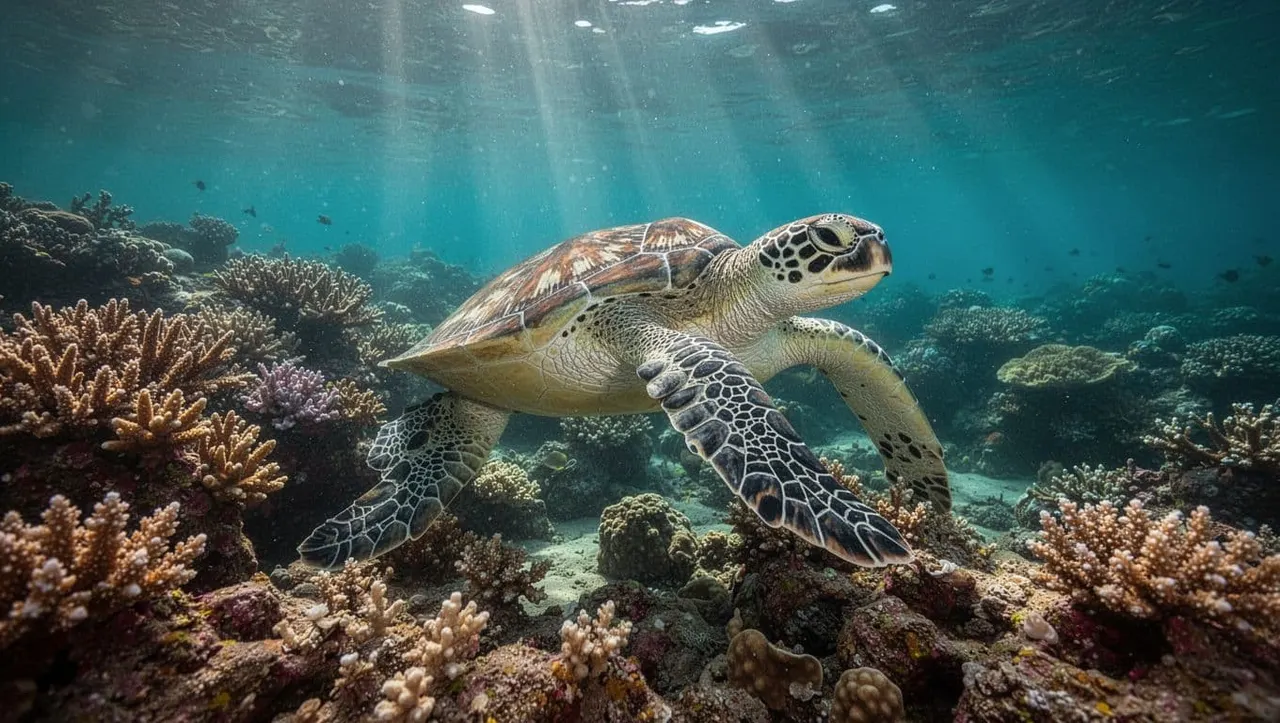
Clear lenses matter at Turtle Canyons because the best moments can happen a few feet below you. Hawaiian green sea turtles visit a natural underwater cleaning station, where small reef fish remove algae and other material from their shells. A fogged mask can make you miss the turtle’s slow approach or the fish moving around its body.
Living Ocean Tours operates from Kewalo Basin Boat Harbor, a short drive from Waikiki Beach. The company reports a 95% success rate for spotting Hawaiian green sea turtles on its Turtle Canyons Snorkel Excursion, although wildlife sightings can never be guaranteed.
Living Ocean Tours is the only tour company with professional snorkel guides. The crew helps first-time snorkelers prepare their masks, adjust straps, enter the water safely, and stay comfortable during the excursion. You can also ask for a fresh application of anti-fog solution before entering.
The Coast Guard-inspected fleet includes the double-decker Coral Kai and Lokahi. Both vessels offer shaded seating, restrooms, dry storage, and sturdy ladders for water entry. The Lokahi also has a SeaKeeper stabilization system that reduces boat movement while you prepare your gear, which can make the pre-snorkel routine easier for guests who are sensitive to motion.
Browse the full range of Living Ocean Tours experiences if you want to compare guided snorkeling with other Waikiki ocean outings.
The turtle encounter also depends on responsible behavior. Stay with your group, watch where you kick, and give turtles room to swim. Observe, don’t touch. Never chase, feed, block, or ride a sea turtle. Your guide can help you find a good viewing position without disturbing the animal.
What to Do If Your Mask Fogs Underwater
Don’t keep swimming with limited vision. Fog can make it harder to see your guide, other swimmers, reef features, or wildlife.
Signal your guide and move calmly to the surface or boat ladder. At the surface, hold the mask against your face and lift the lower edge slightly. Let water flow across the inside lens, then reseal the mask and exhale gently through your nose to clear the water.
If the fog returns, remove the mask only when you’re stable and have support. Ask the crew for more anti-fog solution instead of repeatedly wiping the lens. Rubbing usually spreads oils and leaves more smears.
A guide can also check whether the problem is fog, a small leak, or an incorrect strap position. If water keeps entering through one side, hair may be caught under the skirt, or the mask may not match your face shape. Switching to another mask is often faster than fighting with a poor fit.
Before your trip, tell the crew if you’re a first-time snorkeler or feel uncomfortable in open water. Professional guidance helps you solve small gear problems before they become stressful.
Make Your Turtle Canyon View Count
A clear mask begins with a clean lens, a light anti-fog coating, and a comfortable seal. Prepare it before entering the water, keep your fingers off the inside glass, and ask your guide for help if fog returns.
With those habits in place, Turtle Canyon snorkeling becomes easier and more enjoyable for you, your family, and the marine life you’re there to see. A few minutes of preparation can protect the view when a Hawaiian green sea turtle glides into sight.
For a guided Turtle Canyons excursion, you can CHECK AVAILABILITY.


