
Turtle Canyon Snorkeling After LASIK: A Safe Plan
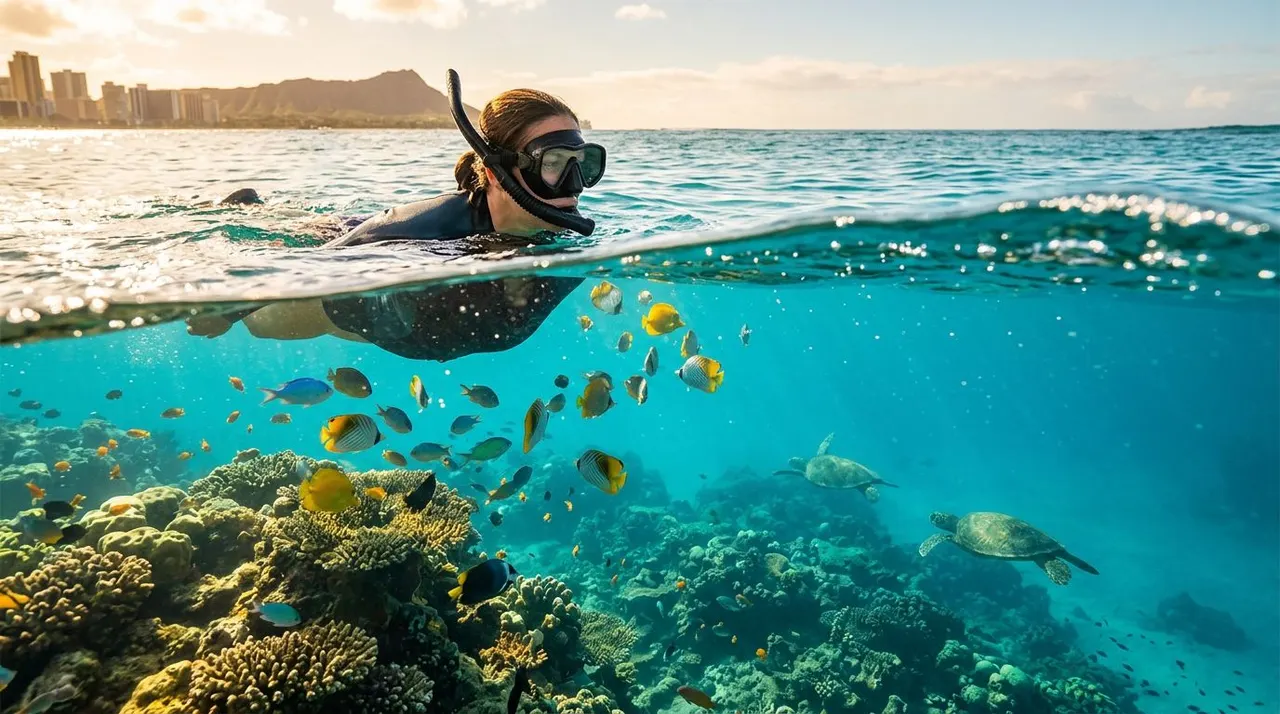
Planning Turtle Canyon snorkeling after LASIK requires more than packing your mask. Even when your vision looks sharp, your eyes may still need time before they can handle ocean water, wind, glare, and an accidental rub.
You can enjoy a Waikiki ocean trip after recovery, but your eye surgeon sets the date. The safest plan combines medical clearance with a gentle-fitting mask, careful water entry, and a professional guide who can help you stay comfortable. Start with the healing timeline.
Is Turtle Canyon snorkeling safe after LASIK?
Many people return to snorkeling after LASIK, but you shouldn’t go immediately after surgery. LASIK reshapes the cornea and creates a thin corneal flap. During early healing, water exposure and eye rubbing can increase the risk of irritation, infection, or other healing problems.
Clear vision doesn’t prove that your eye has finished healing. You may see perfectly while still dealing with dryness, light sensitivity, or a surface that reacts strongly to saltwater and wind.
Follow your surgeon’s timeline
Your ophthalmologist knows which procedure you had, how your eyes responded, and whether you have dry-eye symptoms. Ask for direct instructions about ocean swimming and snorkeling, not only showering or exercise.
Before booking Turtle Canyon snorkeling, ask when you can:
- Submerge your face in ocean water
- Wear a snorkeling mask for an extended period
- Swim, dive, or jump from a boat
- Spend time in bright sun and wind
- Use lubricating eye drops during an outing
The American Academy of Ophthalmology’s exercise guidance advises avoiding swimming and exposing the eye to water for at least two weeks while it heals. That timeframe is a general safety baseline, not personal clearance for your trip.
If your surgeon gives you a longer waiting period, follow that instruction. PRK and other surface procedures can also require a longer recovery than routine LASIK.
Why ocean water deserves extra caution
Ocean water contains salt and microorganisms. Waves can force water beneath a leaking mask, while spray and wind can dry the eye. A sudden urge to rub your face may cause more trouble than the splash itself.
Boat movement also matters. Even calm conditions include boarding, ladder use, and water entry. Your recovery should be complete enough that you can enter and exit without touching your eyes.
Sharp vision is an encouraging sign, but it isn’t the same as a fully healed eye.
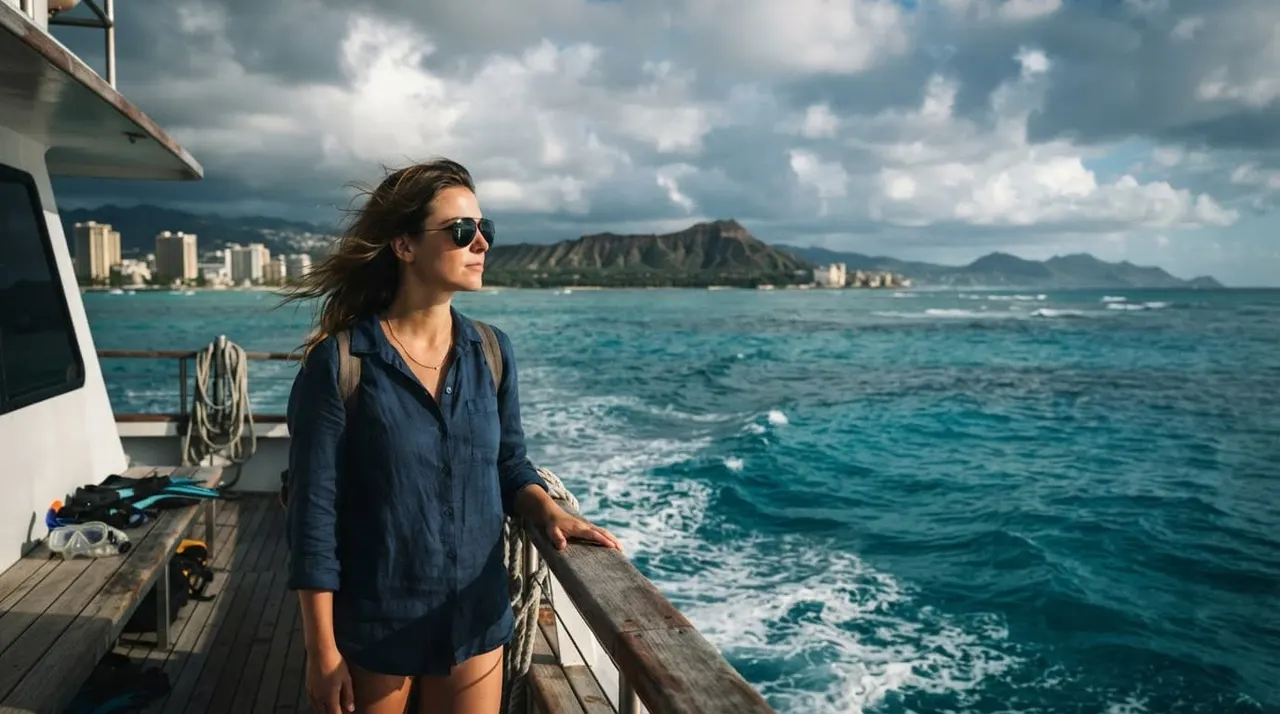
How long should you wait before Turtle Canyon snorkeling?
There isn’t one schedule for every LASIK patient. Your recovery can differ based on the procedure, pre-existing dry eye, medication, and how your corneas heal. For that reason, use online timelines for planning only.
Published recommendations vary. Some doctors advise avoiding pools, hot tubs, lakes, and the ocean for two to three weeks, as described in this post-LASIK swimming guidance. Another eye-care guide says swimming restrictions may extend to four weeks depending on the surgery and recovery response, according to these eye-surgery exercise recommendations.
This framework can help you plan, but your surgeon’s approval comes first.
| Recovery stage | Sensible approach |
|---|---|
| First 24 hours | Avoid water exposure, swimming, and rubbing your eyes. Follow every medication and eye-shield instruction. |
| First two weeks | Keep your eyes out of pools and ocean water unless your surgeon gives different instructions. |
| Weeks two to four | Ask specifically about snorkeling, mask pressure, ocean water, and boat activities. Don’t assume a routine checkup equals clearance. |
| After clearance | Start gently, protect your eyes from sun and wind, and stop if irritation or blurred vision develops. |
If you’re planning a Hawaii vacation soon after surgery, leave extra space in your schedule. Booking a snorkeling tour for the first available day can create pressure to ignore symptoms or rush a follow-up appointment.
A flexible itinerary gives your eyes room to heal. You can also choose a non-water activity while you wait, then snorkel after your surgeon confirms that the timing is safe.
What can make your first post-LASIK snorkel trip harder?
Your mask should seal around your face without pressing hard against your eyes. An overly tight strap can create discomfort and make you more likely to adjust the mask or rub your face. Test the fit before entering the water, and tell the crew immediately if the seal leaks.
Keep your first outing simple. Stay near the surface, avoid diving down, and use the boat ladder instead of jumping into the water. If spray reaches your eyes, turn away and rinse only as your surgeon recommends. Never rub the eye with wet hands or a towel.
Bright Hawaiian sunlight can also make recently treated eyes feel uncomfortable. Wear sunglasses while you are on deck, use a hat with a brim, and follow your doctor’s instructions about approved lubricating drops. Don’t use someone else’s eye drops, and don’t add a new product before your trip.
Contact your eye clinic promptly if you notice:
- Increasing pain or redness
- Sudden blurry or distorted vision
- New light sensitivity
- Discharge or unusual tearing
- A persistent feeling that something is in your eye
These symptoms call for medical advice rather than a shorter swim. Your guide can help you return to the boat, but only your eye-care professional can assess the recovery.
Snorkeling also carries an environmental responsibility. Keep your hands off Hawaiian green sea turtles, coral, and other marine life. Observe wildlife without touching it, and avoid standing on the reef. Respecting the water protects the habitat and reduces the chance that you make an unexpected movement near your face.
Plan your first Turtle Canyon snorkeling trip with Living Ocean Tours
Once your ophthalmologist clears you, a guided trip can make the experience easier. Living Ocean Tours operates from Kewalo Basin Boat Harbor, just minutes from Waikiki Beach in Honolulu. The company’s Turtle Canyons Snorkel Excursion lasts about two hours, with approximately one hour in the water.
Living Ocean Tours reports a 95% success rate for spotting Hawaiian green sea turtles at a natural underwater cleaning station. You still need to keep a respectful distance and avoid touching the turtles, even when one swims close.
Living Ocean Tours is the only tour company with professional snorkel guides. That matters after eye surgery because you can explain your recovery before entering the water. A guide can also help you check your equipment, use the ladder, and return to the boat if your eyes become uncomfortable.
The company’s Coast Guard-inspected, custom-built double-decker vessels include shaded seating, restrooms, dry storage, and heavy-duty ladders. The Lokahi also has a SeaKeeper stabilization system that reduces rolling, which can make the boat ride more comfortable if you are trying to avoid bracing yourself or touching your face.
You can review the Turtle Canyon snorkeling adventure before choosing a date. Check the current departure details, then confirm that your surgeon’s clearance covers the exact activities planned for the trip.
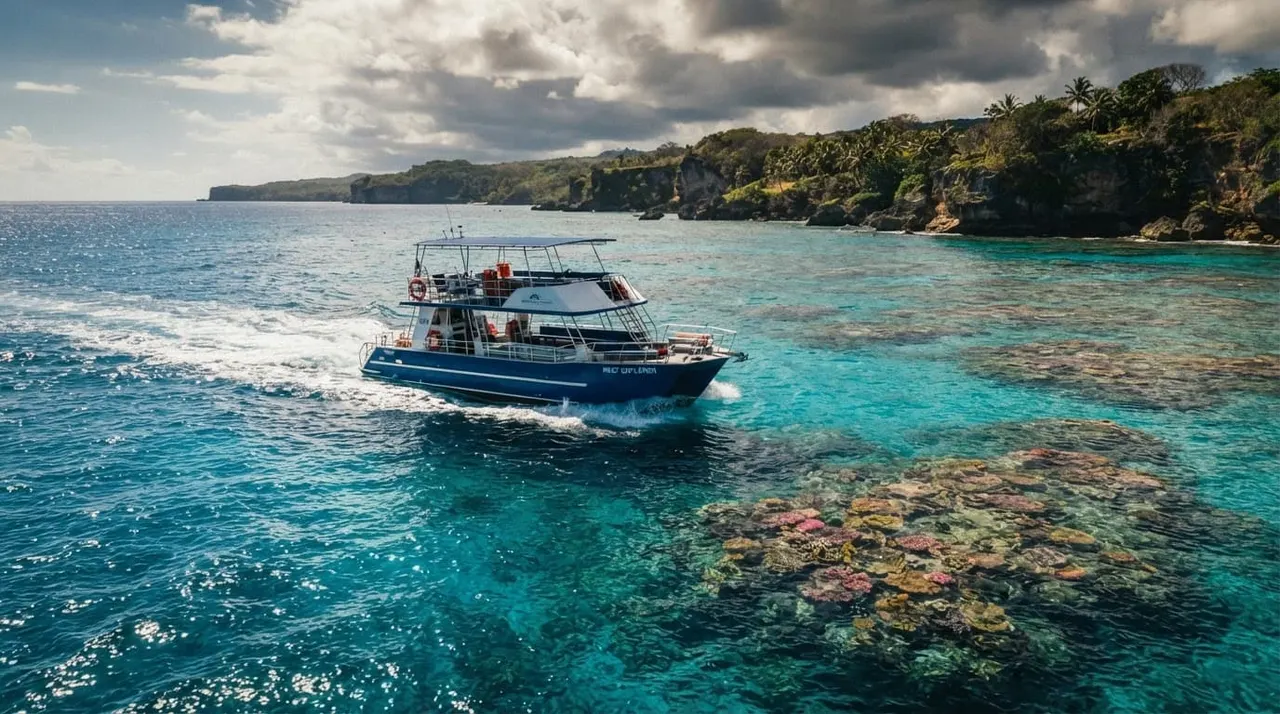
If you want to compare available ocean experiences after your recovery, you can check the current schedule here:
You can also read recent guest feedback before booking:
When your surgeon has approved ocean swimming and you feel ready for the water, use the dedicated Turtle Canyon booking option:
Let your eyes set the schedule
Turtle Canyon snorkeling can be a memorable part of your Oahu vacation, but clear vision alone doesn’t decide when you should go. Wait for direct medical clearance, protect your eyes from water and glare, and choose a mask and boat routine that limit rubbing and unnecessary pressure.
With the right timing, professional guidance, and respectful wildlife practices, you can enjoy the reef without turning your recovery into a gamble. The best day to see a sea turtle is the day your eyes are ready for the ocean.


