
Turtle Canyon Snorkeling During Vog: Visibility Tips
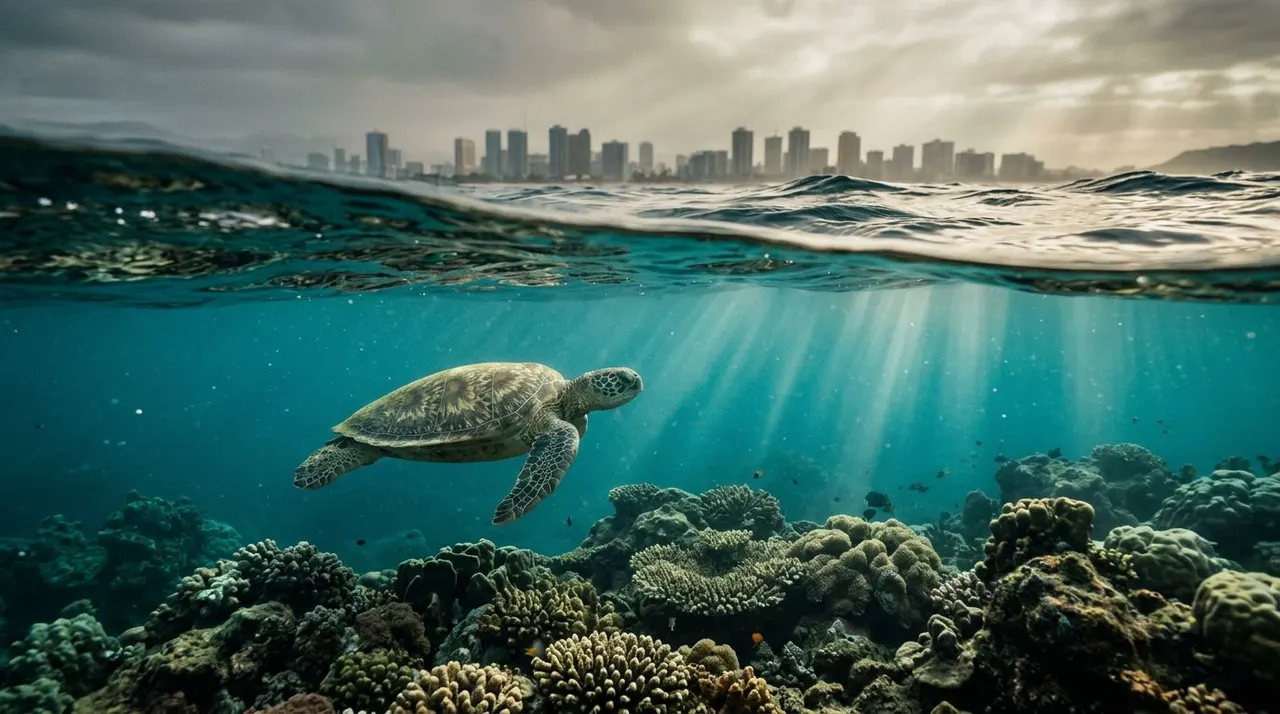
Vog can turn a clear Honolulu morning hazy, but it doesn’t automatically cancel your turtle canyon snorkeling plans. The bigger concern is breathing comfortably while you swim, especially if volcanic smog irritates your eyes, throat, or lungs.
At Turtle Canyon, underwater visibility depends on more than the sky above you. Wind, waves, recent rain, sunlight, and surface conditions all affect what you see below. With the right checks and a relaxed pace, you can make a safer decision before entering the water.
Key Takeaways
- Vog usually affects the air above the water more than the ocean itself.
- Heavy haze can reduce contrast and make surface navigation harder.
- Check current air-quality reports before strenuous outdoor activity.
- Slow breathing, frequent surface breaks, and a well-fitted mask improve comfort.
- If you have asthma or another respiratory condition, ask your doctor about snorkeling during vog conditions.
What Vog Means for Turtle Canyon Snorkeling
Vog is volcanic smog created when sulfur dioxide and other volcanic emissions react with sunlight, oxygen, and moisture. Kilauea produces the emissions, while wind carries the resulting haze across parts of the Hawaiian Islands.
Because Turtle Canyon sits off Waikiki on Oahu, it is far from Kilauea on the Big Island. Oahu generally doesn’t experience the same sulfur dioxide levels found near the volcano. However, regional haze can still affect the horizon, sunlight, and the way the ocean looks from the boat.
Vog doesn’t directly contaminate the ocean in the way many visitors fear. The main snorkeling concern is air exposure, especially when you breathe harder during swimming. Exercise increases your breathing rate, so you take in more air while moving through the water.
People with asthma, COPD, bronchitis, heart disease, or other respiratory conditions need extra caution. Children, older adults, pregnant guests, and anyone sensitive to air pollution may also react more quickly. Symptoms can include coughing, chest tightness, wheezing, throat irritation, shortness of breath, dizziness, and eye discomfort.
Before you leave your hotel, check the current vog air-quality data. You can also review AirNow guidance for Hawaii visitors, which recommends limiting outdoor exertion when air quality becomes unhealthy.
How Vog Can Change Underwater Visibility
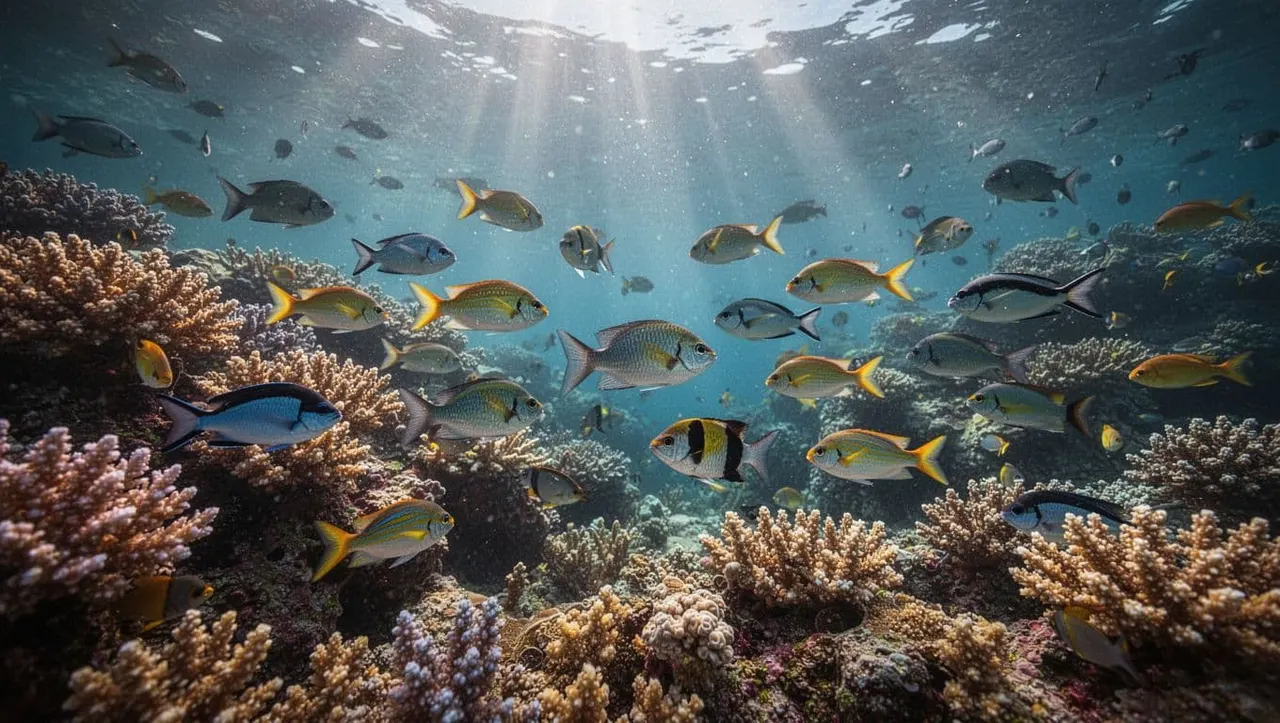
A hazy skyline doesn’t always mean poor visibility below the surface. Vog can make distant objects appear gray or blue, reduce the sharpness of the horizon, and soften sunlight. Those changes matter when you’re trying to spot a turtle from the boat or locate your group after a surface break.
Underwater visibility follows a different set of conditions. Wind pushes surface chop across the reef. Strong waves can stir sand and sediment. Heavy rain may wash material toward the coast, while changing currents can affect water clarity near the canyon. Bright sunlight usually improves the color and contrast of reef fish, but thick haze can make the water appear darker.
The surface can also create glare. When you look down from the boat, a bright reflection may hide details beneath the water. Once your mask is submerged, the view may look clearer than it did from above.
For that reason, don’t judge the entire snorkeling experience by the distant view of Diamond Head or the Waikiki skyline. Ask the crew about conditions at Turtle Canyon itself. Local guides monitor what they see on the water and can explain whether haze is affecting the reef, the boat ride, or only the distant scenery.
A good mask fit makes a major difference. Water leaking into your mask forces you to stop, clear it, and breathe harder. Before entering the water, press the mask gently against your face without using the strap. Inhale through your nose. If the mask stays in place briefly, the seal is likely suitable.
Use a proper defogging solution before you enter. A fogged lens can look like poor water visibility, but the problem may be condensation inside your mask. Keep your face relaxed and avoid overtightening the strap, which can create leaks around your temples.
Vog may blur the horizon while the reef remains clear enough for fish and turtles. Check the water, not only the skyline.
Breathing Tips for Comfortable Snorkeling in Vog
The easiest way to make snorkeling harder is to begin too quickly. Once you enter the water, slow your kick and let the snorkel handle your breathing. Your face stays in the water while you breathe through the tube, so a calm rhythm helps you conserve energy.
Start with a short acclimation period near the boat. Float, test your mask, and take several easy breaths before swimming toward the reef. If your breathing feels forced, return to the ladder and tell the guide. You don’t need to prove anything by pushing through discomfort.
Use these practical habits during turtle canyon snorkeling:
- Swim at an easy pace. Avoid racing toward wildlife or covering more distance than necessary. Slow fin strokes reduce your breathing workload.
- Take regular surface breaks. Lift your head, rest near the boat or a flotation aid, and breathe normal air before continuing.
- Keep the snorkel clear. If water enters the tube, rise calmly and use the clearing technique taught by your guide. Don’t panic or gasp.
- Stay hydrated. Drink water before the tour, especially after time in the sun. Dehydration can make fatigue and rapid breathing worse.
- Avoid smoking and secondhand smoke. Irritated airways can react more strongly to vog and exercise.
- Carry prescribed medication. If you use an inhaler, keep it accessible and follow your asthma action plan.
Never enter the water if you already have chest tightness, persistent coughing, wheezing, or unusual shortness of breath. Those symptoms deserve attention on land before you add swimming, waves, and saltwater breathing equipment.
If symptoms begin in the water, signal the guide immediately. Stop swimming, hold onto a flotation aid or the boat ladder, and let the crew assist you. Severe breathing difficulty requires urgent medical care.
How to Decide Whether Conditions Are Suitable
Vog conditions can change during the day. A clear morning may become hazier when wind shifts, while a gray-looking skyline may improve after air movement increases. Weather apps can help, but they don’t replace local observations from an operator on the water.
Check four things before your tour:
- Air quality: Look for sulfur dioxide and particle pollution updates.
- Your symptoms: Skip strenuous activity if your eyes, throat, or chest already feel irritated.
- Wind and waves: Rough surface conditions can increase effort and make breathing less comfortable.
- Tour guidance: Ask whether the crew expects normal reef visibility and manageable conditions.
Healthy adults can often swim during light or moderate vog if they feel well. Heavy vog calls for more caution, especially for sensitive guests. When air conditions are poor, reducing strenuous outdoor activity is the safer choice.
Families should watch children closely. A child may not describe chest tightness clearly, and excitement can hide early signs of fatigue. Keep the first swim short, stay close to the guide, and use a flotation device when appropriate.
The same approach works for couples and confident swimmers. Strong swimming ability doesn’t prevent air irritation. Vog affects your breathing system, not your skill level.
Choosing a Guided Turtle Canyon Experience
Living Ocean Tours departs from Kewalo Basin Boat Harbor, a short drive from Waikiki Beach. The company focuses on guided ocean experiences along the Waikiki coastline, including its Turtle Canyons Snorkel Excursion.
The tour reports a 95% success rate for spotting Hawaiian green sea turtles at a natural underwater cleaning station. Wildlife sightings remain part of nature, so you should observe turtles without touching, chasing, or blocking their path. That respectful distance protects the animals and gives you a better view.
Living Ocean Tours is the only tour company with professional snorkel guides. Guides help beginners with equipment, water entry, breathing technique, and safe positioning around the reef. That support matters during vog because you can focus on your comfort instead of trying to manage every detail alone.
The company’s Coast Guard-inspected double-decker vessels include shaded seating, restrooms, dry storage, and sturdy ladders. The Lokahi also has a SeaKeeper stabilization system that reduces rolling while the boat is underway or waiting near the snorkeling area. A steadier boat can make mask adjustments and surface breaks more comfortable for guests who are sensitive to motion.
You can review the Turtle Canyons Snorkel Excursion before booking. For current departure times and conditions, check availability below.
What to Pack for a Vog-Aware Snorkel Trip
Pack reef-safe sunscreen, a reusable water bottle, a swimsuit, and a light cover-up for the boat ride. Sunglasses can reduce glare while you wait on deck, although you should remove them before entering the water.
If you have sensitive eyes, bring sunglasses that wrap comfortably around your face. Saline eye drops may help with mild irritation, but follow medical advice if you have an existing eye condition.
Guests with respiratory conditions should bring prescribed medication and tell the crew before departure. You may also want a well-fitting mask of your own if rental equipment often leaks or fogs for you.
Don’t rely on a cloth face covering to protect you from vog during strenuous activity. The most useful steps are checking conditions, reducing exertion, and staying indoors when air quality becomes poor.
Most importantly, give yourself permission to sit out a swim if your body feels wrong. You can still enjoy the boat ride, coastline, and reef views without forcing yourself into the water. A good tour operator can help you choose the safest option for the conditions.
Conclusion
Vog doesn’t automatically make Turtle Canyon off-limits, but it changes how you should plan. Check air quality, pay attention to wind and surface conditions, and treat breathing comfort as seriously as underwater visibility.
During turtle canyon snorkeling, keep your pace relaxed, clear your mask before problems build, and tell your guide about any breathing concerns. Clear communication and respectful wildlife viewing give you the best chance to enjoy Hawaii’s reef without pushing beyond your limits.


