
Turtle Canyon snorkeling for Motion Sickness
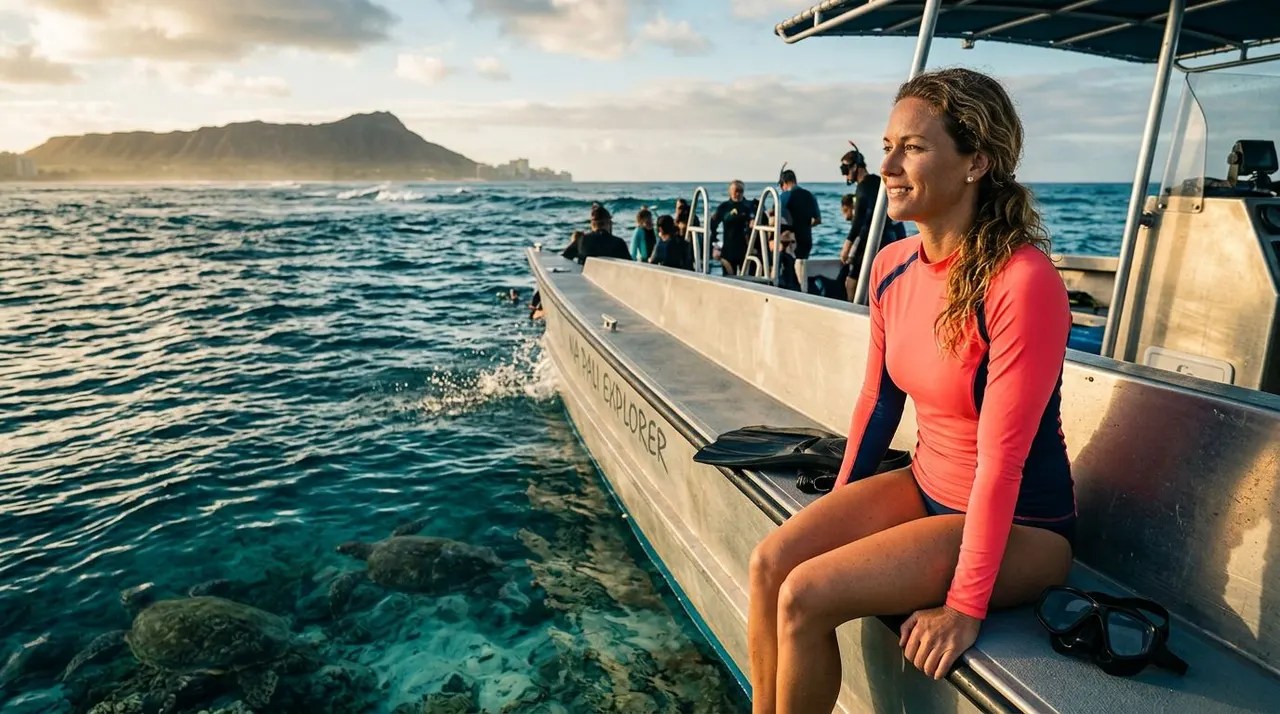
A boat day can sound perfect until the first swell turns your stomach. If you are prone to motion sickness, Turtle Canyon snorkeling can still be an enjoyable Oahu experience when you choose the right vessel, prepare early, and tell the crew what you need.
The goal is to reduce discomfort before nausea starts. A stable boat, fresh air, a clear horizon, and professional guidance can make the ride easier, especially for first-time snorkelers and families. Start with the boat, then plan your food, medication, and time in the water.
Key Takeaways
- Choose a vessel with stabilization and comfortable outdoor seating.
- Eat a light meal, drink water, and avoid alcohol before departure.
- Sit near the boat’s center, face forward, and keep your eyes on the horizon.
- Tell the crew about motion sickness before leaving Kewalo Basin.
- Signal early if you feel unwell, then follow the guide’s instructions.
Why Boat Choice Matters for Turtle Canyon Snorkeling
Motion sickness often begins when your eyes see one movement while your inner ear senses another. Looking down at the water, reading, or staying inside a moving cabin can make that mismatch worse. A boat that rolls less gives your body fewer conflicting signals to process.
Living Ocean Tours departs from Kewalo Basin Boat Harbor, a short drive from Waikiki Beach. Its Coast Guard-inspected double-decker vessels include the Lokahi, which has a SeaKeeper stabilization system designed to reduce side-to-side rolling. The boat also has shaded seating, open deck areas, restrooms, dry storage, and sturdy ladders for water entry.
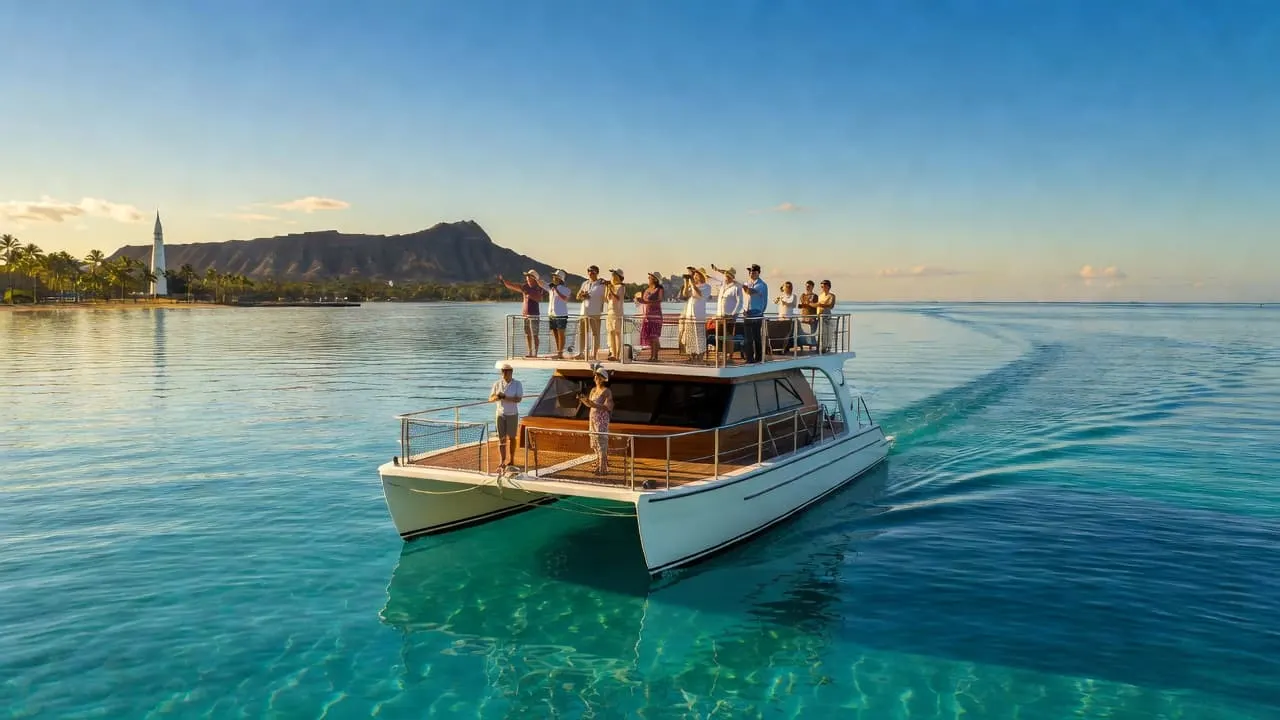
If you are sensitive to movement, ask the crew where to sit before the boat leaves the harbor. A lower, central position usually feels steadier than the highest point at the back. Outdoor seating also helps because you can see the horizon and get direct airflow.
The experience includes guidance from what Living Ocean Tours describes as the only tour company’s professional snorkel guides. That matters when you feel uncertain. You can ask for help with your mask, fins, entry ladder, and return to the boat without trying to manage everything alone.
You can browse Living Ocean Tours’ Oahu boat tours to compare the available ocean experiences. For a general overview of preparation, this small-boat seasickness guide also covers basic timing, hydration, and seating advice.
Prepare Before You Leave Waikiki
Your choices before boarding can affect the entire trip. Arrive having eaten something light, such as toast, rice, fruit, or another familiar food. An empty stomach can feel uncomfortable on the water, while a heavy, greasy meal may make nausea more likely.
Drink water throughout the morning, but avoid consuming a large amount right before departure. Alcohol can worsen dehydration and affect your balance, so skip it before snorkeling. Save celebratory drinks for after you return to shore.
If you already use an over-the-counter motion sickness product, follow the label directions and check the timing with a pharmacist or doctor. Some products can cause drowsiness, blurred vision, or dry mouth. You should also ask about interactions with other medicines and whether a product is appropriate for you.
Do not wait until the boat begins moving if you know you are sensitive. Medication often works better when taken before symptoms appear, but the correct timing depends on the product and your health history. A pharmacist can give you the safest advice.
Pack only what helps you stay comfortable:
- Water and a light snack
- Sunglasses and a hat
- Reef-safe sunscreen
- A small towel
- Any medication you have discussed with a healthcare professional
Keep your eyes up during the ride. Looking at the Waikiki shoreline or distant horizon gives your vision a stable reference. Avoid reading your phone, staring at the deck, or watching the water immediately beside the boat.
If you start to feel warm, sweaty, dizzy, or unusually tired, tell a crew member at once. Early symptoms are easier to manage than severe nausea. Fresh air, a forward-facing seat, and a short rest can make a noticeable difference.
What to Do During the Turtle Canyon Boat Ride
The ride to Turtle Canyon is part of the experience, but you do not need to sit through discomfort in silence. Let the crew know about your motion sensitivity during check-in. They can help you choose a seat and explain how to signal for assistance.
Face the direction the boat is traveling when possible. Keep your head still, relax your shoulders, and focus on a distant point. Slow breathing can also help if you feel anxious about becoming sick. Breathe steadily rather than taking quick, shallow breaths.
When the boat reaches the snorkeling area, move carefully. Stand only when the crew gives you permission, hold the rail with one hand, and avoid sudden turns. The guides can help you use the ladder and adjust your gear before you enter the water.
Once you begin snorkeling, stay within the guide’s instructions. Smooth breathing through your snorkel reduces panic and helps you conserve energy. If waves make you uncomfortable, keep your face out of the water for a moment, regain your breathing, and tell the guide whether you want to continue.
The Turtle Canyon Snorkel Excursion includes approximately two hours on the tour, with about one hour of in-water snorkeling. That structure gives you time to settle on the boat before entering the water. The company reports a 95% success rate for spotting Hawaiian green sea turtles at a natural underwater cleaning station.
You can see turtles, reef fish, and other marine life without touching or chasing anything. Keep a respectful distance, never grab a turtle, and avoid standing on coral. Hawaii’s reef environment needs careful treatment from every visitor.
Motion sickness is easier to manage when you report it at the first sign, not after you already feel severely ill.
If you need to return to the boat, communicate clearly. A guide can help you exit safely, find a comfortable seat, and decide whether a short break is enough. You never need to prove that you can stay in the water.
Is Turtle Canyon Snorkeling Right for You?
Motion sensitivity does not automatically rule out a snorkeling trip. Your comfort depends on several factors, including the day’s weather, your personal history, your preparation, and the boat’s stability. If small ferries or cars make you sick, plan carefully rather than assuming you must skip the ocean.
A guided trip is often easier than an independent outing because you have help with every stage. You do not need to manage navigation, choose a reef, carry heavy gear, or judge when it is safe to enter the water. Living Ocean Tours supplies snorkeling equipment and uses professional snorkel guides to support guests of different skill levels.
Families should tell the crew if a child has experienced motion sickness before. Keep children where they can see outside, offer small sips of water, and avoid a large breakfast before boarding. Young swimmers should stay close to an adult and follow all crew instructions.
You can also choose to enjoy the boat without snorkeling for the entire session. Sit in the shade, watch the coastline, and re-enter the water only if you feel steady. The crew can help you make that decision without pressure.
For guests with severe or frequent symptoms, speak with a healthcare professional before booking. Persistent vomiting, fainting, chest pain, trouble breathing, or confusion requires prompt medical attention. A tour crew can assist with comfort and safety, but it cannot replace medical care.
If you are ready to compare timing and available dates, see the Turtle Canyon Snorkel Excursion before your trip.
A Comfortable Plan for Your Ocean Day
Build your day around comfort instead of rushing to the marina. Eat a light breakfast, hydrate, use any approved medication at the recommended time, and arrive with enough time to speak with the crew.
During the ride, choose an outdoor seat with a view of the horizon. Keep your phone away, avoid looking straight down, and move slowly when the boat stops. If symptoms appear, tell a guide immediately and take a break.
Once you enter Turtle Canyon, focus on calm breathing and gentle movement. Let the guide point out turtles and reef life while you observe from a respectful distance. You can enjoy the underwater view without swimming hard or staying in the water longer than feels comfortable.
A good plan also includes flexibility. The ocean changes, and your body may need more time than expected. A successful day can include a shorter snorkel, a peaceful rest on deck, or simply seeing the coastline from a stable boat.
Conclusion
Turtle Canyon snorkeling can work well for guests prone to motion sickness when preparation starts before boarding. Choose a stable vessel, sit where you can see the horizon, eat lightly, and tell the crew about your needs early.
With professional guidance and a steady approach, you can spend less energy worrying about nausea and more time appreciating Hawaii’s clear water and green sea turtles. Comfort comes first, and the best ocean memories begin with a plan that respects your body.


