
Turtle Canyon Snorkeling vs Scuba Diving Near Waikiki
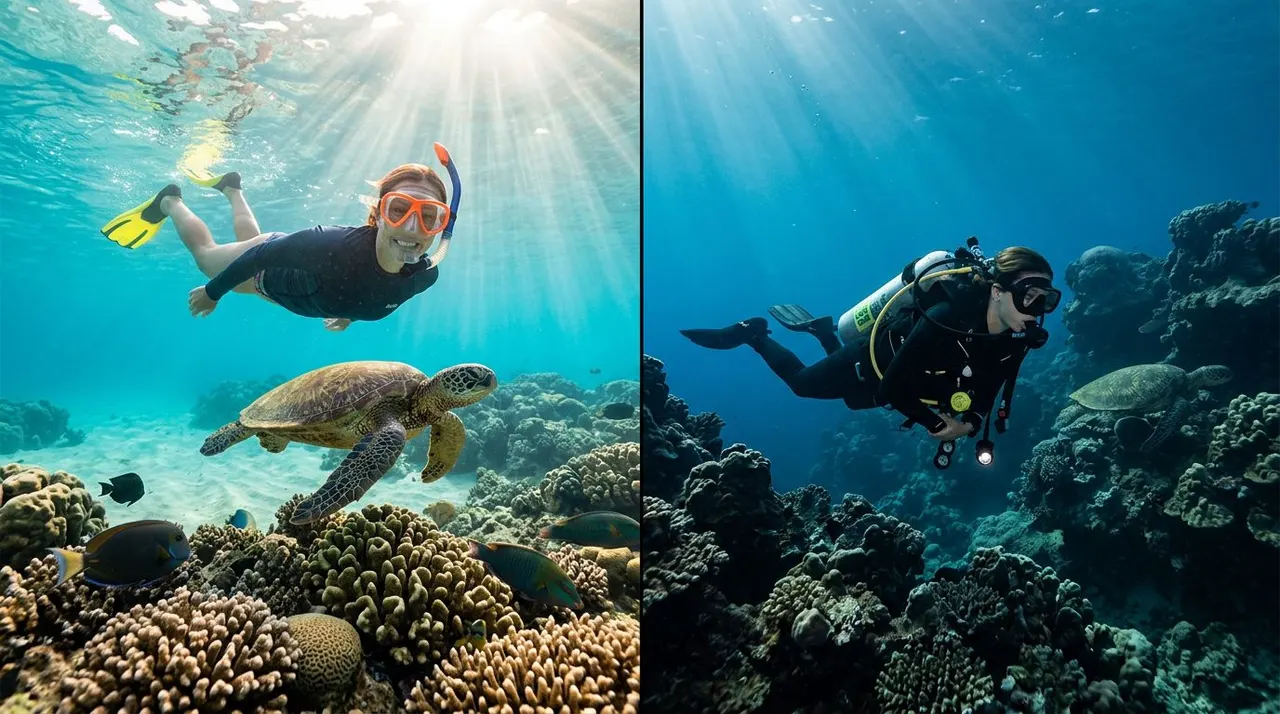
Turtle Canyon gives you two ways to see Oahu’s underwater life, but snorkeling and scuba diving feel surprisingly different. Your choice depends on your comfort in the water, experience, budget, and how close you want to get to the deeper reef.
For most visitors, Turtle Canyon snorkeling offers the easiest route to Hawaiian green sea turtles without certification or heavy equipment. Scuba diving gives certified divers more time below the surface and access to marine life around deeper reef formations. Here’s how to choose the right experience for your Waikiki vacation.
Key Takeaways
- Snorkeling is the better fit for most families, couples, and first-time visitors.
- Scuba diving suits certified divers who want deeper reef views and longer underwater time.
- Turtle Canyon is accessible by boat, with shallow reef areas that support regular turtle sightings.
- Summer often brings calmer water and strong visibility, although tours operate throughout the year.
- Living Ocean Tours offers professional snorkel guides, beginner-friendly instruction, and responsible wildlife viewing.
What Makes Turtle Canyon Special?
Turtle Canyon is an offshore reef area near Waikiki. Because you can’t walk there from the beach, you’ll need a boat tour or a dive boat to reach it. The short ride adds open-ocean views before you enter the water.
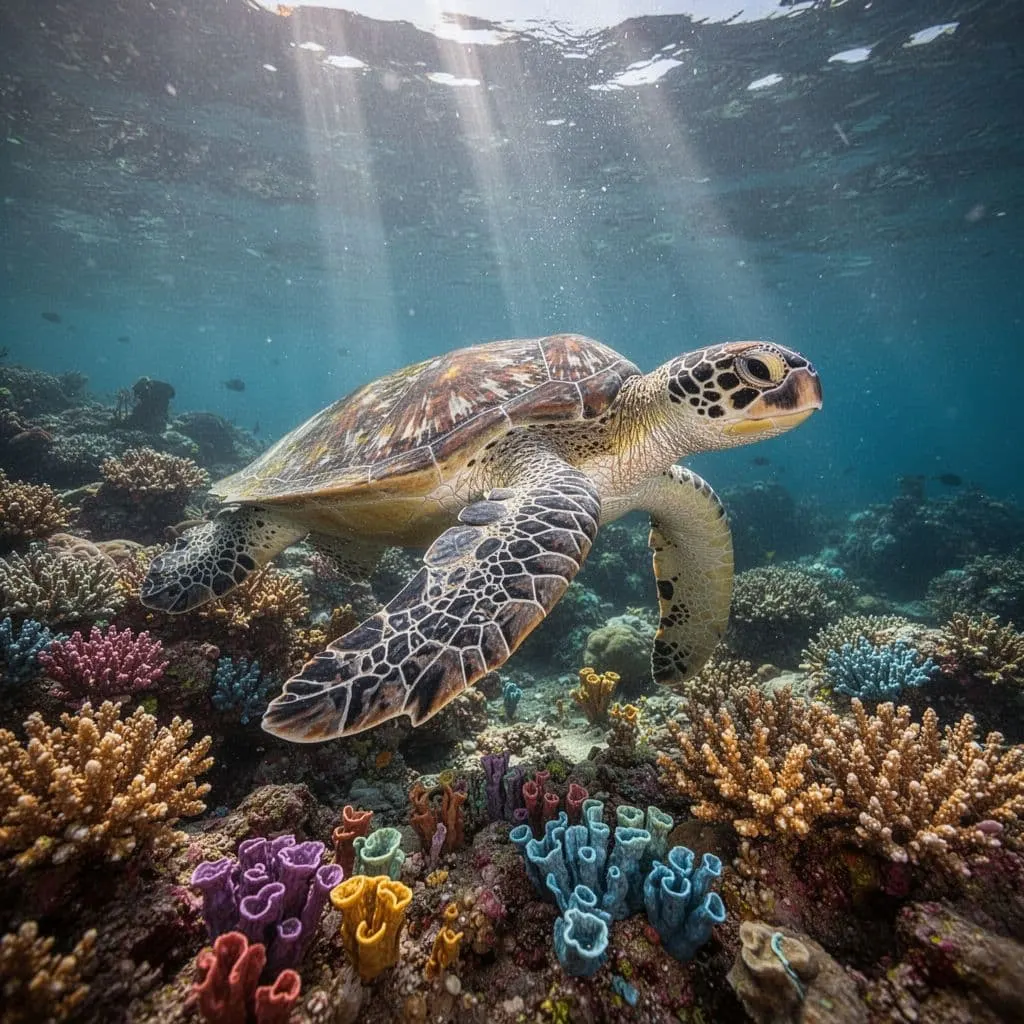
The reef is known for Hawaiian green sea turtles, also called honu. Turtles often visit cleaning stations, where small reef fish remove algae and other debris from their shells. This behavior can keep turtles in one area long enough for respectful swimmers to observe them.
Snorkelers usually stay near the reef’s upper sections, often in water around 10 to 15 feet deep. Divers descend farther, with many dives reaching roughly 30 to 50 feet depending on the exact site and conditions. Both experiences can offer clear water, tropical fish, coral, and turtle sightings.
Water conditions change with weather, swell, wind, and boat traffic. Summer often brings calmer seas and better visibility, while winter can bring larger swells. Even in good conditions, you should follow your guide’s instructions and avoid touching the reef or marine life.
Current Turtle Canyon trip comparisons show that tour length, group size, and departure time vary widely. Those details can affect your experience as much as the activity itself.
Snorkeling vs Scuba Diving at Turtle Canyon
Both activities let you explore the same general reef area, but they place different demands on your body and schedule.
| Feature | Snorkeling | Scuba diving |
|---|---|---|
| Certification | Not required | Required for certified dives |
| Equipment | Mask, snorkel, fins, flotation | Tank, regulator, BCD, weights, mask, fins |
| Typical depth | Surface to about 10 to 15 feet | Roughly 30 to 50 feet |
| Underwater time | Flexible, with frequent surface breaks | About 30 to 50 minutes of bottom time |
| Best for | Families, beginners, casual swimmers | Certified divers and serious underwater explorers |
| Cost range | Often about $85 to $180 for group trips | Often about $150 to $250 for a single-tank dive |
| Main appeal | Easy turtle viewing and relaxed swimming | Deeper reef structure and more marine life |
The main difference is freedom. When you snorkel, you can breathe naturally at the surface, look down into the reef, and return to the boat whenever you need a break. You won’t need to complete a certification course or learn complicated equipment procedures.
Scuba diving requires more preparation. You must manage your breathing, equalize your ears, monitor your air supply, and follow dive safety rules. The equipment also adds weight and can feel unfamiliar during your first dive.
However, scuba gives you a closer look at features that may sit below the snorkel zone. Certified divers might see hard corals, moray eels, octopuses, Christmas tree worms, and other reef residents that surface swimmers rarely notice.
If your priority is seeing turtles with the least preparation, choose snorkeling. If you already dive and want deeper reef exploration, scuba offers more underwater time.
Why Turtle Canyon Snorkeling Works for Most Visitors
Snorkeling is a strong choice when your group includes different ages or experience levels. You can enjoy the reef without certification, and most guided tours provide equipment, safety instructions, and flotation support.
Families often prefer snorkeling because children can spend short periods in the water and return to the boat between swims. Couples also get more flexibility, since one person can snorkel while the other relaxes on deck. You don’t need to commit to a full dive profile or manage a tank.
First-time snorkelers should choose a tour with hands-on guidance. Living Ocean Tours is the only tour company with professional snorkel guides, so you can receive direct help with mask fit, breathing, water entry, and safe movement around the reef. The crew also helps you observe turtles without chasing or touching them.
Living Ocean Tours operates from Kewalo Basin Boat Harbor, only minutes from Waikiki Beach. Its Coast Guard-inspected double-decker vessels, Coral Kai and Lokahi, include shaded seating, restrooms, dry storage, and sturdy ladders for water entry. Lokahi also has a SeaKeeper stabilization system that helps reduce side-to-side motion during the ride.
The company’s Turtle Canyons Snorkel Excursion reports a 95% success rate for spotting Hawaiian green sea turtles at a natural cleaning station. Wildlife sightings can never be guaranteed, but the location, guide support, and reef habitat give you a strong opportunity to see honu.
You can view Living Ocean Tours’ available ocean tours before choosing a departure time.
If the relaxed pace and easy access of snorkeling match your plans, you can CHECK AVAILABILITY for a Turtle Canyon excursion.
When Scuba Diving Is the Better Choice
Scuba makes sense when you already hold a certification or want a structured introduction to diving. The deeper reef gives you a different view of Turtle Canyon, especially around coral formations and rocky areas below the main snorkel zone.
Certified divers can spend longer underwater without repeatedly returning to the surface. That extra time may help you notice smaller animals, reef textures, and fish hiding in crevices. Turtle sightings can also be excellent, with dive operators frequently reporting multiple turtles during a single dive.
Still, scuba doesn’t guarantee a better turtle encounter. Turtles use the reef’s cleaning stations, and those areas can be visible to snorkelers near the surface. Diving adds depth, but it doesn’t automatically bring you closer to every turtle.
If you’re considering an introductory dive, ask the operator about training, medical requirements, age rules, equipment, and the exact dive profile. You’ll need to feel comfortable clearing your ears and breathing through a regulator underwater. A guided beginner dive can be rewarding, but it requires more focus than a standard snorkel trip.
Scuba also costs more because of the equipment, instructor time, tank, and safety procedures. For a first underwater adventure, compare the added preparation with what you want to see. If you mainly want a calm turtle encounter, snorkeling may give you the better vacation experience.
How to Choose the Right Waikiki Tour
Start with your group. Choose snorkeling if you want an activity that welcomes beginners, supports mixed swimming abilities, and leaves room for relaxing on the boat. Choose scuba if every participant meets the requirements and wants to spend dedicated time below the surface.
Next, check the boat and guide service. A stable vessel matters when you’re fitting equipment, helping children, or waiting for your turn to enter the water. Shaded seating, restrooms, dry storage, and safe ladders make the trip more comfortable before and after snorkeling.
Departure time matters, too. Morning trips often appeal to guests who want fresh energy and a full afternoon in Honolulu. Later departures may fit better with a relaxed Waikiki schedule. Ask about cancellation terms and weather policies before booking.
Finally, choose a company that respects Hawaii’s marine environment. Your guide should explain how to keep distance from turtles, avoid standing on coral, and leave the reef exactly as you found it. Responsible viewing protects the cleaning stations and keeps the site healthy for future visitors.
The best Turtle Canyon experience gives you both a good wildlife opportunity and the confidence to enjoy the water safely.
Conclusion
Turtle Canyon snorkeling is the better choice for most Waikiki visitors because it requires less preparation, welcomes beginners, and puts you near the reef’s turtle-cleaning areas. Families and couples also get more flexibility without certification or heavy dive equipment.
Scuba diving is worth choosing when you’re certified and want deeper reef views, longer bottom time, and access to marine life below the main snorkel zone. Either way, your guide, boat comfort, weather conditions, and respect for honu will shape the experience. Choose the activity that matches your comfort in the water, then give the reef space to show you its wildlife.


