
Turtle Canyon Snorkel Full-Face Mask Rules to Know in 2026
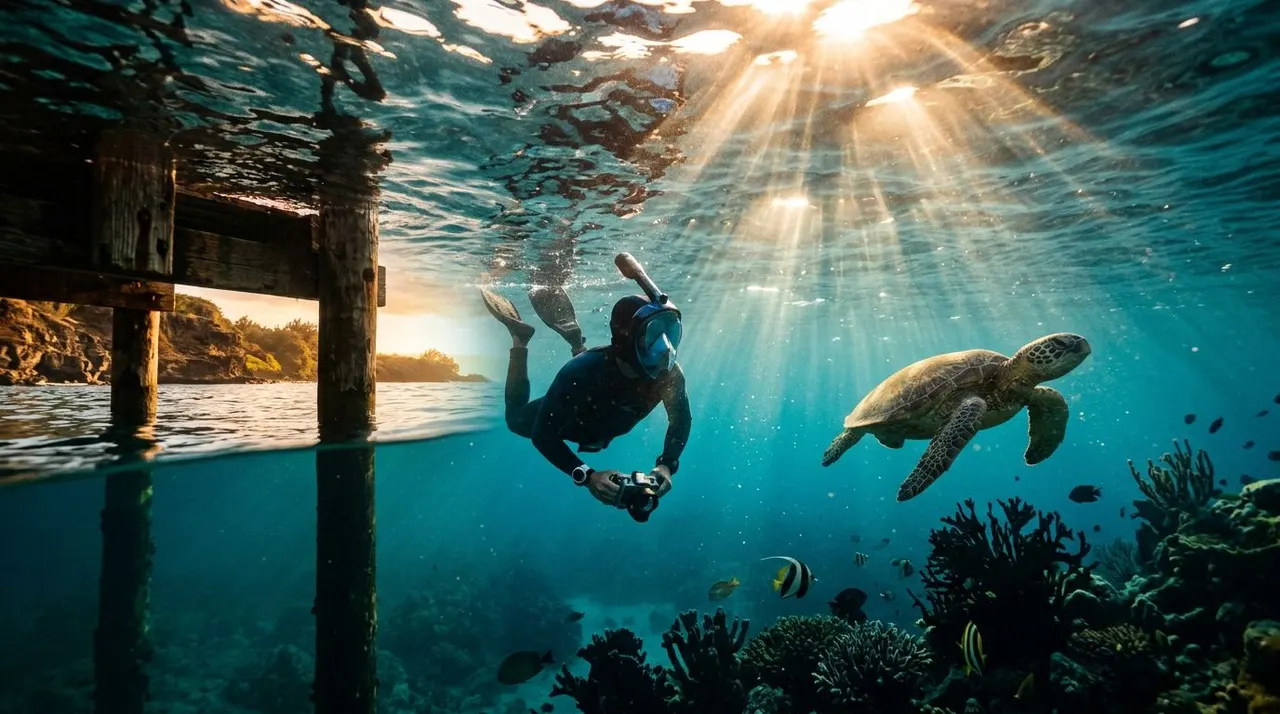
A full-face mask can feel easy until you step onto a Turtle Canyon boat. In 2026, the real question is whether your gear matches the Turtle Canyon snorkel rules, not whether it looks more comfortable in the shop.
Some Hawaii trips allow full-face masks, while others set their own limits for safety, fit, and quick removal. If you’re heading out with your family, your partner, or a mixed group of swimmers, those details matter before you leave the dock.
What the rules mean at Turtle Canyon this year
The current 2026 guidance does not point to a blanket statewide ban in Hawaii. Even so, tour companies can set their own equipment policies, and that is what matters on your trip.
At Turtle Canyon, the safest move is to ask before you board. A crew may allow a full-face mask, but another may prefer a traditional mask and snorkel for easier coaching and faster help in the water.
| Gear choice | Typical Turtle Canyon rule | Why crews care |
|---|---|---|
| Full-face mask | Allowed on some trips, restricted on others | Easier breathing on land, but harder emergency checks |
| Traditional mask and snorkel | Widely accepted | Easier to clear, fit, and remove quickly |
| Snorkel vest | Often encouraged | Adds comfort and confidence for newer swimmers |
The main concerns around full-face masks are breathing resistance, carbon dioxide buildup, and the time it can take to remove the mask if something feels wrong. For a plain-language look at those concerns, see this overview of full-face snorkel mask dangers.
If the crew asks you to switch masks, treat it like a seatbelt rule. It’s about keeping you safe, not limiting your fun.
That is why the Turtle Canyon snorkel rules often focus less on style and more on what the crew can manage fast. A rule that feels strict on the dock can feel very sensible once you are in open water.
Why many crews still steer you toward traditional masks
Traditional masks stay popular for a reason. A two-piece setup gives you a smaller air pocket, and that usually makes it easier to clear water, adjust the seal, and talk to your guide. At Turtle Canyon, that matters because you want your attention on the reef, not on a finicky strap.
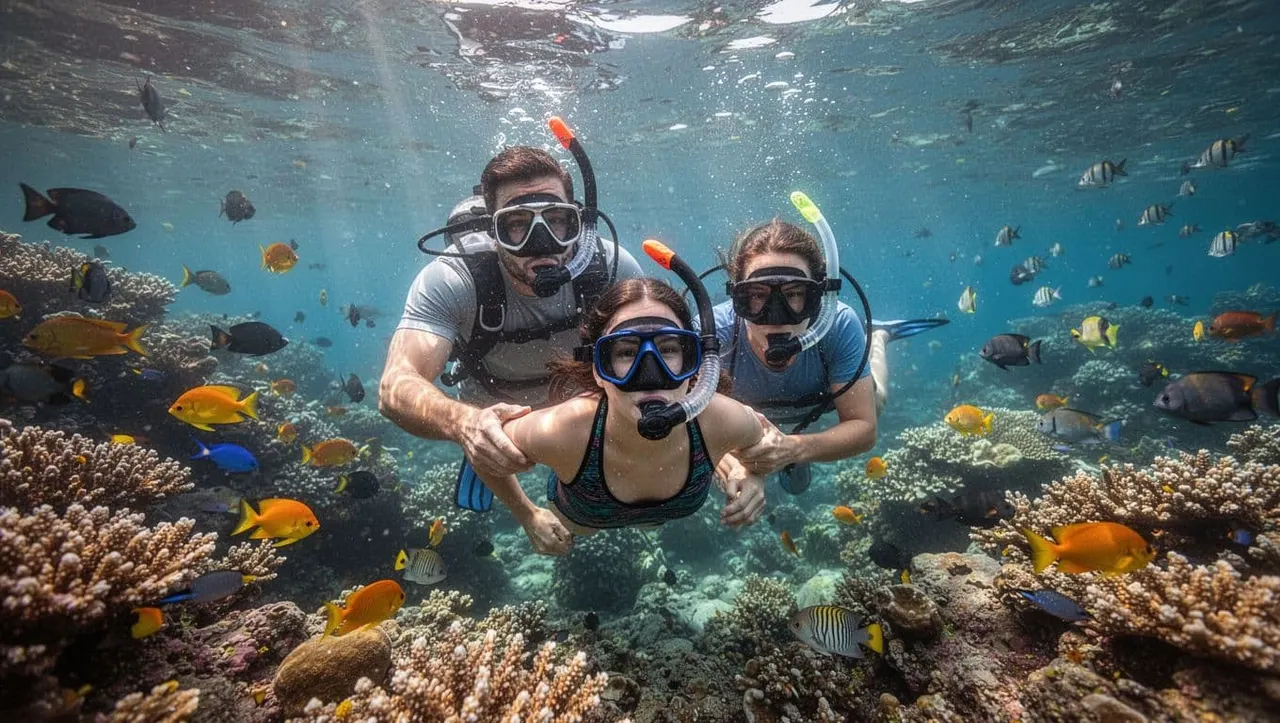
A classic mask also helps the crew spot problems sooner. If your fit is loose, if water leaks in, or if your breathing feels rushed, the guide can step in before you drift too far from the group. That is harder to manage when the mask covers more of your face.
For beginners, that early coaching matters even more. You get a chance to breathe, clear the mask, and settle into the rhythm while the boat is still close. In other words, the setup works with you instead of asking you to adapt on the fly.
A full-face mask can still feel comfortable for some people, especially on calm water. Still, comfort on dry land is not the same as comfort in motion. Once you are floating, turning, and watching the current, a gear choice that seems simple can start to feel less simple.
If you want the safest and easiest path, traditional gear usually wins at Turtle Canyon. It gives the crew more control, and it gives you a clearer first snorkel.
How Living Ocean Tours handles Turtle Canyon safety
Living Ocean Tours operates from Kewalo Basin Boat Harbor, just minutes from Waikiki Beach in Honolulu. On a Turtle Canyon trip, that location gives you a fast launch into calm, clear water, and it keeps the day easy from the start.
The company is the only tour company with professional snorkel guides, and that matters when you want real help with mask fit, breathing, and comfort. On the Turtle Canyons Snorkel Excursion, the crew gives clear direction before anyone enters the water. That helps beginners, families, and cautious swimmers feel settled.
Living Ocean Tours also keeps the wildlife rules simple: observe, not touch. Hawaiian green sea turtles are protected, and Turtle Canyon is a place to watch them, not chase them. The same goes for the reef. A clean encounter is a better encounter.
The company’s professional guidance is one reason many first-time snorkelers feel more relaxed on the boat. You are not left guessing about straps, fins, or how to float. You get direct help, and that makes the whole trip feel smoother.
If you are ready to lock in a date, use the booking button below.
That kind of setup gives you clear expectations before you ever reach the ladder. It also helps you avoid last-minute gear stress, which is the fastest way to turn a fun snorkel into a frustrating one.
What to ask before you book
A few direct questions can save you a lot of guesswork. You do not need a long checklist, only the right ones.
- Do you allow full-face masks on this Turtle Canyon trip?
- Do you provide traditional mask and snorkel gear?
- Can the crew help test my fit before we enter the water?
- Are snorkel vests available for nervous swimmers or children?
If you are booking for kids, ask about sizing early. Small faces can be tricky to fit, and a mask that seems fine on shore may leak once the boat moves. A quick fit check is worth more than a rushed start.
You should also be honest about your own comfort level. If you have not snorkeled much, or if you have only used a full-face mask at a beach, say so. The crew can steer you toward the gear that matches your experience.
That matters because Turtle Canyon is not a place where you want to fight your equipment. You want to see turtles, watch the reef, and stay relaxed. The right gear supports that from the first minute.
What to remember before you head out
The simplest answer to the Turtle Canyon snorkel rules in 2026 is this: ask first, wear what the crew allows, and choose the mask that gives you the cleanest, easiest breathing. There may be no statewide Hawaii ban, but the boat’s policy is what counts on the day you snorkel.
If you keep your gear simple, listen to the crew, and respect the reef, Turtle Canyon becomes what you wanted in the first place, a calm look at Hawaiian green sea turtles in their own home. The best snorkel days usually start with clear rules and end with a memory that feels easy to carry home.


