
Turtle Canyon Snorkel Tips for Neck Pain
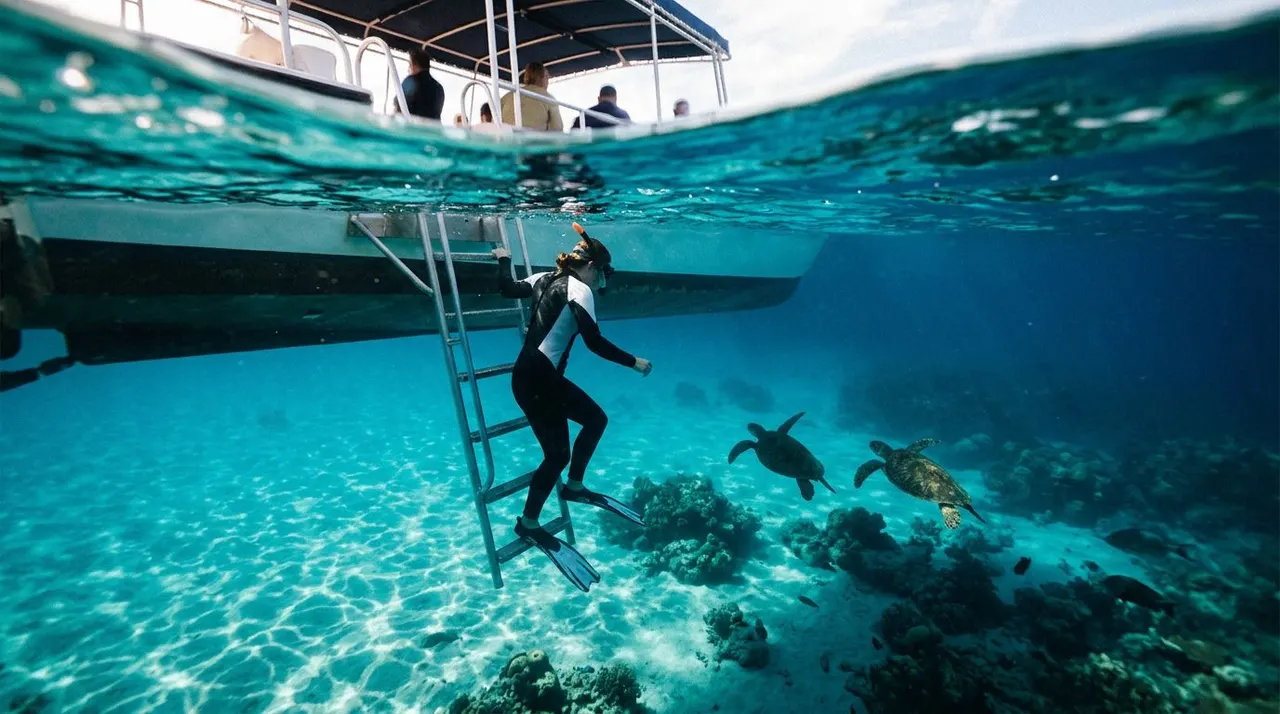
Neck pain doesn’t have to cancel a Turtle Canyon snorkel. With the right boat, the right pace, and a few smart adjustments, you can still enjoy clear water, Hawaiian green sea turtles, and a trip that feels manageable instead of punishing.
Living Ocean Tours runs out of Kewalo Basin Boat Harbor, minutes from Waikiki, so you don’t waste energy on a long transfer before you ever hit the water. If you want to scan the bigger picture first, the full tour lineup gives you a quick look at the options.
Key Takeaways
- Neck pain often gets worse when you hold your head up too long or twist fast to look around.
- A Turtle Canyon snorkel works best when you choose a stable boat, tell the crew about your limits, and keep your body relaxed.
- Living Ocean Tours adds shaded seating, restrooms, dry storage, easy ladders, and SeaKeeper stabilization on the Lokahi.
- The crew is the only tour company with professional snorkel guides, so you get more coaching and less guesswork.
- If your pain is sharp, recent, or reaches your arm, skip the water and get cleared first.
Why Turtle Canyon Is a Smart Pick When Your Neck Hurts
A short boat ride matters more than most people think. The less time you spend bouncing around before you snorkel, the less likely your neck is to tighten up before the fun even starts. Turtle Canyon is close enough to Waikiki that you can keep the day simple, which is a big win when you want to protect your body.
The reef itself also helps. The Turtle Canyons Snorkel Excursion is built around a natural cleaning station, and Living Ocean Tours reports a 95% success rate for spotting Hawaiian green sea turtles there. That means you spend your energy on the part you came for, not on a long search across open water. You can read the exact trip details on the Turtle Canyons Snorkel Excursion page.
Keep one conservation rule in mind the whole time: observe, not touch. When you stay calm and give the turtles space, you protect the reef and reduce the quick head turns that can irritate your neck.
A few neck pain posture tips can help you spot the habits that make your neck flare up before you board. Forward head posture, tight shoulders, and rushed movement all carry into the water if you don’t notice them early.
What to Do Before You Board
Tell the crew about your neck pain as soon as you arrive. That gives them time to help you choose a seat, a boarding path, and a pace that fits how you feel that day. If you use a brace or take doctor-approved medication, bring what you need and follow the directions you already have.
Your best prep is simple. Keep your neck in a neutral line, pack light, and avoid the kind of hustle that makes your shoulders climb toward your ears. A small towel or rolled shirt can help you rest more comfortably during the ride out.
If your neck pain is sharp, recent, or travels into your arm, skip the snorkel and get medical clearance first.
A short packing list also helps you stay relaxed:
- a small towel for shoulder support
- sunglasses and a hat for the boat ride
- any medication your doctor already approved
- a dry change of clothes for after the tour
That kind of planning sounds ordinary, but it pays off fast. Neck pain often gets worse when you start the day tense and rushed. If you give yourself a calmer start, the rest of the outing usually feels easier too.
How to Stay Comfortable in the Water
Once you’re in the water, keep your movements slow and deliberate. The easiest rule is to stop lifting your head unless you need to look around. Let the snorkel do the work, keep your face down, and turn your whole body instead of cranking your neck.
Your shoulders matter as much as your neck. When your upper body tightens, your head follows. Long, easy kicks usually feel better than forceful ones, because they let you float instead of fight the surface. Think smooth, quiet motion, not speed.
If you want a deeper look at why that matters, swimmer neck strain exercises show how much a neutral head position can help. The same idea applies here. A snorkel lets you breathe without repeated head lifts, which is one reason it often feels friendlier than swimming face-up.
A few habits make the biggest difference:
- stay close to the guide so you don’t have to keep scanning
- signal early if your neck starts to tighten
- rest on the boat before pain builds
- use slow, full-body turns instead of quick glances
The reef is easier on your body when you stop trying to control every second of it. If a turtle drifts by, let it drift. If you need to float still for a moment, do that. A comfortable snorkel is usually a slower snorkel, and that’s fine.
Why the Boat and Crew Matter More Than You Think
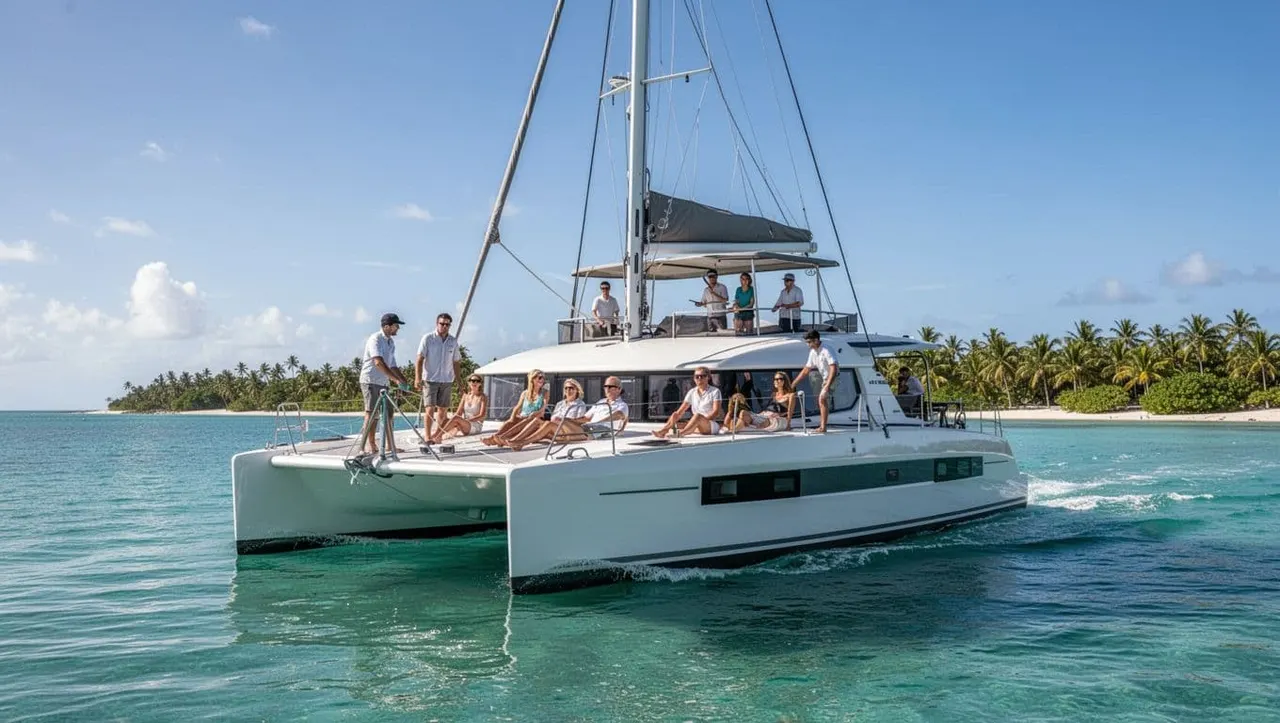
A calm snorkel starts before you touch the water. Living Ocean Tours uses Coast Guard-inspected, custom-built double-decker vessels, and the Lokahi includes a SeaKeeper stabilization system. That steadier ride matters when your neck gets irritated by motion.
The Coral Kai gives you open deck space, while both boats offer shade, restrooms, dry storage, and heavy-duty ladders. Those details sound small until you need to move slowly, stand up carefully, or settle your shoulders after a long swim. Good boat design takes pressure off your neck in ways you notice right away.
You can also see what other guests think before you go.
Living Ocean Tours is the only tour company with professional snorkel guides, so you get more than a boat ride. You get in-water direction, a better read on conditions, and a crew that can help you choose the safest way to enter and exit. That kind of support matters when your neck needs a slower rhythm.
If you feel ready to book, use the button below to check open spots.
Conclusion
A Turtle Canyon snorkel can work when you treat neck comfort as part of the plan, not an afterthought. Choose the steadier boat, keep your head neutral, and speak up before pain builds.
That simple approach gives you a better chance at the part you came for, clear water, turtles, and a day that still feels good on the ride back to shore. When you book with a crew that knows how to help, the ocean feels a lot more welcoming.


