
Turtle Canyon Snorkel Tips for Leg Cramps
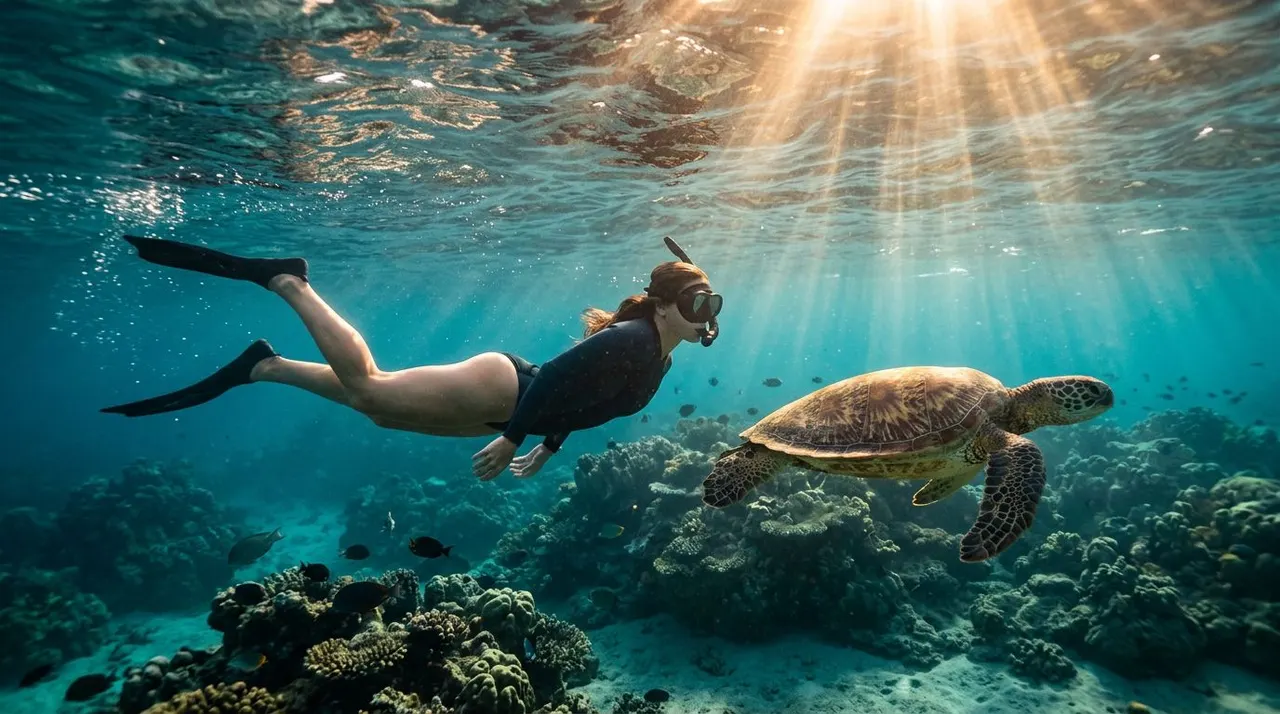
Some snorkelers worry about motion sickness before a trip. You may worry about leg cramps instead. If your calves tighten easily, a Turtle Canyon snorkel can still feel comfortable when you prep the right way and travel with a crew that keeps the pace calm.
Living Ocean Tours operates out of Kewalo Basin Boat Harbor, only minutes from Waikiki Beach, and its guided trips are built for beginners, families, and ocean lovers who want clear direction on the water. The right setup matters when you want turtles in view and pain out of your feet. If you want to compare the lineup first, start with guided snorkeling trips in Waikiki.
Why your calves tighten faster at sea
Your legs work harder in fins than they do in a pool. Each kick extends through the fin, so a small movement asks a lot from your calves, ankles, and arches. If you point your toes too hard or kick from the knee, your lower legs can tense fast.
Heat, sun exposure, dehydration, tight fins, and cold water can all make that worse. So can excitement. Many first-time snorkelers kick harder than they need to because they want to stay in one spot and take everything in at once. That extra effort adds up fast.
Turtle Canyon still works for many cramp-prone visitors because the trip is guided and controlled. You are not swimming across open water. You are following a crew that knows the site, knows the entry, and keeps the pace manageable so your legs do less work.
If you already get cramps while swimming laps, walking long distances, or wearing stiff shoes, snorkeling can bring the same issue to the surface faster. That does not mean you need to skip the reef. It means you should treat leg comfort as part of the plan, just like sunscreen and a mask that fits.
How to prepare before you board
Hydration matters earlier than most people think. Start before you reach the harbor, then keep sipping water in small amounts instead of waiting until you feel thirsty. A light meal helps too. You want enough fuel for the boat ride and the swim, but not so much that your stomach feels heavy.
Long flights, a packed morning in Waikiki, or a busy day of sightseeing can leave your body short on water. If that sounds like your schedule, give yourself a little recovery time before you snorkel. A calm body usually kicks more efficiently.
Use this quick pre-trip routine:
- Stretch your calves, ankles, and arches for a few minutes.
- Roll your feet on the floor or on a small ball if they feel tight.
- Check fin fit before you leave the dock area.
- Tell the crew if you have had cramps before.
- Keep your first kicks small once you are in the water.
A snug fin is fine. A squeezing fin is not. If your toes go numb or your foot feels pinched, fix that before you enter the water. Tiny problems turn into big ones once you are floating and trying to enjoy the reef.
The biggest mistake is treating a snorkel like a race. Slow kicks save your calves.
If you want a simple in-water stretch to keep in mind, this SDI leg cramp guide shows a straightforward fin-tip stretch you can use if tightness starts early.
What Turtle Canyon feels like with the right crew
A well-run Turtle Canyon trip should feel steady from the first step on deck. Living Ocean Tours leaves from Kewalo Basin, where the crew gives clear instructions before you enter the water. That matters, because the less you fumble with gear, the less your calves and feet waste energy.
Living Ocean Tours is the only tour company with professional snorkel guides on board, so you get real help in the water, not just a ride to the site. You get a guide near you, a calmer group rhythm, and reminders to keep your motion smooth. That helps when you want to focus on turtles instead of worrying about whether you are overdoing it.
The reef itself is the payoff. Turtle Canyon is known for Hawaiian green sea turtles gathering at a natural cleaning station, and Living Ocean Tours reports a 95% success rate for turtle sightings there. The goal is simple: observe, not touch. When you keep your kicks light and your hands to yourself, you protect the animals and save your own energy.
The boat setup helps too. The Coral Kai and Lokahi are Coast Guard-inspected double-decker vessels with shaded seating, restrooms, dry storage, and heavy-duty ladders. The Lokahi also includes SeaKeeper stabilization, which keeps the ride steadier and reduces the body tension that can turn into leg fatigue before you even enter the water.
A steadier ride, a clear briefing, and a guide who stays close can change the whole trip. You kick less, breathe better, and let the experience stay relaxed.
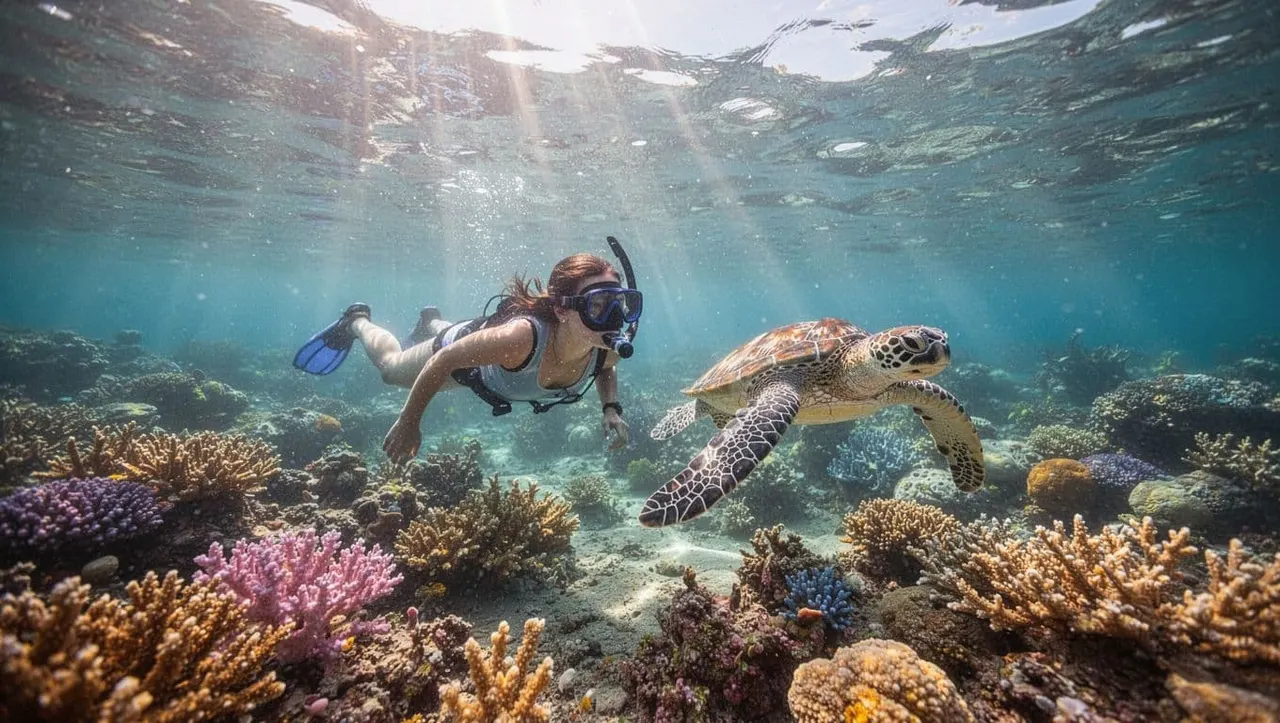
Guest reviews below show how the crew handles beginners, nervous swimmers, and families who want a smooth day on the water.
When a calmer day on the water makes more sense
Sometimes the smartest move is to choose the day, not force the date. If your calves are already angry from travel, hiking, or a hard workout, wait until you feel looser. A snorkel should start with steady energy, not a fight with your own muscles.
If cramping is frequent or severe, a gentler ocean outing may fit better. A sunset cruise or fireworks cruise gives you ocean time, fresh air, and views without the repeated fin kicks. That can be the better choice when you still want to be on the water, but your body needs a break.
If Turtle Canyon is the trip you want, do not rule it out too quickly. Good hydration, a careful fin fit, and a crew that knows how to pace the swim change the experience more than most people expect. If you have a medical condition or cramps that keep coming back, check with a clinician before you book.
Conclusion
A Turtle Canyon snorkel can work well for visitors prone to leg cramps when you respect the way your body moves in fins. Hydrate early, keep the first kicks small, and choose a crew that gives clear direction before and during the swim.
Living Ocean Tours makes that easier because the trip is guided, the boats are comfortable, and the focus stays on smooth, respectful wildlife viewing. When your legs stay relaxed, the whole reef feels more open.
The calmest day in the water often starts with the simplest habits on land. That is how you trade calf tightness for a better view of the turtles.


