
Turtle Canyon snorkel: Fishing Line on a Turtle
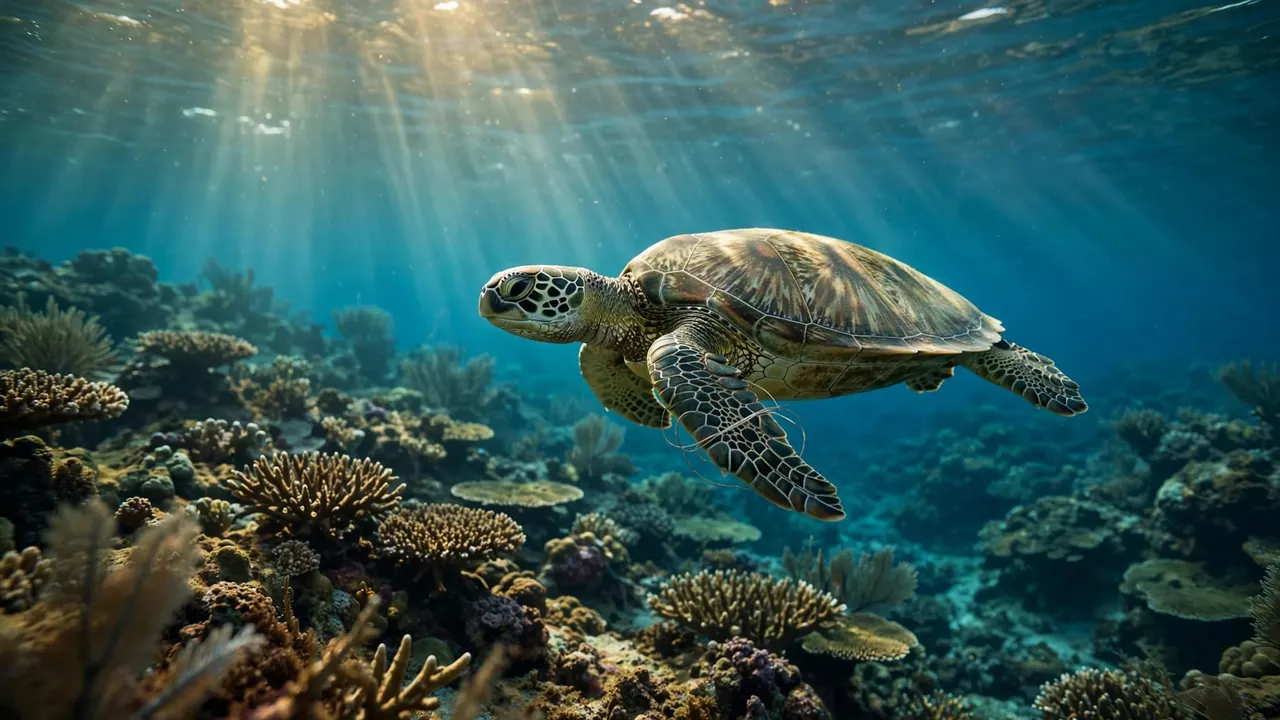
If you see fishing line on a turtle during a Turtle Canyon snorkel, keep your distance, alert your guide, and report the sighting to the NOAA Marine Wildlife Hotline at (888) 256-9840. Don’t touch the turtle or try to remove the line yourself.
At Living Ocean Tours, we know how exciting it is to see a honu, or Hawaiian green sea turtle, in the wild. An apparent injury can be upsetting, but a calm report gives trained responders information they can use. Here’s how to help while keeping the turtle and your group safe.
Key takeaways for an entangled turtle
Your response can be simple, even when the situation looks urgent:
- Stay back and leave the turtle a clear path to the surface.
- Tell your guide or crew what you saw and where you saw it.
- Call the NOAA Marine Wildlife Hotline at (888) 256-9840, or tell the crew if someone has already called.
- Share observations without chasing, touching, or attempting to free the animal.
If another snorkeler is in immediate danger, alert the crew and call 911. Human safety comes first.
What to do during a Turtle Canyon snorkel
Spotting thin fishing line underwater can be difficult. You may see it across a flipper, trailing behind a turtle, or extending toward the reef. Treat what you can see as a reason to report, even if you’re unsure whether the turtle is injured.
Pause and tell your guide
Stop moving toward the turtle and get your guide’s attention. A clear description such as “I see line near its front flipper” is more useful than trying to examine it up close.
Point out the turtle’s location from where you are. If you’re on a boat tour, tell a crew member as soon as you can. Our guides can help communicate the sighting and keep the group from crowding the animal.
Leave the line alone
Don’t pull, cut, unwind, or pick at line attached to a turtle. A strand that looks loose at the surface may be connected to something you can’t see. Pulling it can worsen an injury, and getting closer can put you in contact with the animal or the line.
Trained responders need to assess the situation. Your part is to report what you observed and follow the instructions you receive.
Give the turtle room to move and breathe

An entangled turtle still needs access to open water and air. Give it space even if you want a better look at the line.
Stay at least 10 feet away
NOAA recommends staying at least 10 feet, or 3 meters, away from sea turtles in Hawaii. That’s a wildlife-viewing recommendation, not a target to swim toward. Give the turtle more room if waves, current, visibility, or nearby swimmers make your position hard to control.
NOAA’s guidance on sharing the sea with wildlife also includes the marine wildlife emergency number. Keep your hands, fins, and camera out of the turtle’s path.
Keep the route to the surface open
Don’t hover directly above the turtle, surround it, or swim alongside it as it moves. Sea turtles breathe air, so a clear route upward matters.
If the animal approaches you, remain calm and make space when you can. Let it pass without reaching for it. Ask others nearby to give it room rather than gathering around for a closer view.
How to report a turtle with fishing line
Call the NOAA Marine Wildlife Hotline at (888) 256-9840. The Hawaii Department of Land and Natural Resources also gives that number for reporting sea turtle interactions and receiving guidance.
Tell the crew first when you’re on a tour
During a Turtle Canyon snorkel, you may not have a phone in the water. Signal your guide and explain what you saw. Once you’re safely aboard, share any additional details with the crew so they can make a report or add information to one already made.
If someone else has called, let the crew know. They can coordinate the information rather than having several people repeat incomplete reports. Follow the hotline’s instructions if you speak with a responder.
Call directly if you’re snorkeling independently
If you’re with a buddy and away from a tour group, leave the turtle undisturbed and return safely to a place where you can make the call. Note your location before you leave the water if you can do so without approaching the animal.
The state’s sea turtle guidance provides the reporting number. You don’t need to determine how serious the injury is before calling. Describe what you observed and allow the response team to assess it.
Details that make your report more useful
You don’t need to collect every detail. A few observations made from a safe distance can help the person taking your call understand the sighting.
Describe the location and the line
Share the site name, approximate time, and where the turtle was in relation to a boat or another visible landmark. If you know which direction it was moving, include that too.
Describe what you could see: for example, whether the line appeared to trail behind the turtle or lay across a flipper. If you couldn’t tell whether it was attached, say so. An honest description is more useful than a guess.
Explain what the turtle was doing
Tell the hotline whether the turtle was swimming, resting, or coming to the surface when you saw it. Mention any apparent difficulty moving, but avoid diagnosing the animal.
A photo or short video taken from your existing position may help document the sighting. Don’t move closer, block the turtle, or continue filming if the camera distracts you from the water around you. NOAA’s account of sea turtle response describes how the hotline begins gathering information about an animal.
Why fishing line can harm sea turtles

Fishing line is easy to overlook in clear water. It can also be hard to judge how much line is present when part of it is hidden behind the animal or against the reef.
Line can restrict movement
Line wrapped around a flipper or neck can restrict movement and injure tissue. A turtle trailing gear may also face a risk of becoming caught on something else.
You can’t tell the full extent of an entanglement from a brief surface view. A turtle may appear to swim normally while carrying line, so report visible gear even when you don’t see an obvious wound.
A normal-looking turtle may still need assessment
Turtles spend time resting, swimming, and surfacing for air. One moment of stillness doesn’t prove an animal is sick, and a swimming turtle isn’t necessarily free of injury.
Describe the behavior you saw without labeling it healthy or distressed. The response team can use your observations alongside other information to decide what to do.
What to do after you make the report
Once you’ve shared the location and details, follow the instructions you receive. You may be asked for more information, so keep your phone available if you’re safely aboard or back on shore.
Don’t follow the turtle
You may want to keep the animal in sight, but chasing it can add disturbance and take you away from your group. Don’t try to steer it toward a boat or keep it in one place.
Instead, note its last known location and direction of travel. Tell the hotline if it disappeared from view. You can still make a useful report without maintaining visual contact.
Stay aware of your own position
An injured animal can draw everyone’s attention at once. During a Turtle Canyon snorkel, stay near your buddy and listen for your guide’s directions about returning to the boat.
Keep your fins clear of coral and avoid standing on the reef. If you’re tired, uncomfortable, or having trouble with your gear, signal the crew rather than continuing to watch the turtle.
What if the fishing line isn’t attached?
Loose line in the water can also pose a hazard to wildlife. Let your guide know where you saw it, particularly if it’s near coral, wildlife, other swimmers, or boat traffic.
Don’t pull line that is attached to a turtle or tangled on the reef. You may not be able to see where it leads, and tugging could damage coral or put you at risk. Leave the decision about a safe response to the crew.
If you come across loose debris during an independent swim, put your safety first. Don’t dive beyond your comfort or reach into an area where you might become tangled. You can report a hazard without retrieving it yourself.
Snorkel Turtle Canyon with our guides
On our Turtle Canyons Snorkel Excursion, you can visit a natural turtle cleaning station off Waikiki. Our professional snorkel guides help you enjoy the water while respecting the animals you came to see.
The trip welcomes beginners and experienced snorkelers. Before entering the water, tell the crew about your swimming ability or any concerns. You can also ask for flotation support and let a guide know if you need assistance.
For a guided turtle outing, you can CHECK AVAILABILITY.
You can also explore our other ocean experiences:
Frequently asked questions
Should I cut fishing line off a sea turtle?
Don’t attempt to cut or remove it. Keep your distance, alert your guide, and report the sighting to the NOAA Marine Wildlife Hotline. A responder can assess the animal and advise on the next step.
What if I’m not sure the turtle is entangled?
Report what you saw without guessing. For example, say you noticed a strand near a flipper but couldn’t tell whether it was attached. You don’t need to swim closer to make a report.
Can I report a sighting after leaving the water?
Yes. Share the site, approximate time, last known location, and anything else you observed. If your guide or another person already reported it, offer your details to them so the information can be passed along.
Is the 10-foot distance a law?
The 10-foot distance is NOAA’s Hawaii wildlife-viewing recommendation, not a universal statutory minimum. Sea turtles are protected, and touching, chasing, or otherwise disturbing them can violate wildlife laws. Give an animal more room whenever needed.
Give the turtle space and make the call
A Turtle Canyon snorkel is a chance to watch honu behave on their own terms. If you notice fishing line, the most helpful response is to keep your distance, alert the crew, and share what you saw.
You don’t need to attempt a rescue to help. A calm, accurate report gives trained responders a place to start while leaving the turtle room to swim and breathe.


