
Turtle Canyon Snorkel: Why Turtles Change Course
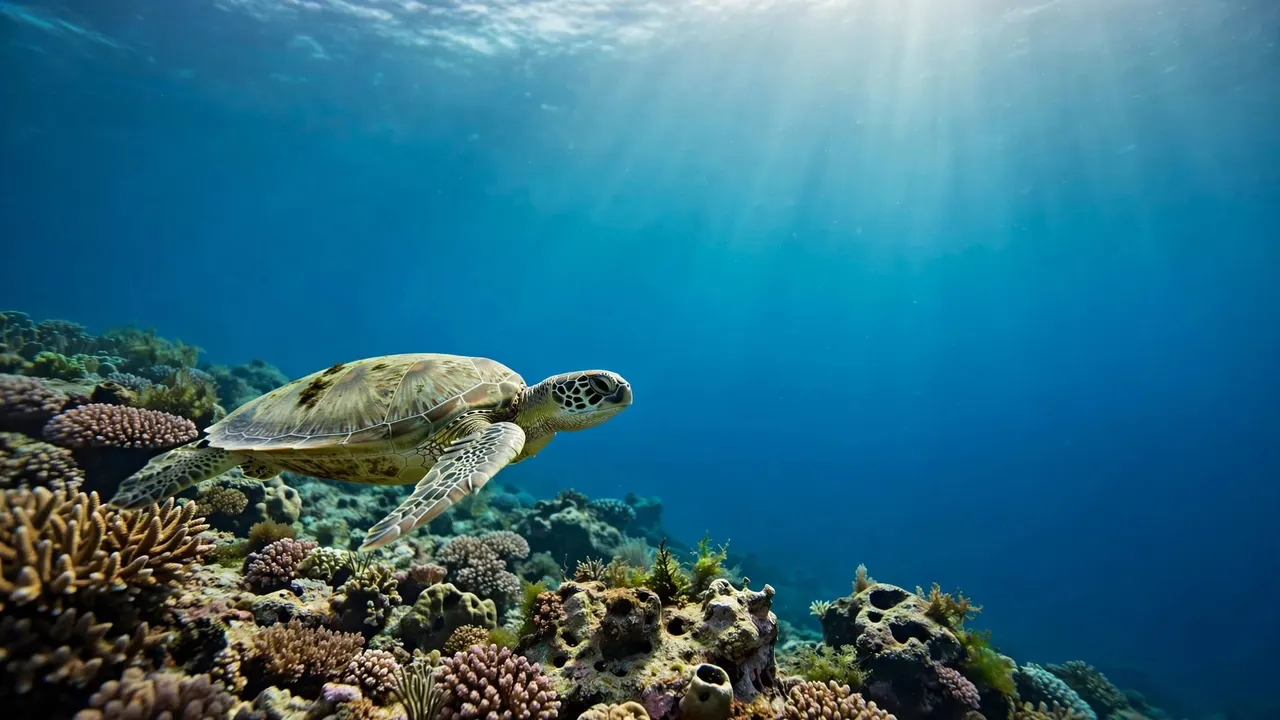
A sea turtle may change course near swimmers for many reasons, including where it wants to travel or surface. During a Turtle Canyon snorkel, you can’t tell exactly why an individual turns, but you can give it room to continue on its own terms.
At Living Ocean Tours, we help you observe these wild animals without approaching or touching them. Understanding what you see makes a quiet encounter even more rewarding.
Key Takeaways
- A turn alone doesn’t tell you whether a turtle noticed you or why it changed direction.
- Sea turtles breathe air, so they need a clear path to the surface.
- Stay back, avoid chasing, and let the animal choose its route.
- If a turtle approaches you, pause and make room rather than reaching out.
- Our professional snorkel guides help you feel comfortable in the water and practice respectful viewing.
Turtle Canyon as a Natural Habitat
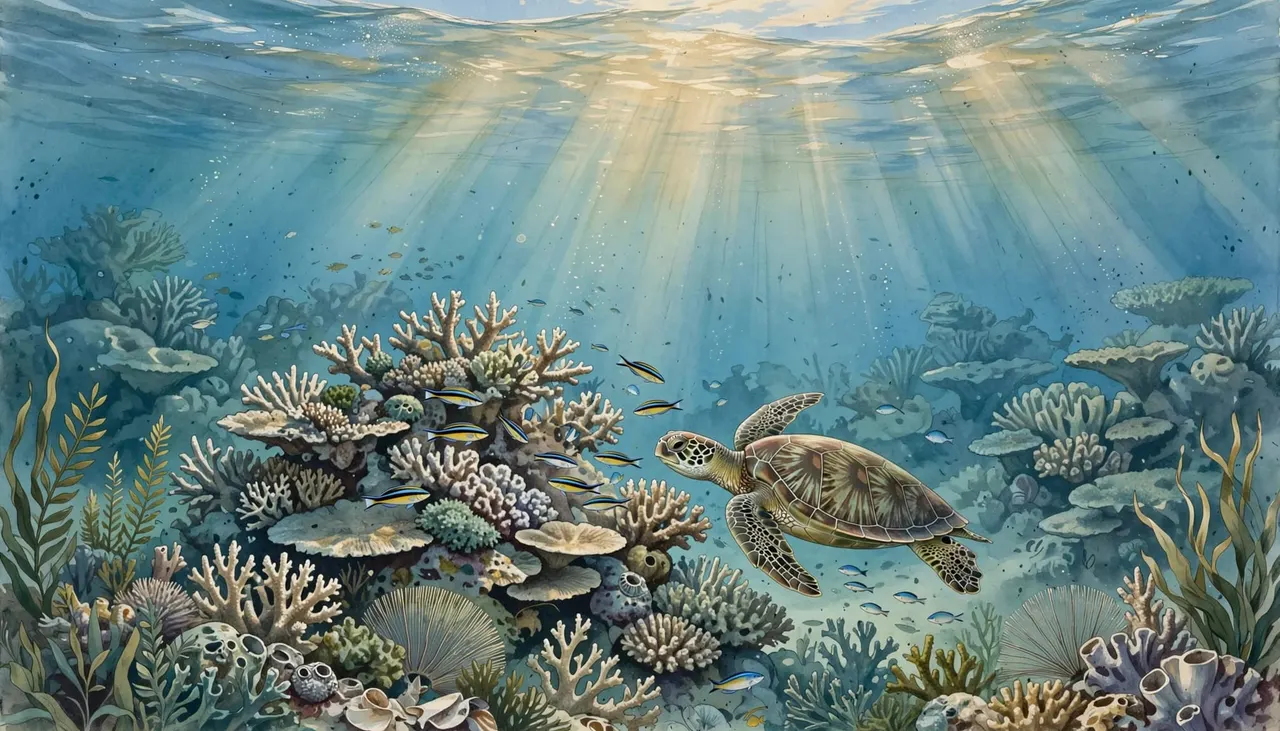
Turtle Canyon sits offshore from Waikiki and is known for its natural turtle-cleaning area. Here, Hawaiian green sea turtles, known as honu, can visit the reef while small fish clean their shells.
On a Turtle Canyon snorkel outing, you might see a turtle swimming above the reef or near the cleaning area. You may also notice fish moving around the coral. The activity is worth watching as a whole, rather than focusing only on how close you can get to a turtle.
Wildlife behavior varies. A turtle may pass through your field of view, turn toward the reef, or disappear into deeper water. It may also spend time out of sight. Because the animals are free to come and go, every outing has its own rhythm.
Give yourself time to look around. When you stay calm and observe the reef, you can enjoy what happens naturally without trying to direct the encounter.
Why a Turtle May Change Course
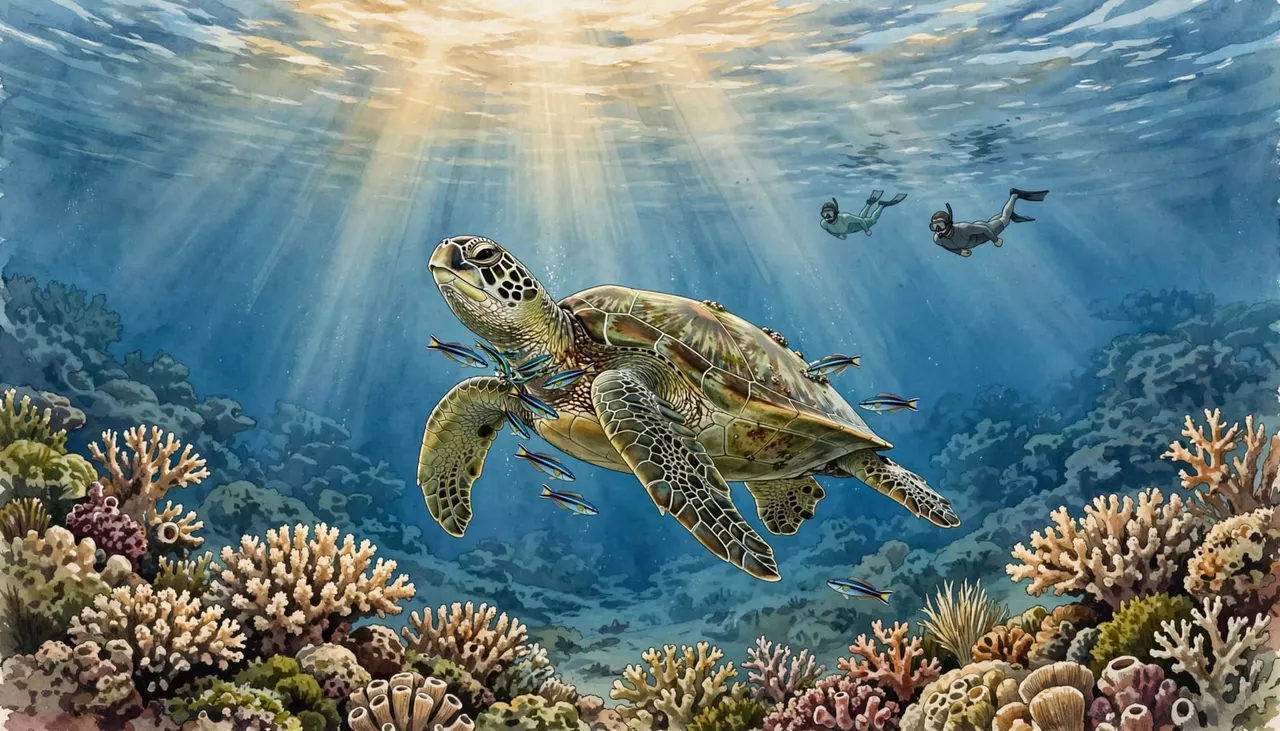
A turn is easy to see, but the reason behind it isn’t. A turtle may have its own destination, respond to activity around it, or change depth as it moves through the water.
The turtle may already be heading elsewhere
Turtles move through their habitat for their own needs. One animal may travel across the reef while another remains farther away. A turtle that changes direction near you could be continuing a route you couldn’t see before it entered your view.
Its movement may also take it toward the surface. NOAA’s green turtle information explains that these reptiles must breathe air. As you watch, leave room above and around the animal instead of assuming it will stay underwater.
Your presence may affect its route
A swimmer, a cluster of people, or movement in the water may influence where a turtle goes. If an animal turns away as you move closer, stop advancing and give it more space. That response protects its freedom to choose a route, even though you can’t know its exact reason for turning.
A course change doesn’t prove a turtle is frightened or curious. Watch the behavior you can see, and avoid assigning a motive to one movement. Your best response is the same: stay back and let the animal continue undisturbed.
Give Turtles a Clear Path to Breathe
A turtle moving upward needs access to the air. You can help by staying aware of your position in relation to the animal and the surface.
Keep the water above the turtle open
If you see a turtle below you, don’t hover directly over it or swim across its path for a closer look. Move away calmly and leave open water above the animal. Avoid sudden kicks as you reposition, and pay attention to other snorkelers nearby.
The same principle applies when a turtle is moving horizontally. Rather than trying to predict its exact route, stay back and leave it several ways to continue. Your guide can help you recognize when your group needs to spread out.
Let the turtle set the pace
Some turtle encounters last only a moment. Others give you more time to observe from a distance. Either way, there’s no need to follow an animal that swims off or wait directly above it for another view.
A turtle that reaches the surface may take a breath and return underwater. Give it room throughout that movement. Your role is to observe the animal’s choices, not to decide where it should go next.
How to Give a Turtle Room
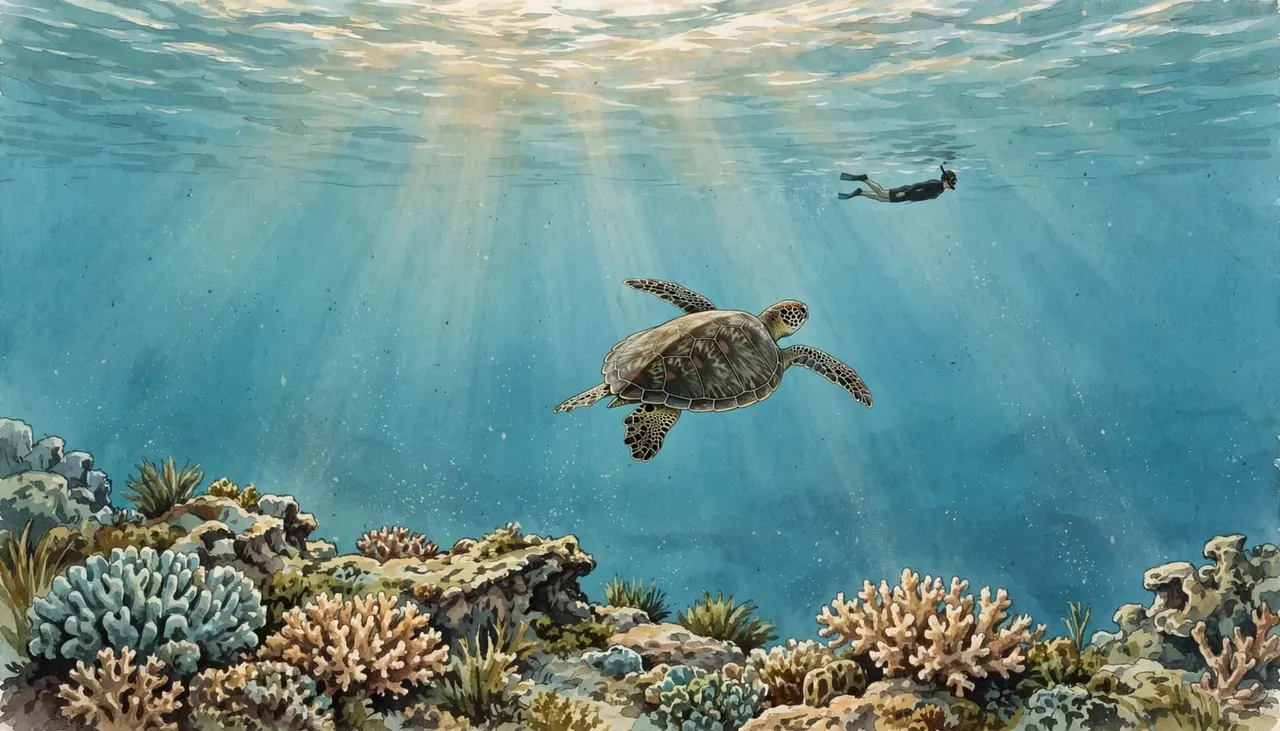
The most respectful position is one that leaves a turtle free to swim, surface, or move away. NOAA’s marine-life viewing guidance advises against chasing, encircling, or trapping sea turtles.
Stay back instead of swimming toward it
When you spot a turtle, pause and enjoy the view from where you are. If you’re already close, move away slowly without blocking its route. Keep your hands to yourself and don’t try to touch its shell or flippers.
During a Turtle Canyon snorkel, you may share the water with other guests. Look around before you reposition so your group doesn’t unintentionally surround the animal. If everyone moves toward the same turtle, its available space can shrink quickly.
Leave the reef undisturbed, too
Your fins can affect the reef even when your attention is on a turtle. Keep your body horizontal near the surface and avoid standing on coral. If you need help staying afloat or controlling your position, ask your guide for assistance.
Also resist the urge to feed wildlife. A respectful encounter lets turtles and reef fish carry on without interference. You can take home the memory without changing what happens underwater.
What to Do If a Turtle Approaches You
Sometimes a turtle may swim in your direction before you have time to move away. Stay calm, keep your hands close to your body, and give the animal a clear route past you. If you can safely do so, move aside slowly.
Don’t reach for the turtle, even if it comes close. NOAA advises people not to approach or interact with wild sea turtles. Letting the animal pass is also the simplest way to avoid getting between it and the surface.
If you’re near a child, help them pause rather than calling for them to swim after it. A brief view can still be an exciting family memory. Once the turtle has passed, give it room to continue rather than following for another look.
You can also tell your guide if you’re unsure where to move. Staying aware of the boat, other swimmers, and your own comfort matters as much as watching the animal.
Enjoy the Encounter Without Chasing a Photo
A camera can make it tempting to focus on the screen instead of the water around you. Before taking a picture, make sure you have a comfortable floating position and know where your group is.
Photograph the scene from your existing position. If the turtle turns away or moves out of view, let it go. Don’t follow, dive toward it, or block its path to improve the shot.
On a Turtle Canyon snorkel, a wider image can capture the reef and the turtle’s natural surroundings. You may also enjoy putting the camera away for a few minutes. Watching a turtle move through open water can be memorable without a close-up photograph.
Feel Comfortable Before You Enter the Water
A little preparation helps you pay attention to the reef instead of worrying about your equipment. Our guides can help you adjust your mask and get used to breathing through a snorkel.
Take your time with your gear
A comfortable mask fit helps keep water out, while a flotation vest can make it easier to rest at the surface. Tell your guide if you’re new to snorkeling or need help adjusting your fins. You don’t have to rush into the water before you feel ready.
Once you’re in, practice breathing calmly and look up regularly to stay oriented. If your mask fills with water or you feel tired, signal a guide. You can return to the boat when you need a break.
Give children and first-time snorkelers support
Families can talk through a simple plan before entering the water: stay together, listen to the guide, and observe turtles without touching them. Children should remain with their supervising adults throughout the outing.
If someone in your group feels nervous, start with the equipment and flotation rather than focusing on finding a turtle. Getting comfortable at the surface gives you more freedom to enjoy the experience.
Join Our Turtle Canyon Snorkel Excursion
Our Turtle Canyons Snorkel Excursion departs from Kewalo Basin Boat Harbor near Waikiki. The trip lasts two hours, with approximately one hour of snorkeling time. Masks, snorkels, fins, and flotation support are included, and the outing welcomes guests ages 3 and up.
We’re the only tour company in Waikiki with professional snorkel guides. You receive equipment help and in-water guidance, whether you’re learning to snorkel or want support while observing the reef.
Our turtle-spotting success rate is about 95%. Turtles are wild, however, so sightings and behavior vary by departure. When you see one, our guides help you enjoy the moment while giving it space.
For a turtle-focused outing, CHECK AVAILABILITY.
You can also browse our full departure calendar.
Guest reviews can help you get a sense of the experience aboard Living Ocean Tours.
Turtle Canyon Snorkel Questions
Does a turtle turn because it’s afraid of swimmers?
You can’t determine that from a turn alone. The turtle may be responding to activity nearby or moving along a route of its own. Stay back and let it choose where to go.
Can you touch a turtle if it swims close?
No. Keep your hands away and move aside calmly if you can. Give the turtle room to pass and reach the surface.
Are turtle sightings guaranteed?
No. Our trips have about a 95% turtle-spotting success rate, but the animals are wild. You may see different behavior on each departure.
Let the Turtle Choose Its Course
A turtle’s turn can be a fascinating moment to watch, even when you don’t know what prompted it. Give the animal space, keep its path to the surface clear, and enjoy the view without following.
With a little patience and respectful distance, you can experience Turtle Canyon as the turtles do: on their own terms.


