
Turtle Canyon snorkel: Natural Reef or Managed Exhibit?
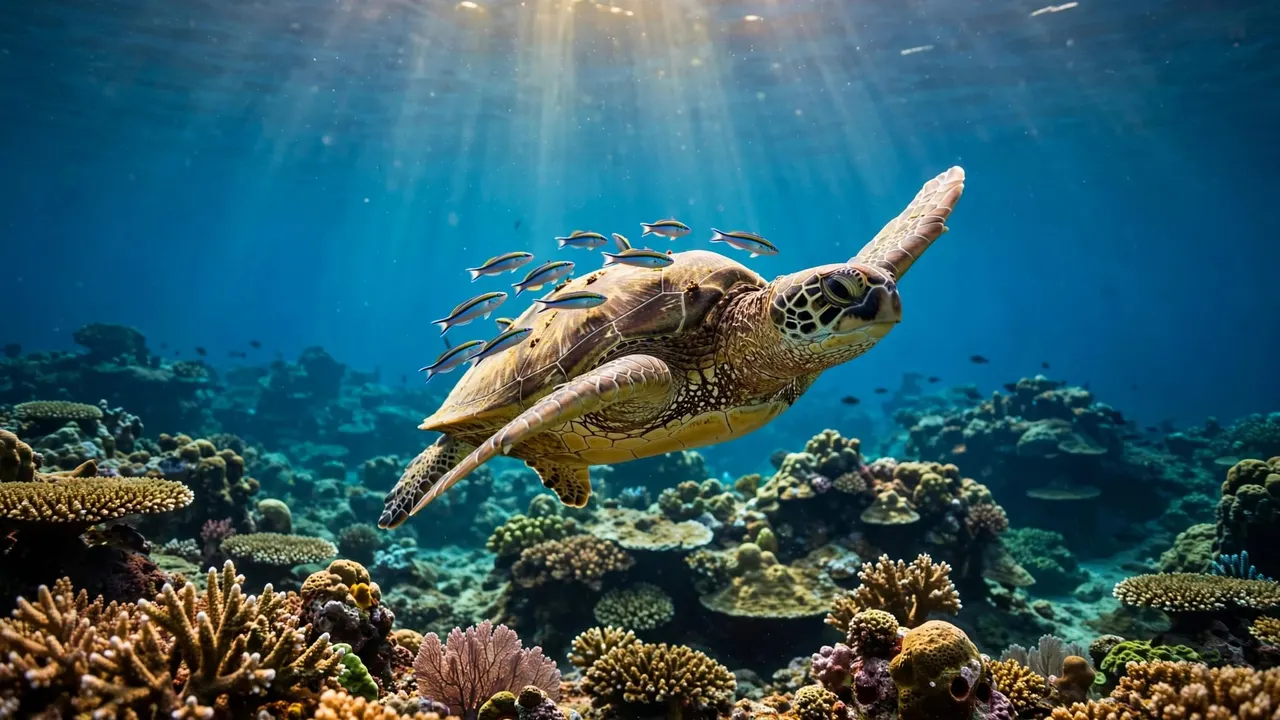
A turtle hovering above the reef can look like part of a scheduled show, until it swims away. On a Turtle Canyon snorkel trip with Living Ocean Tours, you’re visiting wild habitat, while the crew manages your boat ride, equipment, and guidance.
That distinction matters when you’re choosing an ocean adventure for your family or partner. Start with what happens beneath the surface, where turtles and reef fish set their own pace.
Your Turtle Canyon snorkel visits a natural cleaning station
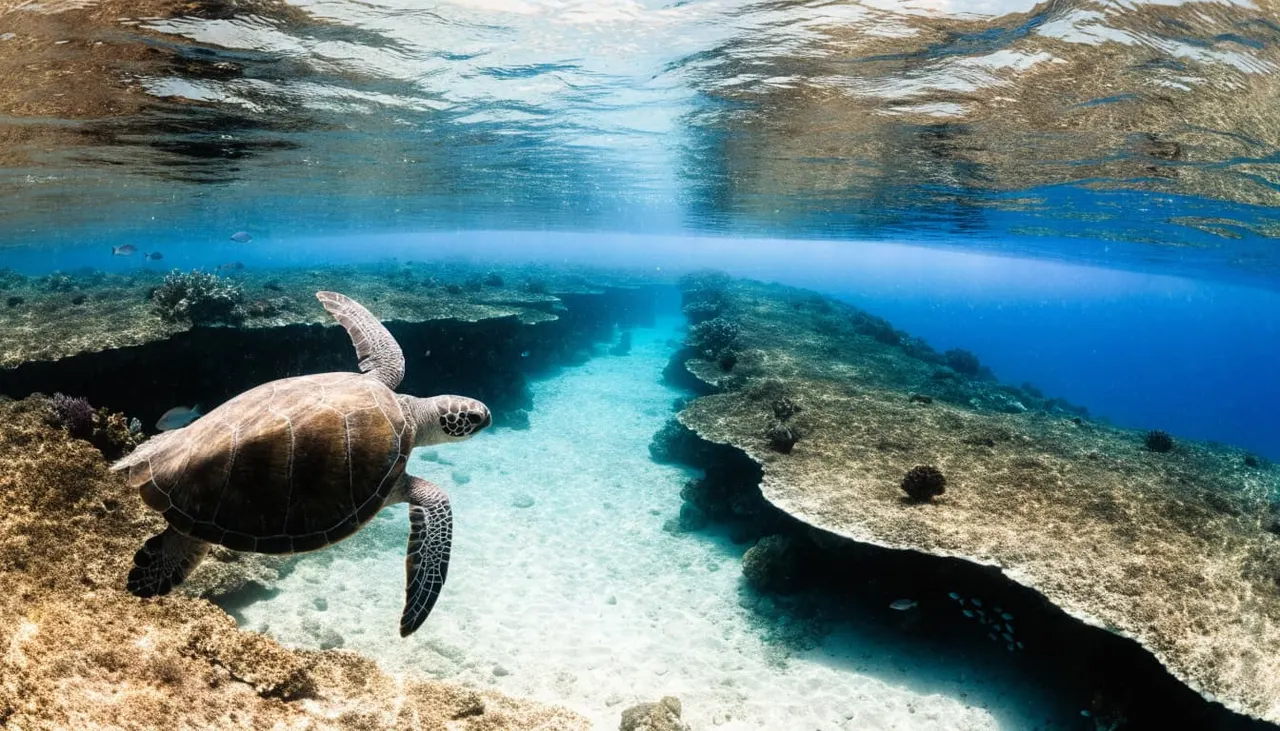
Turtle Canyon, also called Turtle Canyons, is an offshore reef area near Waikiki. Living Ocean Tours describes it as a natural cleaning station visited by Hawaiian green sea turtles, known locally as honu.
You enter an open-water environment rather than an enclosure. The turtles can arrive, pause, surface, or leave regardless of your tour’s schedule.
Cleaner fish provide the underwater activity
When a turtle slows near the reef, small fish may gather around its shell, neck, and flippers. They pick algae and other material from its outer surface.
The fish gain food, while the turtle receives a cleaning. However, you won’t necessarily identify everything the fish remove while watching from the surface.
Look beyond the turtle’s shell. Fish approaching and shifting positions can reveal more activity than the larger animal’s slow movements suggest.
Cleaning is different from feeding or resting
A turtle near the reef isn’t automatically using a cleaning station. It might be resting, traveling, or grazing.
During cleaning, fish approach the turtle. During grazing, the turtle takes food from its surroundings. NOAA’s green turtle species profile explains that green turtles primarily eat algae and seagrasses.
Watch the interaction before deciding what you’re seeing. A brief sighting gives you one moment in the animal’s day, not its entire routine.
What a managed tour changes, and what it doesn’t
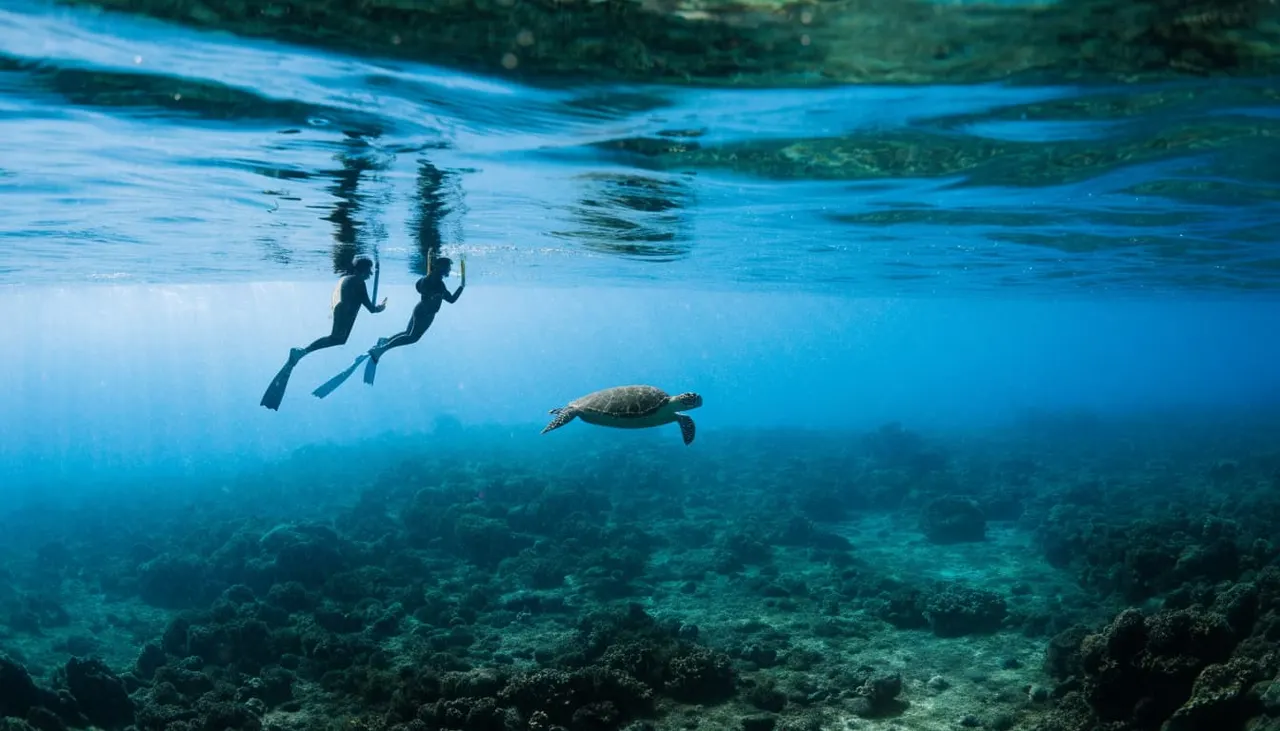
Your excursion has a departure time, a crew, and safety procedures. Those features organize the visitor experience without turning the reef into an aquarium exhibit.
The crew manages access and swimmer support
You reach Turtle Canyon by boat on this excursion, departing from Kewalo Basin Boat Harbor near Waikiki. The crew handles transportation, explains equipment, and gives you instructions before entering the water.
Professional snorkel guides can help with mask fit, flotation, and your position within the group. That support is especially useful when open-water snorkeling feels unfamiliar.
However, guidance doesn’t remove ocean conditions. You still need to follow instructions and tell the crew when you’re uncomfortable.
The animals control the encounter
A departure time doesn’t create a turtle appointment. Likewise, an experienced guide can’t make a wild turtle remain beside the group.
Your Turtle Canyon snorkel may include cleaning activity, a passing turtle, or an animal rising for air. Each encounter depends on wildlife behavior and the day’s conditions.
A tour can organize your access to the reef. It can’t schedule a turtle’s arrival, cleaning stop, or next breath.
This distinction also sets fair expectations: you’re buying guided access and support, rather than a guaranteed animal performance.
Why reliable sightings don’t make this an exhibit
Living Ocean Tours reports a 95% turtle-sighting rate for its Turtle Canyons excursion. Treat that as the company’s reported sighting history, not a promise for your departure.
A frequently used wildlife location can offer repeated encounters without holding animals there. At a cleaning station, the reef interaction gives turtles a reason to visit.
Still, a high sighting rate doesn’t tell you how many turtles you’ll see. It also doesn’t guarantee cleaning behavior, close photographs, or uninterrupted visibility.
Wind, swell, currents, and water clarity affect your experience. Meanwhile, individual turtles continue their own routines.
Commercial activity deserves attention, too. Boats and swimmers share the area with wildlife, so respectful group spacing matters even at a natural site.
When evaluating a Turtle Canyon snorkel, look beyond the advertised sighting percentage. Ask how guides handle crowding, changing conditions, and swimmers who need assistance. Those answers describe the experience you can assess before booking.
Observe turtles without interrupting their routine
You don’t need to move closer to make a wildlife encounter worthwhile. A steady position often lets you notice cleaner fish, breathing movements, and the turtle’s chosen route.
Keep distance and leave an open path
NOAA’s Hawaii marine wildlife viewing guidelines recommend staying at least 10 feet, or 3 meters, from sea turtles.
That distance is a viewing recommendation, not permission to pursue an animal until you reach an exact boundary. Give more space whenever your presence changes its behavior.
Because turtles breathe air, keep their route to the surface open. Don’t surround an animal or position yourself in its path.
If a turtle approaches unexpectedly, stay calm, keep your hands to yourself, and let it pass. Follow your guide’s direction rather than repositioning for a closer photograph.
Leave the reef and wildlife untouched
Never touch, chase, feed, ride, or block a turtle. Hawaii’s sea turtle protection guidance also explains the protections that apply to these animals.
Keep your fins clear of coral and avoid standing on the reef. A careless kick can cause damage even when you never reach down.
For photos, use your camera’s available framing options rather than swimming closer. If getting the shot requires following the turtle, let that shot go.
Prepare for an offshore swim, not a pool session
A guided Turtle Canyon snorkel suits many first-time snorkelers, but preparation still matters. You float in open ocean water, where movement and visibility differ from a hotel pool.
Tell the crew about your swimming comfort before departure. Also mention motion sickness, a nervous child, or concerns about deeper water.
Before swimming away from the boat, check that your mask seals comfortably and your flotation equipment fits. Ask how to signal for help and where the group should stay.
If your mask leaks or your breathing feels rushed, pause and request assistance. Trying to solve unfamiliar equipment problems while following wildlife adds unnecessary stress.
For families, age eligibility and swimming readiness are separate considerations. Living Ocean Tours lists the excursion for ages 3 and older, but each child’s comfort needs discussion.
Finally, bring sun protection and secure loose belongings. A rash guard offers coverage without requiring constant sunscreen reapplication, while dry storage keeps essentials out of the swim area.
Choose Living Ocean Tours for guided reef time
Living Ocean Tours operates from Kewalo Basin Boat Harbor, minutes from Waikiki. Its Turtle Canyons Snorkel Excursion focuses on observing Hawaiian green sea turtles in their natural reef habitat.
You receive snorkeling equipment, instruction, flotation support, and professional in-water guidance. That help gives beginners someone to approach about breathing, equipment adjustments, and group positioning.
The excursion is listed as two hours. The operator’s cost guide lists prices starting at $79 per person, although live rates and booking terms can change.
Its stated meeting location is 1125 Ala Moana Boulevard, Slip B-01. Confirm the check-in instructions on your reservation before heading to the harbor.
The company’s Coast Guard-inspected vessels provide shaded seating, onboard restrooms, dry storage, and sturdy entry ladders. These comforts make the boat portion easier for families and couples.
For your broader travel schedule, check the company’s available departures:
Choose this outing when turtles and reef observation are your main priorities. Leave some flexibility in your vacation schedule because ocean conditions can affect the day’s plan.
Key takeaways before you book
The useful distinction is between managed visitors and free-moving wildlife. Keep these points in mind when comparing excursions:
- Turtle Canyon is an open-water reef cleaning-station habitat, where turtles choose when to visit and leave.
- Guides organize equipment, transportation, and swimmer support, while wildlife sightings and behavior remain outside their control.
- A respectful encounter means keeping distance, leaving breathing routes open, and following instructions without touching or chasing animals.
A sighting percentage helps describe an operator’s experience. However, your comfort with open water and the crew’s approach to wildlife deserve equal attention.
Frequently asked questions about Turtle Canyon
Are turtles kept at Turtle Canyon for visitors?
Turtle Canyon is an offshore reef habitat, not a captive-turtle enclosure. You observe animals moving through their coastal environment.
A turtle may pause for cleaning, rise to breathe, or leave the area. Your tour’s schedule doesn’t control those movements, even when the site offers frequent sightings.
Will you always see turtles being cleaned?
A turtle sighting doesn’t guarantee cleaning activity. You might see an animal resting or swimming past instead.
Look for small fish approaching its shell and skin. Even then, give the interaction time and space. Moving closer can interrupt the behavior you came to watch.
Is the excursion suitable for beginners?
You can receive gear instruction, flotation support, and help from professional snorkel guides. However, open-water comfort remains important.
Tell the crew you’re new before entering. Ask about current conditions and assistance procedures, especially when traveling with children. You don’t need to match another guest’s swimming confidence to enjoy your own reef time.
Enjoy a natural encounter on the turtles’ terms
Your Turtle Canyon snorkel combines a managed excursion with an unscheduled wildlife encounter. The lasting value is watching natural behavior without forcing a closer look.
Choose guidance that supports your swimming comfort, then give turtles room to continue their routine. When you’re ready to plan a turtle-focused departure, check the excursion’s live availability.


