
Turtle Canyon Snorkel: What to Do If You Lose Your Buddy
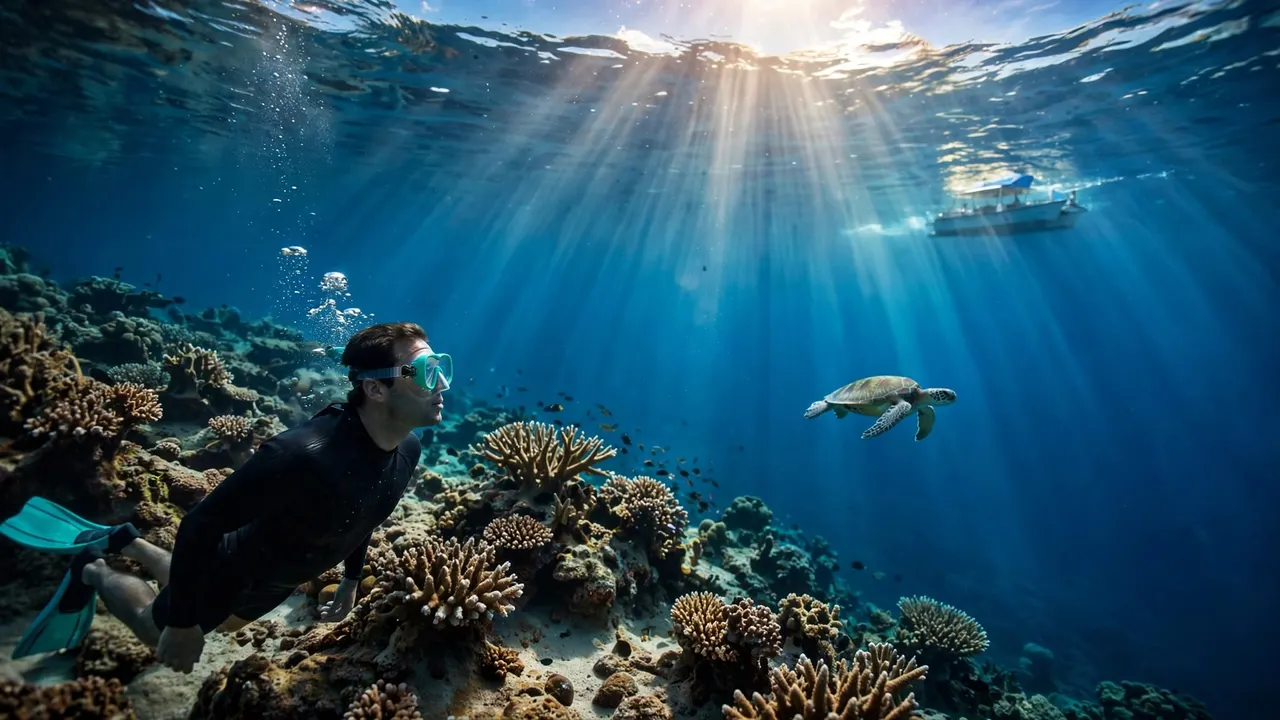
A turtle sighting can pull your attention in two directions at once, toward the reef and away from the person beside you. On a Turtle Canyon Snorkel, losing sight of your buddy for a moment can feel unsettling, but a calm response keeps a small separation from becoming a stressful one.
Living Ocean Tours offers guided sea turtle snorkeling near Waikiki for guests ages 3 and up. Before you enter the water, knowing how to pause, regroup, and alert the crew lets you enjoy the experience with more confidence.
Take the First Safe Steps During a Turtle Canyon Snorkel
If your buddy disappears behind another snorkeler, a reef rise, or a patch of glare, resist the urge to swim after them. Fast, unfocused searching can separate you farther from the group.
Stop and check your immediate surroundings
Pause where you are and take a slow look around. Check beside you, behind you, and toward the boat or guide. Your buddy may be only a few yards away with their face underwater, adjusting a mask, or watching something below.
Keep your body horizontal and your fins clear of coral. If you use a flotation device, let it support you while you look. Slow breathing helps you make better choices and conserve energy.
Surface and use the group’s signal
If you don’t spot your buddy quickly, raise your head above water. Use the attention signal the crew reviewed before the swim. Then look toward the guide and boat without swimming away from the group.
Stay visible at the surface when you need help. Don’t dive down to search, and don’t follow a turtle or another snorkeler because you think it may be your buddy.
Your safest regrouping point is usually where the crew can see you, not the last place you saw your buddy.
Why Buddy Separation Happens Near Turtle Canyons
Turtle Canyons is an active reef environment, and brief separations can happen even when you start side by side. Sun glare, mask fog, surface chop, and different swimming speeds can hide someone from view.
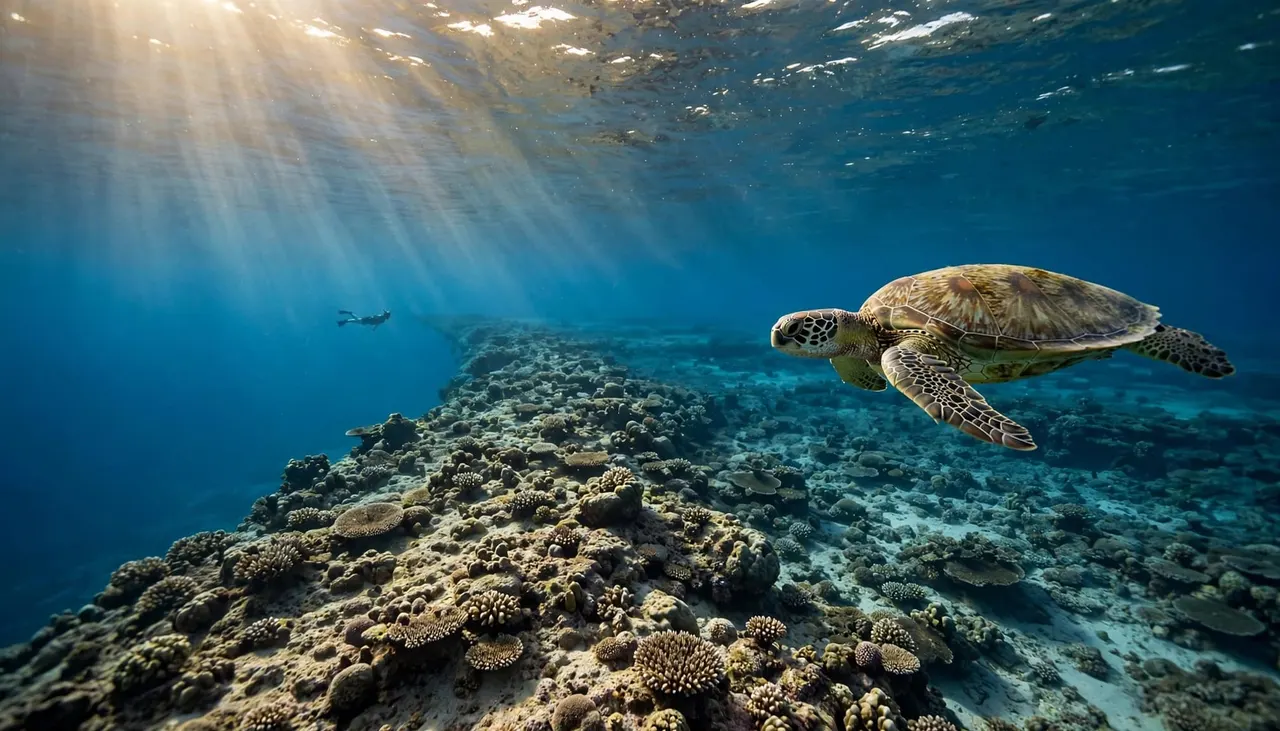
Wildlife can shift your attention
Hawaiian green sea turtles may pause at natural cleaning stations around the reef. A turtle can draw your focus quickly, especially when it glides close enough for a clear view.
Still, your buddy and guide should remain part of your visual scan. Take photos only after checking your surroundings. If your camera, mask, or snorkel needs adjustment, move your attention back to safety before returning to wildlife viewing.
Different comfort levels create distance
One swimmer may feel ready to explore while the other wants to stay close to the boat. Children may also pause more often to clear a mask or settle into their flotation gear.
Agree before you enter that the slower person sets the pace. If either of you feels tired, cold, nervous, or uncomfortable, return toward the boat with the guide’s direction. You don’t need to stay in the water longer to make the outing worthwhile.
Tell the Guide When Regrouping Doesn’t Work
A professional guide can see more of the group than you can from water level. Alerting them early gives the crew a clear picture of where you are and what you need.
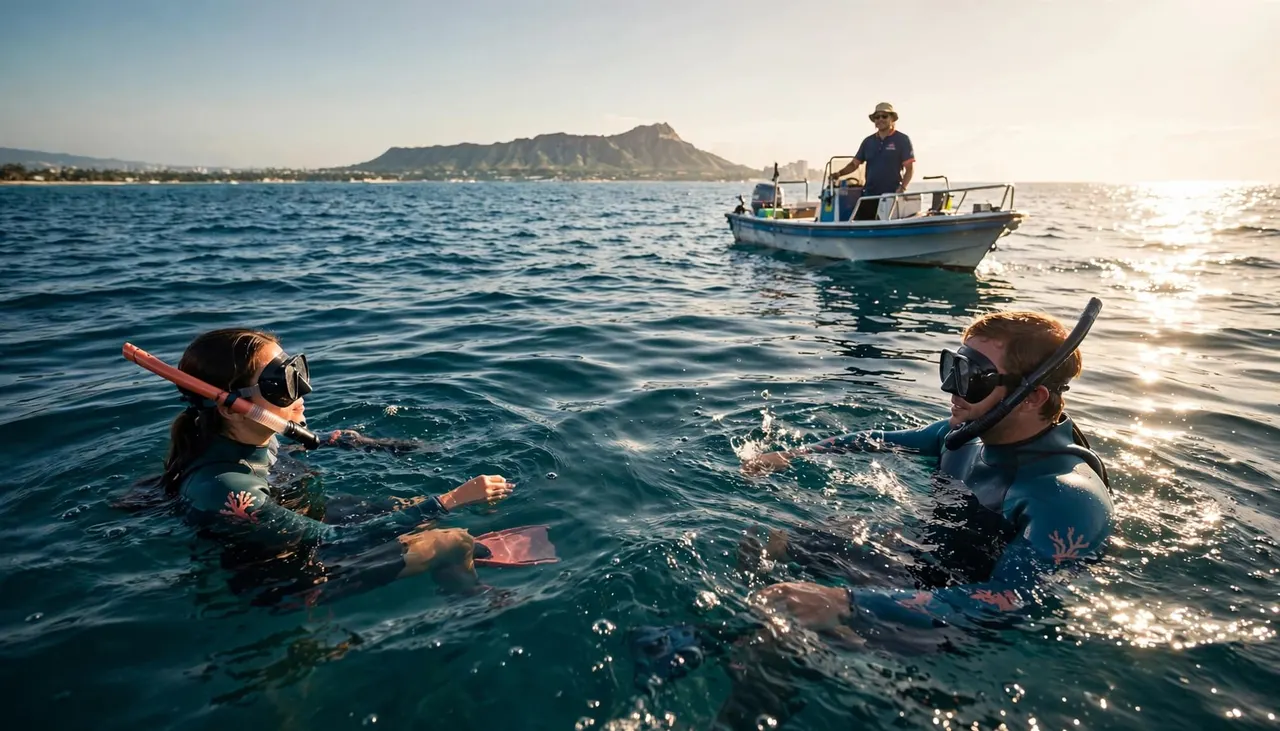
Give the crew useful information
When a guide reaches you, state your buddy’s name and describe what you last saw. Mention whether they had a bright rash guard, flotation vest, or other easy-to-spot item. Point only if you are certain of the direction.
Avoid guessing, shouting across the water, or sending another guest to look. The crew can direct the regrouping safely while keeping everyone else together.
Follow the new plan without freelancing
Your guide may ask you to hold position, return to the boat, or move with the group. Follow that instruction even if you think you can locate your buddy faster on your own.
Guides account for visibility, current, the boat’s position, and every guest in the water. Staying where they can see you reduces confusion and keeps the response organized.
Prepare Your Buddy Plan Before You Get Wet
A few minutes of planning removes much of the uncertainty from a Turtle Canyon Snorkel. Make the plan while you’re on deck, not after a turtle catches your eye.
Choose simple boundaries together
Tell your buddy your comfort level before the gear briefing. Decide that you will stay within easy sight of each other and remain close enough to hear the guide when possible.
You should also agree on what happens if one of you needs a break. A simple plan might be to signal the guide and head back toward the ladder together. If one person needs to leave the water, the other should not assume they can continue alone.
Test your equipment near the boat
Practice breathing through the snorkel and clearing your mask before you drift away from the entry area. Check that your fins feel secure and that your flotation device sits comfortably.
A leaking mask can make you rush. A loose fin can turn a short swim into an awkward one. Ask for help immediately if your gear doesn’t feel right, because comfort makes it easier to keep track of your buddy and the group.
Bring a towel, reusable water bottle, secure swimsuit, and cover-up for the ride back. Leave loose jewelry and valuables ashore whenever possible.
Keep Turtles and Coral Out of the Search
A lost-buddy moment is never a reason to crowd wildlife or use the reef as a handhold. The ocean stays safer when you protect the habitat beneath you.
Give every turtle a clear route
Keep at least 10 feet away from Hawaiian green sea turtles. Stay to the side rather than floating above one, and never place yourself between a turtle and open water.
If a turtle swims in your direction, remain calm and let it pass. Don’t touch, chase, feed, block, surround, or follow it. A turtle’s approach is not an invitation for closer contact.
Float above living coral
Coral is living habitat. Keep your body level, use slow fin kicks, and move into open water if you need to adjust a mask or rest.
Flotation support can help you maintain distance from the reef, especially if you are new to open-water snorkeling. Controlled movement also keeps sand from clouding your view while you look for your buddy.
Choose Guided Support for Turtle Canyons
A guided trip gives you structure before, during, and after your swim. Living Ocean Tours departs from Kewalo Basin Boat Harbor, minutes from Waikiki, aboard Coast Guard-inspected double-decker vessels with shaded seating, restrooms, dry storage, and sturdy water-entry ladders.
The company is the only tour company with professional snorkel guides. On its guided sea turtle snorkeling in Waikiki, you receive fitted gear, flotation support, instruction, and in-water guidance around reef conditions and wildlife etiquette. Living Ocean Tours reports a 95% turtle-sighting rate at Turtle Canyons, although sightings always depend on wild animals and daily conditions.
Let the guide know what you need
Tell the crew if you’re a first-time snorkeler, haven’t been in open water recently, or are helping a child. They can help you find a comfortable mask fit and choose flotation support before the swim begins.
That support is useful for experienced swimmers, too. Snorkeling uses different breathing and body-position habits than swimming without a mask. A short equipment check can prevent a minor issue from distracting you in the water.
Book when your group is ready
Turtle Canyon Snorkel outings work best when everyone in your party shares the same simple safety plan. Pick a day when you can arrive rested, listen to the briefing, and give the reef the patience it deserves.
Reserve your preferred date with CHECK AVAILABILITY.
Key Takeaways
- During a Turtle Canyon Snorkel, stop, look around, surface, and signal the guide if you lose sight of your buddy.
- Don’t swim off alone, dive down to search, or chase another snorkeler in the hope that they are your partner.
- Before entering the water, agree to stay within sight, follow the slower swimmer’s pace, and tell the crew if either of you needs support.
- Keep at least 10 feet away from turtles, and never touch wildlife or stand on coral.
- If regrouping doesn’t happen quickly, follow the crew’s direction and remain where you are visible.
Frequently Asked Questions
What if my buddy returns to the boat without telling me?
Alert the guide as soon as you realize you are alone. Don’t assume your buddy is safely aboard, and don’t swim back without direction. The crew can confirm their location and tell you whether to remain in the water or return to the boat.
Can beginners do a Turtle Canyon Snorkel?
Beginners can enjoy a guided Turtle Canyon Snorkel when they are honest about their experience and accept gear help, flotation support, and in-water instruction. Practice breathing through the snorkel near the boat, stay close to the group, and ask for help before a small concern grows.
What should you do if a turtle appears injured?
Stay well away and alert your guide, a lifeguard, or the appropriate wildlife authority. Don’t remove fishing line, touch a wound, move the turtle, or attempt treatment. A trained responder can assess the animal without adding more stress.
Stay Calm, Stay Visible, Stay Together
Losing sight of your buddy can feel alarming, yet your response can stay simple. Pause, surface, signal the guide, and avoid turning a brief separation into a wider search.
The best Turtle Canyon Snorkel memories come from feeling prepared, watching the reef with care, and giving turtles space to move freely. A clear buddy plan helps you keep all three in view.


