
Turtle Canyon Snorkel: Can You Wear Swim Goggles Instead of a Mask?
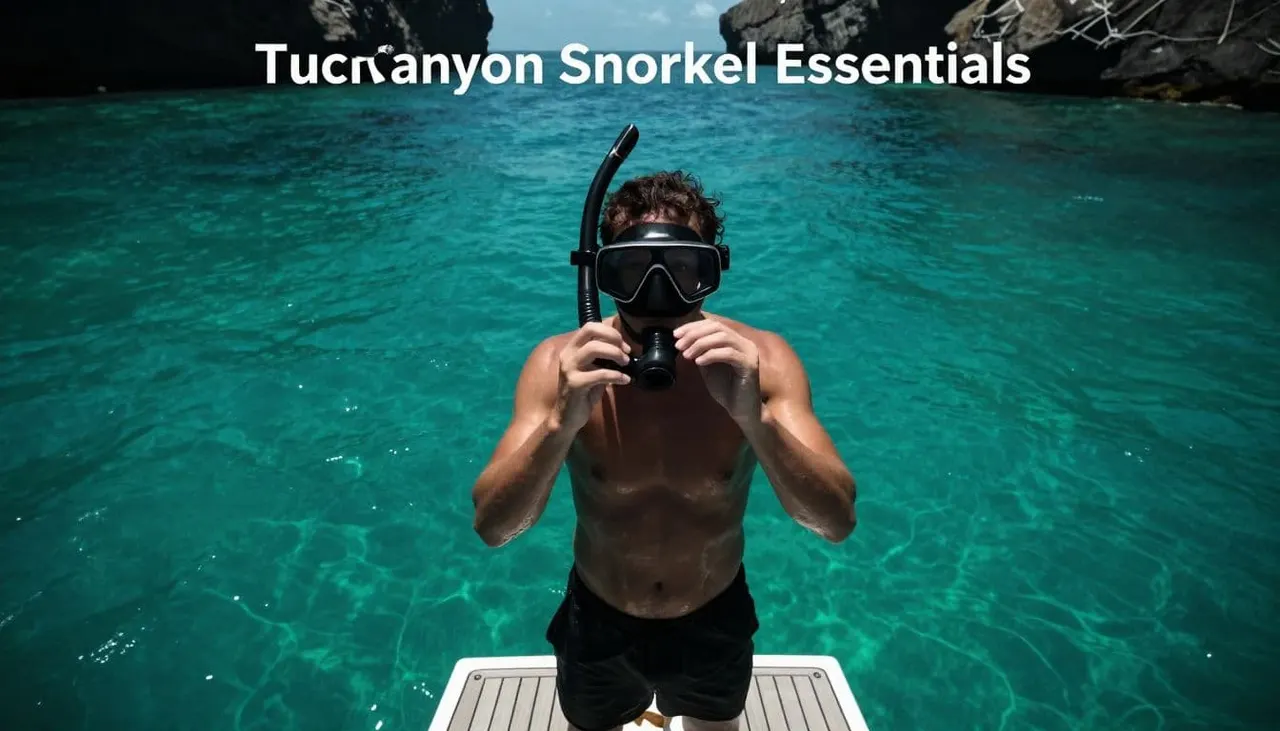
Swim goggles may work well in a pool, but they aren’t the right choice for a Turtle Canyon snorkel excursion. Regular goggles cover your eyes only, while a snorkeling mask also seals around your nose and gives you a secure place to attach a snorkel.
That difference matters when you’re floating above a reef, watching Hawaiian green sea turtles, and trying to breathe calmly in moving ocean water. Before you head to Turtle Canyon, learn why a proper mask makes the experience safer, clearer, and more comfortable.
Can you wear swim goggles for a Turtle Canyon snorkel?
You can wear swim goggles in the ocean, but standard goggles aren’t suitable for most guided snorkeling tours. They seal around your eyes, leaving your nose exposed. As soon as you put your face in the water, you’ll need to hold your breath or use a separate training snorkel that isn’t designed for normal recreational snorkeling.
A traditional snorkeling mask covers your eyes and nose inside one sealed air space. The mask’s skirt forms a barrier against water, while the snorkel connects at the side. You can breathe through your mouth and keep your face underwater for longer periods without swallowing water or lifting your head every few seconds.
Regular goggles also create practical problems:
- They don’t provide room for your nose, so water can enter more easily.
- Most swim goggles don’t have a secure snorkel attachment point.
- They can shift when you turn your head or look down.
- They offer less facial coverage when surface water splashes over you.
- You may spend more time adjusting them than enjoying the reef.
A detailed comparison of snorkeling masks and swim goggles explains the same basic issue: goggles are designed for swimming, while masks are designed for breathing at the surface with your face in the water.
If you already swim comfortably with goggles, you may prefer them for a pool workout or a short surface swim. However, Turtle Canyon involves observing marine life in a reef environment. You need equipment that lets you look down, breathe steadily, and respond to your guide without constantly breaking the surface.
Swim goggles help you see underwater. A snorkel mask helps you see, breathe, and stay focused on the ocean around you.
Why a snorkeling mask works better in open water
Ocean conditions change throughout the day. Even on a calm morning, small waves can move across the reef. A snorkeling mask gives you better control when water reaches your face from different angles.
The wide lens also improves your view. You can see more of the reef without turning your head as far, which helps you spot turtles and fish while keeping your body relaxed. A good fit reduces leaking and prevents the pressure around your eyes that can develop with tight goggles.
The snorkel itself adds another advantage. With your face in the water and the tube above the surface, you can breathe at a normal pace while watching the seafloor. That steady breathing helps beginners settle down quickly, especially when a turtle glides nearby.
Living Ocean Tours supplies snorkeling equipment for its Turtle Canyons Snorkel Excursion. The crew also helps you adjust the mask and explains how to clear water from the snorkel. You don’t need to arrive with expensive gear or years of experience.
The company operates out of Kewalo Basin Boat Harbor, just minutes from Waikiki Beach. Its Coast Guard-inspected double-decker vessels include shaded seating, restrooms, dry storage, and sturdy ladders for entering and leaving the water. Those details matter when you want to concentrate on the reef instead of managing equipment on your own.
How to get a proper snorkel mask fit
A mask can be high quality and still feel uncomfortable if it doesn’t fit your face. The right fit is more important than the brand, color, or price.
Start by placing the mask gently against your face without using the strap. Keep your hair away from the seal. Inhale slightly through your nose, then hold your breath. If the mask stays in place for a few seconds, it may fit your face. If it falls away immediately, the seal probably isn’t right.
Once the strap is on, keep it snug rather than tight. Over-tightening can distort the silicone skirt and cause leaks. The mask should rest comfortably around your eyes and nose without pressing painfully against the bridge of your nose.
A few other details improve comfort:
- Keep long hair away from the sealing edge.
- Ask the crew to help if the mask fogs or leaks.
- Don’t pull the mask away from your face when water enters.
- Exhale through your nose only when your guide instructs you to clear the mask.
- Tell the crew if the mouthpiece feels too large or uncomfortable.
If you wear contact lenses, ask your eye-care professional about ocean use before your trip. Prescription glasses generally won’t fit beneath a standard mask, but some operators can discuss prescription-mask options in advance.
What to expect at Turtle Canyon
Turtle Canyon is known for Hawaiian green sea turtles that visit a natural underwater cleaning station. Small reef fish help remove algae and other growth from the turtles’ shells. You may see a turtle resting near the reef or moving slowly through the clear water.
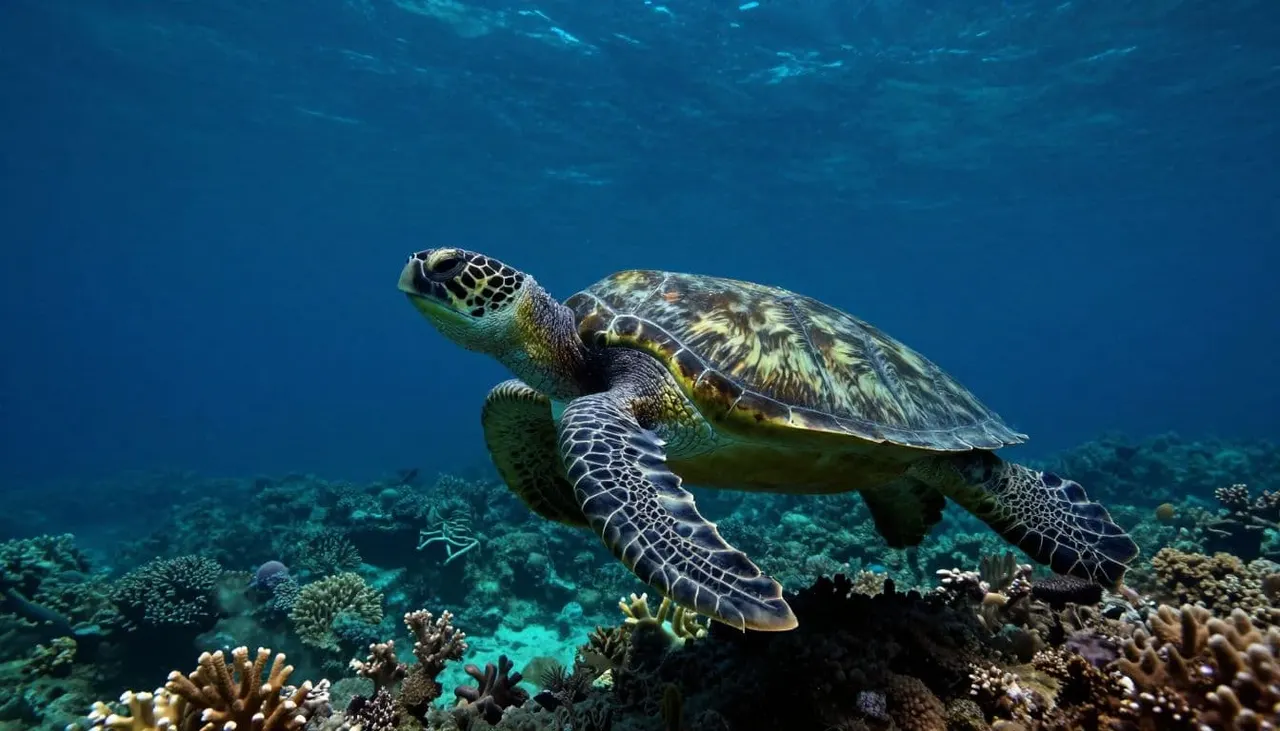
The experience starts before you enter the water. Your guide reviews the equipment, explains how to use the ladder, and shares basic ocean-safety instructions. If you’re new to snorkeling, you can practice breathing through the snorkel while holding the boat’s ladder.
Living Ocean Tours is the only tour company with professional snorkel guides. That support is especially useful when you feel nervous, swim with children, or haven’t used a snorkel mask before. A guide can help you find a comfortable position, identify marine life, and keep the group at a respectful distance from wildlife.
The company reports a 95% success rate for spotting Hawaiian green sea turtles at Turtle Canyons. Wildlife sightings can never be guaranteed, but the location offers a strong opportunity to observe turtles in their natural habitat.
Your role is simple: stay calm, follow the guide, and watch without touching. Hawaiian green sea turtles are protected animals, and contact can harm both the turtle and its protective surface. Avoid chasing, blocking, feeding, or reaching toward any animal.
That approach also protects the reef. Coral can break under a careless kick, while sunscreen residue and physical contact can affect delicate marine life. Keep your fins away from the bottom whenever possible and let the water carry you while you observe.
Is Turtle Canyon snorkeling suitable for beginners?
Yes, beginners can enjoy Turtle Canyon with the right instruction and equipment. You don’t need to be a strong swimmer, but you should feel comfortable in the ocean and be able to follow crew directions.
A traditional mask makes the first experience easier because you can breathe without lifting your head. If water enters the snorkel, your guide can show you how to clear it. You can also pause, hold the ladder, or return to the boat when you need a break.
Families should discuss the experience with children before boarding. Younger guests may need extra reassurance during their first ocean entry. Living Ocean Tours designs its experiences for guests ages 3 and older, but each child should be ready for boat travel, a life jacket, and supervised water activity.
The boats also offer comfort between activities. Shaded seating gives you a place to rest, while dry storage helps protect your personal items. The Lokahi includes a SeaKeeper stabilization system, which reduces side-to-side rolling and can make the ride more comfortable for guests who are sensitive to motion.
If you prefer to stay on board, you can still enjoy views along the Waikiki coastline. However, guests who want the best chance to see Turtle Canyon’s reef life should use the supplied mask and snorkel rather than relying on swim goggles.
What should you bring for a Turtle Canyon snorkel?
Living Ocean Tours provides the core snorkeling equipment, but a few personal items can improve your day. Pack reef-conscious sunscreen, a swimsuit, a towel, a refillable water bottle, and a light cover-up for the boat ride.
Choose sunscreen carefully. Mineral formulas with zinc oxide or titanium dioxide are often preferred for ocean activities, but you should still apply sunscreen before boarding and avoid touching marine life after applying it.
You may also want:
- A waterproof phone pouch for personal use.
- Motion-sickness medication, if you normally need it on boats.
- A small dry bag for valuables.
- Sunglasses with a secure strap.
- A hat for time on the upper deck.
Avoid bringing bulky bags or valuable jewelry. Keep your hands free when using the boarding ladder, and follow the crew’s instructions for storing belongings.
You can explore Living Ocean Tours’ Honolulu excursions if you want to compare the Turtle Canyons snorkel trip with other ocean activities. The company also offers a deluxe Waikiki snorkeling and wildlife cruise with a less-crowded reef, waterslide, water trampoline, and floating lily pad.
When you’re ready to see available times for the Turtle Canyons Snorkel Excursion, check the schedule before your preferred day fills.
Final answer: choose a snorkel mask
Swim goggles can help you see during a surface swim, but they aren’t a practical replacement for a snorkeling mask at Turtle Canyon. A proper mask lets you breathe through a snorkel, see a wider section of the reef, and stay comfortable when waves move around you.
Living Ocean Tours supplies the gear and professional guidance you need, including support for first-time snorkelers. Bring a calm attitude, respect the turtles by observing without touching, and let the mask do its job while you enjoy the view below the surface.


