
Turtle Canyon Oahu: What Honu Means in Hawaii
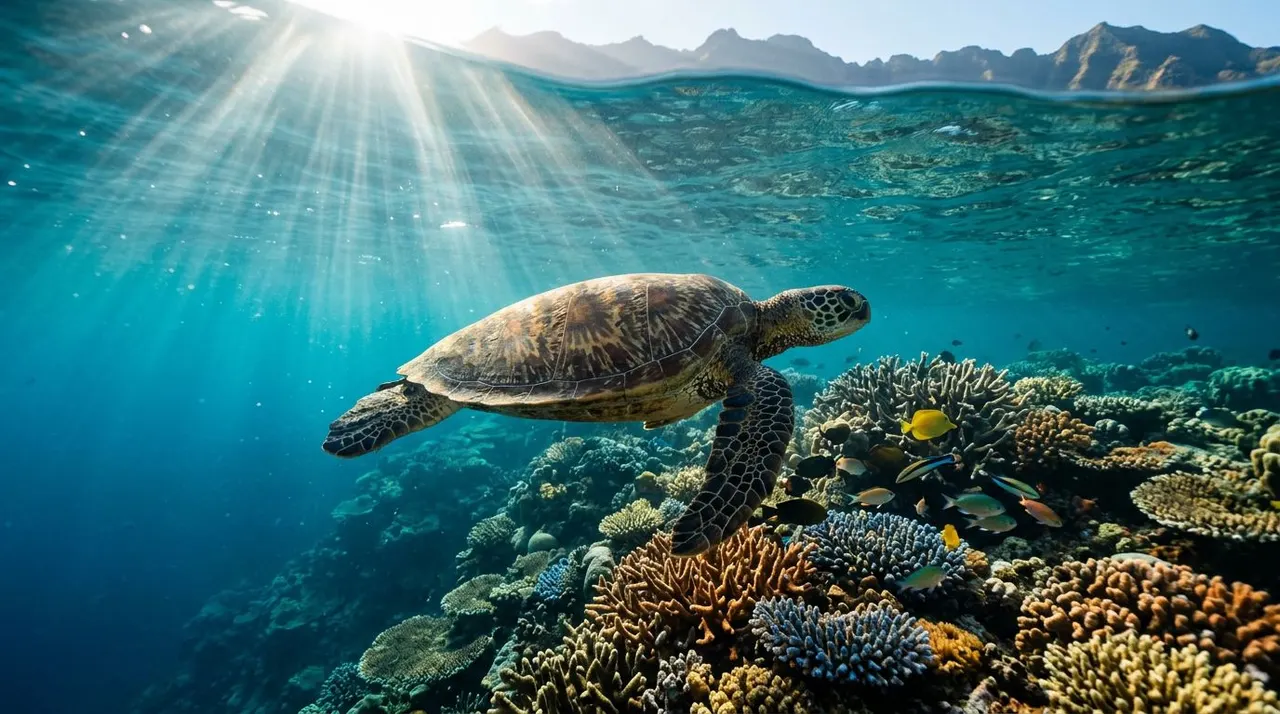
At Turtle Canyon Oahu, seeing Hawaiian green sea turtles glide across the reef makes turtle snorkeling more than a routine activity. The honu holds a respected place in Hawaiian culture, symbolizing protection, longevity, guidance, and family guardianship.
Living Ocean Tours helps you reach this offshore reef with professional snorkel guides and beginner-friendly instruction. The team emphasizes observing wildlife without touching it, so you can enjoy this experience with care.
Key Takeaways
- Turtle Canyon Oahu is an offshore reef known for Hawaiian green sea turtles, or honu, and natural cleaning stations where cleaner fish remove algae and dead skin.
- For many Hawaiian families, honu represents protection, longevity, wisdom, guidance, and family guardianship as an aumakua.
- Guided boat tours from Kewalo Basin Harbor provide safer access to Turtle Canyon than attempting to swim from Waikiki Beach, with trips typically lasting around two hours.
- Summer and early morning departures often bring calmer water and better visibility, but ocean conditions can change quickly and turtle sightings are never guaranteed.
- Keep at least 10 feet away, never touch or chase a turtle, avoid standing on coral, and follow your guide’s instructions to protect both honu and the reef.
The Honu Connection at Turtle Canyon
The Hawaiian word honu refers to Hawaiian green sea turtles, Chelonia mydas. Although the name identifies a species, its cultural meaning reaches much further. For many Hawaiian families, the turtle is an aumakua, an ancestral guardian or spiritual protector connected to a family line.
That belief isn’t universal among all Hawaiian families, so approach the turtle with respect rather than treating it as a simple souvenir symbol. It is often associated with long life, wisdom, strength, safe passage, and protection. Its steady movements and Pacific travels also suggest endurance and guidance.
The turtle appears in Hawaiian stories, petroglyphs, legends, and the Kumulipo, the Hawaiian creation chant. Some traditions also connect turtles with the ocean’s life-giving force and the relationship between people, land, and sea. You can read more about these cultural associations in this overview of Hawaiian honu history.
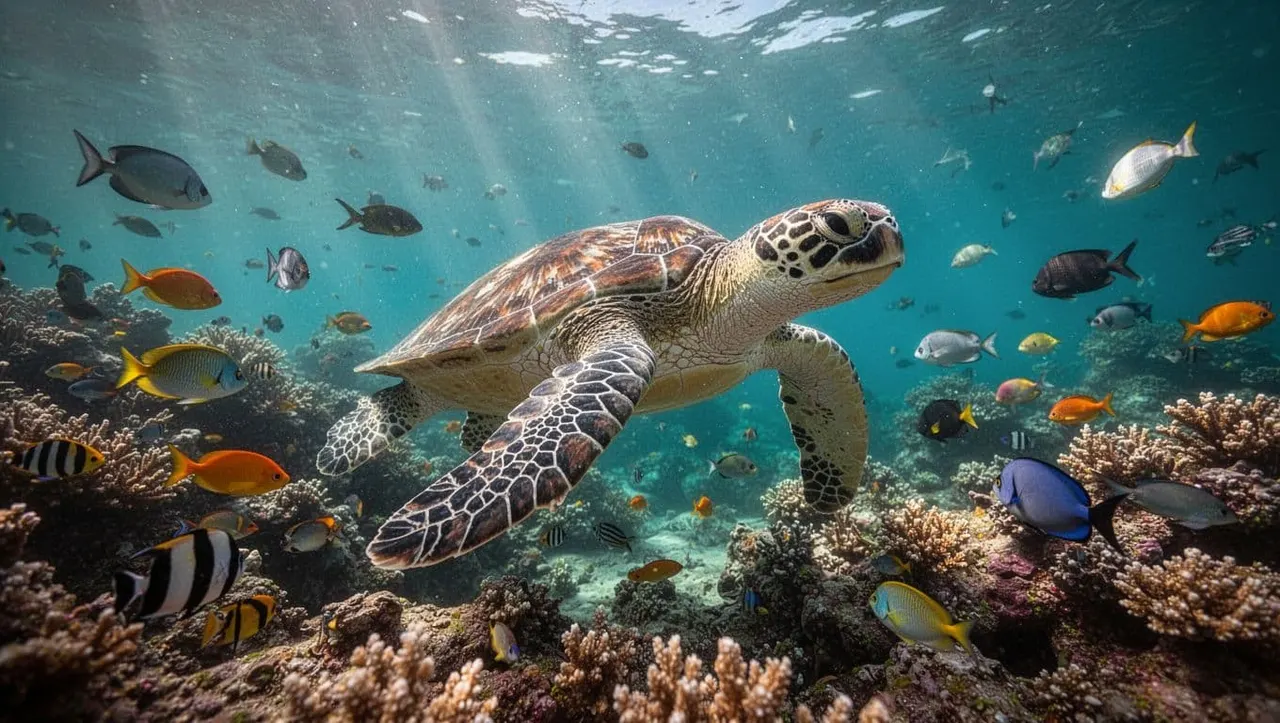
A turtle encounter at Turtle Canyon doesn’t give you ownership of the animal or its story. Instead, it offers a chance to observe a living part of Hawaii’s natural and cultural heritage. That difference matters when you enter the water.
Why Hawaiian Green Sea Turtles Gather at Turtle Canyon
This offshore reef is known for its natural cleaning stations, not simply because turtles pass through the area. These stations form around reef ledges, coral reef structures, and sheltered spaces where a honu can hover while small reef fish clean its body.
Cleaner fish remove algae, dead skin, and small organisms from the turtle’s shell and skin. The fish gain food, while the turtle receives natural grooming. This relationship is called mutualism because both animals benefit within a connected marine ecosystem.
You may notice a turtle moving slowly above a reef ridge or holding still near a ledge. That behavior often means the honu is waiting for the fish to finish their work. A turtle cruising across open water may move quickly, but one at a cleaning station can remain in the same area for several minutes. Understanding this behavior can make turtle snorkeling more rewarding and respectful.
The reef also supports tropical fish and other marine life, so you may see more than turtles during your snorkel. Visibility changes with wind, swell, rainfall, boat traffic, and other conditions. Even on a clear day, no responsible operator can promise that every guest will see a particular animal.
For a helpful introduction to the species, review these Hawaiian green sea turtle facts. The more you understand turtle behavior, the easier it becomes to recognize when an animal needs space.
Reaching Turtle Canyon Oahu by Boat
Turtle Canyon sits roughly 1.5 to 2.5 miles southwest of Waikiki Beach. Because the reef is offshore, swimming directly from the beach isn’t practical or safe. Boat traffic, currents, changing wind, and the distance across open water create risks absent on a guided excursion.
Most boats leave from Kewalo Basin Harbor, near Ala Moana Beach Park. The boat ride to this offshore reef usually takes 10 to 20 minutes, depending on the route and ocean conditions. This format provides practical access for guided turtle snorkeling without a long swim across open water.
A typical excursion lasts around two hours, with approximately one hour spent snorkeling.
Morning trips often have calmer conditions and good visibility, although conditions can change quickly. Summer, especially June through September, usually brings more settled water around Waikiki. Winter swells between November and April can produce choppier conditions, but they don’t automatically cancel a trip or eliminate turtle sightings.
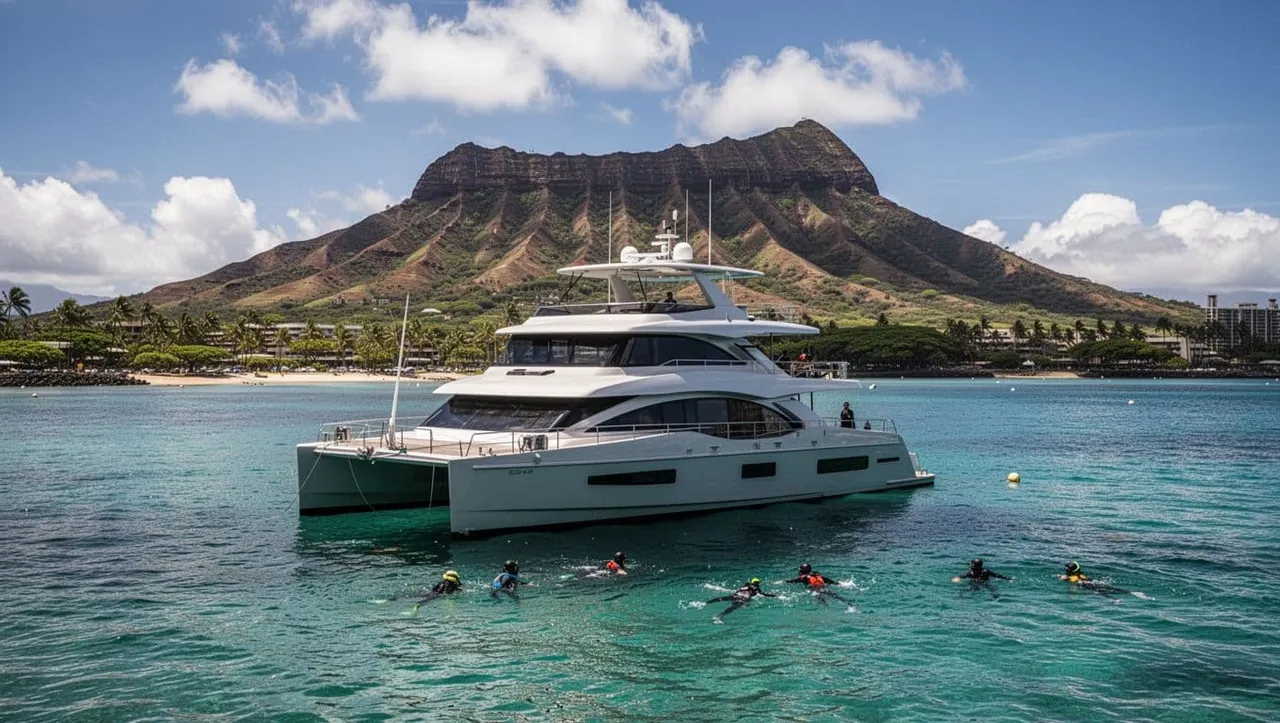
Living Ocean Tours operates from Kewalo Basin Harbor, just minutes from Waikiki Beach. You can compare its guided snorkeling excursions before choosing a departure that fits your schedule.
Choosing a Family-Friendly Turtle Canyon Snorkel Tour
A good family-friendly turtle snorkeling tour gives you more than a boat ride and a mask. Look for a clear safety briefing, properly fitted snorkel gear, calm instruction, and guides who understand turtle behavior.
Living Ocean Tours is the only tour company with professional snorkel guides. Its Turtle Canyons Snorkel Excursion focuses on the reef’s natural cleaning stations. The company reports a 95% success rate for spotting Hawaiian green sea turtles. Sightings are never guaranteed because the animals are wild. The crew chooses locations based on ocean conditions and turtle activity.
The Coast Guard-inspected fleet includes the custom-built double-decker vessels Coral Kai and Lokahi. Both boats offer shaded seating, onboard restrooms, dry storage, and heavy-duty ladders for easier water entry. Lokahi also has a SeaKeeper stabilization system that helps reduce rolling, which can make a difference if you or your children are prone to seasickness.
Families looking for more water activities can choose the Deluxe Waikiki Snorkeling and Wildlife Cruise. This catamaran tour includes snorkeling at a less-crowded reef, plus a boat-mounted water slide, water trampoline, and floating lily pad. These features suit families who want turtle viewing with a larger ocean adventure. A small group may better suit children who need personal guidance.
Guests as young as age 3 can join suitable Living Ocean Tours experiences, and beginners receive guidance before entering the water. Guides can help first-time visitors adjust their snorkel gear, and families should apply reef-safe sunscreen before departure. You can CHECK AVAILABILITY for a Turtle Canyon departure from Kewalo Basin Harbor before finalizing your plans.
Honu Safety Rules You Need to Follow
Hawaiian green sea turtles receive protection under the federal Endangered Species Act. The law prohibits harming, harassing, pursuing, capturing, or killing protected sea turtles. Feeding or touching a turtle can change its natural behavior and put both the animal and snorkeler at risk.
During a Turtle Canyon excursion, keep at least 10 feet away. If a turtle swims toward you, move back and let it control the encounter. Never block its route to the surface, surround it with swimmers, chase it for a photograph, or rest your hands or fins on the reef.
Use reef-safe sunscreen, secure loose equipment, and follow your guide’s instructions. Apply reef-safe sunscreen before boarding so it has time to absorb. This reduces the amount that washes into the water. Never stand on coral, even when the bottom looks sturdy.
NOAA’s honu safety guidance explains how tourism, boats, roads, and shoreline activity can affect sea turtles. Your choices in the water help protect them.
A respectful approach makes turtle snorkeling safer and more responsible. Remember the simple principle: observe, don’t touch. This protects the turtle while allowing you to experience its natural behavior.
Best Times and Shore-Based Alternatives
Summer is usually your strongest choice for calmer water and clearer visibility at Turtle Canyon. June through September often brings more comfortable conditions, while early morning departures may offer lighter wind. Still, daily forecasts matter more than a fixed calendar promise.
Winter can bring larger swells to Oahu’s south shore. Tours may adjust their route or snorkeling location when conditions change. A flexible plan gives you a better experience than insisting on one exact reef.
If you prefer to snorkel from shore, Oahu has other turtle-viewing options. Laniakea Beach on the North Shore is known for honu resting near the shoreline, although surf, currents, and crowds vary. Electric Beach near Kahe Point can offer clear water and marine life, but it requires stronger swimming skills and careful attention to conditions. Hanauma Bay is another popular snorkeling site, with entry rules and reservations that can change. Apply reef-safe sunscreen before visiting, and check local conditions before entering the water.
Shore locations don’t provide the same access as an offshore reef with natural cleaning stations. You may see a turtle resting near land, while Turtle Canyon offers the chance to observe cleaning-station behavior with a trained crew nearby.
Frequently Asked Questions
What does honu mean in Hawaii?
Honu is the Hawaiian word for Hawaiian green sea turtles, Chelonia mydas. For many Hawaiian families, the honu also carries cultural meaning as a symbol of protection, longevity, wisdom, guidance, and family guardianship.
Where is Turtle Canyon Oahu located?
Turtle Canyon sits roughly 1.5 to 2.5 miles southwest of Waikiki Beach. Most guided tours leave from Kewalo Basin Harbor and reach the offshore reef by boat in about 10 to 20 minutes.
What is the best time to snorkel at Turtle Canyon?
Summer, especially June through September, often brings calmer water around Waikiki, while early morning trips may have lighter wind. Conditions can change daily, so check the forecast and remain flexible about the snorkeling location.
Are Turtle Canyon snorkeling tours suitable for beginners and families?
Many guided excursions provide beginner instruction, fitted equipment, and professional guides who can help first-time snorkelers. Living Ocean Tours offers family-friendly experiences, but children and inexperienced swimmers should follow the crew’s safety guidance closely.
How should I behave around Hawaiian green sea turtles?
Keep at least 10 feet away and let the turtle control the encounter if it swims closer. Never touch, feed, chase, surround, or block a turtle, and do not stand on coral or rest your equipment on the reef.
A Respectful Turtle Canyon Experience
Honu gives Turtle Canyon its appeal, but the meaning of the encounter goes beyond getting a close photograph. For many Hawaiian families, the turtle represents protection, ancestry, wisdom, and long life. That cultural context deserves the same care as the reef itself.
When you visit Turtle Canyon, choose a guided trip that values safety and wildlife protection. Responsible turtle snorkeling means keeping your distance and letting turtles control the encounter. Choose reef-safe sunscreen and make choices that help protect the marine ecosystem.


