
Turtle Canyon Oahu: Coral Bleaching and Safer Snorkeling
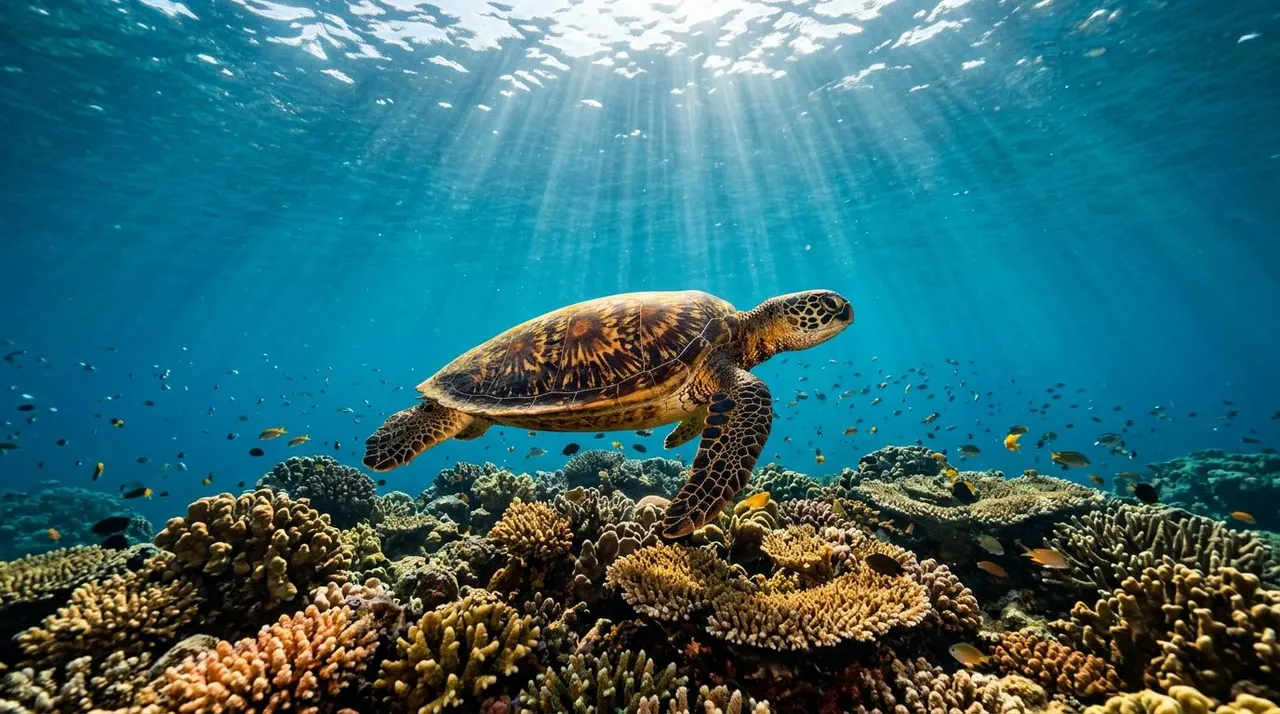
A Turtle Canyon snorkeling trip can put you face-to-face with Hawaiian green sea turtles, but the reef beneath you needs careful attention. As of July 2026, no site-specific bleaching has been confirmed at Turtle Canyon, yet nearby Oahu reefs are showing serious heat stress.
That news doesn’t mean you should cancel your ocean plans. It means you should understand the reef, choose a responsible tour, and enter the water with habits that protect coral and honu.
Key Takeaways
- Turtle Canyon is an offshore reef shelf about 2.5 miles from Waikiki, with depths ranging from roughly 10 to 45 feet.
- No confirmed bleaching has been reported at Turtle Canyon as of July 2026, but nearby reefs have experienced significant stress.
- Warm water, freshwater seepage, mud, and storm runoff can all damage coral.
- You should observe turtles without touching, chasing, feeding, or blocking them.
- A professional guide can help you protect the reef while finding wildlife safely.
What Turtle Canyon’s Reef Looks Like in July 2026
Turtle Canyon sits south of Waikiki and is accessible only by boat. Its sheltered reef areas create natural cleaning stations, where small reef fish remove algae and parasites from Hawaiian green sea turtles, also called honu.
The reef shelf includes shallow sections near 10 feet and deeper areas reaching about 45 feet. That range gives you different snorkeling conditions depending on visibility, waves, current, and the day’s boat location. Your guide may move to another section if water conditions change.
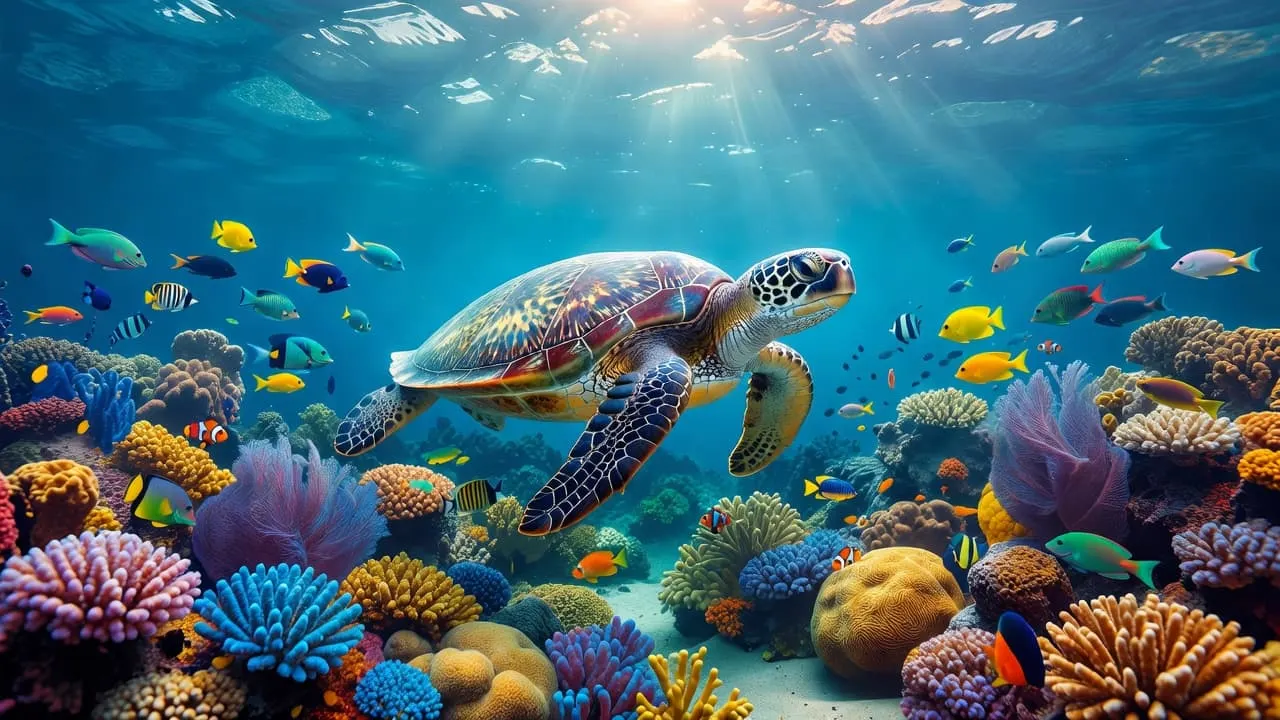
Turtles visit Turtle Canyon throughout the year, and guided trips often report sightings. Living Ocean Tours reports a 95% success rate for spotting Hawaiian green sea turtles at the natural cleaning station. That is a strong record, but no wildlife encounter can be guaranteed. The animals decide when and where they swim.
Coral bleaching doesn’t mean every coral colony has died. During heat stress, coral expels the microscopic algae that provide much of its color and energy. The coral turns pale or white. If the water cools soon enough, it may recover. Extended heat can leave coral weak and more vulnerable to disease, starvation, and physical damage.
As of July 2026, Turtle Canyon’s offshore position may offer some protection from direct coastal runoff. Still, the reef remains connected to wider ocean conditions. A healthy-looking reef can also contain individual colonies under stress, so you may see both colorful coral and pale patches on the same trip.
Why Coral Bleaching Matters on Oahu
Coral bleaching usually begins when water stays warmer than a coral colony can tolerate. Even a rise of about 2 to 3 degrees Fahrenheit can create serious stress when the heat lasts long enough.
Oahu is facing several overlapping pressures in 2026. A June survey by the Hawaii Division of Aquatic Resources found bleaching signs across 75% of coral cover at depths greater than 40 feet on surveyed nearby reefs. Freshwater seepage after strong storms may have added stress in those deeper areas.
March’s Kona-low storms also pushed large amounts of mud and polluted runoff toward nearshore reefs in parts of Oahu. Sediment can cover coral, reduce sunlight, and carry substances that harm reef organisms. Turtle Canyon is offshore, so the effects may differ from reefs close to land, but storm conditions can still change visibility and water quality.
Marine heat is another concern. NOAA forecasts indicate that Hawaii could reach bleaching heat stress warning levels during summer 2026, with Alert Level 1 conditions possible by October. Forecasts describe regional risk, not a guaranteed outcome at one snorkeling site.
The difference matters when you plan your visit. A bleaching alert doesn’t automatically mean Turtle Canyon is closed or unsafe for you. It does mean you should check current operator updates, follow local rules, and avoid treating the reef as a swimming pool floor.
You can also review the EPA’s coral reef protection guidance before your trip. The agency recommends safe snorkeling practices, avoiding contact with coral, and preventing boat anchors from damaging reefs. Local reporting has also tracked the growing concern about coral health and recreational losses in Hawaii.
How to Snorkel Turtle Canyon Without Harming Coral or Honu
Your behavior in the water has a direct effect on the reef. Coral may look like rock, but it is a living colony of tiny animals. One careless kick, handhold, or step can break branches that took years to grow.
Keep your body horizontal and use slow, controlled fin movements. If you need to rest, signal your guide or hold a boat ladder. Never stand on coral, even when the water feels shallow enough to reach the bottom.
Give turtles plenty of space. Federal protections prohibit touching, chasing, or approaching Hawaiian green sea turtles within 10 feet. A turtle may swim toward you, but you should still stay calm and allow it to pass. Don’t follow it into a narrow area or surround it with other swimmers.
You should also avoid feeding fish or turtles. Food changes natural behavior and can make wildlife associate people with handouts. Your guide can point out cleaning stations and explain what you’re seeing without encouraging contact.
Use a rash guard, hat, and shade whenever possible. If you apply sunscreen, choose a mineral formula and put it on before you board the boat. Labels such as “reef-safe” don’t have one universal legal standard, so read the ingredients and use the smallest amount you need. Covering your skin reduces sunscreen runoff and protects you from sunburn.
Follow these simple habits during every Turtle Canyon snorkeling trip:
- Keep your hands off coral, turtles, and other marine life.
- Stay behind your guide and follow instructions about distance and depth.
- Avoid dragging fins across the bottom.
- Secure loose items before entering the water.
- Take every piece of trash back to the boat.
- Don’t enter the water if you’re sick, impaired, or too tired to control your movements.
Good snorkeling is quiet and patient. When you stop chasing wildlife, turtles often remain nearby longer. You also give other guests a better view without crowding the animal.
Choosing a Turtle Canyon Tour During Changing Reef Conditions
A responsible operator should explain reef etiquette before you enter the water, watch conditions during the trip, and adjust the plan when needed. Ask whether the crew provides in-water instruction, how beginners receive help, and what happens if visibility or weather changes.
Living Ocean Tours departs from Kewalo Basin Boat Harbor, only minutes from Waikiki Beach. The company focuses on guided marine experiences along the Waikiki coast, including its Turtle Canyons Snorkel Excursion. Living Ocean Tours is the only tour company with professional snorkel guides, giving you direct support whether you’re a first-time snorkeler, an experienced swimmer, or traveling with children ages 3 and older.
The company’s Coast Guard-inspected double-decker vessels, Coral Kai and Lokahi, include shaded seating, restrooms, dry storage, and sturdy ladders for water entry. Lokahi also has a SeaKeeper stabilization system, which helps reduce side-to-side rolling for guests who worry about seasickness.
That comfort matters when you need to focus on your breathing, body position, and distance from coral. A steady ladder also makes getting back aboard easier after your swim. Beginners can ask for help with masks, fins, flotation, and basic snorkeling technique before entering the water.
You can compare available departure times through the Living Ocean Tours experiences. When you book, check the meeting location, trip length, age requirements, cancellation terms, and current weather guidance.
The Turtle Canyons excursion has a strong turtle sighting record, but the crew’s responsibility goes beyond finding wildlife. Professional guides can identify sensitive reef areas, explain what you see, and help keep guests from touching or crowding animals.
For current departure options, you can check the Turtle Canyon trip here:
What You Should Expect on the Water
Water conditions can change between the time you reserve a tour and the time you reach the reef. Wind affects surface chop, storms reduce visibility, and strong currents can make snorkeling tiring. Your captain and guide may select a different section of Turtle Canyon or change the route to protect guests and the reef.
Bring a swimsuit, towel, reef-conscious sun protection, and a dry change of clothes. Eat a light meal before departure if you tend to feel motion sick. The boat’s stabilization system can help, but no vessel can remove every effect of ocean movement.
If you aren’t comfortable snorkeling, tell the crew before you enter the water. You may use flotation support, stay near the boat, or watch from the deck. You don’t need advanced swimming skills to enjoy the trip, but you do need to follow safety instructions and remain honest about your comfort level.
You may see pale coral during your visit, especially if regional heat stress continues. Don’t assume every white patch means the whole reef is dying. Some areas may show bleaching, recent damage, sand, or natural variation. Your guide can help you interpret what you’re seeing without touching anything.
The best souvenir is a clear memory and a reef that remains intact for the next group. Keep shells, coral fragments, and rocks where they are. Even loose pieces provide shelter for small marine life and belong in the ecosystem.
Key Takeaways for a Responsible Turtle Canyon Visit
Turtle Canyon remains a valuable snorkeling site with natural turtle cleaning stations and year-round honu activity. As of July 2026, the site has no confirmed bleaching report, but nearby Oahu reefs face heat, storm runoff, and freshwater stress.
You can still enjoy the experience while reducing your impact. Keep your distance, control your fins, avoid coral contact, and listen to your guide. When you choose a professional crew and observe instead of touching, your visit becomes safer for you and more respectful to Hawaii’s ocean life.
Conclusion
Coral bleaching adds an important layer to your Turtle Canyon Oahu plans, but it doesn’t take away the wonder of seeing a honu glide through clear water. It asks you to pay closer attention to conditions and your own behavior.
Choose a guided trip, respect the 10-foot turtle distance, and leave the reef exactly where you found it. The best encounter is one where you watch the ocean’s wildlife without becoming part of its stress.


