
Turtle Canyon Oahu: How Green Turtles Navigate Open Water
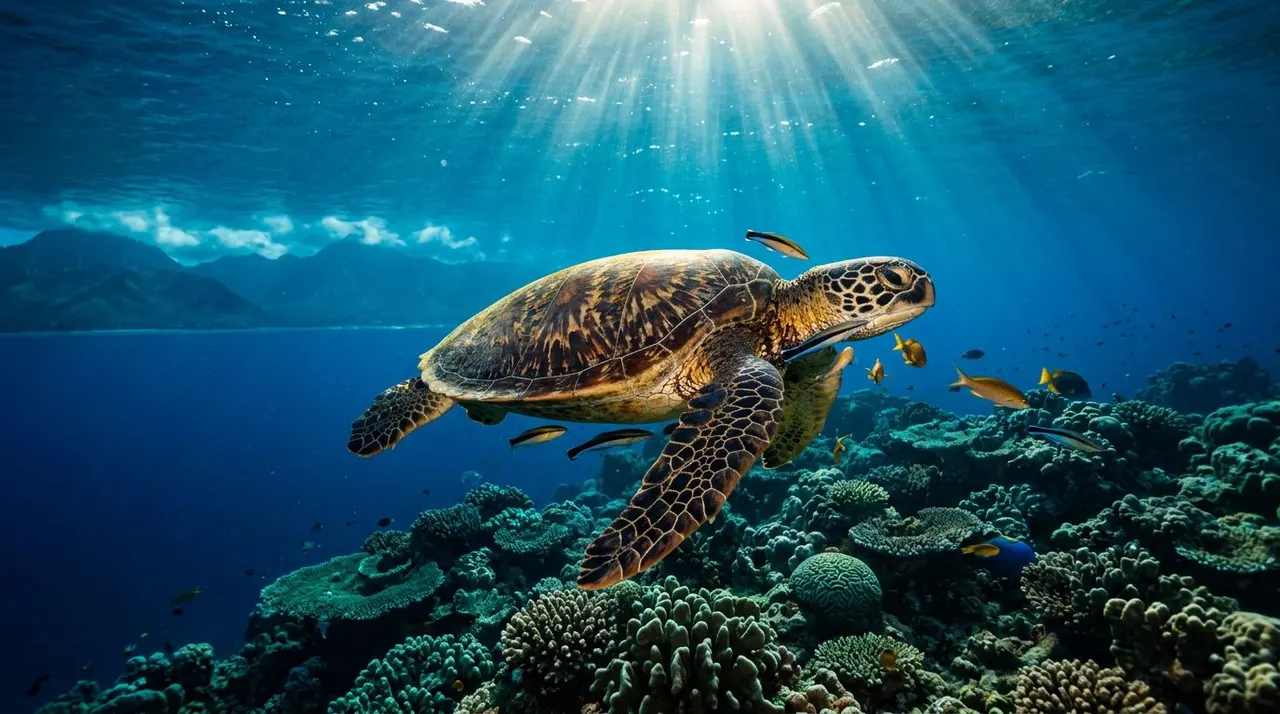
A green sea turtle can cross open ocean without a map, motor, or visible landmark. When you snorkel at Turtle Canyon Oahu, you may see only the final part of that journey: a calm turtle gliding over the reef, rising for air, or resting at a natural cleaning station.
The route behind that moment is far more complex. Hawaiian green turtles use Earth’s magnetic field, wave movement, currents, memory, and coastal features to find food and familiar waters. Once you understand how they travel, your visit becomes more than a wildlife sighting.
Why Green Turtles Visit Turtle Canyon
Turtle Canyon sits offshore from Waikiki along Oahu’s south shore. The site is known for reef habitat and a natural underwater cleaning station where green sea turtles may pause while small reef fish remove algae and other growth from their shells.
That stop is useful, but Turtle Canyon isn’t a permanent home for every turtle you see. Hawaiian green turtles, also called honu, move between feeding areas, resting places, cleaning stations, and breeding locations. Their daily route can change with food, water conditions, currents, and other turtles nearby.
When you watch one glide over the reef, pay attention to its pace. A healthy turtle often moves with slow, powerful strokes, then rests by settling near the bottom. Its shell can look still while its front flippers make small adjustments against the current.
The turtle may also rise for air and return to the reef several minutes later. That short trip to the surface is part of normal behavior, not a sign that the animal is leaving the area. Green turtles are strong swimmers, and they can cover a surprising distance between breaths.
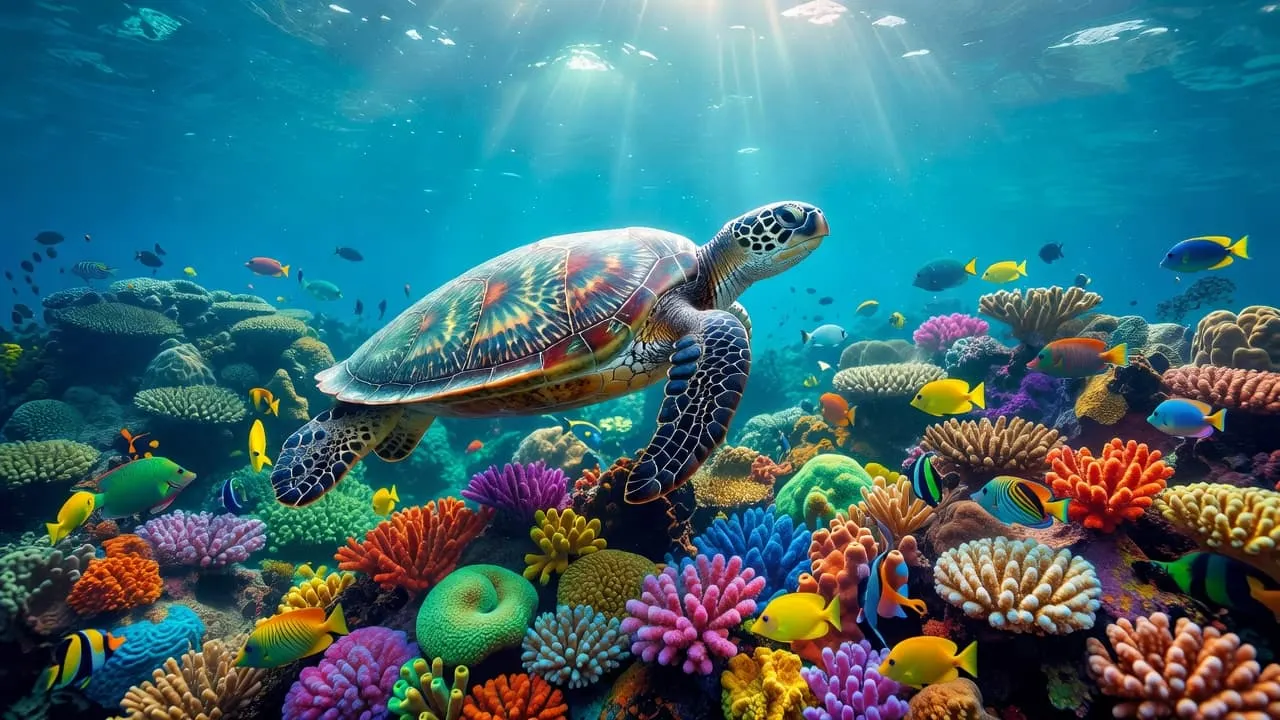
Green turtles use reef habitat for feeding, resting, and cleaning.
Turtle Canyon’s location also gives turtles access to the wider Waikiki coastline. Reefs, shorelines, channels, and changes in water depth create useful reference points. You may not see those features as a clear route, but a turtle can use them as part of its coastal movement.
How Green Turtles Find Their Way Across Open Water
Green turtles have a natural compass. Research shows that sea turtles can sense Earth’s magnetic field and use its direction to orient themselves during long-distance travel. The field changes across the planet, creating magnetic signatures that can help turtles identify broad areas of ocean.
A turtle’s magnetic sense works in two ways. It can provide a compass direction, helping the animal choose which way to swim. It may also act like a map, allowing the turtle to recognize magnetic conditions associated with a particular region.
Scientists still study the full process, but you can read a clear overview of turtle ocean navigation through the Sea Turtle Status navigation guide. Research indexed by PubMed on sea turtle navigation also describes how turtles orient toward the sea and respond to magnetic and wave-based cues.
Young turtles use wave movement when they first enter the ocean. Swimming into waves helps them move away from shore, where they could become stranded or swept back onto land. Once they reach open water, other cues become more important.
Currents also influence a turtle’s route. A green turtle doesn’t need to fight every current directly. It can adjust its heading, accept some drift, and use favorable water movement to save energy. Over long distances, small changes in direction can produce a major difference in the final location.
The sun and coastline may help near shore, although clouds and changing conditions can limit visual cues. Turtles also learn through experience. A turtle that returns to the same feeding or resting area may recognize the area’s magnetic signature and combine it with local features.
You can think of this system as layered guidance rather than one perfect signal. The magnetic field provides a broad direction. Currents affect the route. Reef contours and shorelines help near Oahu. Familiar habitat tells the turtle when it has arrived.
What Navigation Looks Like Beneath the Surface
You won’t see a turtle’s magnetic sense while snorkeling, but you can notice the results. At Turtle Canyon, a turtle may approach along the reef edge, settle near a cleaning station, and leave when it needs to feed or rest elsewhere.
The route often looks effortless. Green turtles have broad front flippers that provide strong thrust, while their rear flippers help with balance and steering. Their streamlined shells reduce drag as they move through the water.
Water conditions can change the turtle’s behavior. A stronger current may cause it to swim closer to the reef, where the rock provides some shelter. In calmer water, it may cross a wider section of the canyon before settling down.
A turtle that disappears from view hasn’t necessarily traveled far. It may have dropped behind a coral formation, moved below the boat, or surfaced outside your viewing area. Give the animal room instead of following it. Chasing can interrupt feeding, resting, or breathing behavior.
Your guide can help you read these movements without disturbing the turtle. Watch where the animal is headed, then keep your body still and allow it to choose the distance. A quiet swimmer often gets a better view than someone who kicks toward the turtle.
The best turtle encounter happens when you let the turtle control the distance and direction.
See Turtle Canyon With Professional Snorkel Guides
Living Ocean Tours operates from Kewalo Basin Boat Harbor, a short drive from Waikiki Beach. The company focuses on guided marine experiences along Oahu’s south shore, including its Turtle Canyons Snorkel Excursion.
Living Ocean Tours is the only tour company with professional snorkel guides. That matters when you’re a first-time snorkeler, traveling with children, or trying to understand what you’re seeing below the surface. Guides provide safety direction, help you enter the water, and point out wildlife without turning the encounter into a chase.
The Turtle Canyons excursion reports a 95% success rate for spotting Hawaiian green sea turtles at the natural cleaning station. Wildlife sightings can never be guaranteed, but a professional crew can choose suitable conditions and help you make the most of your time in the water.
The fleet includes the Coast Guard-inspected Coral Kai and Lokahi, both custom-built double-decker vessels with shaded seating, restrooms, dry storage, and sturdy ladders. The Lokahi also has a SeaKeeper stabilization system that reduces rolling, which can help if you feel uneasy on a moving boat.
You don’t need advanced snorkeling experience. Tell the crew about your comfort level before entering the water, follow their instructions, and use the available support equipment as directed. Families with children ages 3 and up can also ask about the best setup for their group.
You can view the available Honolulu snorkeling and sightseeing tours before choosing a departure. During the trip, the most important rule remains simple: observe, don’t touch. Never hold onto a turtle, block its path, stand on coral, or swim directly above the animal.
How to Prepare for a Responsible Turtle Encounter
Check the day’s ocean conditions before you leave your hotel. Wind, waves, and visibility can affect how comfortable you feel in the water. If you’re prone to seasickness, choose a steadier vessel when possible, eat a light meal, and follow the crew’s advice.
Bring a swimsuit, towel, reef-conscious sunscreen, and a change of dry clothing. Secure loose items before you enter the water. If you wear prescription glasses, ask about mask options before departure so you can focus on the reef instead of adjusting your gear.
Once you’re snorkeling, keep your movements controlled. Use slow kicks, avoid splashing near a turtle, and leave enough room for it to turn or rise for air. Never touch the shell, even if the turtle swims close to you. Hawaiian green turtles are protected wildlife, and contact can stress the animal or damage its shell.
You can also protect the reef by keeping your fins off the bottom. Coral grows slowly, and one careless kick can break living structure that fish and turtles use for shelter. Listen when your guide points out sensitive areas or asks you to change direction.
If you want to compare dates for a Turtle Canyon snorkel trip, CHECK AVAILABILITY before your preferred morning fills.
Conclusion
When you spot a green turtle at Turtle Canyon Oahu, you’re seeing one moment in a much larger journey. Magnetic fields, currents, waves, coastal features, and learned routes help these animals cross open water and return to productive habitat.
Your role is simple but important. Stay calm, follow your professional guide, protect the reef, and let the honu decide where it swims. That approach gives you a memorable encounter while respecting the ocean that brought the turtle there.


