
Turtle Canyon Oahu: How Sea Turtles Use Salt Glands
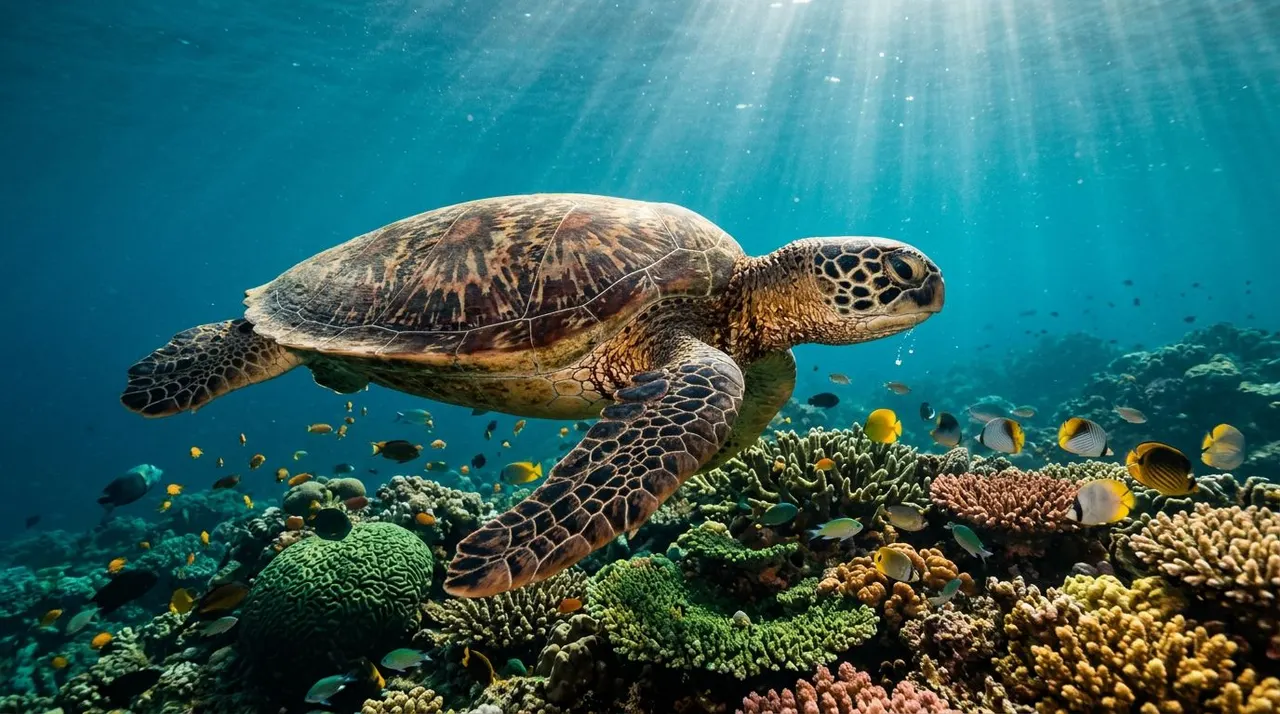
At Turtle Canyon Oahu, you may watch a Hawaiian green sea turtle glide past the reef, pause at a ledge, and rise for air. You might also notice water around its eyes and wonder whether the turtle is crying. Those droplets come from an important survival system: specialized salt glands that help sea turtles live in ocean water.
When you understand how these glands work, your snorkel becomes more than a wildlife encounter. You can read the turtle’s behavior, appreciate its adaptations, and observe it without disturbing its routine.
Key Takeaways
- Hawaiian green sea turtles use salt glands near their eyes to remove excess salt.
- The glands release concentrated salty fluid through ducts near the eyes.
- Apparent tears don’t mean a turtle is sad or injured.
- Turtle Canyon is a natural reef habitat where honu may rest, feed, or visit cleaning areas.
- Responsible snorkeling means watching without touching, feeding, chasing, or blocking a turtle’s path.
Why Turtle Canyon Oahu Is a Good Place to See Honu
Turtle Canyon is a submerged reef area off Waikiki’s coast. Its rocky ledges, coral structures, and shallow sections create habitat for tropical fish and Hawaiian green sea turtles, known locally as honu.
The reef provides more than a place to swim. Green turtles may rest on the bottom, graze on algae, or pause while small fish remove material from their shells. These visits can make the area feel like an underwater neighborhood, but the turtles still need space to move naturally.
Your sighting may last only a few seconds, or you may watch a turtle for several minutes. Conditions change with water clarity, swell, sunlight, and animal behavior. No responsible guide can promise that a wild turtle will appear on a schedule. However, Turtle Canyon is a well-known snorkeling area because its reef habitat regularly attracts marine life.
Hawaiian green sea turtles spend most of their lives in the ocean, yet they must surface to breathe air. They also need to keep their internal body fluids balanced while surrounded by saltwater. Every swallow of seawater and every bite of marine vegetation adds to their salt intake.
That creates a biological problem. If the turtle allowed salt to build up inside its body, excess sodium and chloride would pull water away from cells. The result could threaten hydration and normal organ function. Salt glands solve that problem.
The watery fluid around a sea turtle’s eyes is part of its ocean survival system, not a sign of sadness.
How Sea Turtle Salt Glands Work
Sea turtles have large salt glands positioned above and behind their eyes. Scientists often describe them as modified lacrimal glands, which are related to the tear-producing glands found in other animals.
The location is practical. A duct carries the concentrated salt solution toward the corner of the eye. When the turtle activates the gland, the fluid leaves the body through the eye area and washes away in seawater.
Inside the gland, specialized cells move salt ions out of the bloodstream. Sodium and chloride pass through cellular transport systems into tiny channels. Water follows the concentrated solution, creating a fluid that contains far more salt than ordinary body fluids.
The turtle then releases that salty fluid. This process is called extrarenal salt excretion because it removes salt through a gland instead of through the kidneys.
The kidneys still matter. They help control water and waste, but a sea turtle’s kidneys can’t remove salt as effectively as the specialized glands. Salt glands handle the heavy load while the kidneys manage other jobs.
This adaptation allows a marine reptile to maintain a safer internal balance in an environment that constantly surrounds it with saltwater. The system is especially useful because sea turtles don’t have the option of drinking freshwater whenever they need it.
Why the glands sit near the eyes
The eye area gives the salt solution a direct exit. A turtle doesn’t need to open its mouth, change its swimming pattern, or stop feeding to release excess salt.
The glands also protect the eyes in another way. Sea turtles must keep their eyes functional in seawater, where salt and particles can irritate sensitive tissue. The fluid helps clear the area while carrying salt away from the body.
You may not always see the process clearly underwater. Normal eye moisture, sunlight, bubbles, and water movement can create similar effects. Even so, visible fluid near the eye fits the turtle’s anatomy and may indicate that its salt glands are active.
When sea turtles start using salt glands
The adaptation begins early. Sea turtle hatchlings enter saltwater soon after leaving the beach, so they need a way to manage salt before they become adults.
Their glands develop as part of their marine lifestyle. A hatchling may travel through open ocean for long periods, where access to freshwater is limited. The ability to remove salt helps it survive those first demanding stages of life.
Green turtles later spend time in coastal feeding areas, including reefs and shallow bays. Their diet adds another source of minerals and salt. Salt glands continue to support them as their bodies grow and their feeding patterns change.
What You May Notice During a Turtle Canyon Snorkel
A turtle’s behavior tells you more than a close-up view. Watch how it approaches a reef ledge, rests without moving its flippers, or slowly rises toward the surface.
A relaxed turtle often moves with steady, controlled strokes. It may pause near the bottom, turn its head toward the reef, or drift through an area with cleaner fish. If it suddenly changes direction, swims away quickly, or repeatedly surfaces, you may be too close.
Salt glands aren’t something you can inspect during a snorkel. You won’t see the gland itself, and you shouldn’t try to approach a turtle’s face for a better look. The best observation keeps the full animal in view and leaves its personal space undisturbed.
Instead, notice the details that reveal how well the turtle is adapted to the ocean:
- A streamlined shell helps it move efficiently through the water.
- Broad front flippers provide power during longer swims.
- Strong lungs let it hold its breath while resting or feeding.
- Salt glands help control the minerals it absorbs in seawater.
These features work together. The salt gland is one part of a larger system that lets a land-breathing reptile spend its life at sea.
How to Snorkel Responsibly Around Hawaiian Green Sea Turtles
Honu are protected wildlife, and your actions can affect their feeding, resting, and breathing patterns. Keep your hands to yourself, even if a turtle swims close enough to touch. A turtle may approach out of curiosity, but that doesn’t give you permission to make contact.
Never chase a turtle, surround it with swimmers, block its route to the surface, or try to guide it toward a better photograph. Don’t feed it, either. Human food can change natural behavior and create unsafe associations.
Follow these habits during your Turtle Canyon visit:
- Stay calm and let the turtle choose the distance.
- Keep your fins away from the reef and avoid standing on coral.
- Leave a clear path to the surface.
- Use reef-safe sun protection and avoid littering.
- Listen to your guide when ocean conditions or wildlife behavior change.
Good buoyancy control makes a real difference. If you can float without kicking hard, you’ll create less noise and avoid brushing against coral. Beginners can practice this skill with a guide before reaching the main snorkeling area.
Responsible viewing also protects the place where the turtles feed. Green turtles graze on algae, and healthy reef habitat supports the fish and invertebrates that share the area. A single careless touch can damage fragile organisms that took years to grow.
A Guided Way to Visit Turtle Canyon Oahu
If you want to learn about honu while staying comfortable in the water, Living Ocean Tours offers the Turtle Canyons Snorkel Excursion from Kewalo Basin Boat Harbor, a short drive from Waikiki Beach. The company focuses on guided ocean experiences, marine education, and respectful wildlife viewing.
Living Ocean Tours is the only tour company with professional snorkel guides. That matters when you’re snorkeling for the first time, traveling with children, or trying to understand what you’re seeing below the surface. The crew can help you with equipment, water entry, swimming confidence, and safe observation practices.
The company reports a 95% success rate for spotting Hawaiian green sea turtles at a natural underwater cleaning station. Wildlife sightings can never be guaranteed, but professional guidance helps you make better use of your time on the reef.
The custom-built, Coast Guard-inspected vessels Coral Kai and Lokahi include shaded seating, restrooms, dry storage, and sturdy ladders. These features make the trip easier when you need a break between swims. The Lokahi also includes SeaKeeper stabilization technology, which helps reduce rolling on the water.
You can review the Turtle Canyons Snorkel Excursion before choosing a departure. The experience suits beginners, families, couples, and confident swimmers who want more context during a Turtle Canyon visit.
Conclusion
The next time you see a honu near Turtle Canyon Oahu, remember that its apparent tears may come from a precise salt-removal system. Specialized glands near the eyes help the turtle control its body fluids while it lives in the sea.
Your role is simple: keep a respectful distance, protect the reef, and let the turtle set the pace. With a professional guide and careful observation, you can enjoy an unforgettable encounter without interrupting the animal’s natural life.


