
Turtle Canyon Oahu: Do Green Turtles Have Teeth?
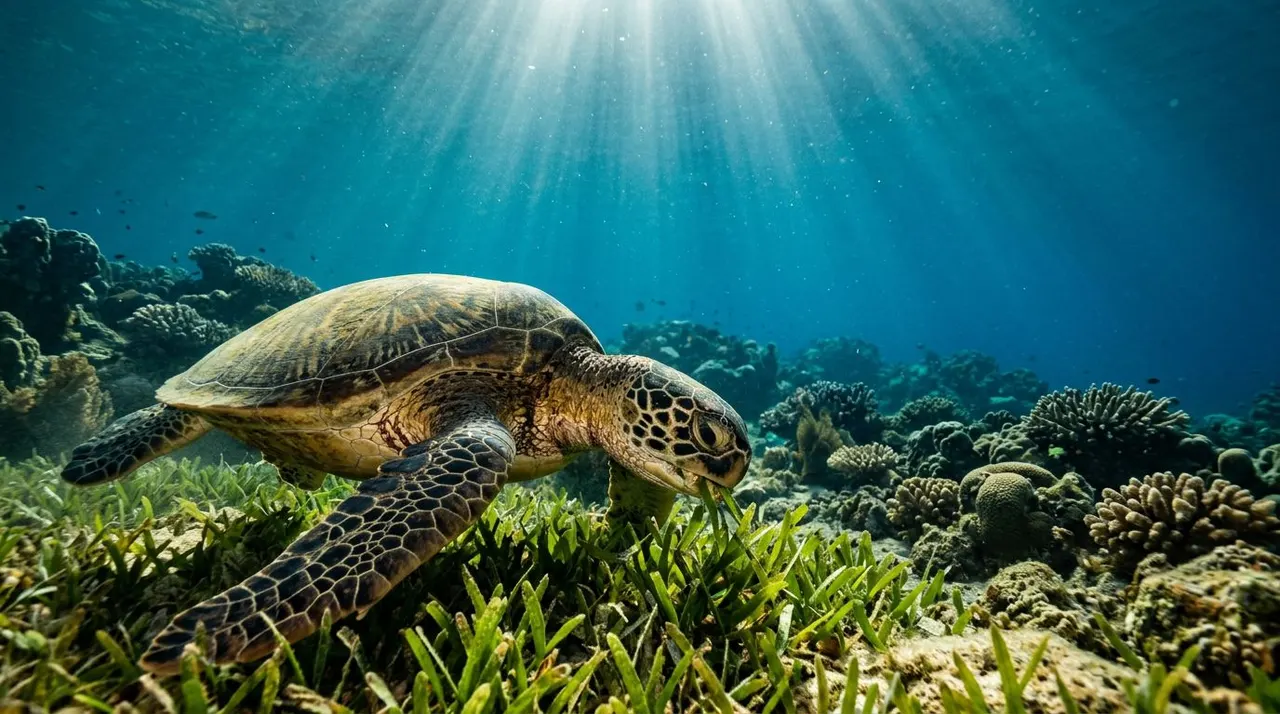
A green sea turtle can look gentle as it glides over the reef, but its mouth raises an unusual question: does it have teeth? If you’re planning to snorkel at Turtle Canyon Oahu, knowing how these turtles eat helps you understand what you’re seeing beneath the surface.
The short answer is no. Green turtles don’t have teeth, but they do have strong, sharp-edged jaws that help them crop algae and seagrass. Their feeding habits also explain why you should observe them calmly instead of touching, chasing, or feeding them.
Do Green Turtles at Turtle Canyon Oahu Have Teeth?
Green sea turtles don’t have teeth in their upper or lower jaws. Instead, they have a hard, keratin-covered beak called a rhamphotheca. Keratin is the same durable material found in human fingernails, although a turtle’s beak is much stronger.
The edges of a green turtle’s jaws are firm and slightly serrated. This design lets the turtle bite through marine plants and tear food into manageable pieces. The turtle doesn’t chew with molars. It uses repeated jaw movements to cut and process food before swallowing.
That beak is well suited to an adult green turtle’s plant-based diet. According to NOAA Fisheries’ green turtle profile, green turtles mainly eat algae and seagrasses, although younger turtles may consume more animal matter.
A toothless mouth doesn’t mean a turtle is harmless if handled. An adult green turtle has strong jaw muscles and can bite when frightened or restrained. However, a turtle swimming freely at a respectful distance isn’t looking for a fight. It wants to feed, rest, or visit a cleaning station.
Green turtles have no teeth, but their keratin beaks still deserve respect. Never place your hand near a turtle’s mouth.
How a Green Turtle’s Beak Works
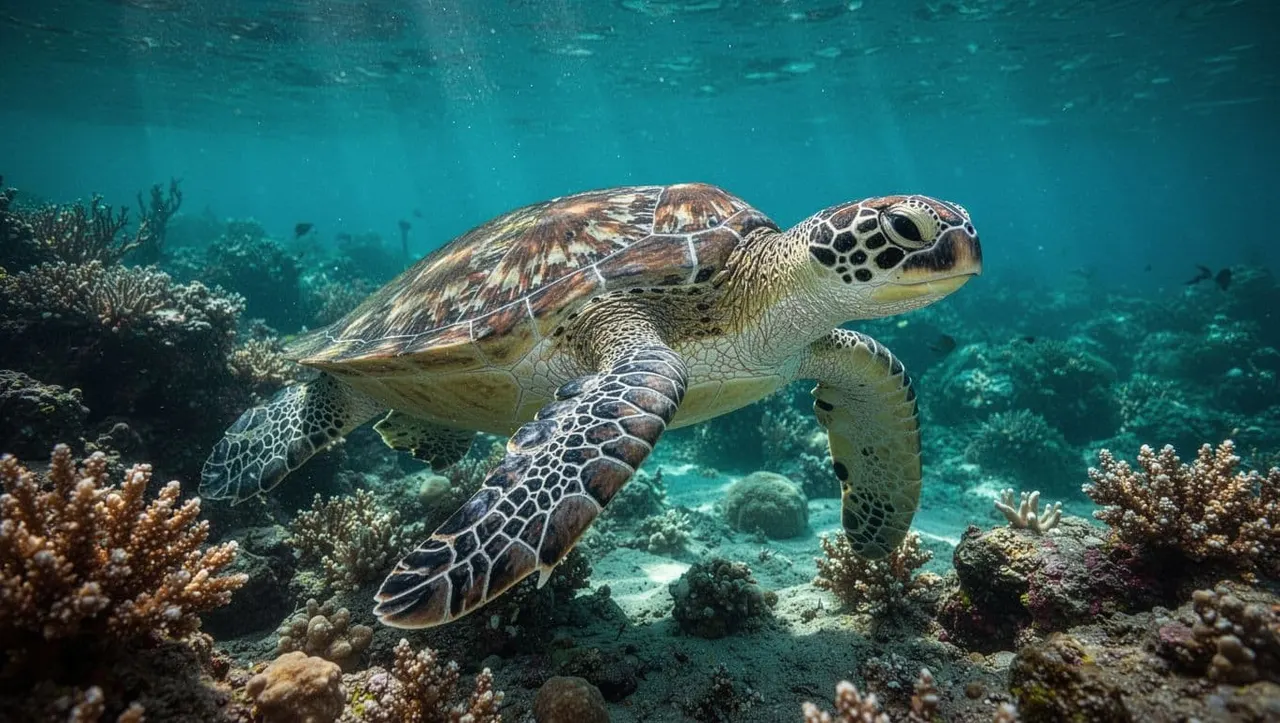
A green turtle’s beak acts more like a pair of tough garden shears than a set of human teeth. The upper and lower jaw edges meet to clip vegetation from rocks or the seafloor.
When you watch a turtle graze, you may see it make short, deliberate bites. It can scrape algae from a surface or cut soft plant material. The turtle then swallows the pieces rather than grinding them with teeth.
A young green turtle may have a broader diet than an adult. Juveniles can eat jellyfish, small invertebrates, and other available food. As they mature, many green turtles shift toward algae and seagrass. That change supports the species’ important role in maintaining healthy marine habitats.
The turtle’s beak also gives you a useful clue during a snorkel. A green turtle has a rounded face and a relatively blunt beak. You won’t see pointed teeth, fangs, or tooth-like structures when it opens its mouth.
Why Green Turtles Visit Turtle Canyon Oahu
Turtle Canyon is a reef area off Waikiki where Hawaiian green sea turtles often gather. The location offers resting areas, food sources, and underwater cleaning stations. Small reef fish can remove algae and other material from a turtle’s shell and skin while the turtle remains still.
That cleaning behavior creates the calm encounters snorkelers hope to see. A turtle may hover above the reef, rest on the bottom, or slowly circle through the water. You may also notice fish moving around its shell while the turtle appears relaxed.
The turtles don’t visit because people feed them. In fact, feeding wildlife can change natural behavior and create risks for both animals and visitors. A healthy encounter gives the turtle space to choose where it swims.
Green turtles are not the only sea turtles found in the Pacific. Hawksbill turtles have a narrower, more pointed beak because their diet often includes sponges and other reef organisms. NOAA’s hawksbill turtle species information provides a useful comparison.
| Feature | Green turtle | Hawksbill turtle |
|---|---|---|
| Teeth | None | None |
| Jaw shape | Broad, strong, slightly serrated edges | Narrow, pointed beak |
| Common adult foods | Algae and seagrasses | Sponges and other reef organisms |
| Face shape | Rounded | Narrow and hooked |
Both species have keratinous beaks instead of teeth. You can see more technical detail in this sea turtle jaw anatomy research, which describes the beak structures found along sea turtle jaws.
What You Can Expect on a Turtle Canyon Snorkel Tour
Living Ocean Tours operates from Kewalo Basin Boat Harbor, only minutes from Waikiki Beach. Its Turtle Canyons Snorkel Excursion takes you to a natural underwater cleaning station where the company reports a 95% success rate for spotting Hawaiian green sea turtles.
Wildlife sightings can never be guaranteed because turtles are wild animals. Still, choosing a crew familiar with the reef can improve your experience. Living Ocean Tours is the only tour company with professional snorkel guides, giving you in-water support while you learn how to move safely around marine life.
The custom-built, Coast Guard-inspected double-decker vessels, Coral Kai and Lokahi, include shaded seating, onboard restrooms, dry storage, and sturdy ladders for water entry. These features help you stay comfortable before and after your time in the water.
Lokahi also includes a SeaKeeper stabilization system that reduces rolling while the boat is underway. That can be helpful if you’re sensitive to motion or want a steadier ride between the harbor and the reef.
You don’t need advanced snorkeling skills to participate. The crew can help first-time snorkelers understand their equipment, enter the water safely, and stay aware of the group. Families with children ages 3 and older can also choose an experience designed for a relaxed day on the ocean.
Browse the full selection of Living Ocean Tours experiences before choosing the option that fits your schedule and interests.
How to Snorkel Near Green Turtles Responsibly
Your behavior in the water affects the quality of the encounter. Stay calm, keep your hands to yourself, and let the turtle decide how close it wants to come.
A turtle may swim toward your group briefly, but you should never block its path. If it changes direction, give it more room. Avoid diving down beside it, surrounding it, or following it as it tries to leave.
You should also avoid standing on coral or grabbing rocks for balance. Coral grows slowly and can break under a single careless step. Use your fins carefully, follow your guide’s instructions, and keep your body horizontal when possible.
These habits protect the reef and make the experience safer for you. They also help preserve Turtle Canyon as a place where future visitors can see natural turtle behavior instead of wildlife conditioned to expect food.
Before entering the water, listen to the crew’s instructions about equipment, currents, boat traffic, and the planned snorkeling area. If you feel tired, cold, anxious, or uncomfortable, tell a guide immediately. You don’t need to prove anything in the ocean.
Planning Your Turtle Canyon Snorkeling Experience
Choose swimwear that stays secure during water entry, and bring reef-conscious sun protection for time on the boat. A rash guard can protect your skin while reducing the need for sunscreen. If you use sunscreen, select a product labeled reef-friendly and apply it before boarding when possible.
Morning conditions often appeal to swimmers who prefer a fresh start and bright underwater visibility. Afternoon departures can fit better around sightseeing, meals, or a relaxed Waikiki morning. Since weather and ocean conditions change, check the current schedule before booking.
If you’re a beginner, tell the crew as soon as you arrive. Professional guides can help you adjust your mask, explain breathing through the snorkel, and show you how to use the ladder. Staying close to the guide also makes it easier to ask questions during the trip.
Couples may enjoy the quiet moments when a turtle passes below them. Families often appreciate the boat’s shade, restrooms, storage, and easy water access. Either way, bring patience. The most memorable sighting may happen after you stop searching and let the reef reveal itself.
Conclusion
Green turtles at Turtle Canyon Oahu don’t have teeth. Their strong keratin beaks help them crop algae and seagrasses, while their calm behavior around cleaning stations gives you a rare view of a wild animal at ease.
When you snorkel with Living Ocean Tours, listen to your professional guide, keep your distance, and watch without touching or feeding. The best turtle encounter is one where the turtle continues its natural routine after you leave.


