
Turtle Canyon Oahu: Algae on Green Turtle Shells
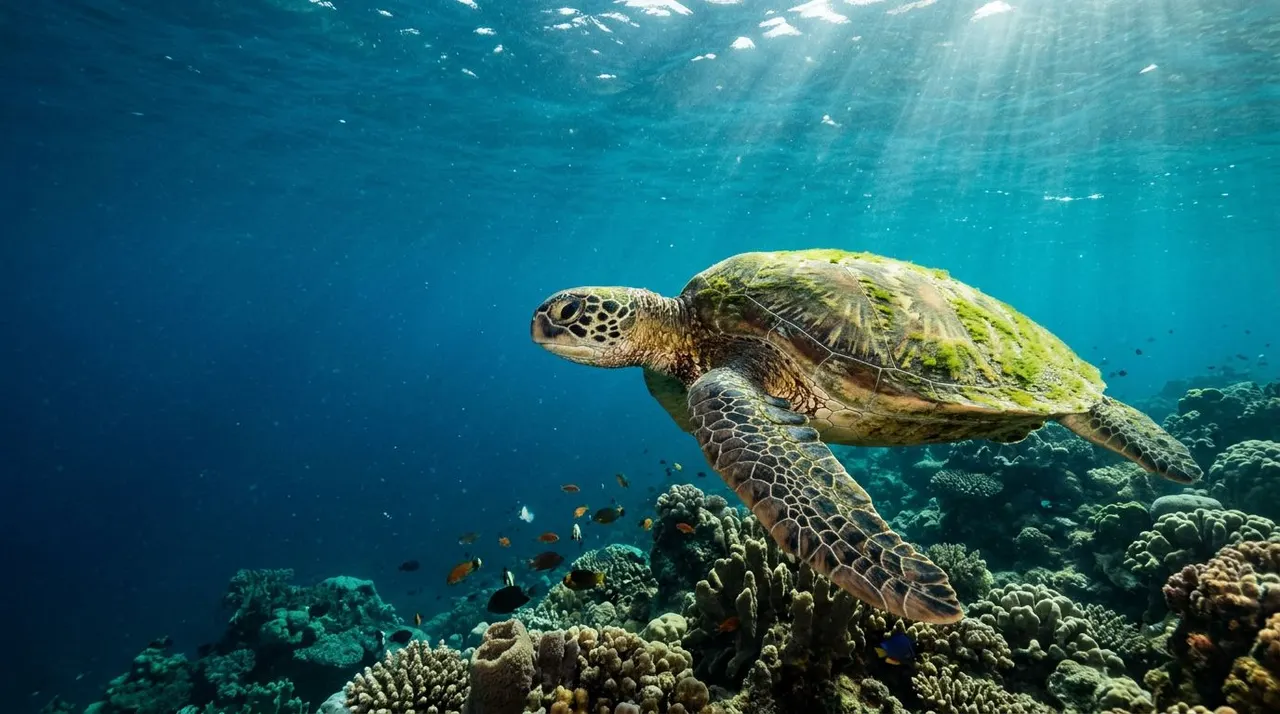
A green turtle with an algae-covered shell can look as though it has carried a piece of the reef on its back. When you snorkel at Turtle Canyon Oahu, that natural coating is one of the details you may notice first.
Algae on a Hawaiian green sea turtle’s shell usually reflects its habitat, resting habits, and time in the water. It doesn’t automatically mean the turtle is sick. You can learn what you’re seeing, keep a respectful distance, and enjoy a much better wildlife encounter.
Key Takeaways
- Algae can grow on a turtle’s hard shell, especially when the animal rests around reefs.
- A green sea turtle’s name comes from the color of its fat, not from a green shell.
- Algae often looks different from injury, infection, or shell damage.
- You should observe turtles without touching, feeding, chasing, or blocking them.
- A professional guide can help you identify natural shell growth while keeping your group safe.
Why Green Turtles Get Algae on Their Shells
A sea turtle’s shell, called the carapace, is made of hard plates called scutes. Unlike skin, the carapace doesn’t shed in the same way. Small organisms can settle on its surface, especially when the turtle spends long periods near reefs or rocky areas.
Algae may appear as a thin green film, brown coating, or darker patchwork across the shell. The texture can look fuzzy from a distance. You might also see tiny barnacles or other harmless organisms attached to the carapace.
The shell’s shape creates small areas where water movement is slower. Those areas give algae a place to grow. A turtle that rests in the same reef zone may collect more growth than one that travels through open water.
The color of the shell doesn’t explain the turtle’s name. According to NOAA’s green turtle profile, green turtles are primarily herbivores that eat seagrasses and algae. Their name comes from the greenish color of their body fat, not from algae growing on their backs.
You may see a turtle with a mostly clean shell one day and a more textured shell another day. Lighting, water clarity, and viewing distance can change what you notice. Even the turtle’s position can make algae look heavier on one side.
Why Turtle Canyon Is a Good Place to Notice Shell Growth
Turtle Canyon sits off the Waikiki coast, where reef structure gives Hawaiian green sea turtles places to rest and search for food. The site isn’t a controlled exhibit. Conditions change with swell, current, visibility, boat traffic, and the animals’ movements.
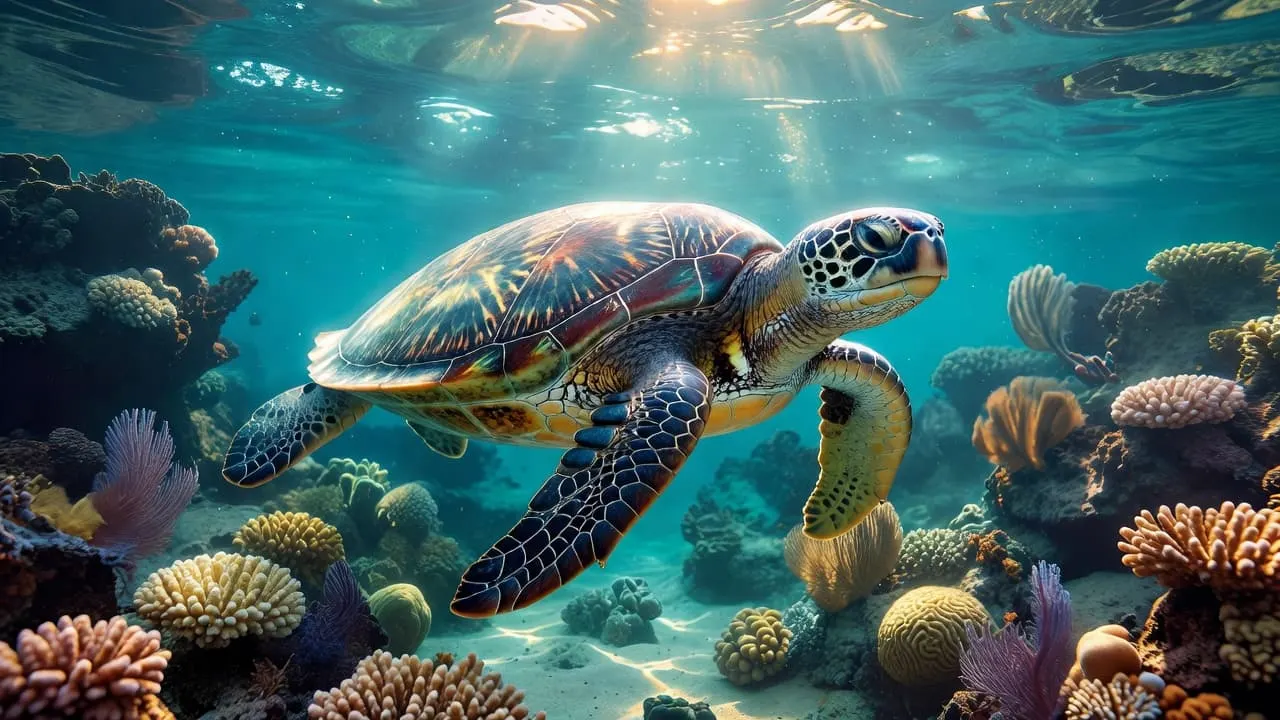
That natural setting makes every turtle different. One may glide above the reef with a smooth, patterned carapace. Another may settle near the bottom with algae spread across its back. You could even see a turtle with small attached organisms around the rear edge of its shell.
Resting behavior matters. A turtle that moves constantly through open water has less opportunity for algae to settle. A turtle that spends more time near the seafloor may develop a heavier coating. The growth can also vary with sunlight, water quality, and the amount of time between natural cleaning events.
The reef itself adds visual confusion. Green and brown algae on coral, sand, or rock can make a turtle’s shell seem darker than it is. Sunlight from the surface may turn the same shell gold, olive, or nearly black as the animal swims beneath you.
You should also remember that a turtle doesn’t need a spotless shell to be healthy. A little algae is a normal part of life in the ocean. The Virginia Aquarium’s green sea turtle guide also points out that green turtle shells are not naturally green, even though the animals are associated with algae and seagrass.
Algae, Barnacles, and Shell Injuries Look Different
At Turtle Canyon, you may want to identify every mark you see. A guide can help, but you should avoid making a health judgment from a quick underwater view.
Natural algae often appears as a surface coating. It may follow the shell’s ridges and look soft, dusty, or uneven. Brown or green colors are common. Small barnacles can look like pale bumps attached to the outer shell.
In contrast, damage may show exposed areas, cracks, deep pits, bleeding, or irregular breaks in the scutes. White or gray patches can have different causes, including injury or disease. A film over the eyes, open wounds, or difficulty swimming deserves attention from trained wildlife professionals.
Water conditions can make ordinary shell texture look alarming. A camera flash may exaggerate pale spots, while deep shade can hide detail. Never swim closer to inspect a mark. Your approach may stress the turtle and cause it to leave its resting area.
Tell your snorkel guide what you noticed after you return to the boat. Guides can compare observations, record concerns, and direct questions to the appropriate wildlife authorities when needed. You don’t need to touch the shell or remove anything to help.
A turtle with algae on its shell is still a wild animal, not a turtle that needs cleaning by visitors.
How to Snorkel Around Green Sea Turtles
Your behavior affects the turtle more than the algae does. Keep your body calm, maintain space, and let the animal choose its direction. If a turtle swims toward you, stay still rather than reaching out.
Do not touch, feed, ride, chase, or block a sea turtle. Avoid diving directly over a resting turtle, since your shadow can make it feel threatened. Give the animal a clear path to the surface because sea turtles need to breathe air.
Use slow fin kicks and keep your hands close to your body. Sudden movement can scatter fish and create unnecessary contact with coral. If you wear fins, watch the reef below you and avoid kicking the bottom.
Your sunscreen choice also matters. Use reef-conscious products and follow your tour operator’s guidance. More importantly, apply only what you need and keep lotions away from the water when possible. Never collect shell pieces, coral, rocks, or other marine life as souvenirs.
Hawaiian green turtles are protected wildlife. The World Wildlife Fund’s green turtle facts describe their plant-based diet and conservation concerns, but you can support their protection through simple choices during your visit.
The best photograph is one that doesn’t change the turtle’s behavior. Keep your camera steady, skip the chase, and accept that the animal may turn away. That brief moment of patience often gives you a clearer view than swimming after it.
Choose a Guided Turtle Canyon Snorkel Tour
A guided trip gives you more than transportation to the reef. You get help with equipment, water entry, local conditions, and wildlife etiquette. That support is especially useful if you’re snorkeling for the first time or traveling with children.
Living Ocean Tours departs from Kewalo Basin Boat Harbor, a short drive from Waikiki. Its Turtle Canyons Snorkel Excursion reports a 95% success rate for spotting Hawaiian green sea turtles at a natural underwater cleaning station. The company is also the only tour operator with professional snorkel guides, so you can ask about shell algae, turtle behavior, and reef safety while you’re in the water.
The Coast Guard-inspected fleet includes the double-decker Coral Kai and Lokahi. Both vessels offer shaded seating, restrooms, dry storage, and sturdy ladders for easier water entry. Lokahi also has a SeaKeeper stabilization system, which helps keep the boat steady between the harbor and the snorkel site.
You can explore Living Ocean Tours offerings when you want to compare the Turtle Canyon experience with other Waikiki ocean trips. First-time swimmers can also ask the crew about flotation support and water-entry assistance before departure.
Living Ocean Tours is built for families, couples, and ocean lovers who want a comfortable wildlife experience with clear guidance. The crew’s approach is simple: watch the turtles, protect the reef, and leave the water as you found it.
What to Bring for Your Turtle Canyon Visit
Pack a swimsuit, towel, reef-conscious sunscreen, sunglasses, and a waterproof phone case. A light cover-up helps during the boat ride, especially when wind picks up after you leave the harbor.
Eat a light meal before snorkeling if you tend to feel motion sickness. Drink water before boarding, but avoid arriving dehydrated. If you take motion-sickness medication, follow the product directions and ask your doctor or pharmacist if you have questions.
Your guide will explain the boat’s safety rules and snorkeling plan. Listen closely to the briefing because current conditions can change the route or timing. The crew may adjust the experience when wind, swell, or visibility makes another location safer.
Book your Turtle Canyon excursion according to your vacation schedule, then leave room for weather changes. Early communication with the crew helps you choose the right equipment and understand what to expect.
Conclusion
Algae on a green turtle’s shell usually tells you that the animal lives in a rich marine environment and spends time around the reef. It doesn’t mean you should scrub, touch, or approach the turtle. At Turtle Canyon, your best role is a quiet observer who gives the animal room to move and breathe.
With a professional guide, you can learn to recognize natural shell growth, notice unusual marks without disturbing wildlife, and enjoy a safer snorkeling experience. The clearest memory comes when you let the honu remain exactly where you found it.


