
Turtle Canyon Oahu: How Green Turtles Hear Underwater
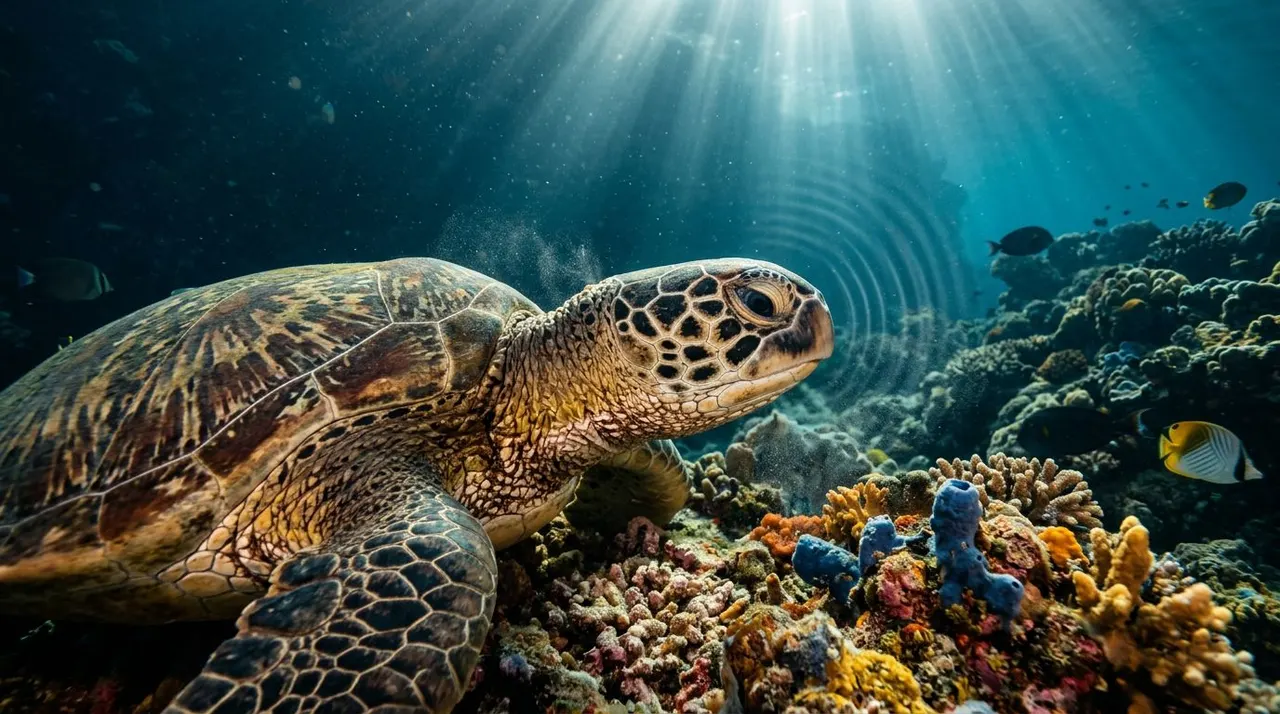
A Hawaiian green sea turtle can hear you underwater, even though you can’t see an external ear. At Turtle Canyon Oahu, that hidden sense helps honu detect movement, boat noise, and changes in their surroundings while they rest near the reef.
You might notice a turtle turn its head before you get close. That reaction isn’t random. Understanding how turtles hear can make your snorkel more respectful, calmer, and more rewarding. First, you need to know what happens beneath the skin around a turtle’s head.
How green sea turtles hear underwater
Green sea turtles don’t have visible ears like humans do. Instead, a thin layer of skin covers each ear opening on the side of the head, behind the eye. This design protects the ear while the turtle swims, dives, and feeds.
Under that skin sits the tympanum, a membrane that responds to sound vibrations. When pressure waves travel through seawater, they reach the turtle’s head and move the membrane. The inner ear then processes those vibrations as sound.
Water carries sound differently than air. It is denser, so pressure waves can travel quickly and efficiently over long distances. A turtle doesn’t need an outer ear to collect sound in the same way you do. Its submerged head and body already interact with the surrounding pressure changes.
Research on juvenile green sea turtles found that they detected underwater sounds between approximately 50 and 1,600 hertz. That range includes many low-frequency sounds, including some natural ocean noise and sounds created by boats. The researchers also found that turtles hear differently in air and water. You can read the published findings in this study of green sea turtle hearing.
The study focused on juvenile turtles, so you shouldn’t treat every finding as a precise description of adult honu at Turtle Canyon. Still, it confirms an important point: green turtles are not deaf underwater.
They may not hear your voice as you hear it, and they don’t interpret language. However, they can detect pressure changes and low sounds around them. A sudden splash, a boat engine, or a swimmer kicking hard can create a noticeable disturbance.
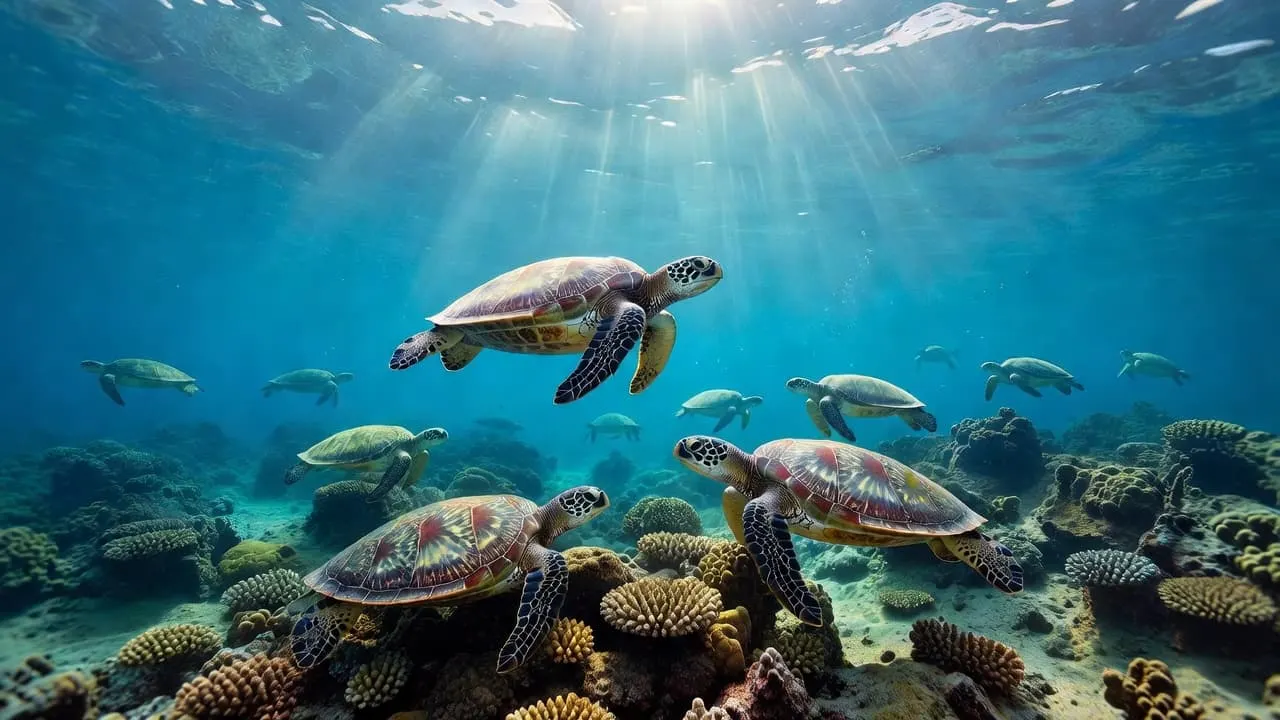
What turtles hear at Turtle Canyon Oahu
Turtle Canyon is a series of underwater volcanic formations off Waikiki. The reef attracts tropical fish and green sea turtles, especially around areas where fish can remove algae and other material from a turtle’s shell and skin.
The water is never completely quiet. Waves, currents, reef movement, fish activity, boats, and swimmers all add sound. A turtle experiences that environment through pressure changes across its body, not through ears that swivel toward each noise.
When you snorkel, your movements create sound and vibration. Fins push water backward. A mask may make small bubbles. A hurried swimmer can produce a steady pattern of splashing that reaches wildlife before the swimmer does.
Turtles also respond to movement through sight and touch receptors in the skin. Hearing is only one part of their awareness. A honu may notice your approach visually, sense water movement, and react to sound at the same time.
That explains why a turtle sometimes changes direction before you reach it. The animal may have detected you several seconds earlier. If you continue swimming toward it, you can force it to leave a resting or cleaning area.
A turtle turning away is giving you useful information. Slow down, create space, and let the animal choose where to swim.
You should also avoid shouting underwater or tapping your mask, fins, or camera housing. Those actions add noise without improving your view. Quiet observation gives you a better chance to watch natural behavior, such as resting, swimming through the reef, or visiting a cleaning station.
Why calm snorkeling helps you see more turtles
Many first-time snorkelers kick hard because they feel uncertain in open water. That effort makes swimming tiring and creates more noise. A relaxed body position works better for both you and the turtles.
Keep your fins below the surface and use slow, even kicks. Avoid vertical bouncing, which can stir sand and reduce visibility. If you need to stop, float calmly rather than grabbing coral, rocks, or another swimmer.
Your guide can help you adjust your mask, breathing, and body position before you focus on wildlife. Living Ocean Tours provides gear and professional snorkel guidance, so beginners don’t need to figure out every part of the experience alone.
The company operates from Kewalo Basin Boat Harbor, a short distance from Waikiki Beach. Its Turtle Canyon excursion lasts about two hours, with roughly one hour in the water. Living Ocean Tours reports a 95% success rate for spotting Hawaiian green sea turtles at its natural underwater cleaning station.
You can review the company’s Turtle Canyon snorkeling tour before choosing your excursion. The crew can explain where to look, how to enter the water safely, and how to watch turtles without crowding them.
For many guests, the best view comes after they stop chasing. When you remain still at a respectful distance, a turtle may continue feeding or resting nearby. That creates a more authentic encounter than rushing after an animal for a closer photograph.
How to protect a turtle’s hearing and habitat
Responsible snorkeling starts with a simple rule: observe, don’t touch. Never place your hands on a turtle, hold onto its shell, block its path, or follow it when it tries to leave.
Touching can stress the animal and damage the protective mucus layer on its skin. It can also expose turtles to bacteria, sunscreen residue, or other substances from human skin. Even a gentle touch is still an unwanted interaction.
Keep your distance and let the turtle control the encounter. In Hawaii, guidelines commonly advise maintaining at least 10 feet from green sea turtles on land and in the water. Your guide can help you judge that distance when visibility or current makes it difficult.
You should also avoid standing on coral or resting equipment on the reef. Coral grows slowly and can break under a single careless step. Apply reef-conscious sunscreen before entering the water, and follow your operator’s instructions about products that may harm marine life.
A few practical habits make a difference:
- Enter the water quietly and listen to your guide.
- Keep your fins away from the reef and turtle.
- Leave shells, rocks, and coral where you find them.
- Use a camera without chasing or surrounding wildlife.
- Give a turtle a clear route to the surface.
These habits protect the animals while improving your own experience. A turtle that feels undisturbed is more likely to remain in view.
Choosing a Turtle Canyon snorkel tour
The boat you choose affects how comfortable you feel before and after snorkeling. Living Ocean Tours runs Coast Guard-inspected, custom-built double-decker vessels called the Coral Kai and the Lokahi.
Both boats include shaded seating, restrooms, dry storage, and sturdy ladders for water entry. The Lokahi also has a SeaKeeper stabilization system that reduces rolling, which can help if you are concerned about seasickness. The Coral Kai offers broad open-deck space for enjoying the Waikiki coastline.
Living Ocean Tours is also the only tour company with professional snorkel guides. That matters when you are traveling with children, sharing the water with a nervous swimmer, or learning to use snorkeling equipment for the first time.
The crew’s role goes beyond finding turtles. Guides can help you understand reef behavior, keep the group together, watch changing conditions, and reinforce respectful wildlife practices. Families benefit from that extra support because everyone can focus on enjoying the water.
Couples and experienced swimmers can choose a more relaxed pace, while beginners receive clear direction before entering the ocean. Guests ages three and up can find options designed around comfort, safety, and family participation.
If you want more time on the boat, Living Ocean Tours also offers a deluxe Waikiki snorkeling and wildlife cruise with a less-crowded reef, a boat-mounted water slide, a water trampoline, and a floating lily pad. That option combines wildlife viewing with more time for play between water activities.
What to remember before you snorkel
Green sea turtles hear underwater through an ear structure hidden beneath the skin behind the eyes. They detect sound and pressure changes, especially at lower frequencies, while sight and water movement also help them understand what surrounds them.
At Turtle Canyon Oahu, your behavior can shape the encounter. Slow fin strokes, quiet movement, and plenty of space allow honu to rest and behave naturally. You don’t need to touch a turtle or swim after it to have a memorable experience.
Living Ocean Tours gives you professional guidance, quality equipment, and a stable boat for the trip. When you enter the water prepared and observe instead of pursuing, you protect Hawaii’s marine life while seeing more of its natural behavior.
Conclusion
A turtle’s hidden ears give it a clear sense of the underwater world. Boat noise, splashing, fin movement, and sudden pressure changes can all reach a honu near the reef.
Your best approach at Turtle Canyon Oahu is simple: move calmly, keep your distance, and let the turtle decide whether to remain nearby. The quieter and more respectful your visit, the better your chance of witnessing a green sea turtle as it truly lives.


