
Turtle Canyon Oahu: Why Reef Depth Changes Sightings
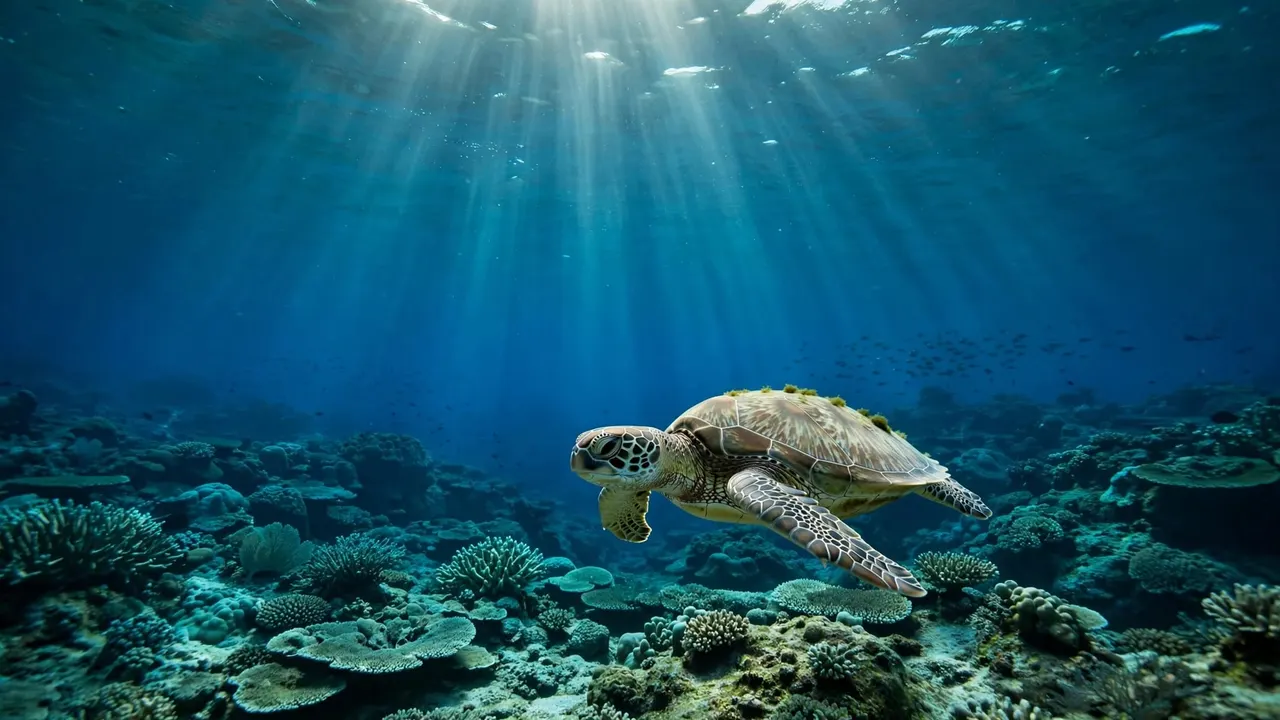
A Hawaiian green sea turtle drifting over the reef can become the moment you remember most from an Oahu trip. At Turtle Canyon Oahu, reef depth helps shape what you can see, yet wild turtles still decide when to arrive, pause, surface, and swim away.
Living Ocean Tours departs from Kewalo Basin Boat Harbor, minutes from Waikiki, for wildlife-focused snorkeling trips. The company is the only tour company with professional snorkel guides, giving you direct in-water support around the reef.
When you understand the reef’s contours, you can spend less time chasing a sighting and more time noticing how the ocean works.
Key Takeaways
- Turtle Canyon Oahu is offshore reef habitat, not a controlled wildlife encounter, so turtle activity changes with conditions and behavior.
- Shallow reef areas can make it easier to watch turtles from the surface, while deeper blue water may reveal passing animals and changing reef contours.
- Green turtles may use reef communities as cleaning stations, where small fish remove algae and other material from their shells and skin.
- Living Ocean Tours reports a 95% turtle-sighting success rate on its Turtle Canyons outings, although no operator can guarantee a wild animal sighting.
- Keep at least 10 feet from turtles, move slowly, and never touch, feed, chase, block, or surround them.
How Turtle Canyon Oahu Reef Depth Shapes What You See
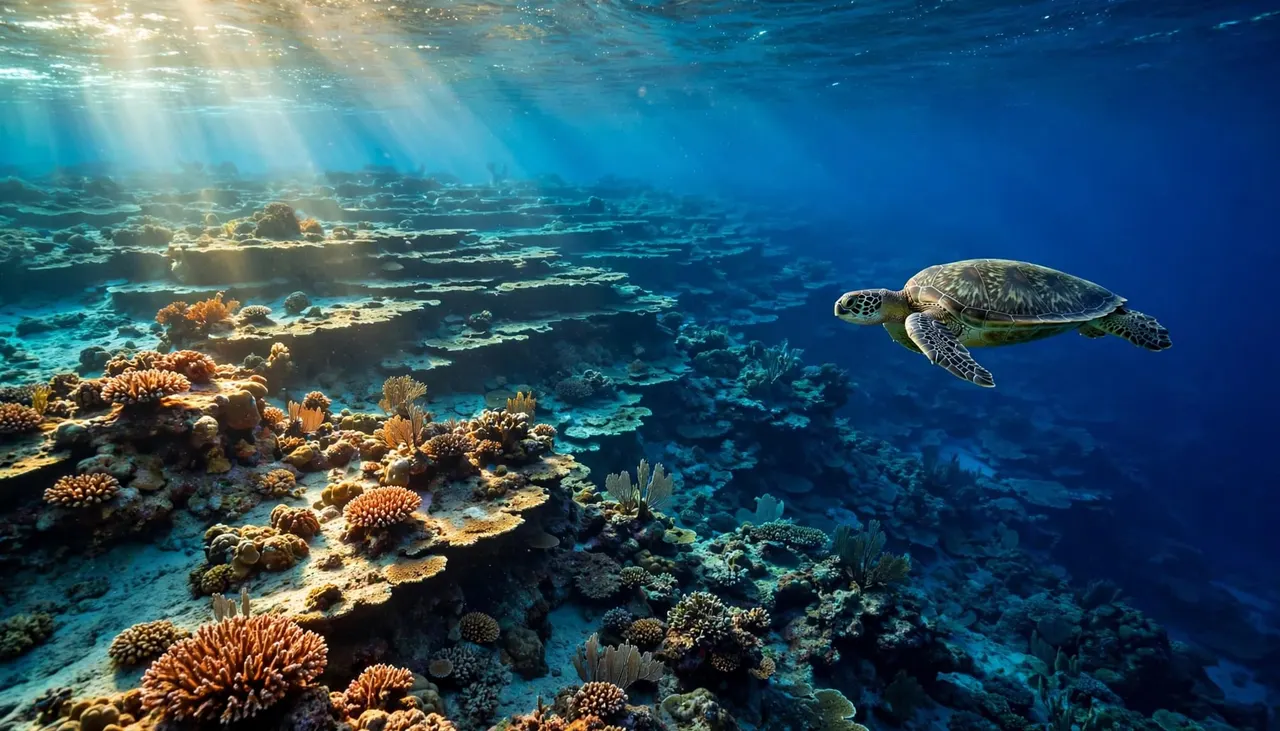
Reef depth affects your view before it affects the turtles. In clearer water, you may see shallow coral features, ledges, sand pockets, and the darker water beyond them. Those visual changes help you understand where the reef drops away and where a turtle can move out of sight.
A turtle may rest near structure, glide across open water, or rise to breathe. You are watching part of its normal routine, not a scheduled appearance.
Shallow water gives you a clearer surface view
When a turtle moves over a shallower reef shelf, you can often watch it without diving down. Sunlight reaches the coral more easily, colors look sharper, and the animal may stand out against the reef.
Stay calm at the surface and use a flotation device if it helps you relax. A quiet, horizontal position lets you observe longer without kicking over coral or drifting into a turtle’s path.
Deeper water changes the scene quickly
The deeper sections often look like rich blue channels beside brighter reef. A turtle can appear from that darker water, cross a reef edge, and disappear again within seconds.
Don’t treat deeper water as a sign that turtles are gone. It simply means you may see less of the reef below and need to watch the full water column more patiently.
Why Turtles May Pause Near Reef Structure
Turtle sightings often feel surprising because several things can happen in one small area. You may see a honu, the Hawaiian name for a green sea turtle, hovering low near coral while reef fish flicker around its shell.
NOAA explains that turtles can use reef communities as natural cleaning stations. The turtle controls the visit. It can pause for a few minutes, move along the reef, or head into open water.
Cleaning behavior is not a performance
Small fish may gather around a turtle’s shell and skin. That activity can make a turtle appear almost motionless, especially when it pauses over a familiar reef area.
However, the turtle isn’t posing for swimmers. Leave room for it to turn, surface, or depart. Your best view often comes when you stop moving and let the turtle use the reef without pressure.
One reef can attract independent turtles
Several turtles in the same area don’t necessarily travel together. They may use the same reef for food, rest, shelter, or cleaning while following separate routes.
At Turtle Canyon Oahu, you might see one turtle near a ledge and another pass through farther out. Notice the scene without assuming the animals have arrived as a group.
Read the Water Before You Look for Turtles
A few simple visual cues can make your snorkel more rewarding. Look for the contrast between bright reef, pale sand, and deeper blue water. Then keep your eyes moving slowly across the area rather than locking onto one spot.
Sun angle, cloud cover, surface chop, swell, and recent rain can all change visibility. Therefore, a reef that looks crystal clear one morning may look softer or darker later in the day.
A turtle sighting depends on animal behavior and ocean conditions. Reef depth can help you read the setting, but it can’t predict a sighting.
Watch the reef edge, not only the surface
Many first-time snorkelers spend the whole time scanning the surface for a turtle coming up to breathe. Surface checks matter, but the reef edge often tells a fuller story.
Look across the coral, then out toward deeper water, and then back toward the shallower shelf. This steady pattern helps you spot movement without darting around the reef.
Let visibility set your expectations
Clear conditions can reveal more detail, but you don’t need perfect visibility for a meaningful visit. A turtle’s silhouette may stand out against a bright coral patch or a dark channel.
If conditions feel challenging, stay close to your guide and focus on breathing evenly. You will enjoy more of the reef when you feel settled in the water.
Choose a Guided Trip That Fits Your Group
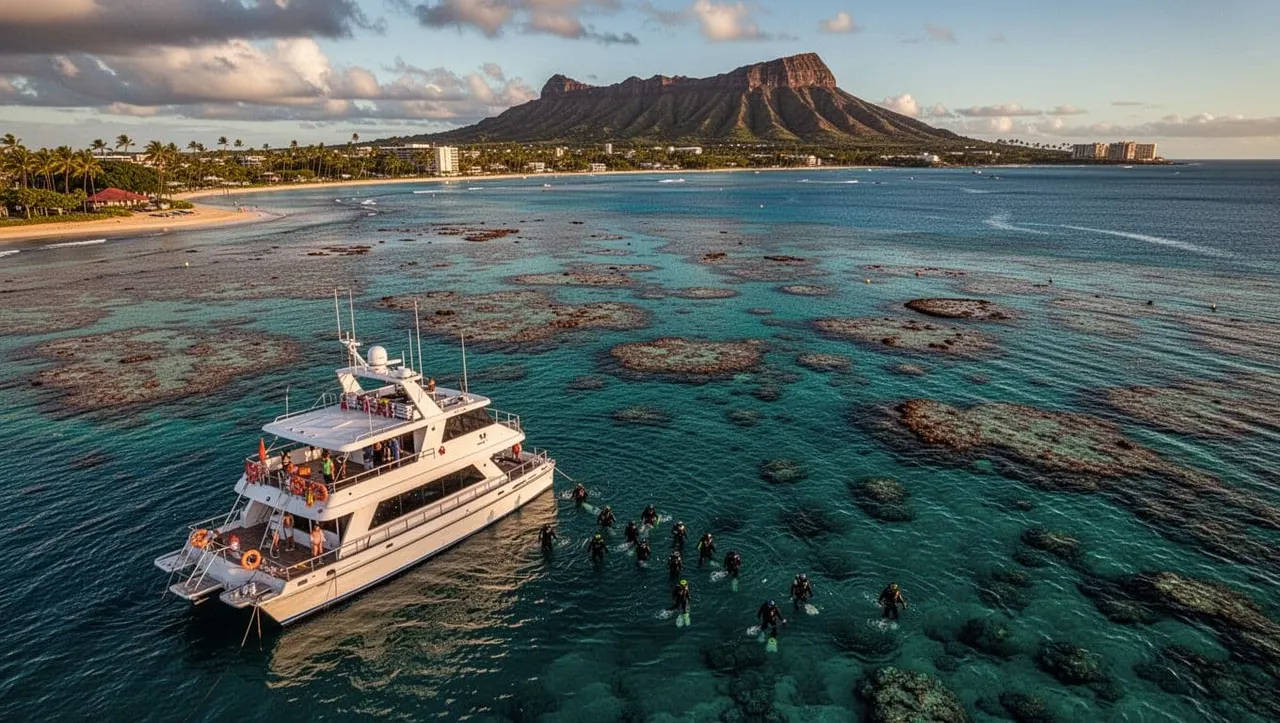
A boat trip removes the uncertainty of a beach entry, parking, and carrying gear across the sand. It also gives beginners and families a clear briefing before they enter the water.
Living Ocean Tours uses Coast Guard-inspected double-decker vessels with shaded seating, onboard restrooms, dry storage, and sturdy ladders. The crew provides gear, flotation support, and instruction, while professional snorkel guides help you stay oriented in the water.
Pick Turtle Canyons when turtles are your priority
The Turtle Canyon snorkel excursion is built around Waikiki’s well-known offshore turtle habitat. Living Ocean Tours reports a 95% success rate for spotting Hawaiian green sea turtles at its natural cleaning-station location.
That strong record is encouraging, but wildlife remains unpredictable. Tell the crew if you are new to snorkeling, uneasy with mask breathing, or prone to motion sickness. You will get more from the trip when the crew knows what support you need.
When you are ready to plan your water time, CHECK AVAILABILITY.
Choose Rainbow Reef for longer family water play
If you want more time for snorkeling plus onboard fun, the Deluxe Waikiki snorkeling tour visits Rainbow Reef for a 90-minute reef session. The trip includes a waterslide, water trampoline, and floating lily pad.
You may still see turtles there, but Turtle Canyons is the better match when your main goal is turtle viewing. The Lokahi also has a SeaKeeper stabilization system, which can make the ride more comfortable for guests concerned about boat roll.
Give Honu Space and Protect the Reef
Turtle Canyon Oahu works because it is living habitat. Hawaiian green turtles are protected wildlife, and your choices in the water affect their behavior.
Hawaii’s Department of Land and Natural Resources recommends a minimum viewing distance of 10 feet. Review the state’s sea turtle viewing guidance before you enter the water, especially if you are traveling with children.
Keep a clear path to the surface
Turtles need to surface for air, even when they seem relaxed underwater. Never position yourself above a turtle or between it and open water.
If a honu approaches you, remain still and let it pass. A slow turtle isn’t asking for contact. It may be resting, feeding, or deciding where to go next.
Keep hands, fins, and food away
Do not touch coral, turtles, fish, or any other marine life. Hawaii Ocean Safety also advises visitors not to feed turtles or fish, because feeding changes natural behavior and can create unsafe wildlife interactions. Its snorkeling safety guidance also warns that sharp coral can harm you and the reef.
If you spot fishing line, a fresh wound, restricted flipper movement, or obvious trouble swimming, tell your guide. Don’t attempt a rescue or remove material yourself.
Other Waikiki Ocean Experiences After Snorkeling
You can stay connected to the ocean without getting back in the water. A Waikiki sunset cruise gives you coastal views from a comfortable double-decker vessel, with turtles and dolphins sometimes visible from the deck.
During Hawaii’s winter migration period, a Waikiki whale-watching tour adds the possibility of seeing humpback whales. Living Ocean Tours notes that its whale-watching vessel carries up to 49 passengers, offering a more intimate way to watch the coastline and marine life.
For couples, a sunset cruise gives you a relaxed finish after a morning reef outing. Families may prefer a snorkel cruise or wildlife outing that keeps everyone comfortable at their own pace.
Frequently Asked Questions
Does deeper water mean fewer turtle sightings?
No. Reef depth changes what you can see from the surface, but it doesn’t guarantee more or fewer turtles. A turtle may travel through deeper water, rest near a reef edge, or remain over a shallow section depending on its own routine.
Is Turtle Canyon Oahu suitable for beginners?
It can be a good choice when you join a guided trip, use flotation support, and communicate honestly about your comfort level. Living Ocean Tours provides instruction and professional snorkel guides in the water, which helps you focus on breathing, position, and wildlife etiquette.
What should you do if a turtle appears injured?
Stay at least 10 feet away and alert your guide, lifeguard, or wildlife authority. Do not touch the turtle, pull off fishing line, move it, or try to treat it. Trained responders can assess the situation without adding stress.
Let the Reef Set the Pace
Turtle Canyon Oahu gives you a view of a working reef, where a honu may glide over coral, pause near small fish, then disappear into blue water. Patience and distance turn that brief encounter into a respectful one.
When you float calmly, follow your guide, and let the turtle choose its route, you help protect the wildlife that makes Waikiki’s reef so memorable.


