
Turtle Canyon Oahu: How Cleaner Fish Help Green Turtles
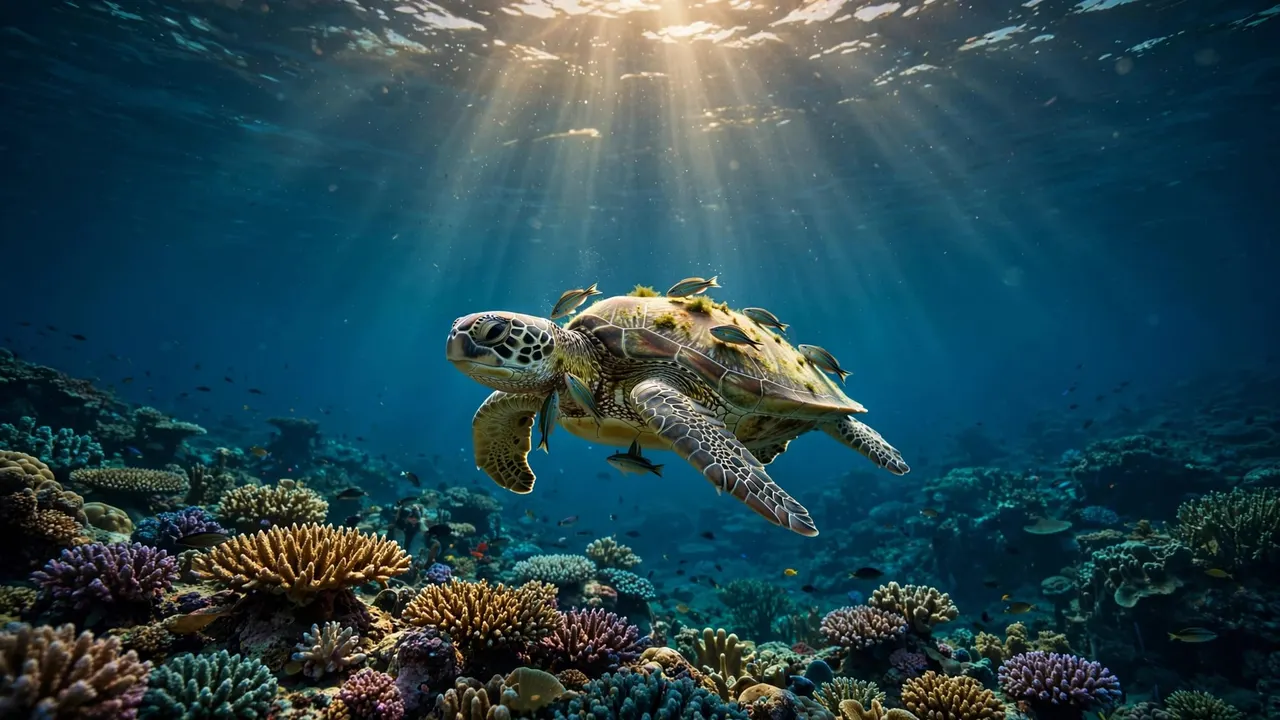
A Hawaiian green sea turtle hovering above a reef can look almost motionless, yet the scene is full of activity. At Turtle Canyon Oahu, small reef fish gather around honu, the Hawaiian name for green sea turtles, and pick algae and other material from their shells and skin.
Living Ocean Tours brings you from Kewalo Basin Boat Harbor, minutes from Waikiki, to this offshore reef habitat with gear, flotation support, and professional guidance. The company is Oahu’s top-rated and most-reviewed turtle snorkeling tour company, and it is the only tour company with professional snorkel guides in the water with you.
That guide-led support lets you focus on the reef while giving turtles the room to follow their natural routine.
Why Turtle Canyon Oahu Is a Natural Cleaning Station
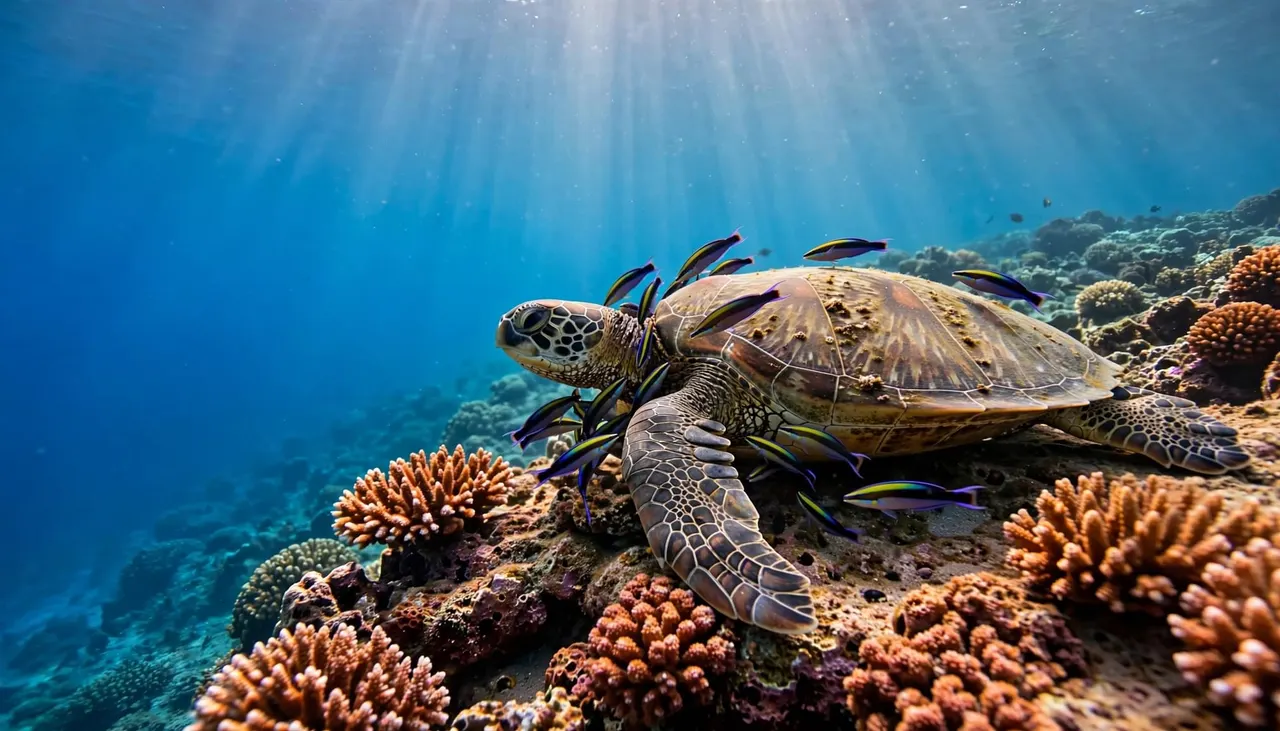
Turtle Canyons sits offshore from Waikiki, where reef structure creates a regular stop for Hawaiian green sea turtles. The animals decide when to visit, how long to pause, and when to move into deeper water.
A cleaning station isn’t an aquarium exhibit. It is a working reef interaction that depends on turtles, fish, coral, currents, and patient observers sharing the same space.
Cleaner fish pick at shells and skin
When a turtle slows down near the reef, small fish may move close to its shell, neck, and flippers. They pick algae and other material from the turtle’s outer surface while the turtle rests or moves gently through the water.
This behavior isn’t unique to Waikiki. NOAA has documented a green sea turtle using a cleaning station near Oahu, where fish swarm around the animal. At Turtle Canyon, that same kind of interaction can turn a turtle sighting into a busy underwater scene.
You may see the turtle remain still for a moment, then rise to breathe or glide away. Let it choose every movement.
Turtles benefit from a familiar reef stop
The reef gives turtles a place to pause without leaving their coastal habitat. Meanwhile, fish gain access to algae and loose material on a much larger animal.
Seeing several turtles around one reef does not mean they arrived together or travel as a social group. Green turtles can use the same productive areas for resting, feeding, and cleaning while remaining independent.
A cleaning station works best when snorkelers treat it as wildlife habitat, not a place to close the distance for a photo.
What You May See Beyond the Turtles
A Turtle Canyon Oahu swim can bring you close to honu, but turtles are only part of the reef community. Look below the surface before you enter the water, because the coral heads, ledges, and open blue water each hold different activity.
Tropical fish often move through the coral in shifting schools. Depending on conditions, you may also spot rays, eels, or a turtle surfacing calmly for air.
A turtle’s trip to the surface matters
Hawaiian green sea turtles are reptiles, so they must return to the surface to breathe. A turtle that looks relaxed below you may suddenly begin swimming upward, and it needs an unobstructed path.
Avoid floating directly above a turtle or positioning yourself between it and open water. Instead, stay to the side and watch its direction. That simple choice gives you a clearer view and protects the animal’s normal behavior.
The reef needs your fins off the bottom
Coral is living habitat, not a place to stand. Keep your body horizontal, use slow fin kicks, and secure loose equipment before you enter the water.
A flotation device can help you stay calm at the surface, especially if you are new to snorkeling. With a relaxed position, you are less likely to kick coral or drift too close to wildlife.
If you want a detailed look at depth, boat access, and typical conditions, review this Turtle Canyon snorkel guide.
How to Watch Green Turtles Responsibly
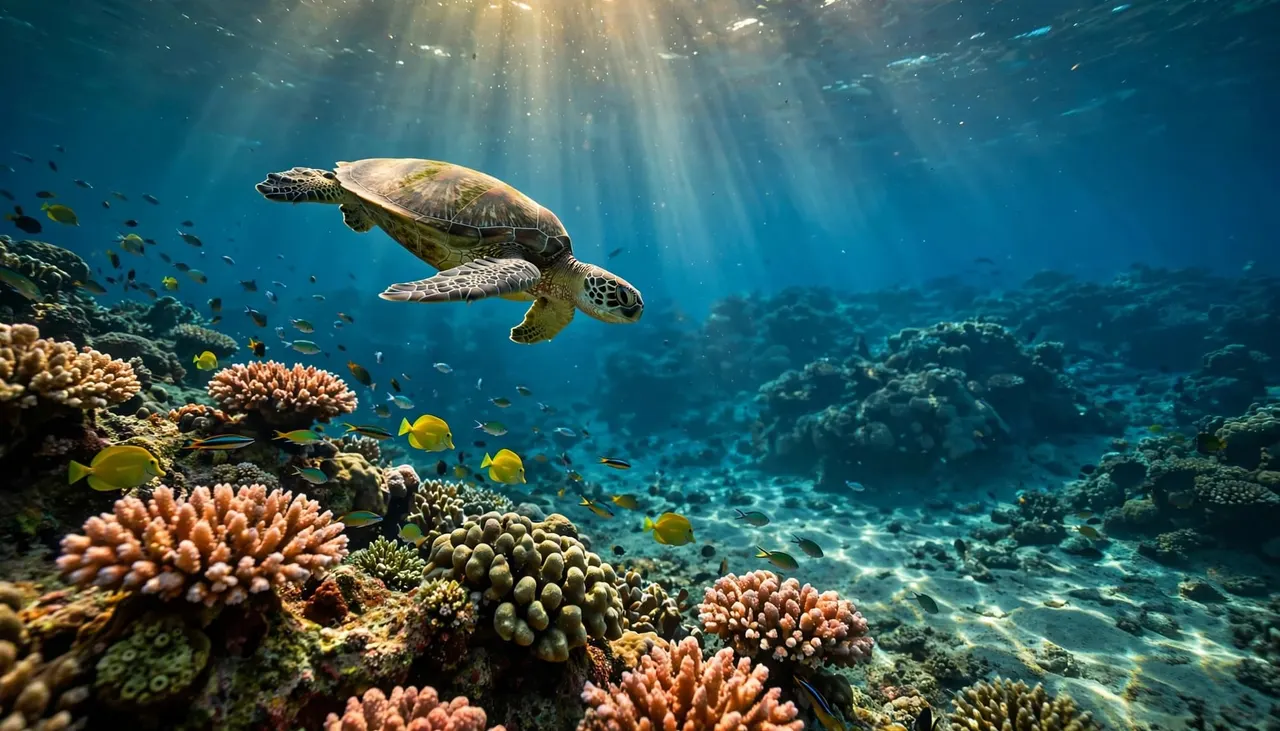
The most memorable Turtle Canyon Oahu encounters happen when the turtle continues resting, surfacing, and swimming as if you were not there. You do not need to approach a honu to appreciate its size, markings, or grace.
Give every turtle space before lifting your camera. A patient float often gives you a better look than following an animal across the reef.
Keep at least 10 feet of space
NOAA recommends staying at least 10 feet away from sea turtles in Hawaii, both in the water and on shore. That buffer gives a turtle room to breathe, turn, rest, or leave without swimmers blocking its path.
Never touch, chase, feed, ride, surround, or hold onto a turtle. Hawaiian green sea turtles are protected wildlife, and contact can add stress to an animal that is trying to rest or reach the surface.
Move slowly, keep your hands to yourself, and let the turtle control the encounter.
Report trouble instead of trying to help
Fresh wounds, fishing line, uneven flipper movement, or obvious difficulty swimming deserve attention from trained responders. Stay back and tell your guide immediately.
Do not remove line, inspect injuries, move a turtle, or attempt treatment. You can report injured or dead sea turtles to NOAA’s Hawaii Marine Wildlife Hotline at (888) 256-9840. Your distance helps trained responders assess the animal without extra stress.
Why a Guided Snorkel Makes the Difference
A boat trip takes you to offshore habitat without handling a shore entry, parking, or changing nearshore conditions on your own. For beginners, that extra structure can turn pre-swim nerves into a comfortable first snorkel.
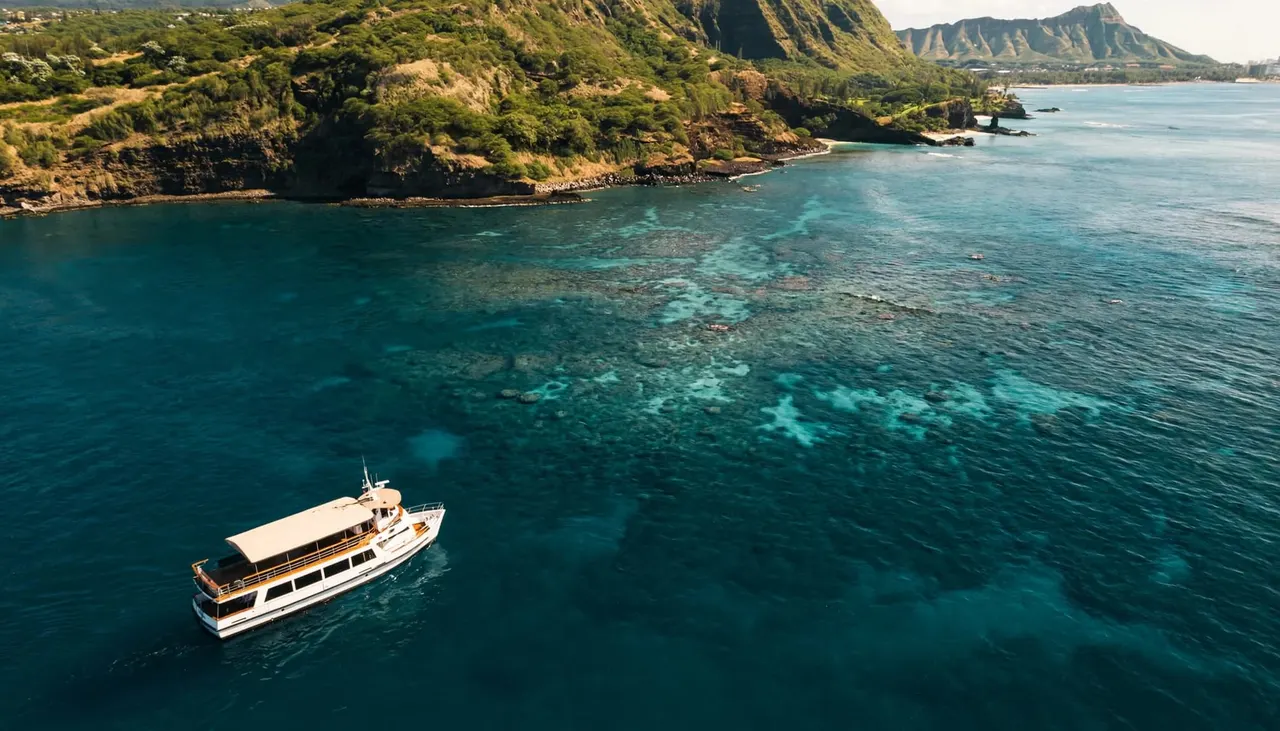
Living Ocean Tours runs its Turtle Canyons experience from Kewalo Basin aboard Coast Guard-inspected double-decker vessels. Shaded seating, restrooms, dry storage, and sturdy ladders make the time between swims easier for couples, families, and first-time snorkelers.
Professional guides stay in the water with you
Living Ocean Tours is the only tour company with professional snorkel guides. Before you enter, the crew can help fit your mask, fins, and flotation gear. In the water, guides help you stay oriented, monitor comfort, and reinforce reef-safe wildlife viewing.
That support matters when you want to focus on breathing steadily and enjoying the view instead of worrying about your equipment. It also helps families keep a calm pace around coral and turtles.
The Turtle Canyon Oahu snorkel tour is built for visitors who want that extra in-water guidance.
Expect a short ride and meaningful water time
Turtle Canyons is accessible only by boat and lies just off Waikiki. Living Ocean Tours describes the ride from Kewalo Basin as roughly 10 to 15 minutes, with trips lasting about two hours and approximately 45 to 60 minutes in the water.
The reef is typically 10 to 30 feet deep, so you can float above the activity without diving. Living Ocean Tours reports a 95% turtle-sighting rate on its excursion, although no responsible operator can guarantee where wild animals will be on a given day.
Plan Your Turtle Canyons Snorkel Excursion
Your best Turtle Canyon Oahu outing starts with an honest assessment of your comfort in the water. Tell the crew if you are a first-time snorkeler, get motion sickness, need extra flotation, or are traveling with children.
The Turtle Canyons snorkel excursion includes snorkeling gear, instruction, and an easy route along the Waikiki coastline. Arrive in a secure swimsuit, bring a towel and reusable water bottle, and leave jewelry or loose valuables ashore when possible.
Eat lightly before departure if boats tend to bother you. A rash guard, swim leggings, and shade on deck can also reduce how much sunscreen you need.
When you are ready for a wildlife-first reef experience, CHECK AVAILABILITY for your preferred date.
Key Takeaways
- Turtle Canyons is an offshore Waikiki reef where Hawaiian green sea turtles may pause at natural cleaning stations.
- Small reef fish may pick algae and other material from a turtle’s shell and skin while it rests or moves slowly.
- Respectful snorkeling means staying at least 10 feet away, never touching wildlife, and keeping fins clear of coral.
- Living Ocean Tours offers gear, flotation support, and the only professional snorkel guides who join you in the water.
- A 95% turtle-sighting rate is an operator-reported figure, not a promise that a wild turtle will appear.
Frequently Asked Questions
Is Turtle Canyon good for beginner snorkelers?
Yes, it can be a strong choice when you select a guided trip with equipment help, flotation support, and clear in-water instruction. Be honest about your swimming ability, ask for help with your mask before leaving the harbor, and stay close enough to hear the crew.
Do cleaner fish heal green sea turtles?
Cleaner fish may remove algae and other material from a turtle’s shell and skin. However, you should not treat a cleaning station as medical care or assume fish can address injuries or illness. Leave turtle health concerns to trained wildlife responders.
What should you do if a turtle looks injured?
Keep your distance and tell your guide right away. Do not touch wounds, remove fishing line, or move the turtle. If you are not on a guided trip, contact NOAA’s Hawaii Marine Wildlife Hotline at (888) 256-9840.
A Better Turtle Encounter Starts With Space
Turtle Canyon Oahu offers more than a chance to see a honu. It gives you a view of a living reef, where turtles surface for air, fish gather at cleaning stations, and every animal follows its own rhythm.
Your strongest memory will come from watching without interrupting. Give turtles room, protect the coral below you, and let the reef set the pace.


